

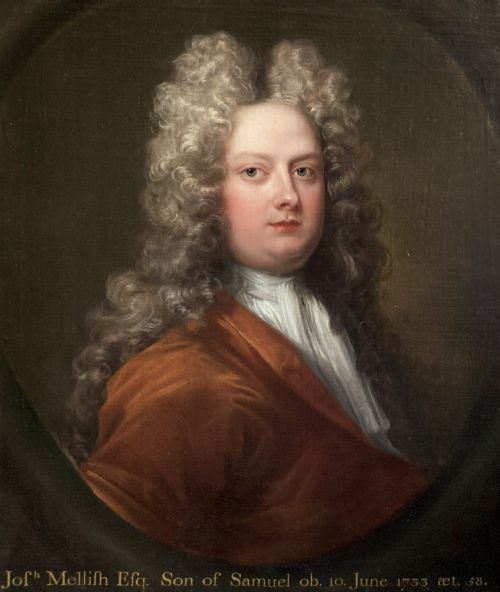
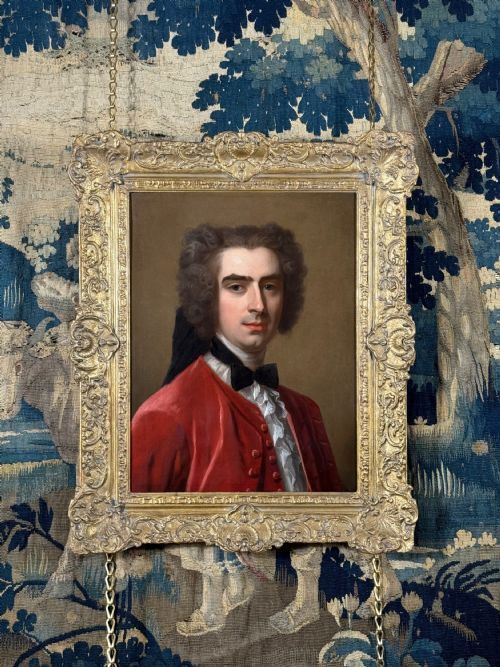
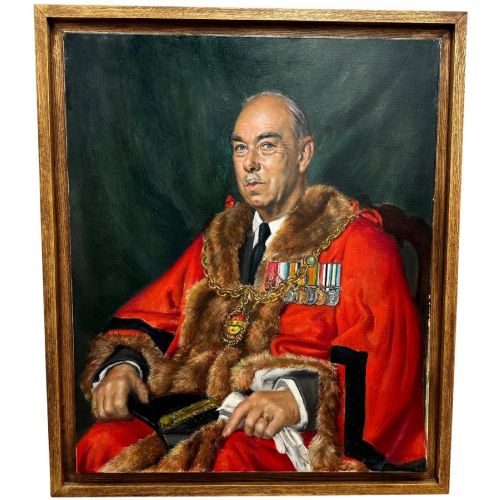
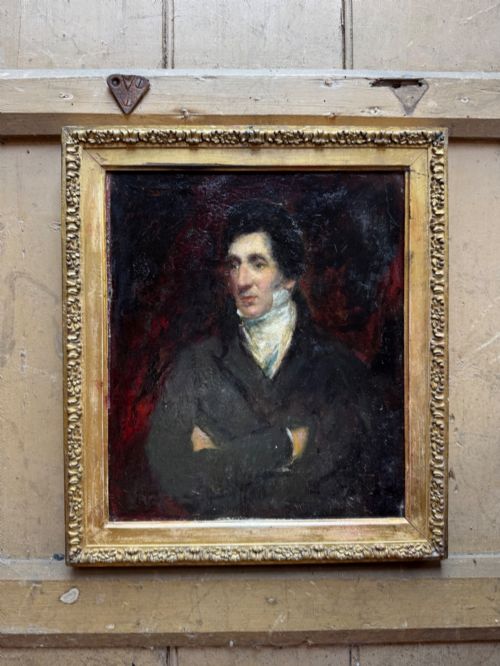
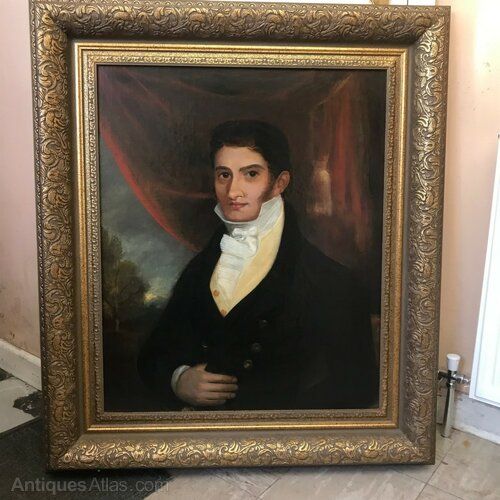
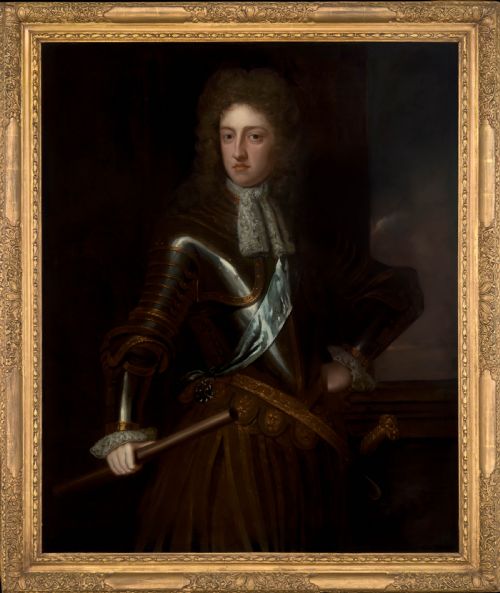
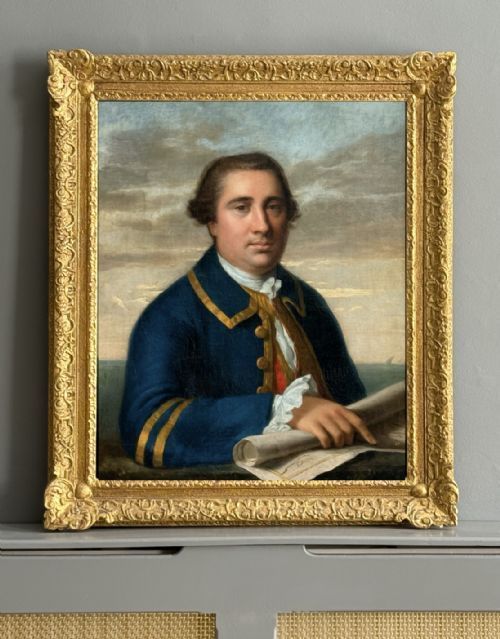
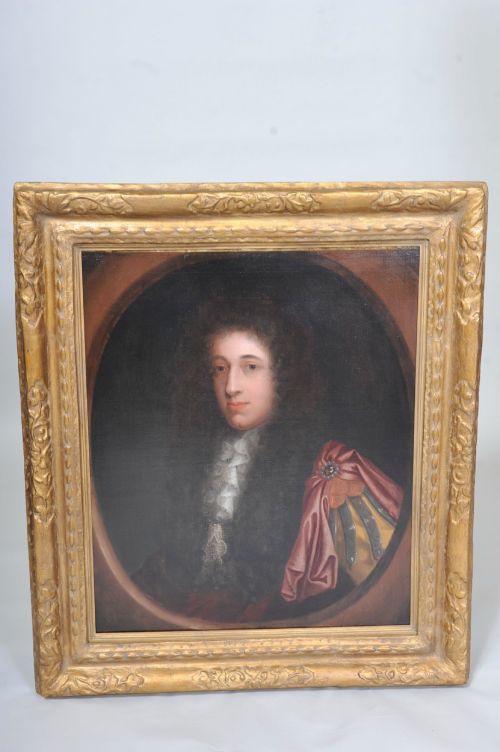
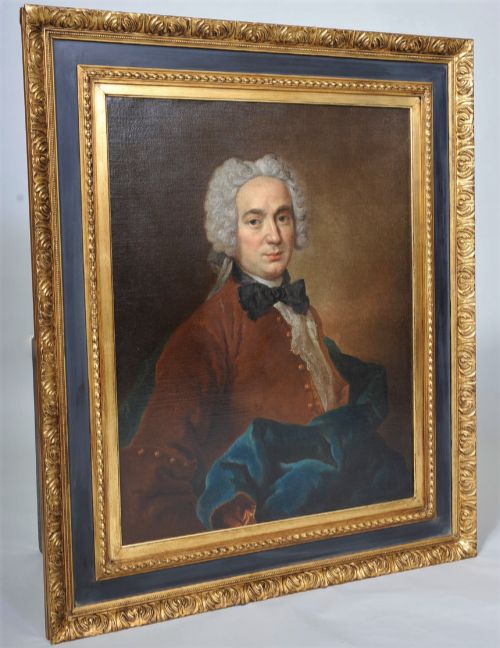
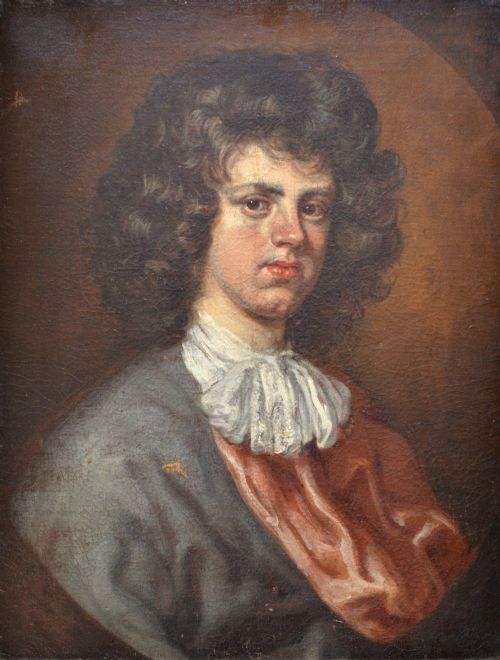
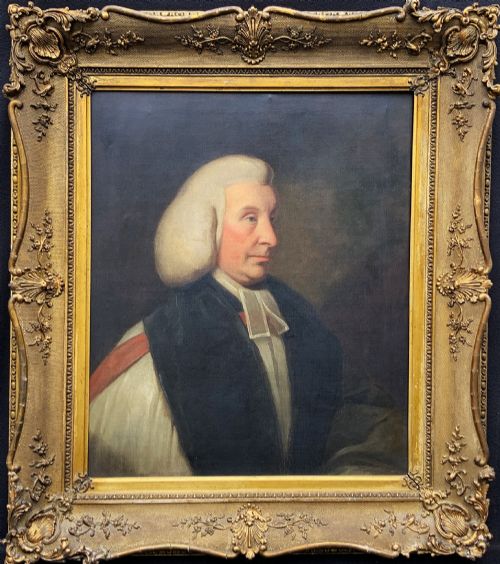
Canvas Gentleman Oil Painting
Discover a canvas gentleman oil painting to bring centuries of character, rich tailoring and commanding gaze into your interior.
Canvas Gentleman Oil Painting
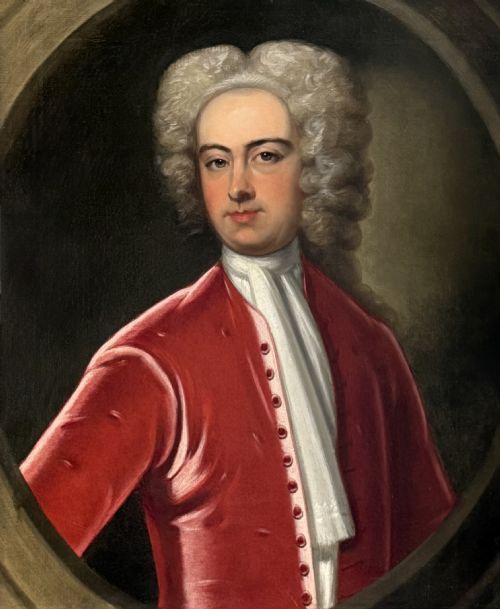
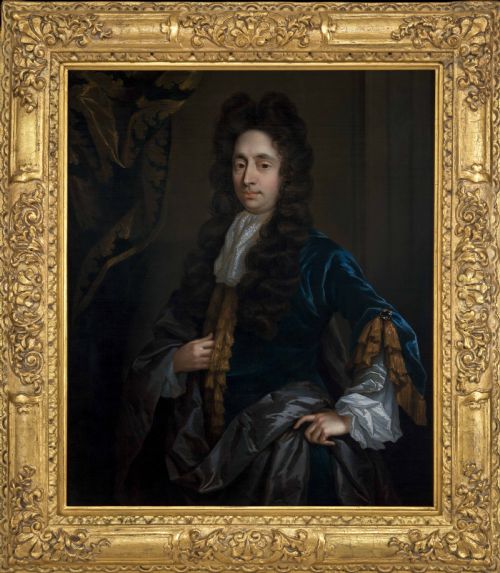
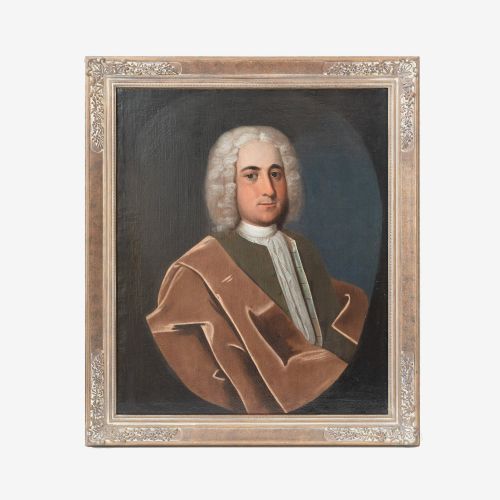
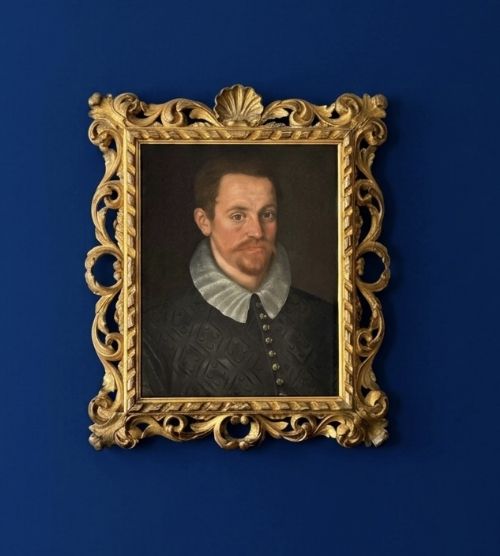
A canvas gentleman oil painting captures male sitters across the seventeenth, eighteenth and nineteenth centuries, ranging from stern military officers in armour to seated Victorian figures with walking canes.
The selections span distinct periods including the Regency and Georgian eras, executed by regional British schools, continental European artists and studio circles.
Subjects appear in formal court dress, academic robes or informal attire, providing an intimate visual record of historical identity and social standing.
How They Were Made
These works rely on oil paint applied to woven canvas supports, sometimes laid onto board or framed in heavy giltwood moulding.
Artists built up depth through layered glazes, depicting lace collars, velvet coats and armour using fine brushwork and natural pigments.
The archive includes portraits of military officers, merchants, judges and nobility painted by various British and European schools.
What Varies in Quality
The distinction between standard works and master creations rests upon the anatomical precision of hands and face, alongside the vitality captured in the sitter's expression.
Studio output and follower pieces differ from primary signed works by accomplished portraitists in the liveliness of drapery and background detail.
Charles Jervas·Jean Baptiste Van Loo·Sir Godfrey Kneller·Constantyn Netscher·Lemuel Francis Abbott·Mary Beale·Thomas Murray·John Scougall·John Greenhill·John Closterman·Allan Ramsay·William Beechey·James Howe·John Michael Wright·Sir Joshua Reynolds·Michael Dahl·Enoch Seeman·Thomas Hudson·Sir Peter Lely
The Canvas Gentleman Oil Painting Glossary
- Periwig
- A voluminous artificial hairpiece popular among gentlemen during the late seventeenth and early eighteenth centuries.
- Cravat
- A neck cloth or band of fabric worn around the neck, evolving from lace ruffs to silk ties in historical portraits.
- Studio of
- A term indicating a work produced under the direct supervision and in the workshop of a recognised master.
- Circle of
- An attribution used when a painting shows the distinct influence and contemporaneous style of a specific named artist.
- Giltwood
- Timber carved and coated with a thin layer of gold leaf, commonly found on period frames housing these portraits.
Canvas Gentleman Oil Painting: Frequently Asked Questions
How do I date an antique portrait?
Dating relies heavily on the sitter's costume, such as periwigs, lace cravats, armour or military uniforms which shifted rapidly across decades. Hair styles, framing types and canvas preparation also offer strong chronological clues.
Secondary evidence often appears in old inscriptions, artist signatures or handwritten labels attached to the reverse of the stretcher bars.
What is the difference between studio and primary works?
A primary work is executed entirely by the named master's own hand, while studio pieces are completed by assistants under their direct supervision. Both hold historical value, though primary examples command greater art-market recognition.
Workshop productions often replicate popular poses of prominent statesmen or military figures for wider distribution.
How should I hang an oil portrait?
Hang these canvases away from direct sunlight and fluctuating heat sources to protect the oil paint and canvas fibres from cracking. Secure them using sturdy picture hooks rated well above the weight of the heavy giltwood frames.
Positioning them at eye level in a study, library or hallway allows the viewer to engage directly with the gaze of the sitter.
Why do some portraits depict men in armor?
Armour in seventeenth and eighteenth-century portraiture served as an aristocratic status symbol rather than practical battle wear. It denoted martial prowess, noble lineage and a family's historical involvement in military campaigns.
Even sitters who were primarily politicians or landowners frequently chose this heroic guise for formal representation.