
Canvas Child Portrait Painting
A canvas child portrait painting captures the distinct character of youth through historical oil mediums and traditional framing.
Canvas Child Portrait Painting
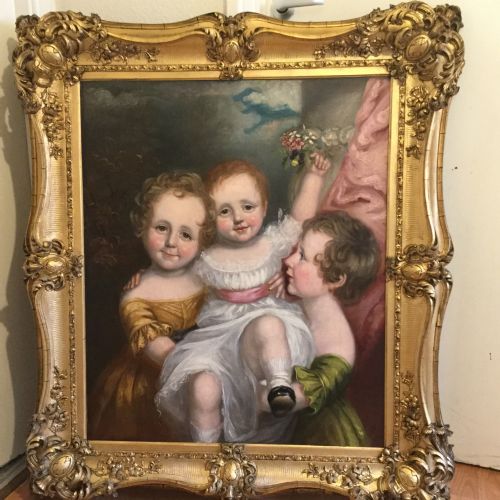
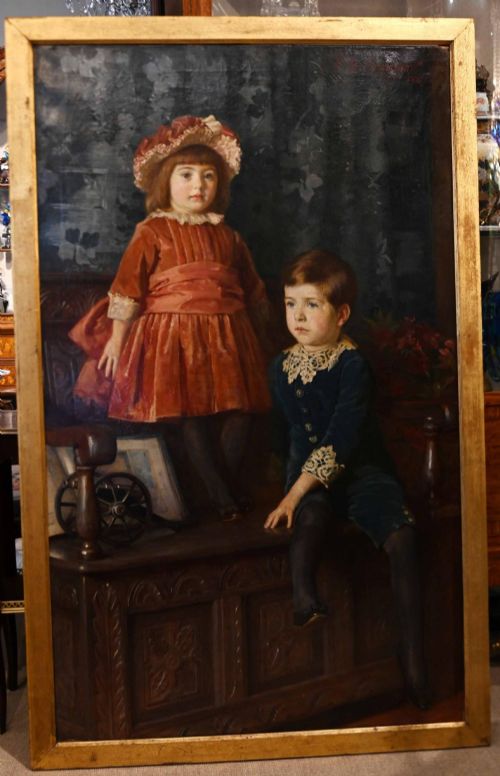
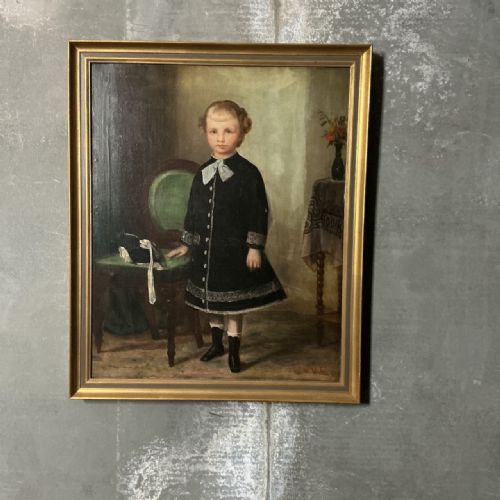
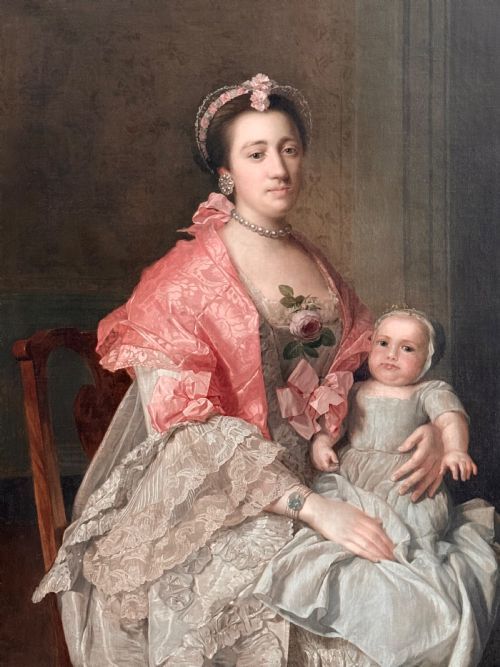
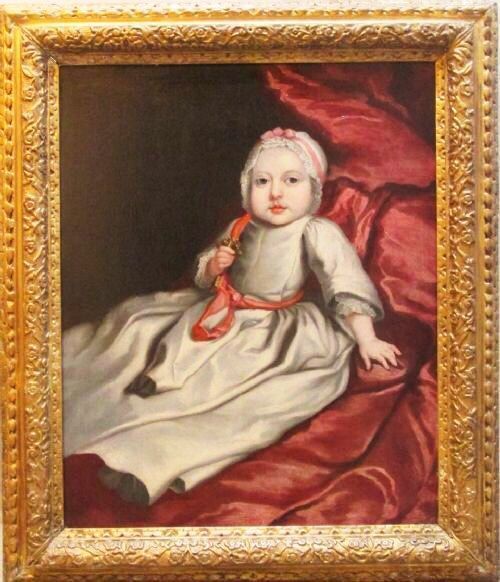
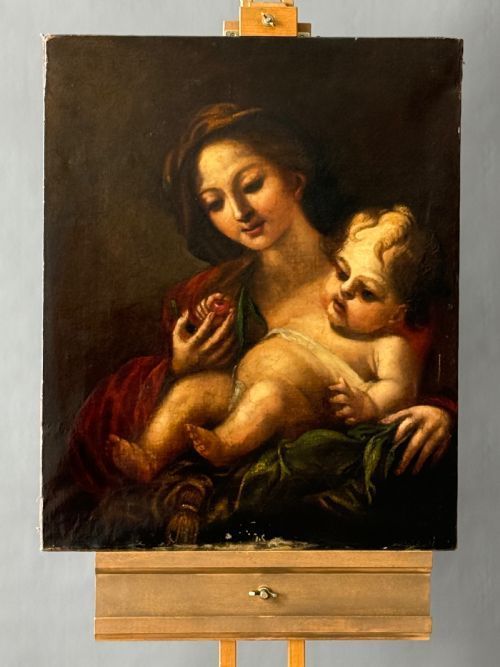
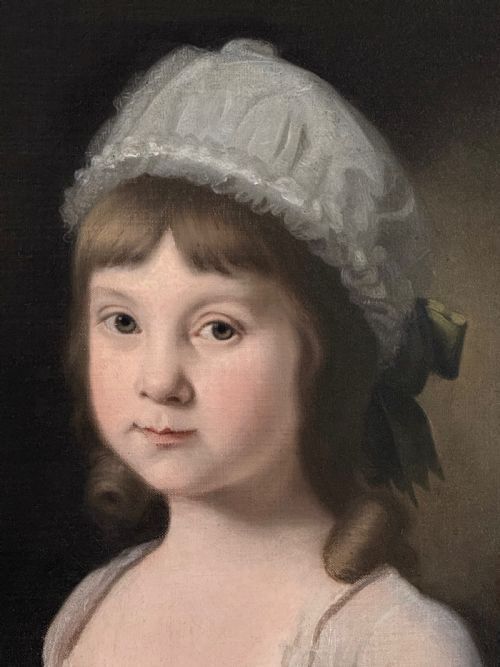
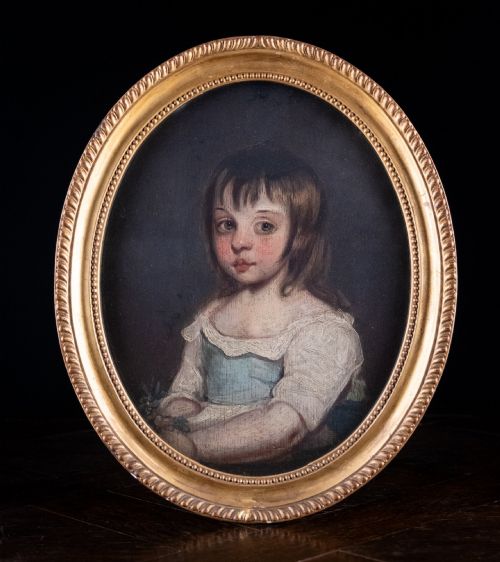
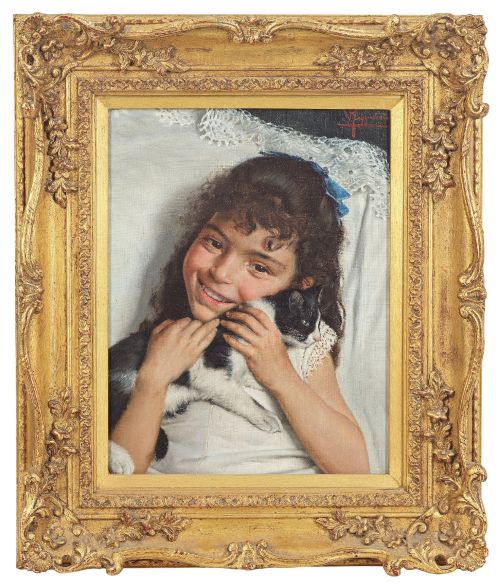
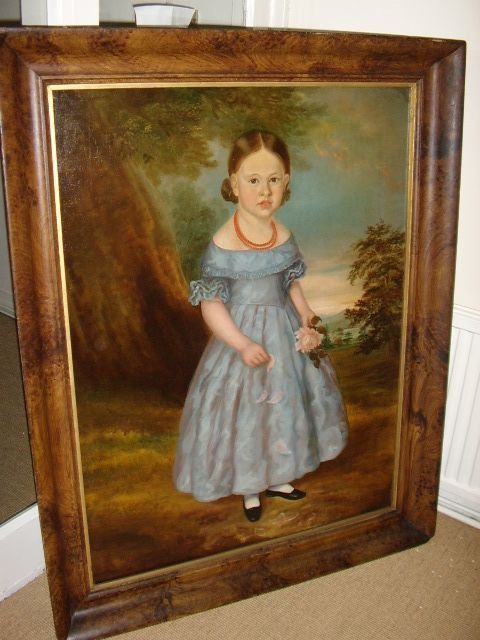
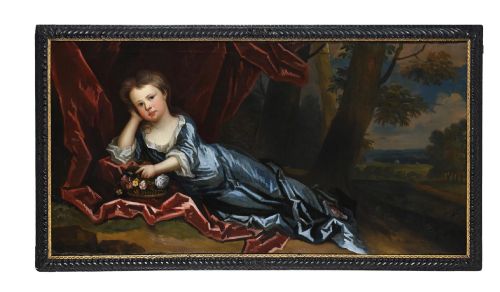
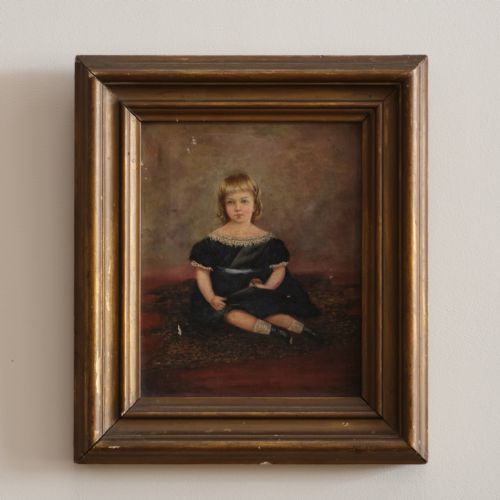
A canvas child portrait painting represents historical depictions of youngsters, ranging from grand aristocratic commissions to intimate domestic depictions. Buyers searching for a canvas child portrait painting will discover works originating from centuries of European and British artistic tradition, spanning the sixteenth century through the Edwardian era.
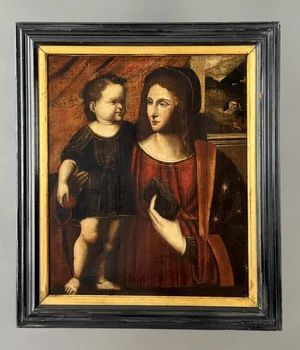
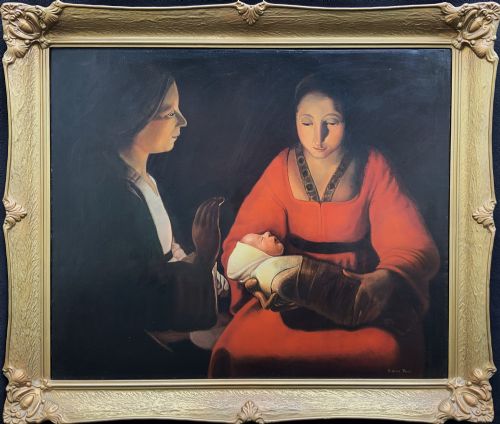
The selections on this page heavily feature eighteenth and nineteenth-century examples alongside earlier Renaissance-influenced devotional compositions of mothers and children. These artworks encompass naive folk art pieces, regional British schools, and grand tour acquisitions depicting young subjects in period attire.
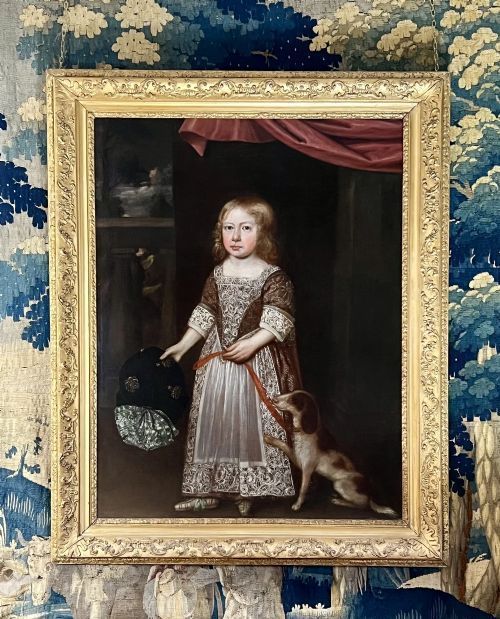
Subjects appear individually or alongside siblings, pets, and symbolic objects, rendered within original wood and gesso frames. This category preserves both formal studio output and charming provincial records of childhood across multiple historic eras.
Materials and construction
Artists historically applied oil paints directly onto stretched woven canvas supports, utilising rich pigments bound in drying oils. These foundational canvases frequently retained their original stretchers, providing the structural tension necessary for centuries of pigment preservation.
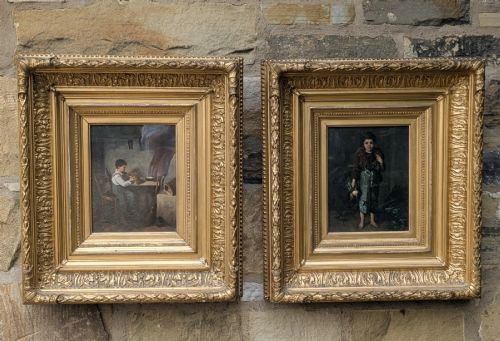
Surrounding frames typically consist of carved wood ornamented with moulded gesso, often finished in gold leaf or giltwood highlights. These frames formed an integral part of the presentation, protecting the perimeters of the canvas while enhancing the visual depth of the artwork.
Assessing quality in historical portraits
Superior examples demonstrate confident handling of facial anatomy, light, and fabric drape, whereas lesser works rely on stiff proportioning and flat application. The nuance in capturing expression and the natural posture of a young subject distinguish master studio output from routine provincial production.
The survival of original surface varnish, minimal structural intervention on the canvas, and matching period gilt frames elevate the standing of a piece. Condition of the underlying support and the clarity of the brushwork directly influence the aesthetic success of the composition.
Joshua Reynolds·Allan Ramsay·Michael Dahl·Joseph Highmore·Arthur William Devis
The Canvas Child Portrait Painting Glossary
- Gesso
- A plaster-like mixture applied to wood frames as a smooth base before gilding. This material allows artisans to carve intricate relief decoration around the perimeter of the painting.
- Old Master
- A term describing European painters of high skill working before the nineteenth century. These practitioners established foundational compositional standards for portraiture.
- Naïve art
- Artwork produced by individuals lacking formal academic training, prioritising direct expression over strict perspective. These pieces offer charming records of historical domestic life.
- Oleograph
- A mechanical chromolithographic reproduction textured to imitate an oil painting on canvas. Popular in the Victorian era, these prints brought famous imagery into middle-class homes.
- Provenance
- The documented history of ownership associated with a work of art. Clear provenance helps verify the attribution and age of historical canvases.
Canvas Child Portrait Painting: Frequently Asked Questions
How do I date a child portrait?
Dating relies heavily on the clothing styles of the young subjects, the preparation of the canvas, and the construction methods of the accompanying wooden frame. Clues from historical hairstyles and accompanying objects provide additional chronological markers.
Examinations of stretcher bars and nail types on the reverse further assist in narrowing the decade of creation.
What is the difference between studio and school works?
Works attributed to a studio indicate production by trained assistants working directly under the supervision of a master artist. School attributions describe later artists working within the distinct regional style of a master without direct instruction.
Both categories reflect the prevailing aesthetic standards of their specific historical period.
Why do many portraits feature animals?
Animals such as dogs, birds, or lambs served as symbolic representations of innocence, loyalty, or gentle temperament in juvenile portraiture. Wealthy families also included pets to display domestic status and prosperity.
These elements helped animate the composition and kept young subjects engaged during lengthy sitting sessions.