




Canvas Board Painting
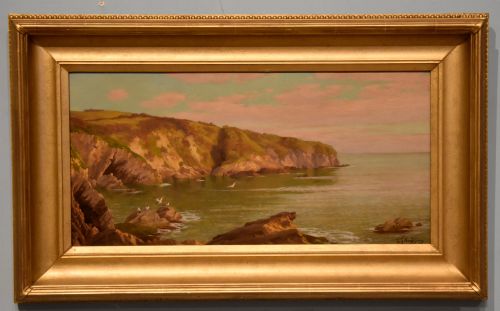
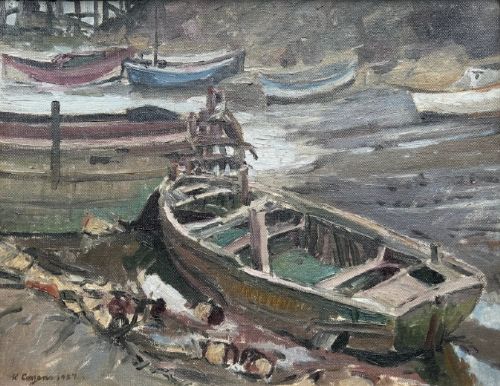
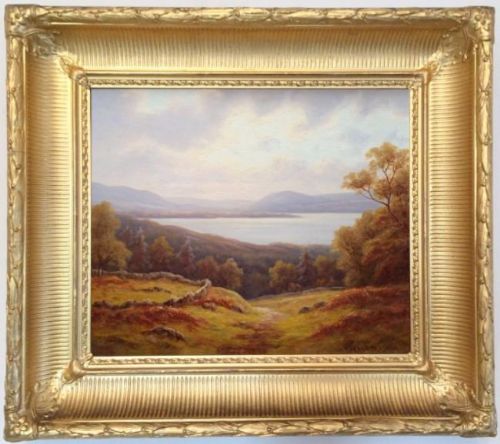
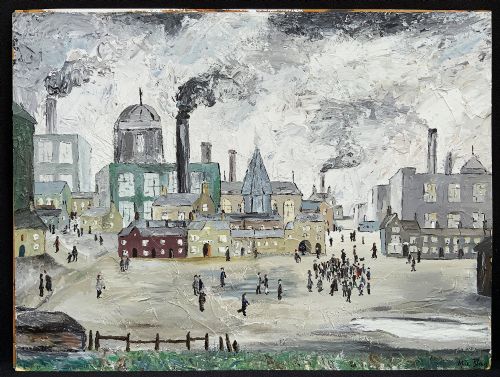
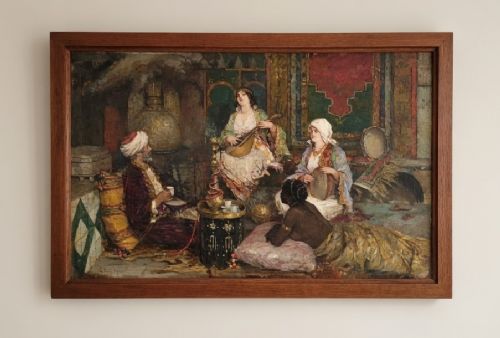
A canvas board painting brings portable texture and immediate brushwork into a room, offering the permanence of oil paint on a rigid, durable support.
Canvas Board Painting
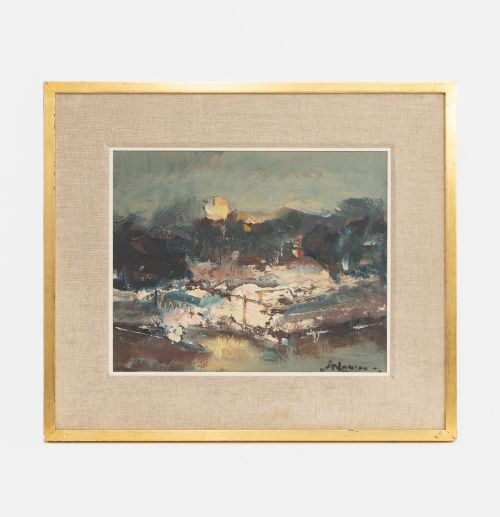
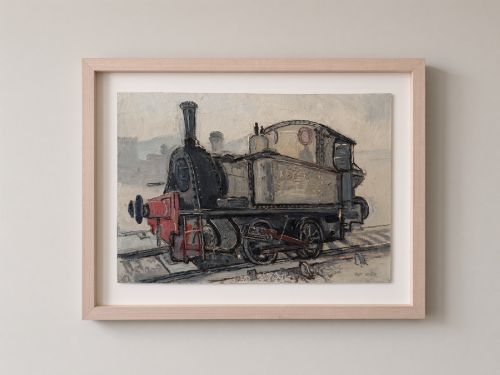
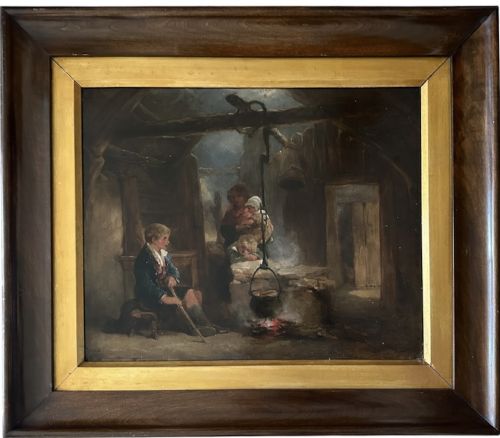
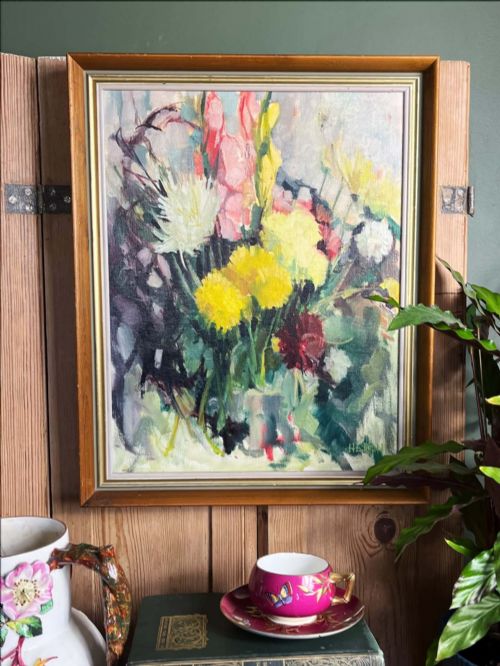
A canvas board painting combines the receptive tooth of woven fabric with the stability of a rigid backing, making it a favoured format for plein air sketching and finished studio works alike. When searching for a canvas board painting, collectors encounter pieces spanning the nineteenth century through the mid twentieth century, including Victorian genre scenes, Edwardian still lifes, and mid-century abstracts.
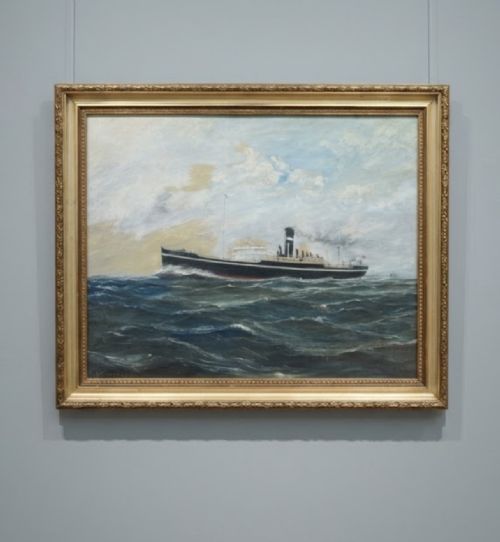
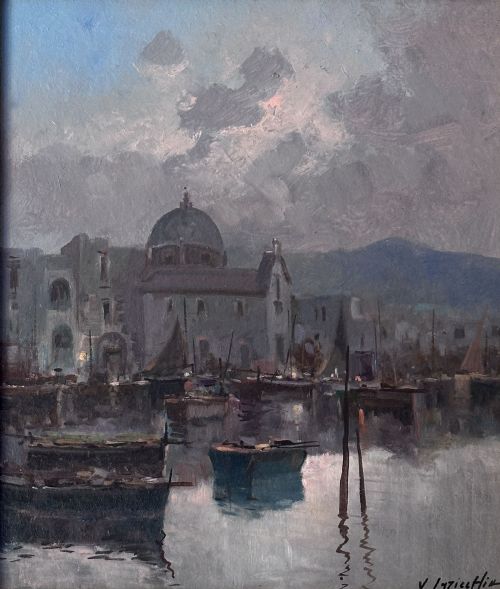
The format encompasses diverse regional movements, from Scottish impressionism and British naive art to continental landscapes and maritime views. Works frequently take the form of direct oil applications on board, or historic canvases later laid down onto wooden panels for preservation.
Materials and Construction
Makers built these works using oil paint applied to prepared wooden boards, heavy card, or repurposed canvas subsequently laid onto rigid supports. The surface often received a priming layer of gesso or lead white to control absorbency before the artist laid down pigments with brushes or palette knives.
Framing typically involved gilt or moulded wood surrounds that protected the edges of the board while complementing the tonal depth of the oil pigments and occasional gold leaf embellishments.
Canvas Board Painting Retail Price Guide 2026
Typical asking prices for canvas board painting among the pieces listed under this phrase on Sellingantiques today, from the lower quarter to the upper quarter. They describe what is for sale here now, not the wider market.
Several artists preferred painting small coastal scenes on whatever sturdy scrap board came to hand before breakfast.
Distinguishing Quality
Quality rests in the confidence of the brushwork and the handling of light, distinguishing hurried academic exercises from resolved compositions by accomplished hands. The integration of impasto texture and the preservation of the pigment layer without excessive surface cracking determine the overall integrity of the piece.
George Whitton Johnstone·Colin Graeme Roe·George Smith·Fred Yates·Erich Mercker
The Canvas Board Painting Glossary
- Oil on board
- A painting technique where oil colours are applied directly to a rigid wooden or cardboard support rather than stretched fabric. This method provides a firm, unyielding surface that painters often utilised for outdoor studies.
- Canvas laid on board
- A conservation method or studio practice where an existing canvas painting is permanently adhered to a flat wooden or composite backing. This procedure stabilises fragile or damaged fabric supports against sagging.
- Impasto
- Paint applied in thick, prominent layers that stand proud of the surface and retain the distinct marks of the brush or palette knife. It adds tangible physical depth and varied light reflection to a composition.
- Gilt frame
- A decorative wooden enclosure finished with a thin layer of gold leaf or metallic paint. These surrounds provide structural boundary and visual enhancement to traditional oil paintings.
Canvas Board Painting: Frequently Asked Questions
What is a canvas board painting?
A canvas board painting is an artwork created with oil pigments applied to a rigid backing, such as prepared wood or stiff card, rather than a stretched textile frame.
This format offers durability and portability, making it a popular choice for artists working outdoors or producing intimate studio studies across various historical periods.
How should I display a canvas board painting?
These works are best housed in traditional wooden or gilt frames that protect the vulnerable edges of the board from knocks and environmental shifts.
Keep them away from direct sunlight and excessive humidity to preserve the stability of both the rigid support and the oil paint layer.
How do I date an antique painting on board?
Dating relies on examining the material composition of the backing board, the style of the framing, and the specific characteristics of the pigment and brushwork.
Signatures, stamps from artist material suppliers, and stylistic movements like mid-century abstraction or Victorian realism also offer reliable chronological markers.
Why did artists paint on board instead of canvas?
Boards provided a rigid, immediate surface that required no complex stretching and could easily be packed into travel sketching cases for outdoor painting.
They also offered a smooth or lightly textured ground that resisted the punctures and slackening associated with traditional stretched fabric.