

Caned Wood Chair
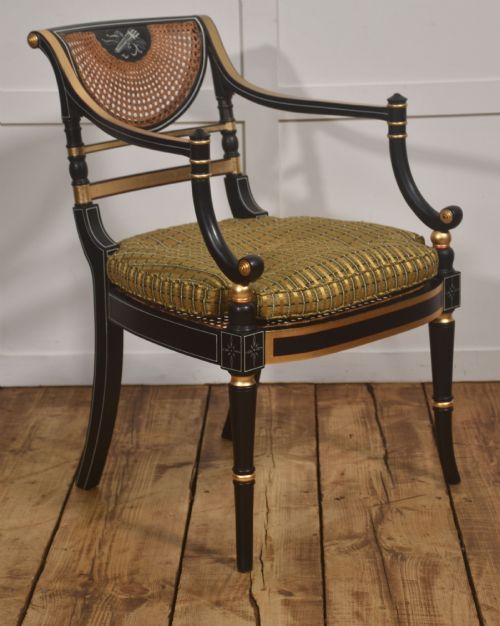
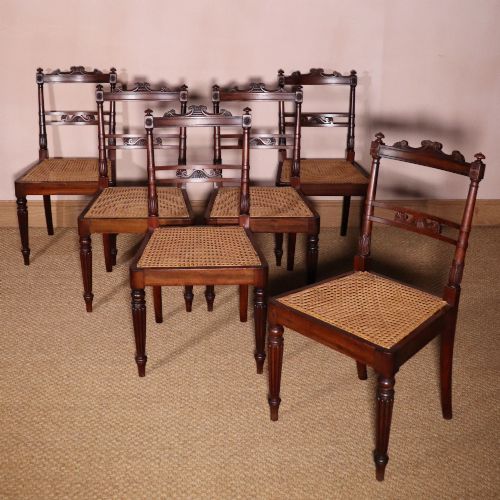
A caned wood chair brings light seating and woven texture to a room, spanning styles from Regency dining sets to Carolean revivals.
Caned Wood Chair
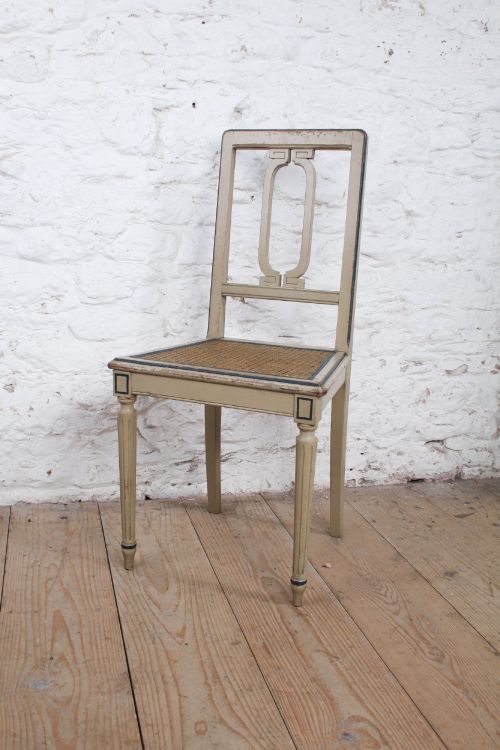
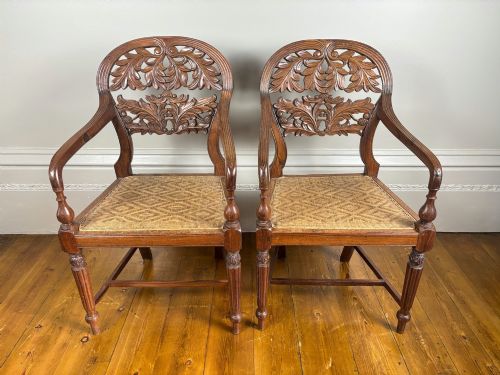
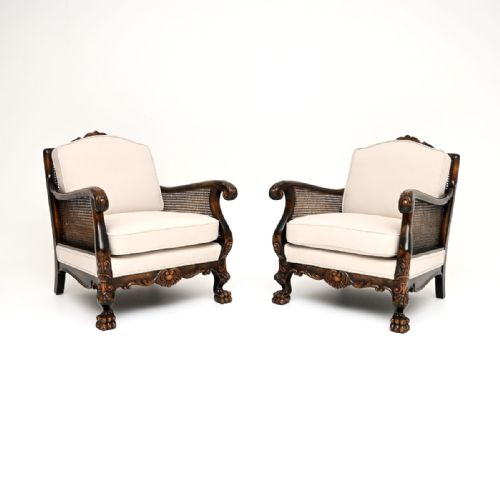
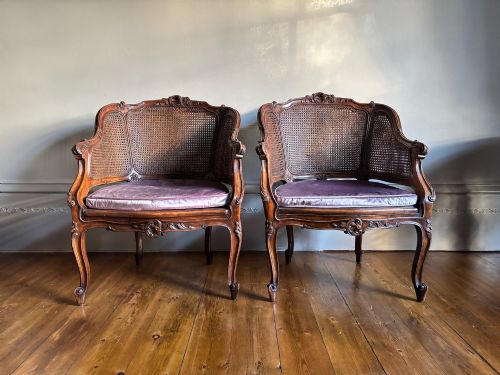
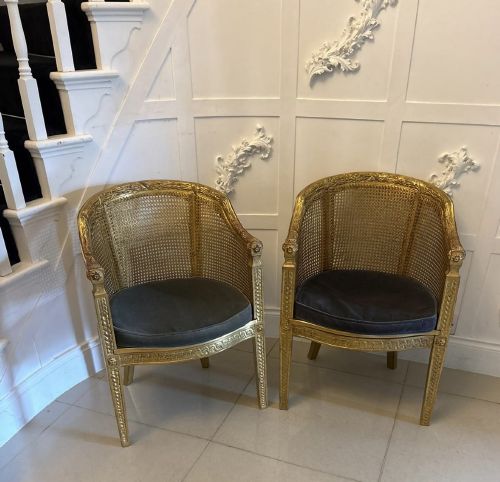
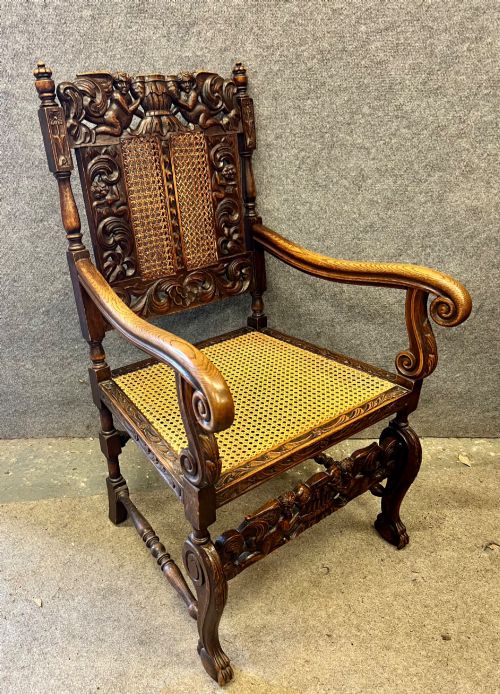
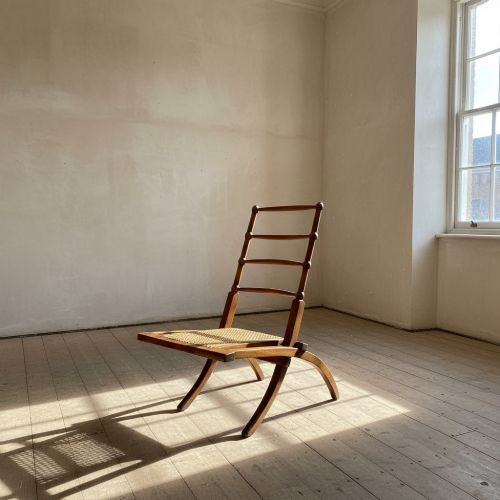
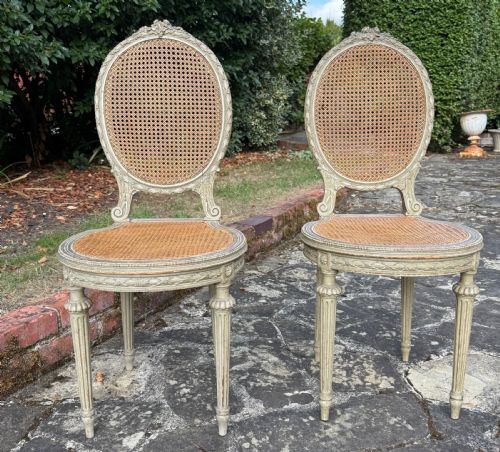
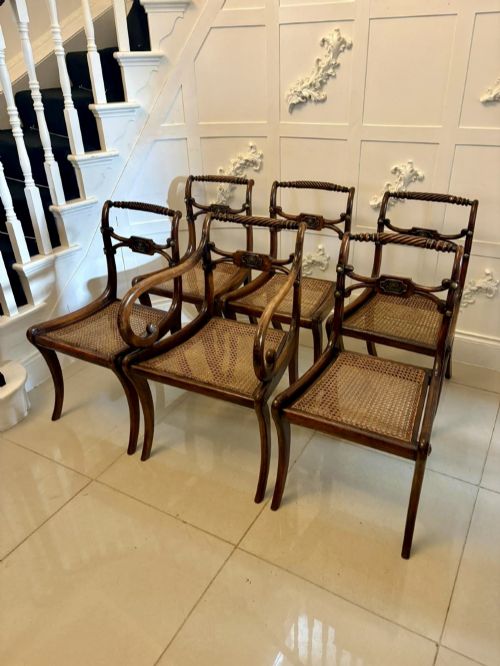
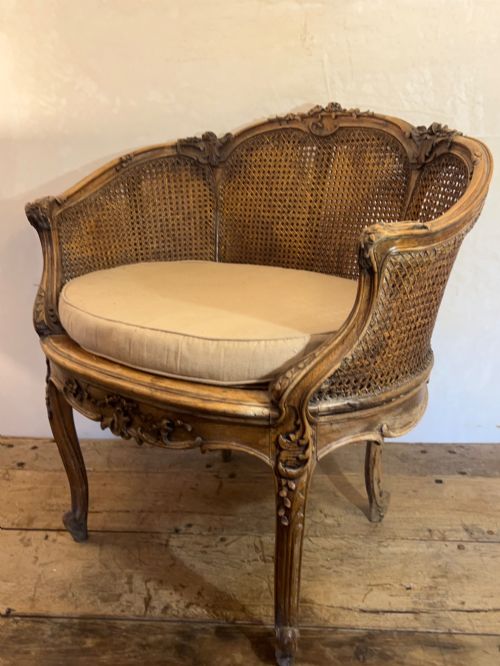
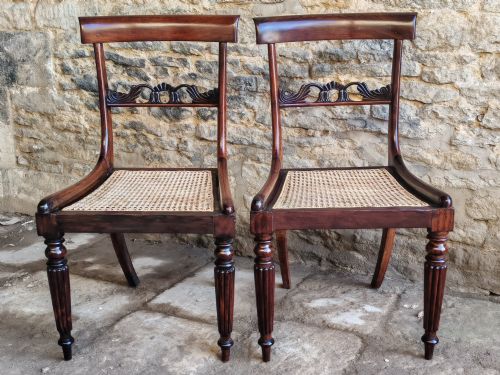
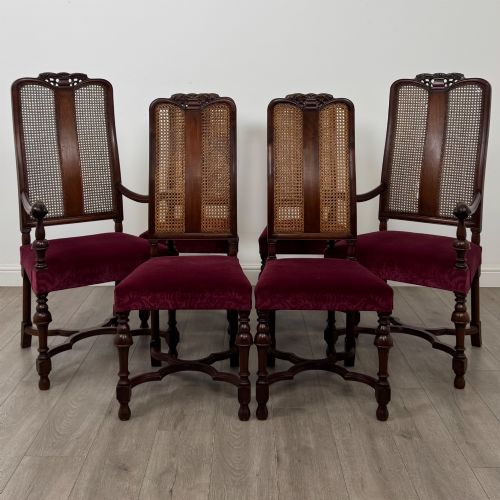
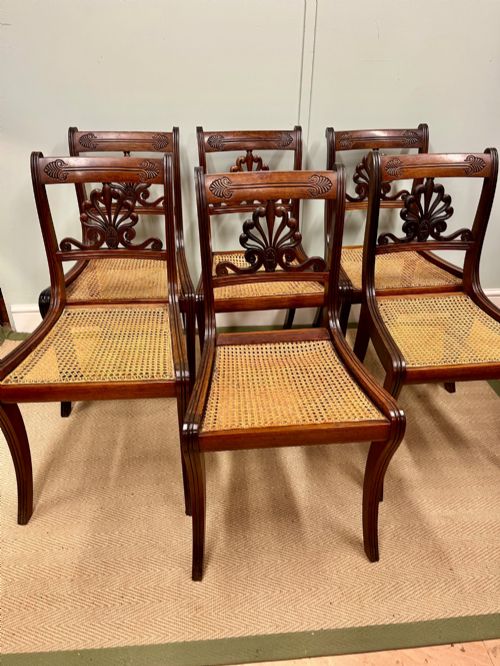
Every caned wood chair on this page combines a wooden frame with woven cane panels for seats or backs, appearing across armchairs, dining chairs, side chairs, rocking chairs, benches, and hall chairs. A buyer is most likely to meet 19th Century and Edwardian examples, alongside Regency sets and pieces styled after Louis XV, Louis XVI, and Carolean models.
The selections range from simple bedroom chairs and window seats to formal dining sets and library armchairs. Origins span English workshops, French ateliers, and colonial production in Ceylon and India, utilising exotic timbers alongside native oak and mahogany.
Materials and construction
Frames rely on timbers such as mahogany, walnut, rosewood, oak, satinwood, and ebony, sometimes finished with paint, giltwood, or simulated rosewood graining. Cabinetmakers shaped solid wood and bentwood components using traditional joinery, incorporating brass inlay or elaborate carved detail on revival and colonial pieces.
Cane panels are woven from split rattan through holes drilled in the wooden frame, creating a flexible and breathable surface. This textile technique allows both seats and backs to remain lightweight yet supportive, often complemented by velvet upholstery on squab cushions.
Caned Wood Chair Retail Price Guide 2026
Typical asking prices for caned wood chair among the pieces listed under this phrase on Sellingantiques today, from the lower quarter to the upper quarter. They describe what is for sale here now, not the wider market.
A solitary rocking chair arrives ready to sway through the decades, bridging Victorian parlor comfort with early bentwood innovation.
Design and execution
The standard of a caned wood chair rests on the crispness of the wood carving, the selection of figured or exotic timber, and the precision of the cane weaving. Finer pieces demonstrate balanced proportions and coherent stylistic influences, whether interpreting French neoclassical lines or English Regency forms.
Makers achieved distinction through thoughtful details like brass inlay, turned bobbin work, or delicate painted decoration on satinwood. Secondary woods, joinery stability, and the harmonious integration of the cane work with the carved frame distinguish standard production from exceptional examples.
E.W Godwin·James Shoolbred
The Caned Wood Chair Glossary
- Cane
- Split rattan woven into patterned mesh for chair seats and backs. It provides a resilient, lightweight surface that requires careful tension.
- Bergere
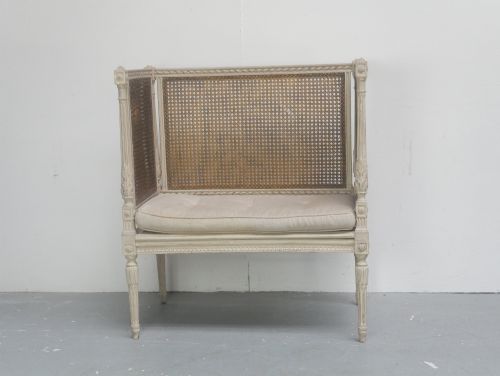
- An enclosed upholstered armchair with wooden sides and a cane back or panels. They frequently feature loose squab cushions.
- Carolean
- A 17th-century style revived in later periods, characterised by rich walnut frames and elaborate scrollwork. Chairs from this tradition display deep carving.
- Gonçalo Alves
- A dense exotic hardwood with striking figuring, utilised in Regency dining furniture. It provides a dark, durable alternative to standard mahogany.
- Padouk
- A heavy tropical timber favoured in Anglo-Indian furniture production. It accepts intricate hand carving while maintaining structural stability.
Caned Wood Chair: Frequently Asked Questions
How do I care for cane seats?
Keep caned panels slightly hydrated by wiping them occasionally with a damp cloth to prevent the rattan from becoming brittle.
Avoid placing these chairs near direct heat sources, and distribute weight evenly by using appropriate squab cushions where provided.
Are these chairs suitable for daily dining?
Many sets were designed specifically for dining use, featuring sturdy hardwood frames and supportive upright backs.
Lighter bedroom or side chairs suit occasional sitting rather than prolonged family meals.
How do I identify a revival style?
Revival pieces borrow decorative vocabulary from earlier centuries, such as Carolean scrollwork or Louis XV curves, executed with later manufacturing methods.
Examination of the timber age, construction marks, and tool traces helps separate original period items from later interpretations.
What is a campaign chair?
Campaign chairs were built to fold or dismantle for easy transport by travellers and military officers during the 19th century.
They utilise clever hinges and robust timbers to combine portability with domestic comfort.