

Caned Seating
Caned seating brings woven texture and light timber frames into a room, offering practical elegance through centuries of traditional craftsmanship.
Caned Seating
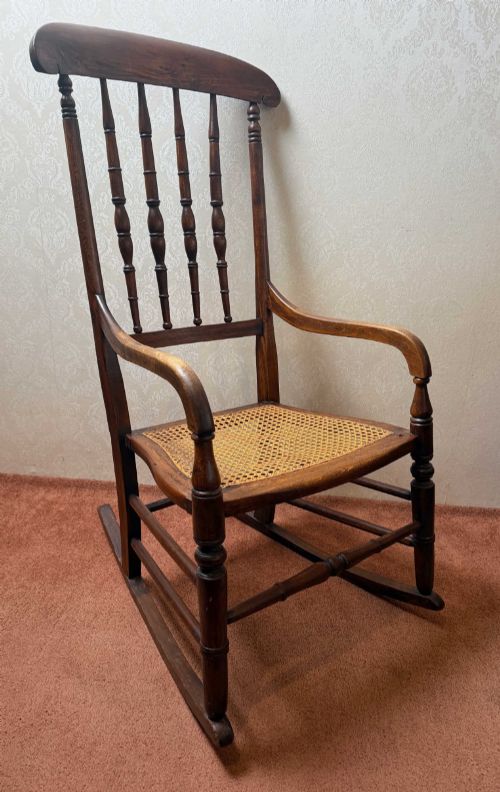
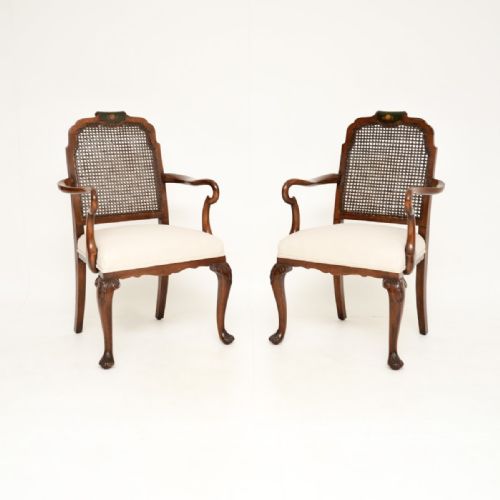
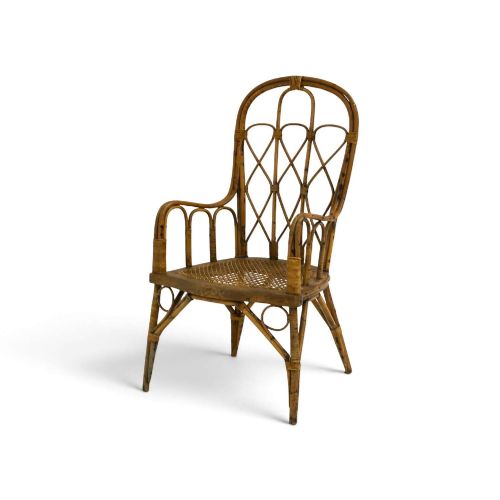
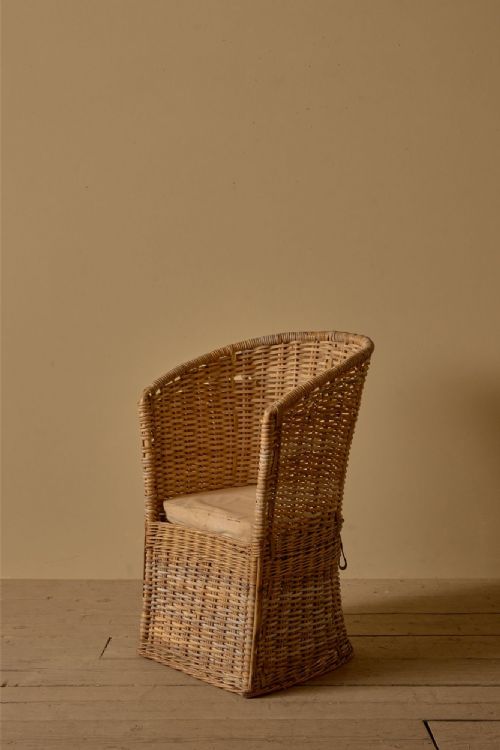
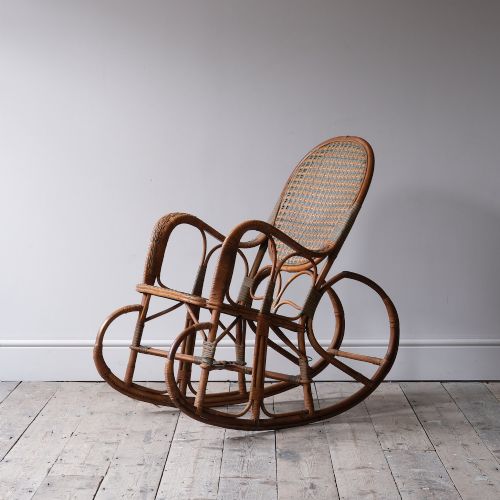
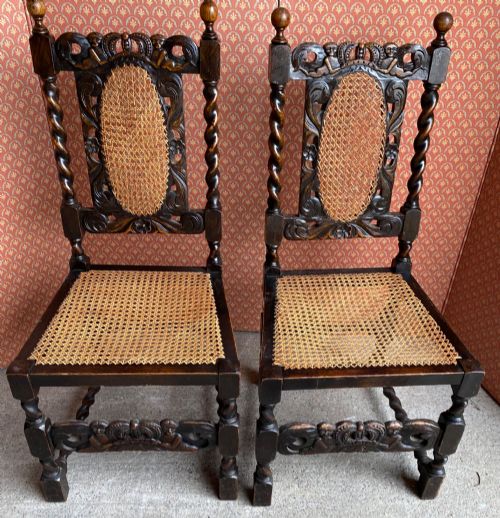
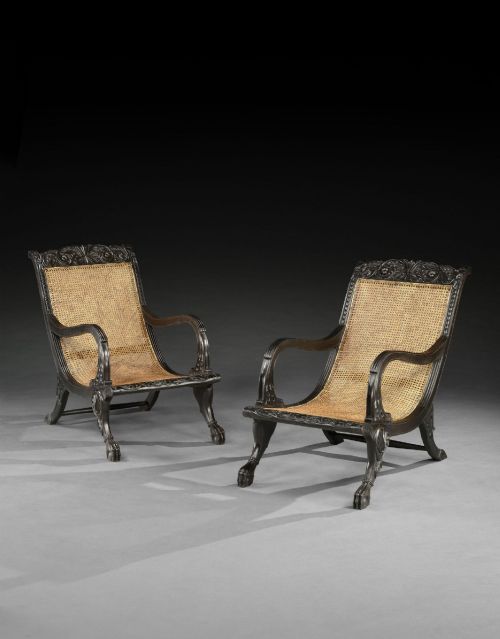
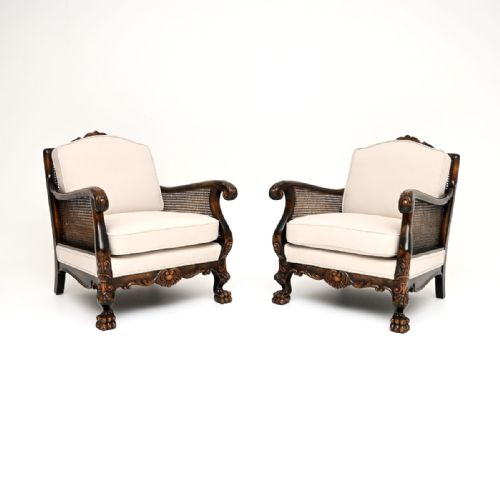
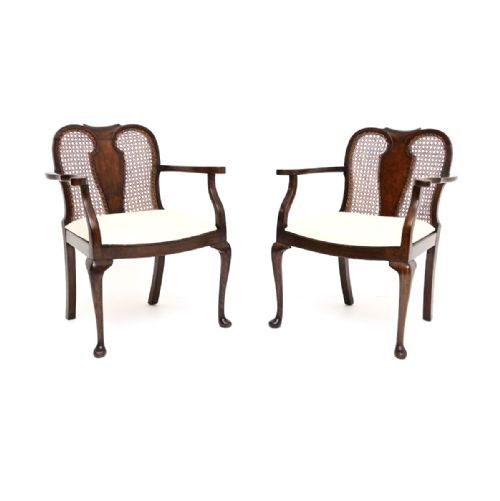
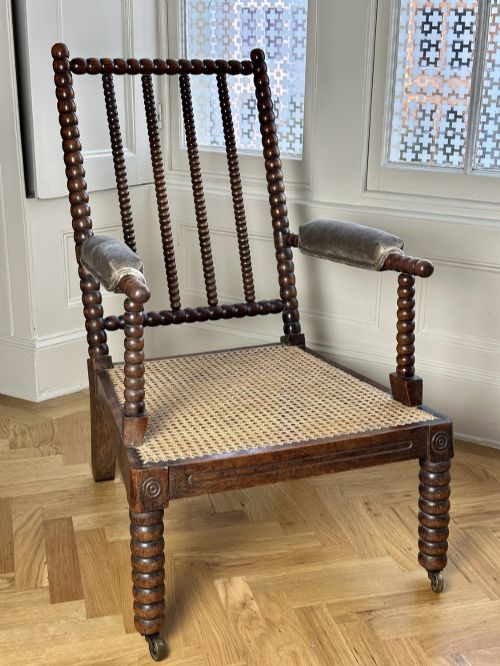
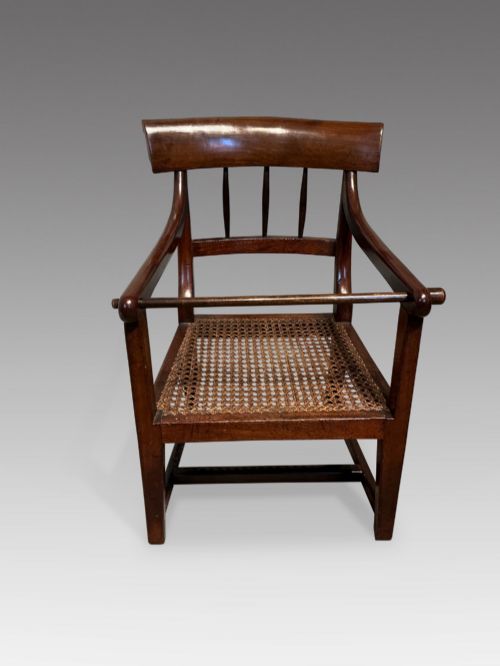
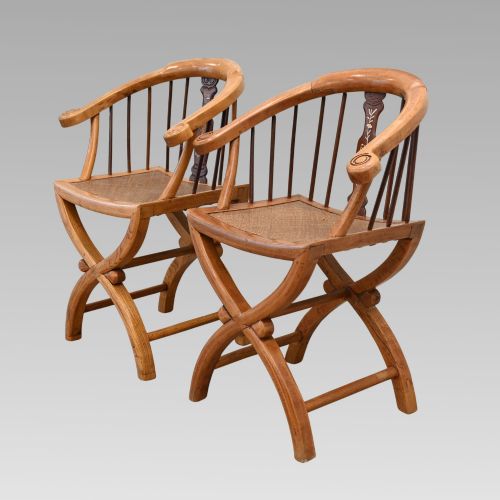
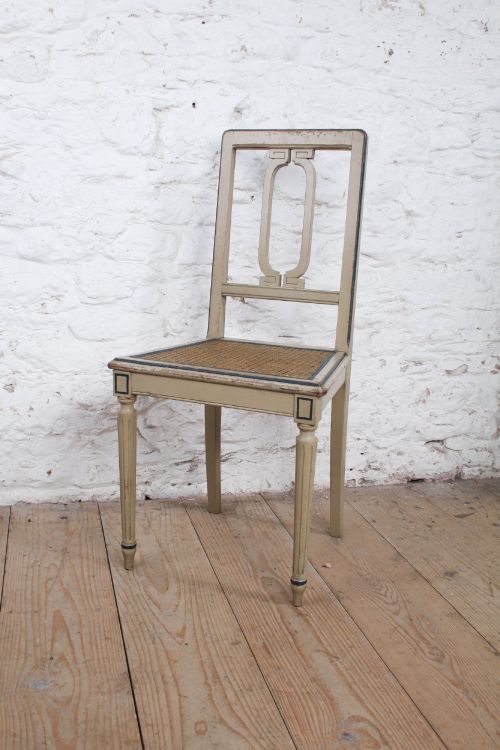
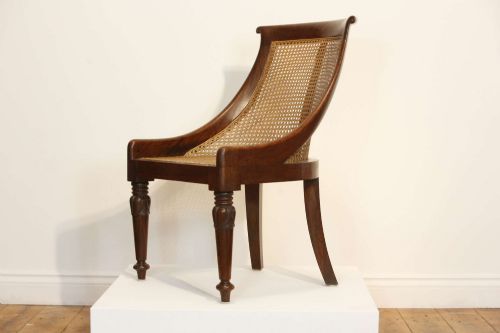
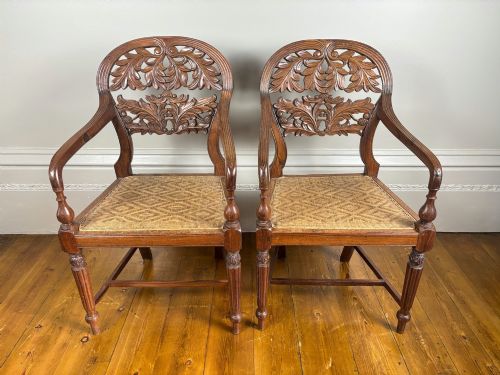
Caned seating encompasses a wide array of chairs, armchairs, bergere suites, and benches designed for dining, drawing rooms, and libraries. Buyers seeking these pieces encounter items ranging from Regency dining sets to Edwardian bamboo shooting sticks and Victorian rocking chairs.
Origins stretch from the 18th century through the 19th century and into the early 20th century. Armchairs and dining suites dominate the form, combining sturdy wooden structures with flexible woven seating areas.
Construction and materials
Makers built the foundational frames using timber such as mahogany, oak, walnut, rosewood, and satinwood, occasionally accented with brass inlay, mother of pearl, or paint. Artisans shaped these woods into precise styles including Regency, Louis XVI, and Carolean revivals.
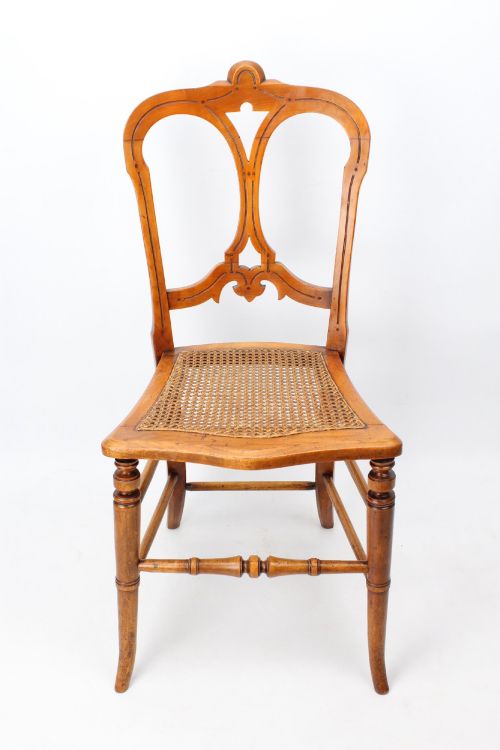
The signature woven panels utilise cane, threaded through drilled holes or channeled frames to create a supportive, resilient mesh. Additional comfort often arrives through loose cushions upholstered in fabric, velvet, or leather.
Caned Seating Retail Price Guide 2026
Typical asking prices for caned seating among the pieces listed under this phrase on Sellingantiques today, from the lower quarter to the upper quarter. They describe what is for sale here now, not the wider market.
Listings feature 19th century, Regency, and Edwardian periods utilising cane, mahogany, oak, and walnut across armchairs and dining sets.
Judging the standard
Quality rests in the precision of the timber framing and the tightness of the cane weave. Finer pieces demonstrate careful carving on mahogany, walnut, or giltwood frames alongside evenly tensioned natural cane work.
Distinction emerges in the historical fidelity of revival styles and the integration of decorative elements like brass inlay or painted details. Solid structural joints elevate an item above simpler utilitarian examples.
E.W Godwin
The Caned Seating Glossary
- Bergere
- An enclosed upholstered armchair with wooden framing and cane sides or backs. These seats often accommodate loose down or feather cushions for added comfort.
- Carver
- An armchair designed to match a set of dining side chairs, traditionally positioned at the head of a table. These pieces share the stylistic traits of the accompanying dining chairs.
- Caning
- A method of weaving peeled rattan or cane strips into a patterned mesh for chair seats and backs. This technique provides a flexible yet supportive surface.
- Trafalgar
- A Regency style of chair featuring sabre legs and distinct classical proportions. Such examples frequently date to the early 19th century.
Caned Seating: Frequently Asked Questions
How do I care for caned seating?
Keep woven cane panels lightly moisturised with a damp cloth to prevent the natural material from drying out and snapping under pressure.
Avoid placing these chairs in direct sunlight or next to intense heat sources, which can warp both the timber frames and the cane mesh.
Are these chairs suitable for daily dining?
Many sturdy mahogany and oak dining chairs were built specifically for everyday use around a table. Check the underlying frame and weave tension before committing them to heavy routine service.
Lighter giltwood salon chairs and delicate painted armchairs suit occasional sitting rather than robust daily dining.
How can I date a caned chair?
Examine the wood species, turning styles, and revival influences to narrow down the period. Mahogany and rosewood often point toward Regency or Victorian eras, while lighter satinwood and painted finishes frequently indicate Edwardian production.
Drilling patterns and the weave of the cane itself also offer clues regarding whether a piece belongs to the 19th century or later revivals.
What is a bergere chair?
A bergere is a French-style armchair featuring solid wooden arms and enclosed cane panels along the back and sides. These seats provide a deeper, more relaxed sit than standard dining chairs.
They frequently appear paired with feather or fabric cushions and decorative walnut or giltwood frames.