




Cane Top Table
These cane top table pieces bring together natural woven materials and classic timber frames for versatile placement in any room.
Cane Top Table
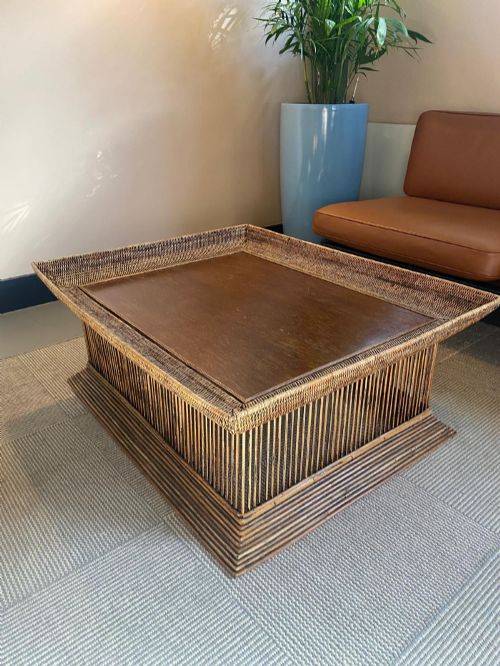
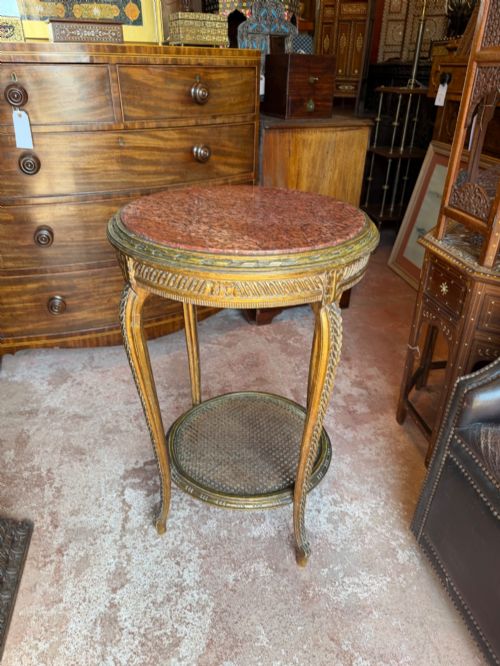
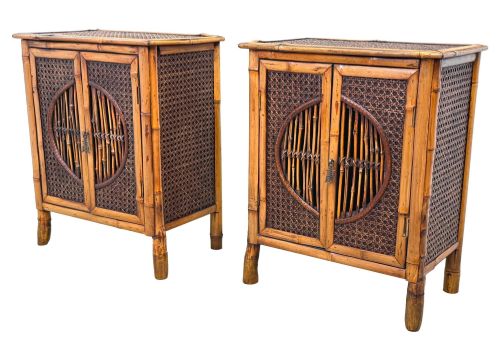
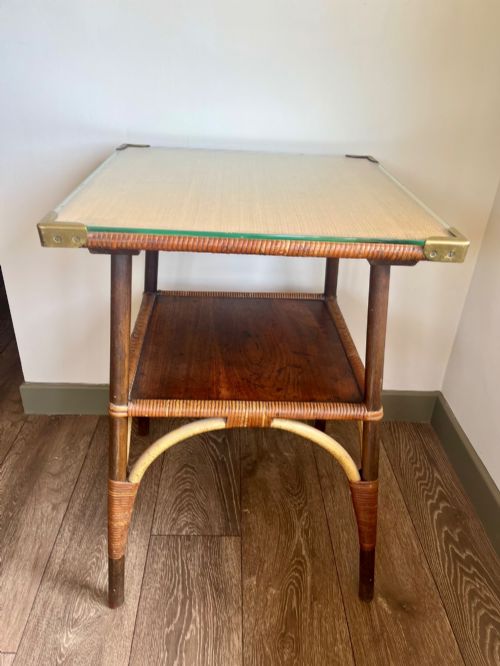
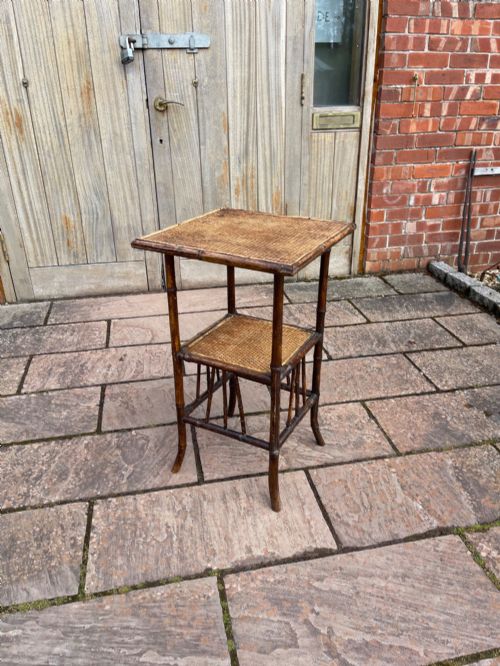
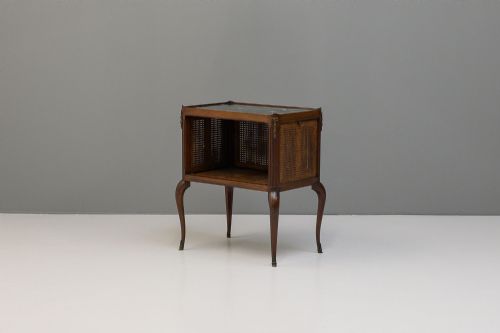
When you search for a cane top table, you find a variety of occasional furniture pieces featuring woven cane, rattan, or canework surfaces alongside wood, marble, and bamboo structures. The selection includes side tables, coffee tables, and occasional tables spanning the nineteenth century through the early twentieth century.
The aesthetic ranges from Victorian bamboo designs and Arts and Crafts pieces to French stylistic influences such as Louis XVI style, Regency, and Empire. These tables serve practical functions in sitting rooms and bedrooms while displaying traditional weaving and cabinetmaking techniques.
How they were made
Joinery methods reflect the period of origin, from hand-carved decorative elements on French pieces to steam-bent bamboo rods secured with natural bindings. The integration of woven surfaces requires precise tension across wooden or bamboo borders to ensure stability.
Cane Top Table Retail Price Guide 2026
Typical asking prices for cane top table among the pieces listed under this phrase on Sellingantiques today, from the lower quarter to the upper quarter. They describe what is for sale here now, not the wider market.
The inventory spans the nineteenth century, Victorian era, Edwardian period, and the early twentieth decades up to 1930.
What varies in quality
Quality differences emerge in the tightness and uniformity of the cane weaving, as well as the selection of primary timbers like solid mahogany or oak versus simpler secondary woods. Finer examples display meticulous hand-carving, well-fitted marble tops, and robust structural joinery that withstands daily use.
The integration of maker hallmarks or association with notable firms elevates certain pieces, distinguishing standard production items from workshop-specific designs. Preservation of original surface finishes and structural integrity without intrusive modern repairs also determines the standing of each piece.
Liberty & Co.·Dryad Leicester·Krieger of Paris
The Cane Top Table Glossary
- Canework
- A method of weaving cane or rattan strips into patterned surfaces, commonly utilised for chair seats and table panels.
- Gueridon
- A small French round table, frequently supported by a central column or three legs, appearing in various period styles.
- Etagere
- A set of open shelves for displaying small objects, often incorporating multi-tiered surfaces and decorative woodwork.
- Bamboo
- A woody grass utilised extensively for structural frames and decorative components, particularly in late nineteenth-century items.
- Aesthetic Movement
- A late nineteenth-century design current emphasising visual beauty over narrative content, often incorporating Japanese influences.
Cane Top Table: Frequently Asked Questions
How do I clean a cane top table?
Dust the woven surface regularly with a soft brush and wipe timber frames with a damp cloth.
Avoid excessive moisture on the cane to prevent the natural fibres from becoming brittle over time.
Can these tables support heavy lamps?
Most occasional tables and side tables handle standard lamps and decorative objects with ease.
Heavier items should be placed on tables featuring solid wood or marble inserts rather than purely woven surfaces.
How do I date a bamboo table?
Examine the joinery methods and the type of fixings used to secure the bamboo rods together.
Late nineteenth-century and early twentieth-century pieces often display specific binding techniques and patination on the natural materials.
Are French and English tables different?
French examples frequently incorporate decorative carving, painted finishes, and marble tops reflecting regional stylistic periods.
English designs often lean towards bamboo constructions, mahogany occasional furniture, or Arts and Crafts simplicity.