

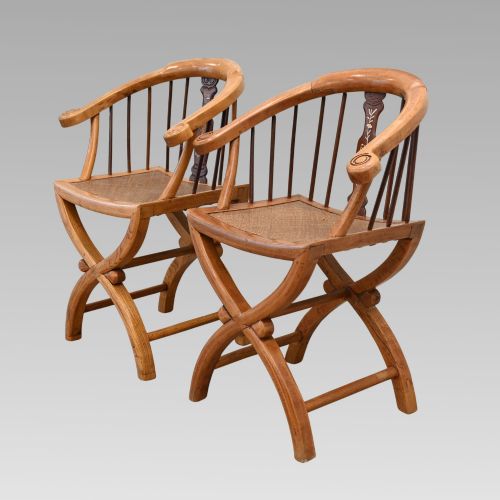
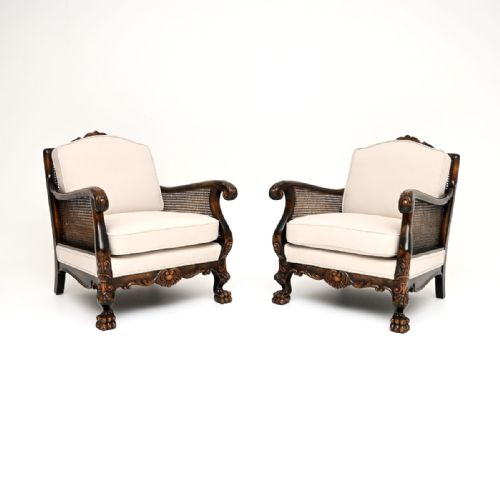
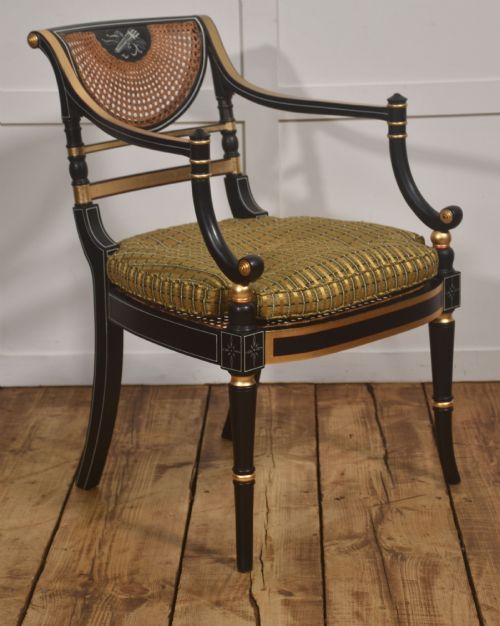

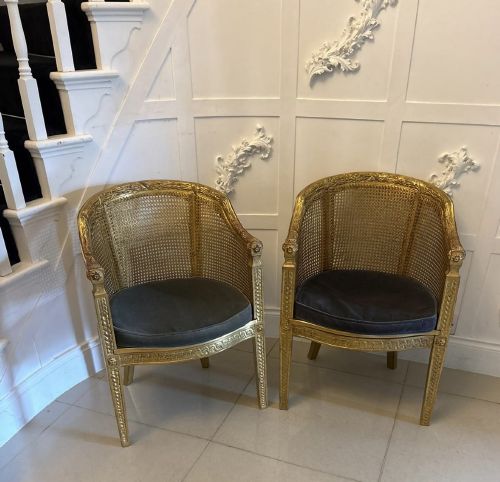
Cane and Wood Armchair
These cane and wood armchairs bring texture and robust construction into a room, offering comfortable seating shaped by centuries of woodworking traditions.
Cane and Wood Armchair
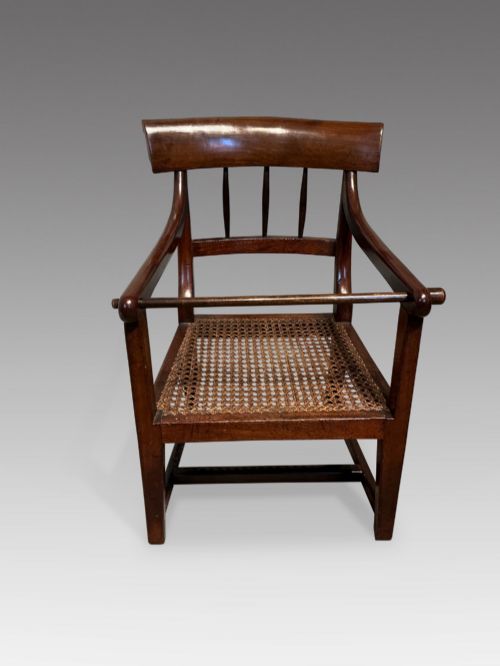
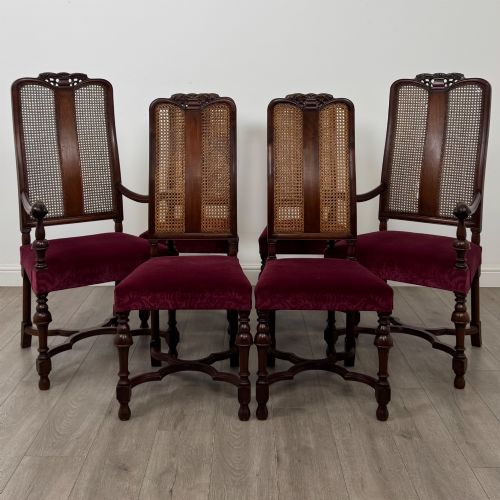
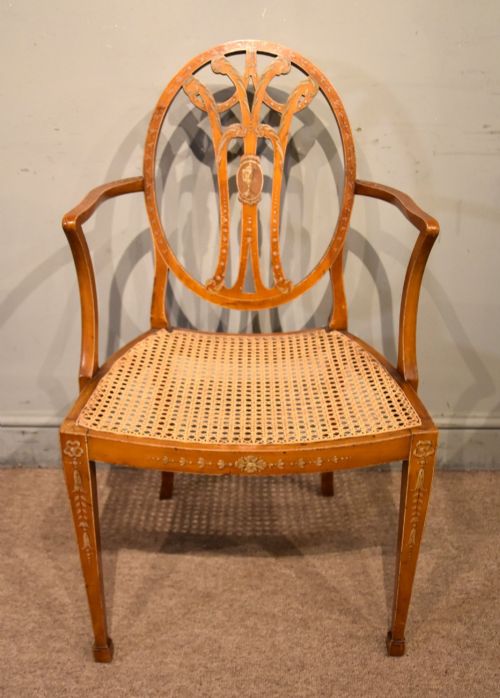
A cane and wood armchair combines a sturdy timber frame with woven panels for the back or seat, creating a resilient piece of seating. The pieces listed span centuries of craftsmanship, ranging from simple vernacular forms to elaborate revival designs.
Buyers will encounter various incarnations on this page, including library armchairs, rocking chairs, and dining chairs. The selection stretches across multiple periods from the seventeenth century through to the twentieth century, alongside regional variants.
Origin and period dictate the character of each piece, whether it follows the sweeping lines of Regency models or the substantial carved frames associated with Carolean and Jacobean styles. This diversity provides options for both formal reception spaces and relaxed sitting rooms.
Distinctions in quality
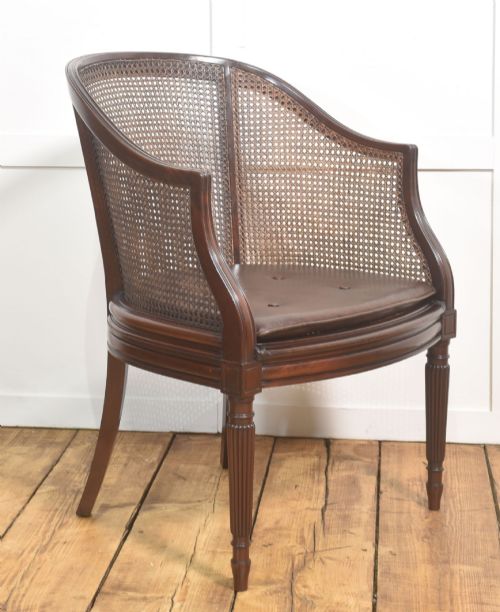
Quality rests upon the crispness of the timber carving and the integrity of the joinery used to assemble the structural frame. Superior examples demonstrate thoughtful proportion and balanced weight, whether executed in solid mahogany, ebony, or decorative giltwood.
The fineness of the cane weaving and the preservation of original painted or polished surfaces elevate a piece. Master execution shows in the seamless integration of woven panels within the wooden chassis and the retention of authentic decorative schemes.
Cane and Wood Armchair Retail Price Guide 2026
Typical asking prices for cane and wood armchair among the pieces listed under this phrase on Sellingantiques today, from the lower quarter to the upper quarter. They describe what is for sale here now, not the wider market.
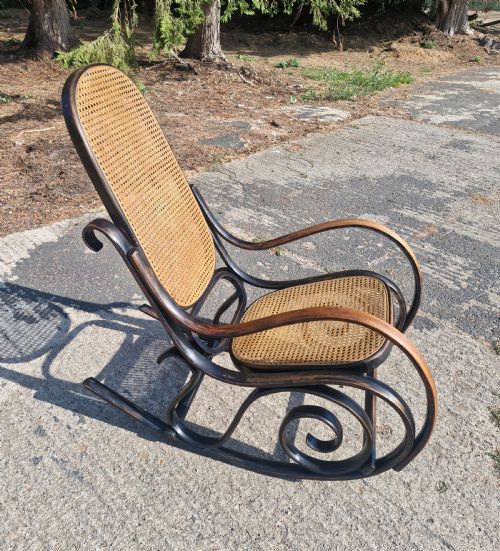
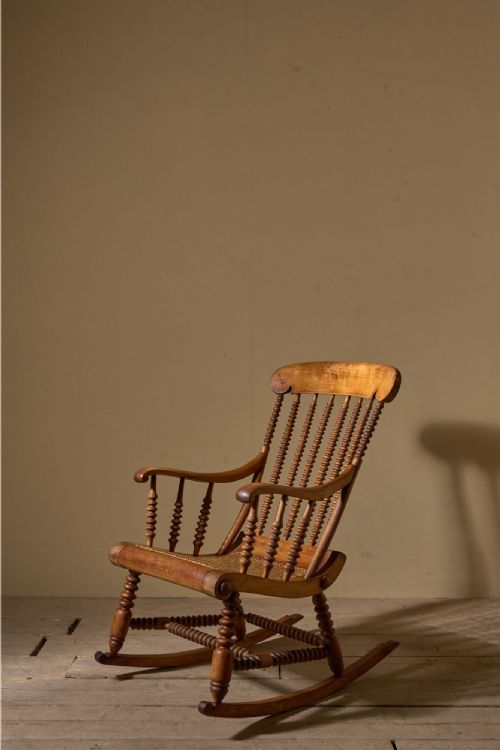
Several chairs double as rocking vessels, proving that ancestors valued a gentle sway just as much as modern relaxation.
James Shoolbred·Thonet
The Cane and Wood Armchair Glossary
- Bergere
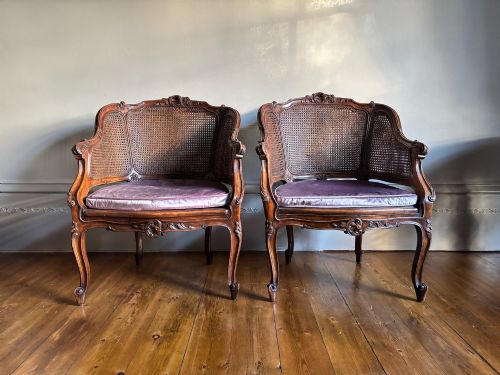
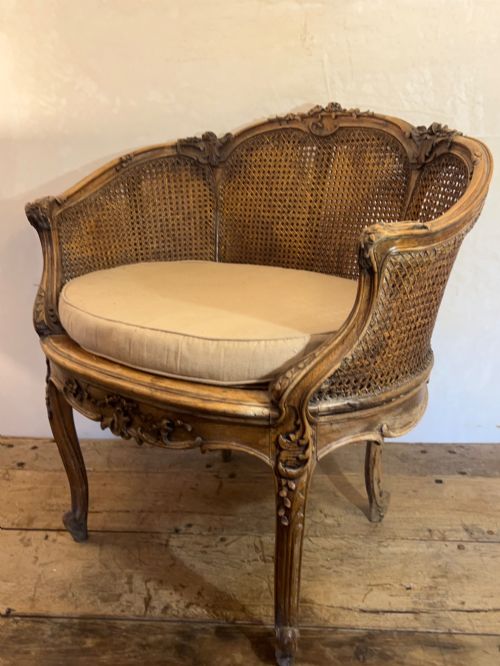
- An enclosed upholstered armchair with wooden framing and cane panels to the sides and back, often fitted with a loose seat cushion.
- Bentwood
- Furniture formed by steaming timber until pliable and bending it into curved shapes, a technique perfected by makers like Thonet.
- Carolean
- Pertaining to the reign of Charles II, characterised by lavishly carved woodwork, scrolling motifs, and high backs.
- Padouk
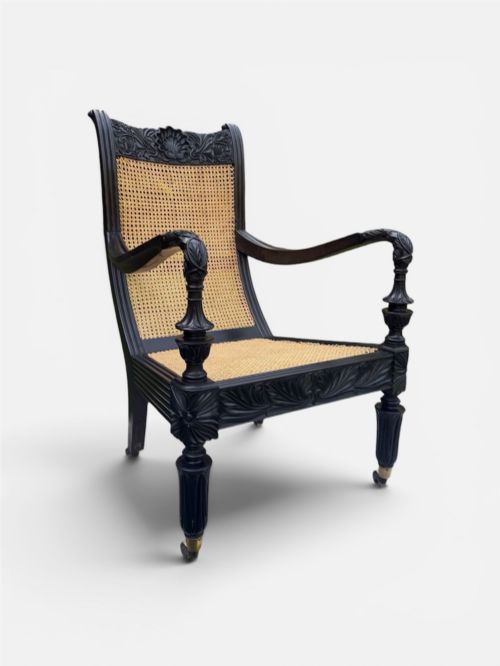
- A heavy tropical hardwood valued for its durability and rich reddish-brown colour, frequently used in Anglo-Indian furniture.
- Bobbin turned
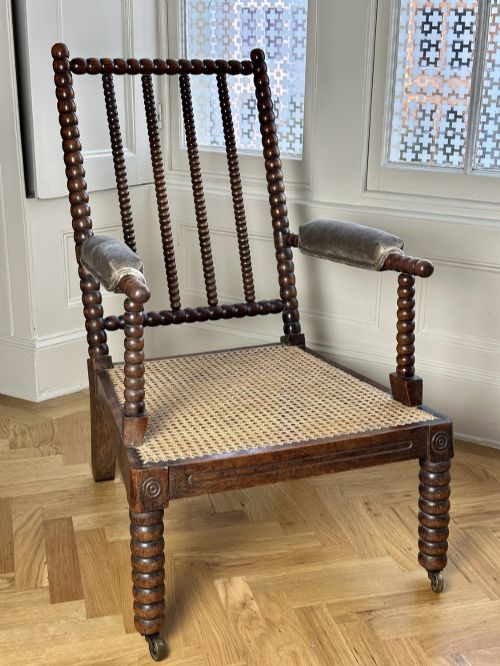
- Timber turned on a lathe to produce a series of rounded, spool-like shapes resembling bobbins strung together.
Cane and Wood Armchair: Frequently Asked Questions
How do I care for cane panels?
Keep woven cane panels hydrated by wiping them occasionally with a damp sponge to prevent the natural material from becoming brittle.
Avoid placing these chairs near direct heat sources or in overly dry environments, which can cause the rattan to snap.
Were these chairs used at desks?
Many examples, particularly library and bergere models with generous proportions, served as comfortable seating for reading and writing.
Their sturdy wooden arms and supportive backs made them practical for prolonged periods of use in studies and libraries.
Can I mix different wood tones?
Combining various timbers like oak, walnut, and mahogany adds depth and historical layering to an interior space.
Focus on matching the formality and period feel of the pieces rather than trying to achieve an identical wood finish across every chair.
What defines Anglo-Indian pieces?
These items were produced in the Indian subcontinent during the colonial period, typically combining British furniture forms with local craftsmanship.
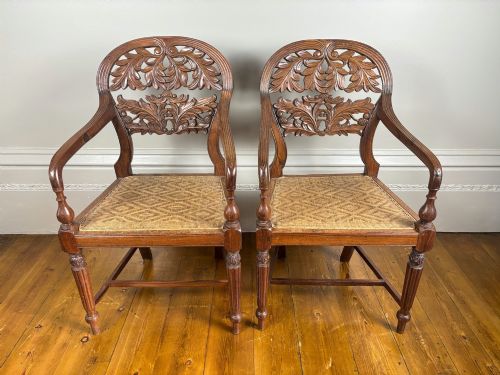
They frequently feature dense tropical hardwoods like ebony and padouk alongside intricate, deeply carved foliage and figurative motifs.