



Canal Scene Oil Paintings
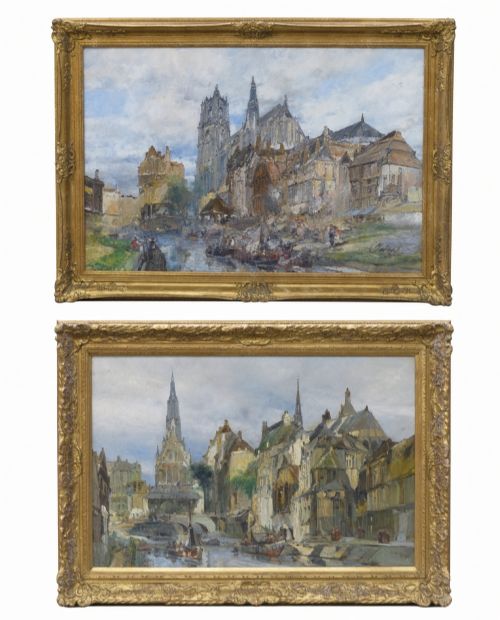
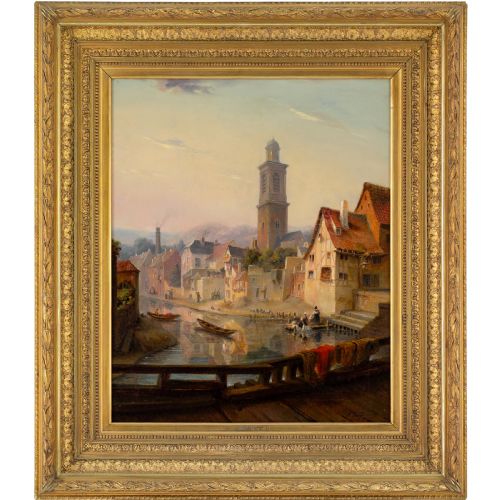
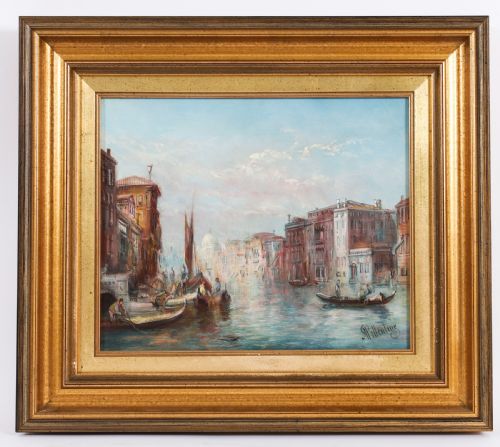
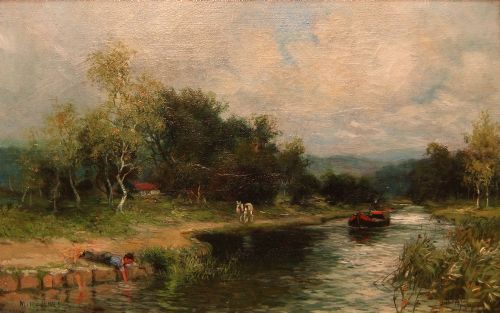
Canal scene oil paintings capture the atmospheric charm of historic waterways, offering buyers a picturesque glimpse into bustling continental ports and quiet provincial locks.
Canal Scene Oil Paintings
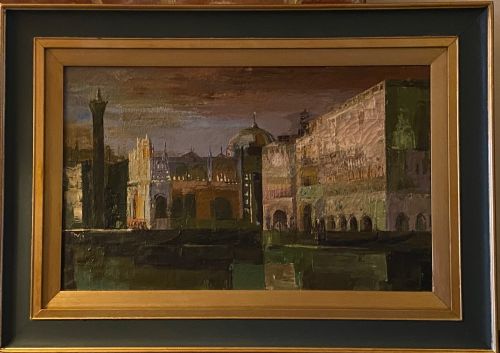
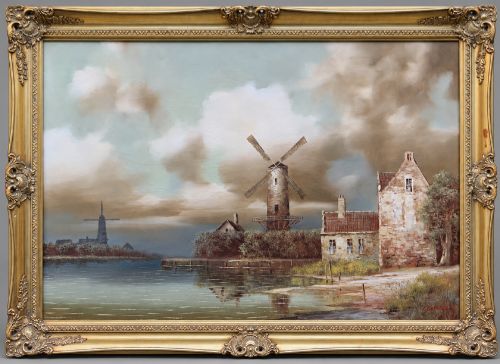
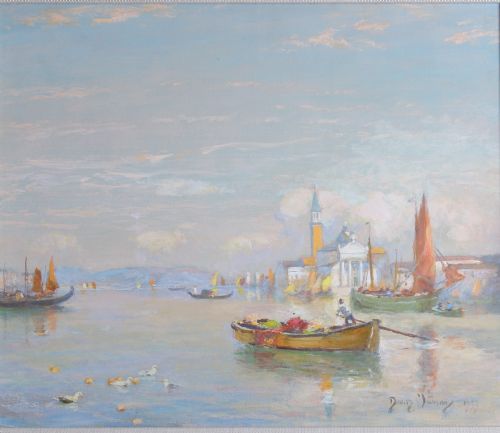
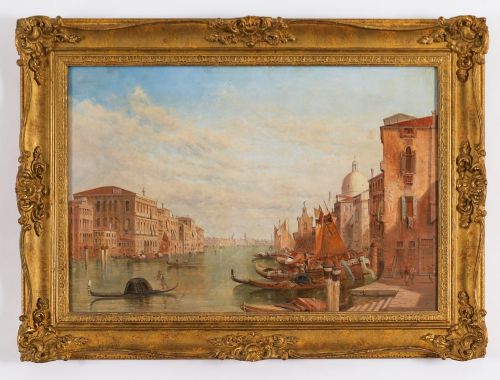
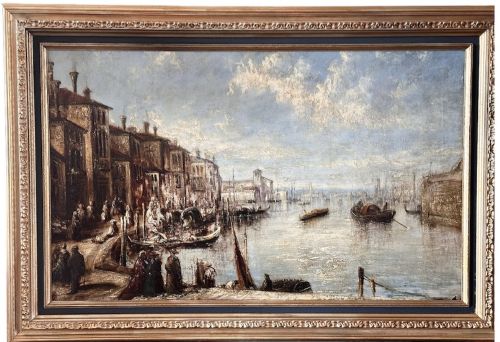
Canal scene oil paintings bring historical waterways and bustling towpaths directly into domestic interiors. Buyers searching for canal scene oil paintings frequently encounter vibrant depictions of Venetian lagoons, Dutch windmills, and quiet Flemish rivers spanning the nineteenth and twentieth centuries.
The selection ranges from Victorian interpretations of the Grand Canal to mid-century continental townscapes and impressionist river views. Works by named artists sit alongside atmospheric pieces from the Dutch school and unsigned compositions.
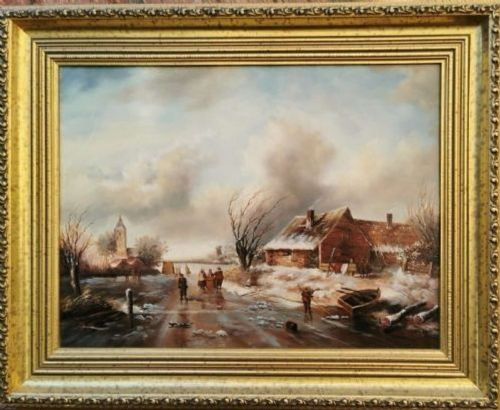
Compositions vary from grand architectural vistas featuring gondolas and historic palazzos to simpler studies of barges, locks, and winter ice skaters. Canvas dimensions span from intimate cabinet pictures to large gallery-scale canvases.
Materials and Technique
Artists painted primarily with oil paint applied to stretched canvas or wooden panels, utilising the medium's rich viscosity to render shifting reflections on water. Brushwork shifts from tight, academic precision in nineteenth-century townscapes to looser, impressionistic strokes in later works.
Frames play a significant role in the presentation, with original giltwood and gesso frames providing structural weight and period character to the paintings. Pigments were layered to capture atmospheric light, damp air, and the distinct tonal qualities of canalside masonry and grey skies.
Canal Scene Oil Paintings Retail Price Guide 2026
Typical asking prices for canal scene oil paintings among the pieces listed under this phrase on Sellingantiques today, from the lower quarter to the upper quarter. They describe what is for sale here now, not the wider market.
Listings span the nineteenth century through to the 1960s, featuring oil on canvas, wood panels, and giltwood frames.
Evaluating Quality
Quality rests primarily on the artist's ability to command perspective, particularly in complex architectural settings such as Venetian bridges and palaces. Superior works demonstrate confident handling of water reflections and atmospheric light rather than stiff mechanical rendering.
The strength of the composition and the integrity of the canvas surface distinguish finer examples from standard decorative works. Original period framing also contributes to the overall cohesion and preservation of the piece.
Job de Vogel·Henri Lallemand·Alfred Pollentine·Sir David Murray·Sushila Singh·Francis Moltino·Thomas Baker·Claude Jousset·Frederick Tully Lott·Antoine Bouvard Senior·Jane Vivian·William Raymond Dommersen·Herbert Royle·Ludwig Hermann·Charles Clement Calderon
The Canal Scene Oil Paintings Glossary
- Canvas
- A heavy woven fabric stretched across a wooden frame to form the painting surface. It provides the flexible base for the oil paint layers.
- Giltwood
- Wood carved and coated with gold leaf or a gold-coloured finish. This material is standard for traditional nineteenth-century picture frames.
- Gesso
- A plaster-like mixture applied to wood or canvas to prepare the surface for painting or to build up decorative frame mouldings. It provides a smooth base for subsequent gilding.
- Impressionism
- An art movement focusing on transient effects of light and spontaneous brushwork. It appears frequently in twentieth-century river and canal interpretations.
- Dutch School
- A collective term for artists working within the artistic traditions of the Netherlands. Works from this school often emphasise domestic landscapes and waterways.
Canal Scene Oil Paintings: Frequently Asked Questions
Where were most canal scenes painted?
Venice remains the most frequent subject due to its dramatic architecture and luminous waterways. Dutch and British canals also provide rich subject matter.
Artists frequently travelled to continental ports to record bustling quaysides and working barge traffic.
How should I clean an oil painting?
Surface dust should be removed gently with a soft, dry brush by a professional restorer. Household cleaners and moisture must be avoided entirely.
Canvas tension and varnish stability require expert assessment before any restorative intervention takes place.
Are unsigned paintings worth collecting?
Unsigned works often represent skilled regional artists or competent followers of established schools. Quality of execution matters more than a signature for aesthetic appreciation.
Attributions are sometimes suggested by stylistic comparisons with documented period painters.