


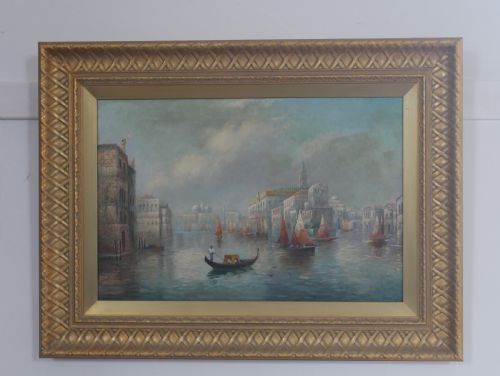


Canal Painting Artwork
When you search for canal painting artwork, you encounter historical views of waterways and gondolas rendered primarily in oil and watercolour.
Canal Painting Artwork
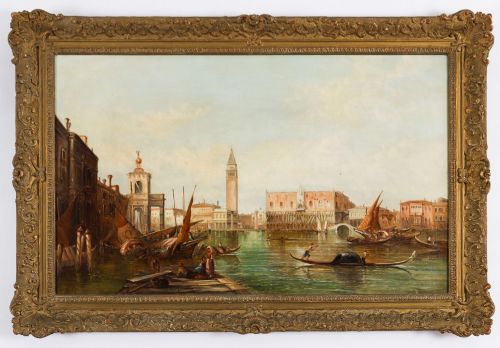
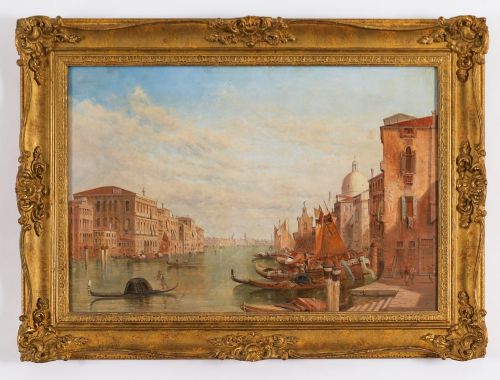
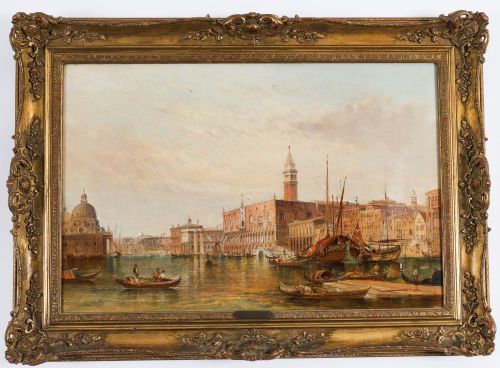
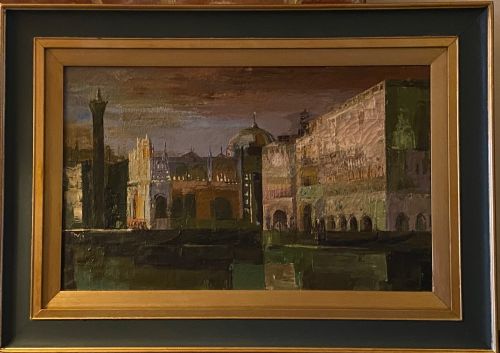
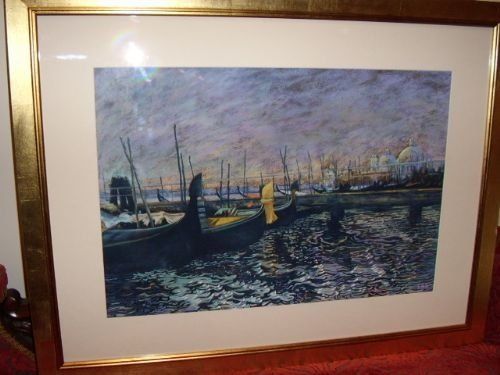
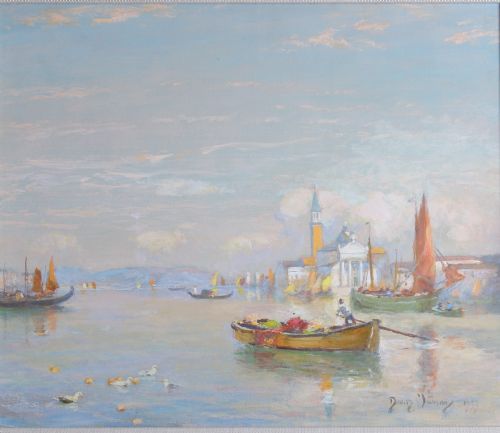
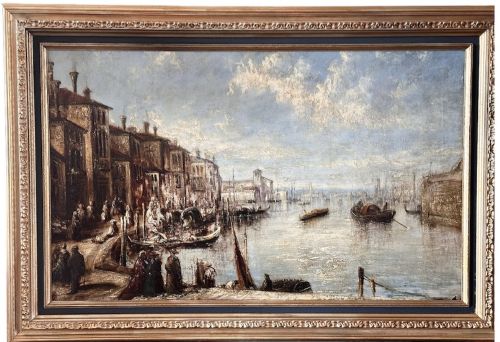
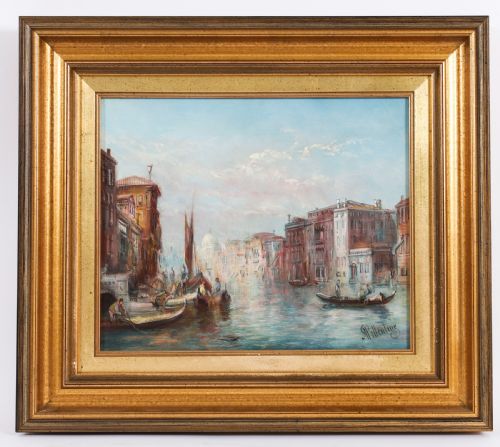
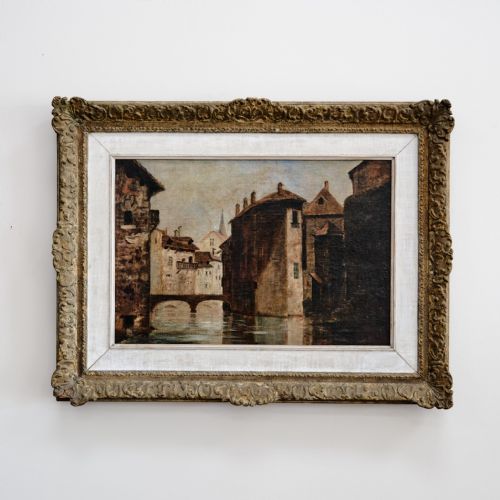
Canal painting artwork encompasses historic depictions of European waterways, with a heavy emphasis on the architecture and lagoons of Venice. These pieces frequently capture urban scenes featuring bridges, boats, and historic palazzos.
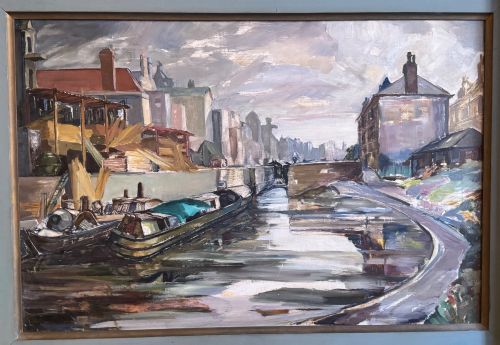
The selections span the nineteenth century through the mid-twentieth century, capturing shifts in artistic interpretation from detailed topographical records to looser impressionist interpretations. Watercolours on paper and oil paintings on canvas dominate the format.
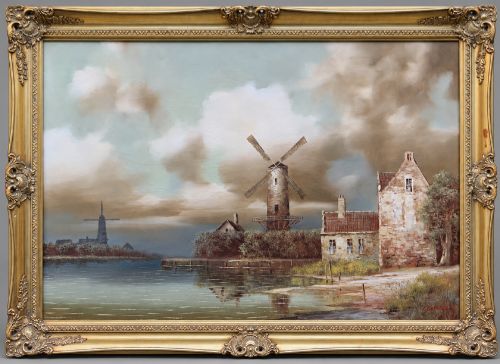
Many works focus specifically on named locations such as the Grand Canal, alongside broader continental rivers and Dutch waterways. Buyers encounter both intimate watercolours and large-scale framed canvases.
Materials and methods
Artists relied primarily on oil paint applied to canvas or wood panels, and water-based pigments on paper. These mediums allowed painters to capture the reflective quality of water and the atmospheric light of canal settings.
Support materials include traditional woven canvas, stretched paper, and occasionally wood or board substrates. Many surviving examples retain period gilt wood frames that complement the painting style.
Canal Painting Artwork Retail Price Guide 2026
Typical asking prices for canal painting artwork among the pieces listed under this phrase on Sellingantiques today, from the lower quarter to the upper quarter. They describe what is for sale here now, not the wider market.
Listings incorporate works spanning from the nineteenth century through the mid-twentieth century, utilising oil paint, watercolour, gouache, and ink.
Distinctions in quality
Quality rests upon the artist's ability to render light reflecting off water and the structural perspective of surrounding architecture. Weaker examples offer stiff, formulaic representations of buildings, whereas stronger works capture atmospheric depth and movement.
The handling of the medium distinguishes standard decorative pieces from accomplished fine art. Mastery in brushwork or watercolour wash brings vitality to skies, water surfaces, and figures along the towpaths.
Alfred Pollentine·Sushila Singh·Francis Moltino·Edwin Lord Weeks·Antonietta Brandeis
The Canal Painting Artwork Glossary
- Oil on Canvas
- Pigment mixed with drying oil applied to a stretched woven fabric support. This combination permits rich colour blending and textured brushwork.
- Watercolour
- A paint consisting of colour suspended in a water-soluble binder, typically applied to paper. It produces transparent washes ideal for luminous skies and water.
- Gouache
- An opaque water-based paint that provides solid areas of colour with a matte finish. Artists often combine it with watercolour to add highlights.
- Impressionism
- A style of painting emphasising spontaneous brushstrokes and the shifting effects of light. This approach appears frequently in twentieth-century canal scenes.
- Gilt Wood
- Timber frames coated with a thin layer of gold leaf or metallic gilt paint. These frames surround many nineteenth-century oil paintings.
Canal Painting Artwork: Frequently Asked Questions
What subjects appear in canal painting artwork?
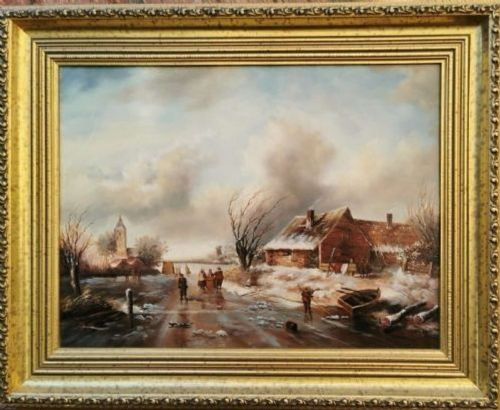
These works predominantly depict Venetian canals, gondolas, and historic European waterways with adjacent architecture and bridges. Painters also record locks, rivers, and winter landscapes.
The compositions range from busy urban waterways with figures to quiet rural canals and Dutch waterways under wide skies.
How do I identify the period of a painting?
Dating relies on the framing materials, canvas preparation, stylistic conventions, and artist signatures recorded in the evidence. Nineteenth-century works often employ detailed academic realism, while mid-century pieces lean towards impressionist techniques.
Examining the back of the canvas or paper support can reveal historical framing labels, artist inscriptions, or stamps that clarify the date of creation.
Where should I display these paintings?
Canal artworks suit well-lit spaces away from direct sunlight to protect watercolours and oil pigments from fading. Traditional gilt wood frames pair effectively with classic interiors, while mid-century pieces fit neutral wall spaces.
Consider hanging oil on canvas pieces at eye level in reception rooms or hallways where the reflective water scenes draw attention.
Are watercolours fragile?
Watercolour paintings on paper require protection behind glass to prevent atmospheric damage and moisture absorption. Framing with acid-free mounts ensures the paper does not discolour over time.
Exposing watercolours to direct sunlight causes the pigments to fade permanently, making placement out of bright light essential for preservation.