
Cabriole Leg Tilt Top
A cabriole leg tilt top brings ingenious space-saving design and sculptural elegance to any room.
Cabriole Leg Tilt Top
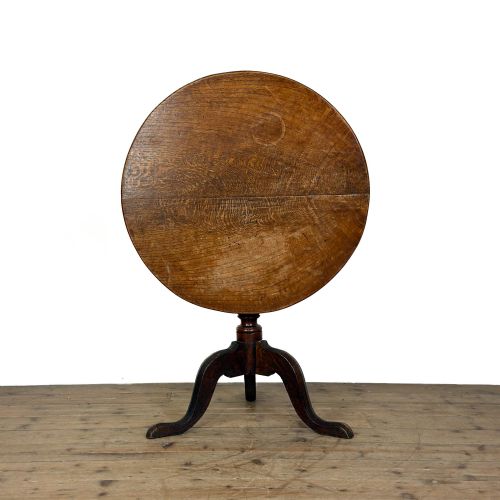
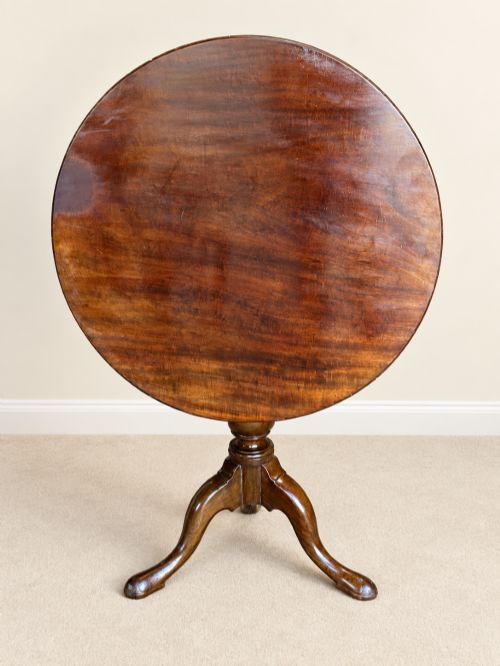
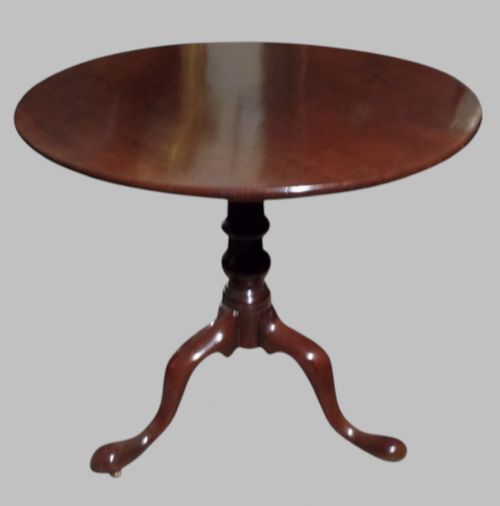
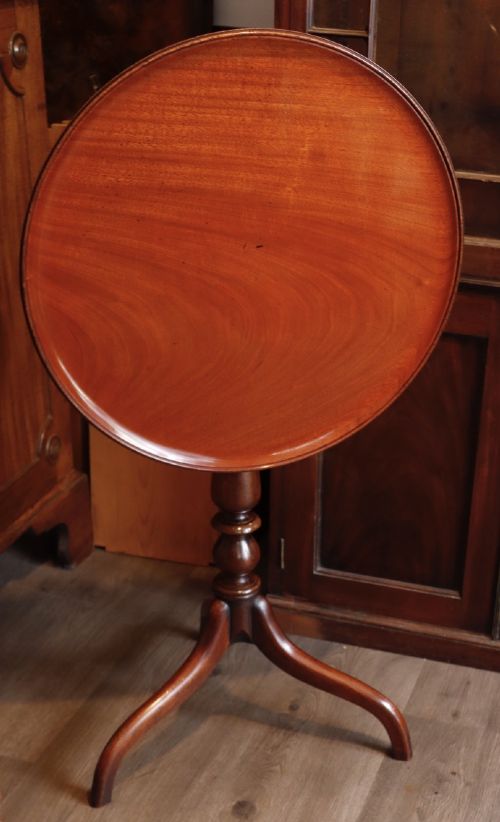
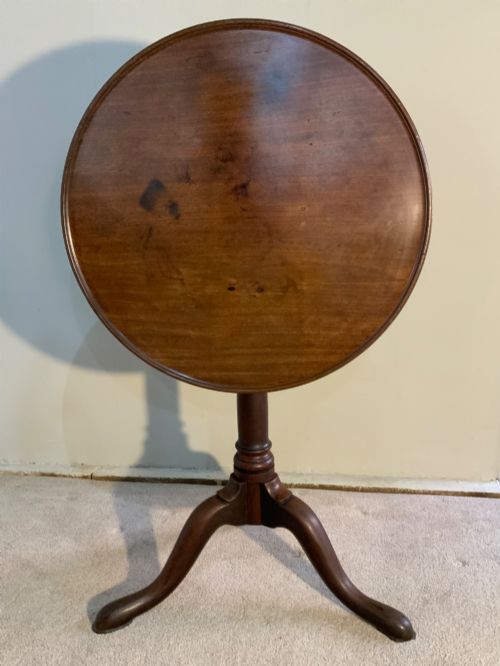
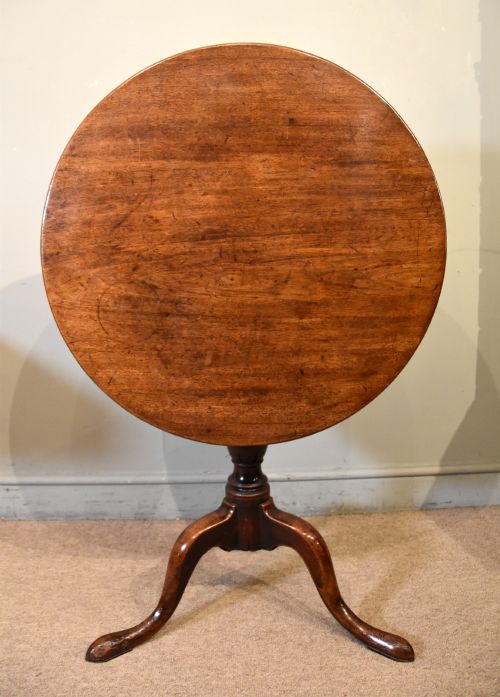
When you search for a cabriole leg tilt top, you encounter occasional, wine, and dining tables designed with folding mechanisms that allow the surface to rest vertically when not in use. These forms emerge principally from Georgian and Victorian periods, alongside later revival pieces.
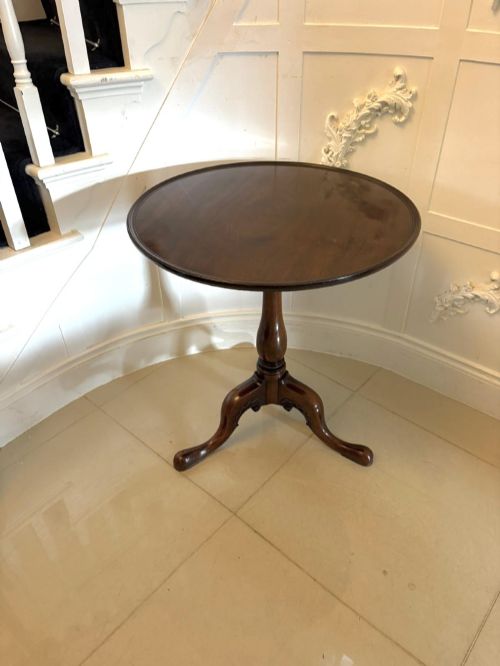
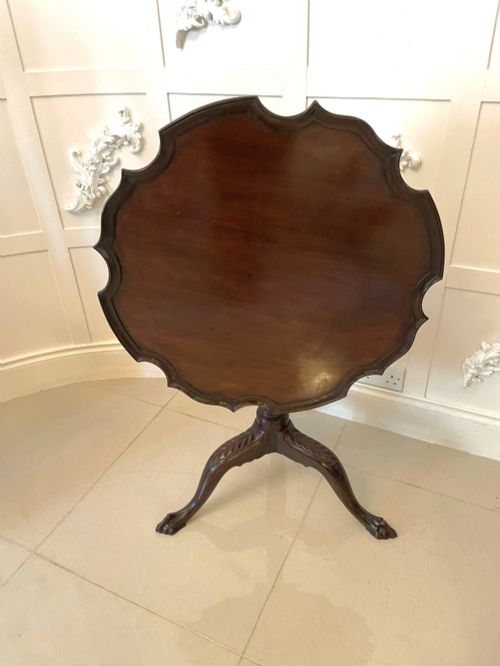
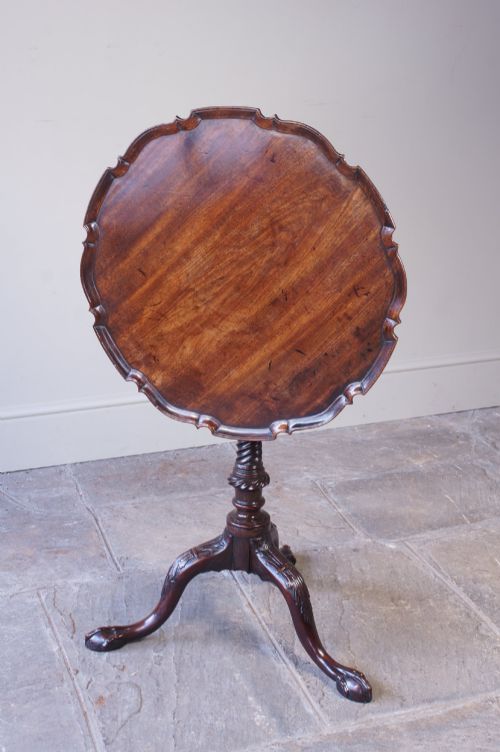
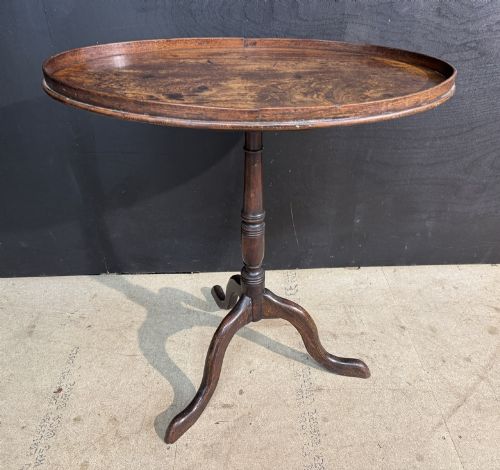
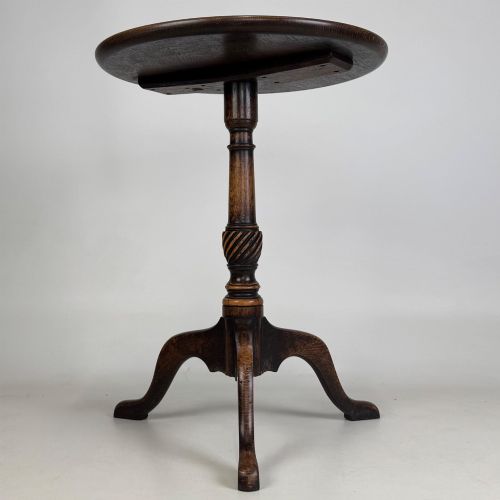
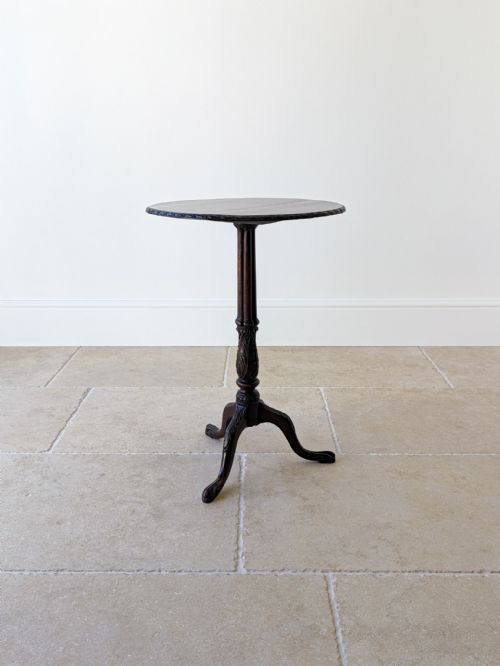
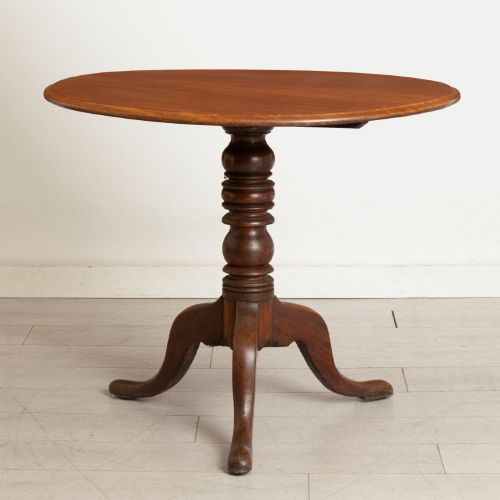
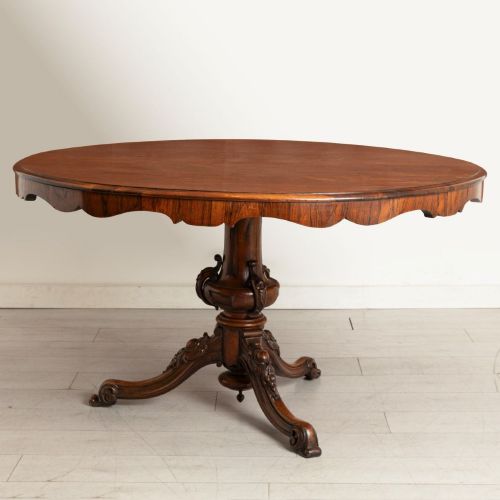
The most common version met on this page is the tripod table in mahogany, often featuring a circular top supported by a central pillar and three legs. Variations extend to rectangular tops, tray tops, and pie crust edges resting on oak, walnut, rosewood, or fruitwood.
Origins stretch from mid-eighteenth-century workshops through the nineteenth century and into twentieth-century revivals. Buyers find examples spanning George II, George III, and Regency eras, as well as Victorian and Edwardian interpretations.
Materials and Construction
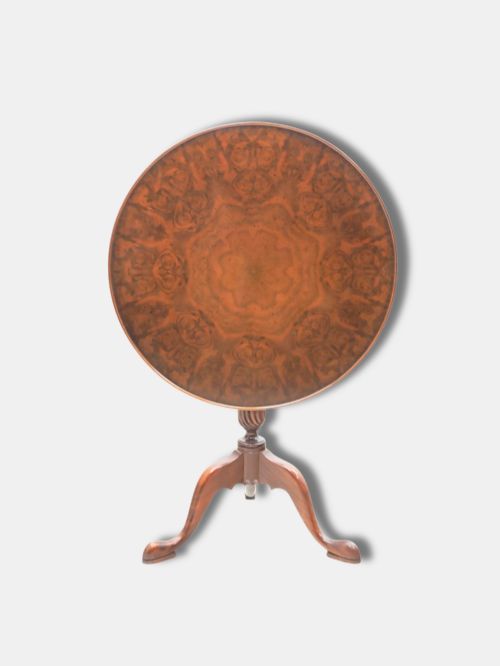
Cabinet makers utilised dense hardwoods, predominantly mahogany and Cuban mahogany, alongside walnut, burr walnut veneer, oak, rosewood, and fruitwood. These timbers provided the structural strength required for slender pillars and three-legged tripod bases.
The tilting mechanism frequently incorporated a birdcage action, allowing the top to pivot and rotate independently of the column. Brass catches and iron fastenings secured the surface in position, while carved details and spiral twist columns shaped the solid wood bases.
Listings feature mahogany, oak, walnut, rosewood, and fruitwood across Georgian, Victorian, and twentieth-century periods.
Distinctions in Quality
The distinction between tiers rests upon the crispness of the carving on the knees and feet, particularly where cabriole legs terminate in pad or claw and ball motifs. Superior pieces display harmonious proportions between the top, the central column, and the spread of the tripod base.
Timber selection governs visual appeal, with figured mahogany and burr walnut veneer marking out more ambitious commissions. The smoothness of the tipping mechanism and the tight integration of the birdcage component indicate the precision of the original joinery.
The Cabriole Leg Tilt Top Glossary
- Cabriole leg
- A furniture leg that curves outward at the knee and tapers inward to an ankle, mimicking an animal's limb. It typically terminates in a pad or claw and ball foot.
- Tilt-top table
- A table equipped with a hinge mechanism beneath the surface, allowing the top to lock flat for use or tilt upright against the pedestal to save floor space.
- Birdcage
- A wooden framework beneath the table top that enables the surface to rotate as well as tilt. This revolving box sits atop the central column.
- Pie crust edge
- A raised, decorative carved rim shaped in undulating curves resembling a pastry crust. It prevents items from sliding off the table surface.
- Snap-top
- An alternative term for a tilt-top table utilising a spring catch or latch to lock the top horizontally. It snaps firmly into place when lowered.
Cabriole Leg Tilt Top: Frequently Asked Questions
What was a tilt top table used for?
These tables served flexible domestic purposes as tea tables, wine tables, or occasional surfaces. When the top was tilted vertically, the table occupied minimal floor space against a wall.
Households utilised the pivoting mechanism in parlours and drawing rooms where space remained at a premium between social gatherings.
How do I date an 18th century table?
Dating relies upon timber characteristics, joinery methods, and stylistic cues such as the profile of the tripod base and column turning. Mid-century pieces often display fine Cuban mahogany and specific carving styles.
Later revival pieces from the twentieth century imitate these Georgian forms but typically exhibit different interior construction and machine-cut elements.
What is a birdcage mechanism?
The birdcage is a small wooden assembly of vertical spindles and two parallel platforms situated directly beneath the table top. It permits the surface to rotate horizontally.
This revolving action combined with the central hinge allowed users to angle the table surface precisely before locking it down for use.
Where should I place this in my home?
A tripod table fits comfortably beside a sofa, in a corner, or as an accent piece in a study. The small footprint makes it adaptable for displaying lamps or decorative objects.
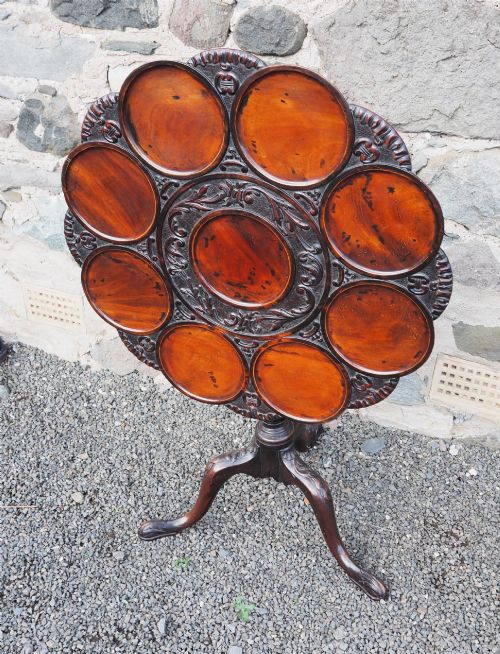
When tilted upright, the decorative underside of the top becomes a visual feature against a wall.