

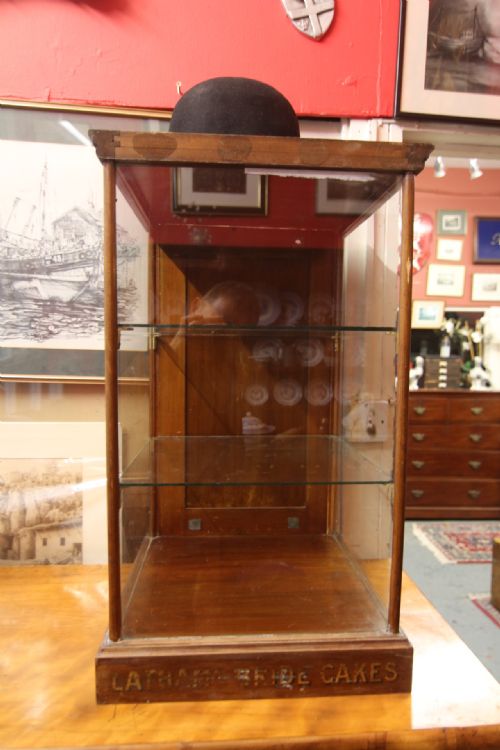
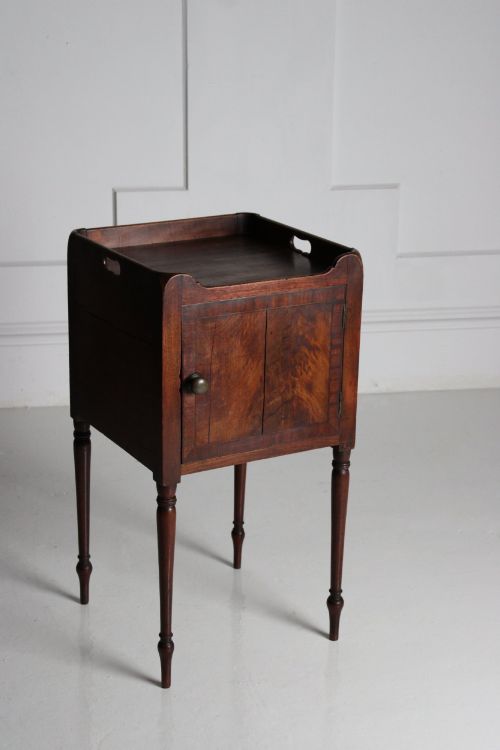
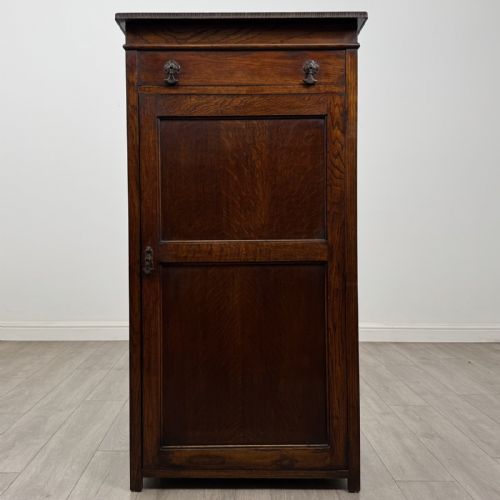
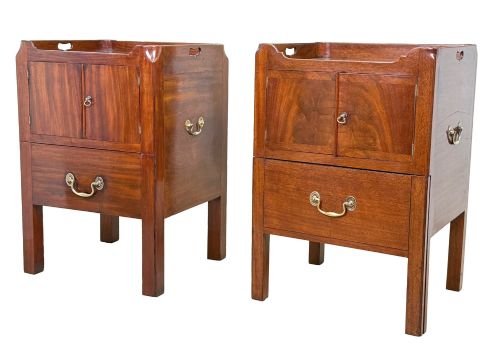
Cabinet Top Stand
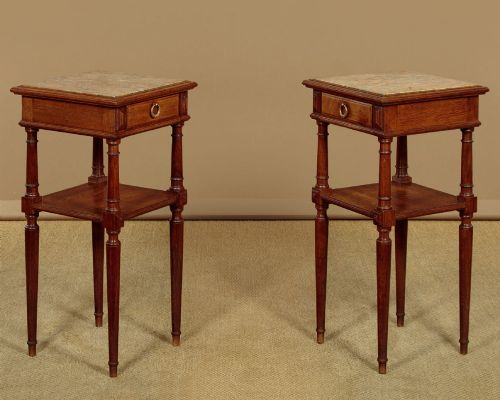
A cabinet top stand sits low beside a bed or in a corner, holding a lamp, books or washware with quiet utility.
Cabinet Top Stand
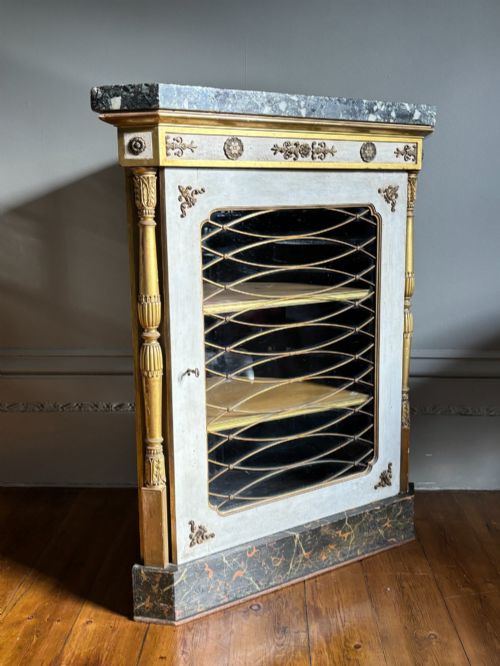
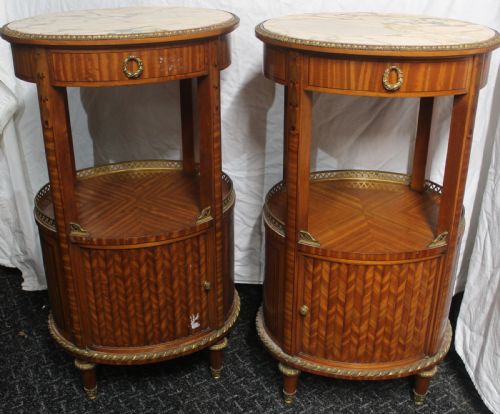
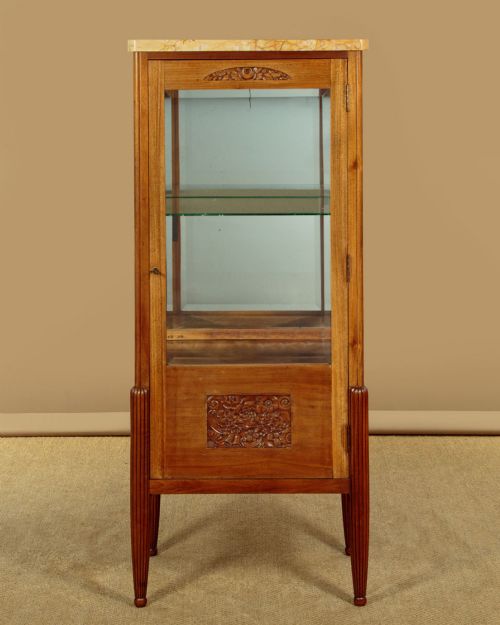
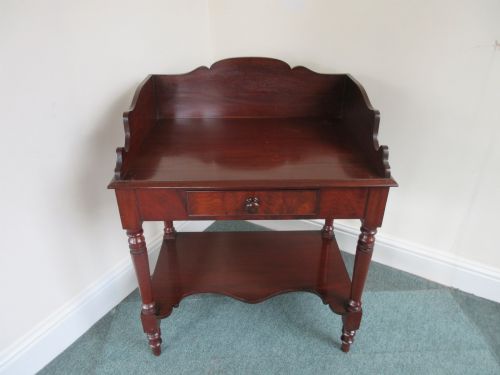
When you search for a cabinet top stand, you encounter a variety of forms designed to hold objects or serve specific domestic tasks at a convenient height. These pieces bridge the gap between small tables and enclosed storage.
The selections span several periods, reaching from the Georgian and Regency eras through the Victorian and Edwardian decades. Materials range from mahogany and oak to burr walnut and marble.
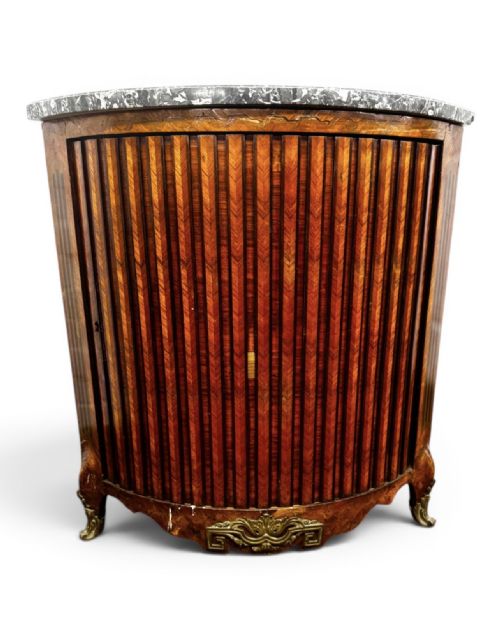
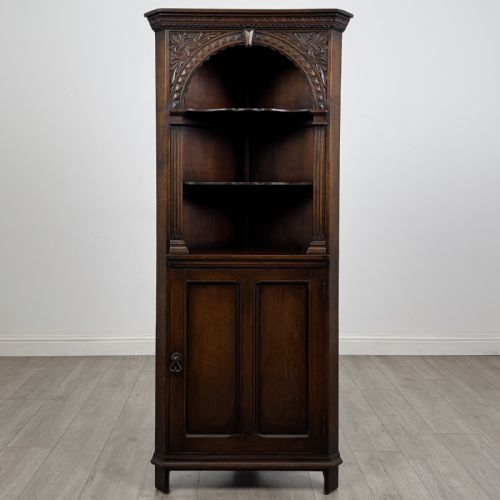
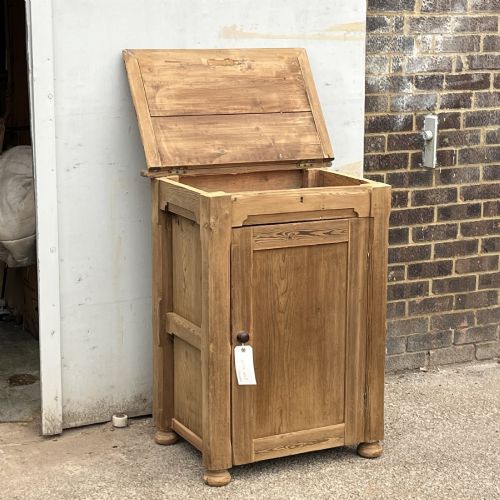
You are most likely to meet bedside tables, pot cupboards, washstands and corner cabinets adapted or utilised for surface display. They appear in styles from Queen Anne and Jacobean Revival to Art Nouveau and French Provincial.
Materials and construction
Timber selection dictates the character of these pieces, with solid and veneered mahogany, oak, walnut and pine dominating the construction. Cabinet makers employed brass for handles, hinges, galleries and structural mounts.
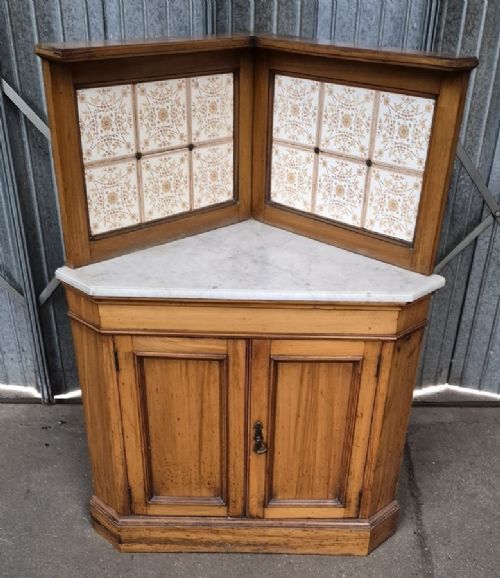
Marble frequently tops washstands and night cupboards to provide a durable, water-resistant surface. Inlay work, glass panels and mother of pearl detail appear across Edwardian, Chinese and Victorian examples.
Cabinet Top Stand Retail Price Guide 2026
Typical asking prices for cabinet top stand among the pieces listed under this phrase on Sellingantiques today, from the lower quarter to the upper quarter. They describe what is for sale here now, not the wider market.
Faux bamboo finishes let Victorian makers bring tropical whimsy indoors using ordinary turned pine.
Judging the standard
Quality rests in the crispness of the timber figuring, the integrity of the joints and the restraint of the decorative carving or inlay. Finer pieces demonstrate precision in the dovetailing of drawers and the matching of wood grain across surfaces.
The weight and quality of the hardware, such as brass pulls or glass panes, separate standard utility furniture from finer domestic appointments. Original marble slabs and intact interior fittings elevate the standing of a piece.
Walker & Sons·Gabriel Viardot
The Cabinet Top Stand Glossary
- Pot cupboard
- A small bedside cabinet originally designed to enclose a chamber pot. These practical units often feature a single door and a small drawer or shelf above.
- Washstand
- A piece of furniture built to hold a wash basin and jug, frequently topped with marble or tile. Many include splashbacks and lower undershelves for storage.
- Canterbury
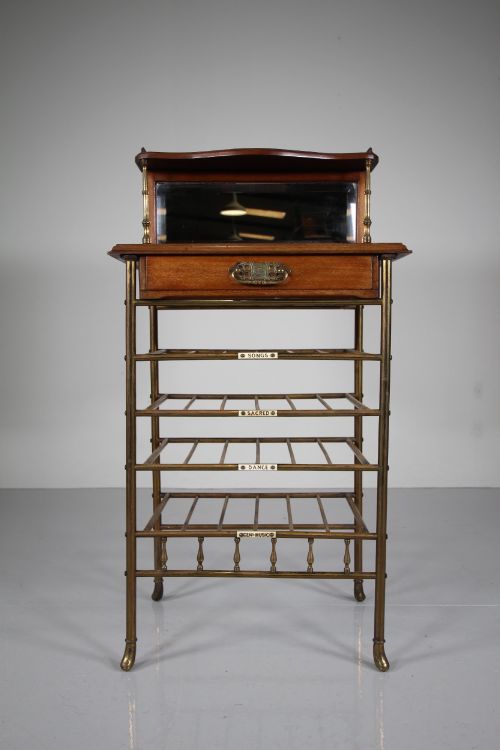
- A low multi-tiered stand fitted with vertical partitions to hold sheet music, portfolios or books. They often incorporate a small work drawer beneath the rack.
- Vitrine
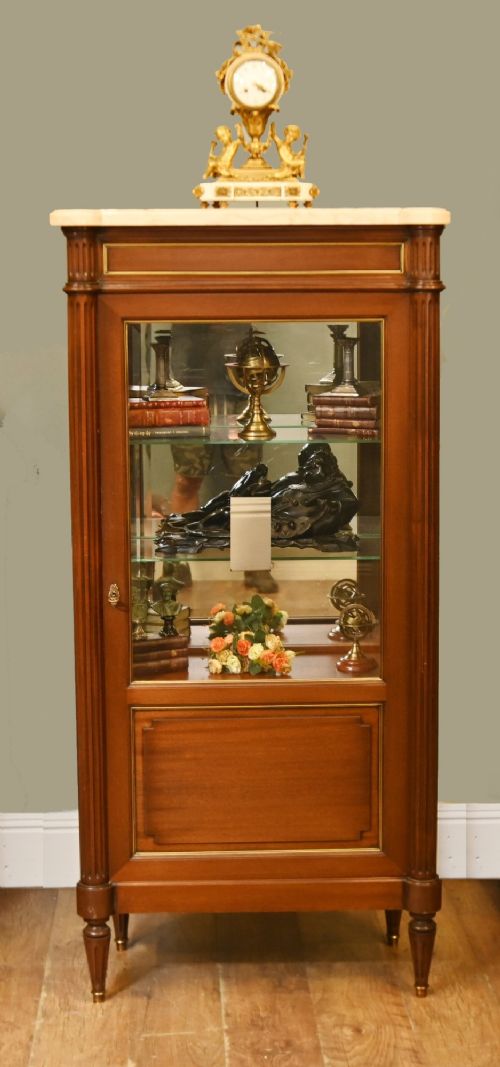
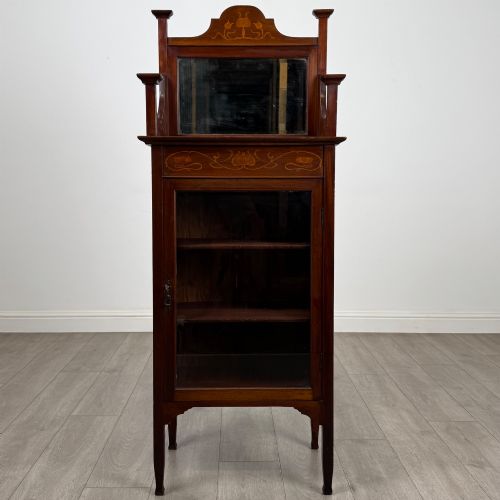
- A glass-panelled display cabinet intended for the exhibition of small ornaments or curiosities. These cabinets utilise glazed doors and sides to maximise light inside.
- Bijouterie cabinet
- A glazed display table or cabinet with a lift-up or hinged lid designed for jewellery and small valuables. They raise precious items to eye level for inspection.
Cabinet Top Stand: Frequently Asked Questions
What is a cabinet top stand?
A cabinet top stand is a descriptive term for low case furniture that provides both a flat upper surface and enclosed storage below. These items include bedside night tables, pot cupboards and washstands.
They were built to sit beside beds or in corners to hold lighting, water jugs and personal belongings within arm's reach.
How were these stands used historically?
In bedrooms and dressing rooms, they served as functional bedside furniture to hold chamber pots, candles and books. Washstands held basins and ewers before plumbed bathrooms became common.
Over time, many of these small cabinets transitioned into general living spaces to support lamps, clocks and decorative objects.
How do I distinguish Georgian pieces from Victorian ones?
Georgian and Regency pieces tend to rely on clean architectural lines, Cuban mahogany timbers and understated brass fittings. They favour proportion and structural restraint over heavy ornamentation.
Victorian and Edwardian examples often display bolder grain patterns like burr walnut, darker oak revivals, marble tops and more eclectic decorative influences such as Art Nouveau.
How do I care for antique wood and marble?
Maintain wooden surfaces by dusting regularly with a dry cloth and applying natural beeswax sparingly to nourish the timber. Avoid placing these stands in direct sunlight or near heat sources to prevent veneer lifting.
Clean marble tops with a damp cloth and mild soap, avoiding acidic solutions that can etch the polished stone surface.