


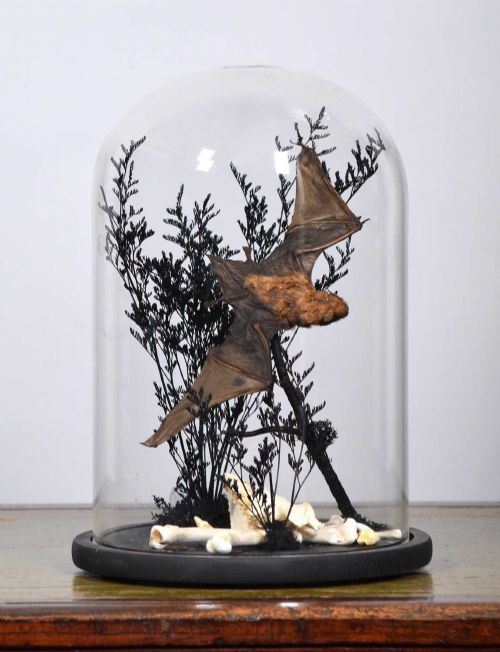


Cabinet Taxidermy
Cabinet taxidermy comprises preserved specimens housed in glass domes and wooden display cases, bringing nineteenth-century natural history directly into modern interiors.
Cabinet Taxidermy
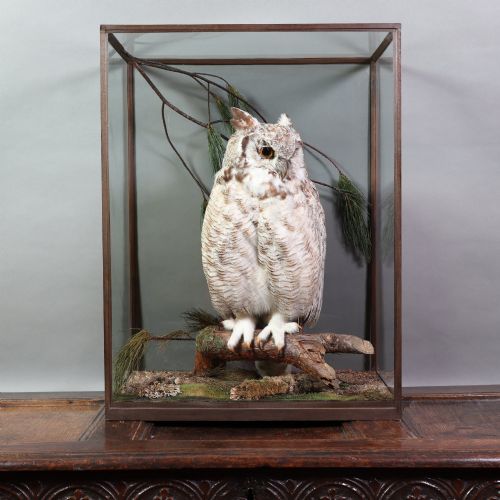
Cabinet taxidermy centres on preserved birds, mammals, insects, and osteological specimens displayed within protective glass domes, cloches, and wooden wall or floor cabinets. These pieces originated primarily during the Victorian and Edwardian eras, when natural history collecting became a pursuit for households and scientific cabinets alike.
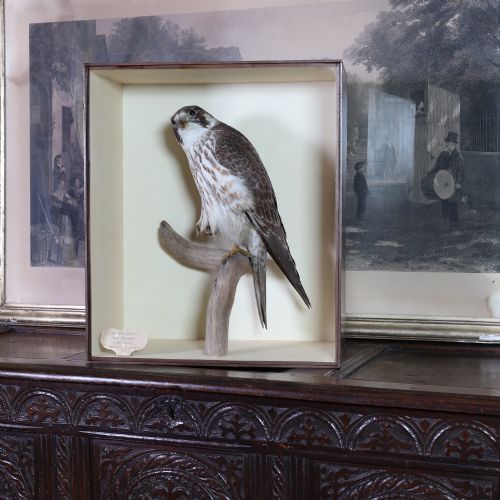
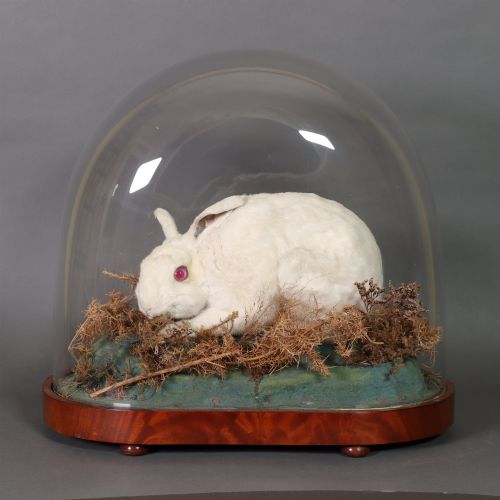
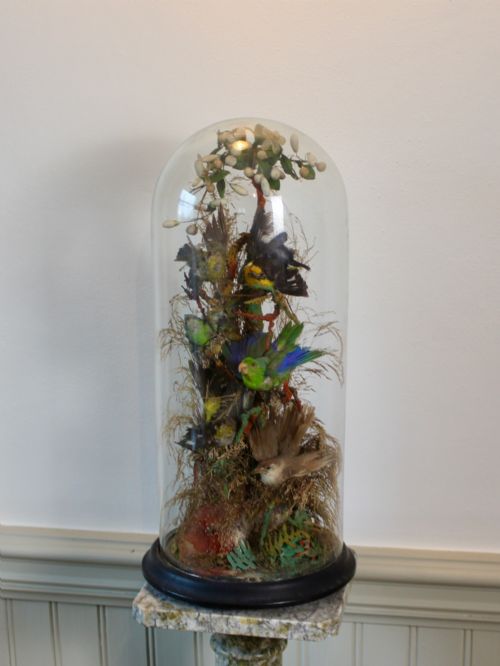
The most common forms on this page include glass display domes containing exotic or British birds, flat-sided domes protecting delicate pairs, and wall-mounted wooden cases holding mixed composition specimens from distant continents. Larger formats range from cased mammals such as otters and crocodiles to mounted horns and animal skulls.
Dating ranges from the mid-nineteenth century through to the early twentieth century, spanning styles from Victorian Natural History to Highland Hunting Lodge aesthetics. Specimens reflect the prevailing scientific curiosity of the period, often arranged against painted or natural backdrops inside bespoke glazed enclosures.
Materials and construction
The construction of these pieces relies on blown glass domes paired with turned wooden bases, ebonised wood frames, or mahogany wall cabinets. Interiors frequently incorporate natural foliage, painted backgrounds, and supporting metal wirework to maintain the posture of the preserved specimens.
Taxidermists utilised arsenic compounds and various preservatives alongside traditional skinning and stuffing methods, mounting avian and mammalian specimens over carved or organic armature. Feathers, bone, horn, shell, and fur are preserved within airtight or sealed glass enclosures to protect fragile materials from dust and humidity.
Cabinet Taxidermy Retail Price Guide 2026
Typical asking prices for cabinet taxidermy among the pieces listed under this phrase on Sellingantiques today, from the lower quarter to the upper quarter. They describe what is for sale here now, not the wider market.
Listings feature items from the Victorian, Edwardian, and nineteenth-century periods, utilising glass, ebonised wood, bone, and feathers.
Evaluating quality and provenance
Quality rests heavily upon the skill of the taxidermist, with signed works by known Victorian practitioners commanding greater recognition than anonymous studio pieces. Natural anatomical proportion, realistic posture, and the complexity of multi-specimen compositions separate standard historical items from masterworks.
The integrity of the original glass dome and the retention of untouched backing papers or trade labels significantly influence the standing of an item. Superior examples retain blown glass free of modern replacement, alongside robust wooden cases with original patination and securely mounted interior elements.
James Gardner of London·Rowland Ward Ltd·Henry Ward London·A Pollard·J Dobson
The Cabinet Taxidermy Glossary
- Cloche
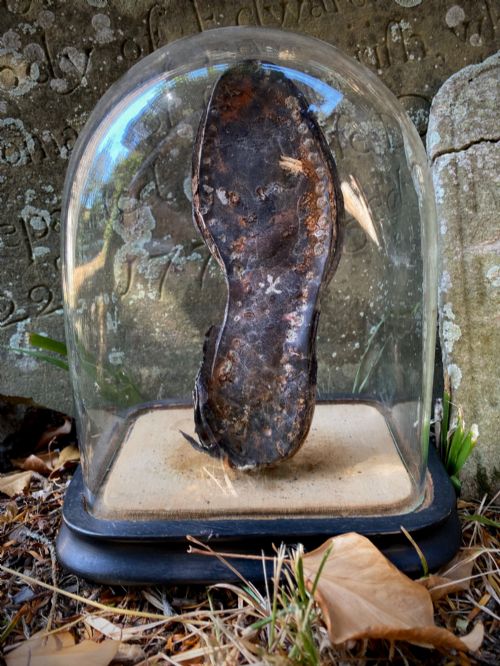
- A bell-shaped glass cover used to protect delicate taxidermy specimens from dust and handling. These clear glass covers sit directly upon wooden or ceramic bases.
- Ebonised wood
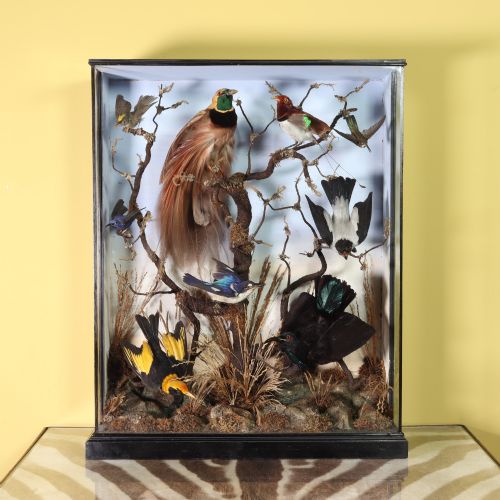
- Timber treated with a dark stain or finish to imitate ebony, frequently utilised for nineteenth-century display bases and cabinet frames. This finish provides a stark, contrasting border against colourful plumage.
- Carapace
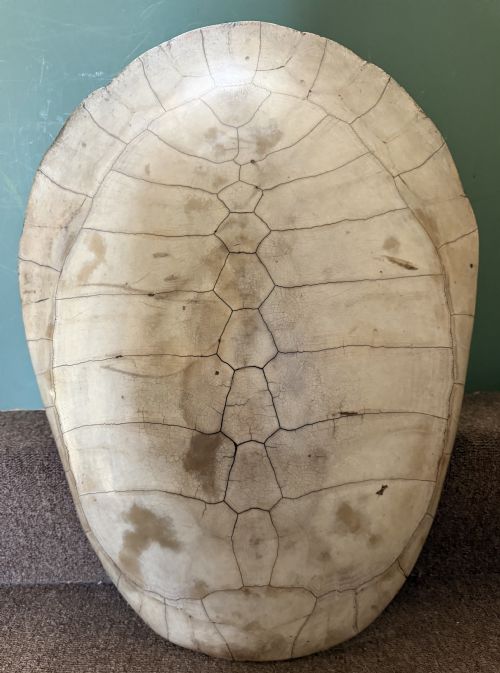
- The upper shell of a turtle, tortoise, or crustacean, prepared and dried as a decorative curiosity. These specimens appear in nineteenth-century collections alongside osteological displays.
- Entomology case
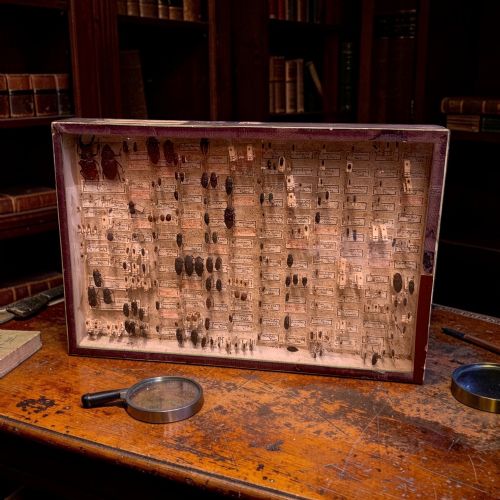
- A shallow glazed wooden drawer or box designed for the systematic display of preserved butterflies, beetles, and insects. They often include handwritten taxonomic labels alongside the pinned specimens.
- Diorama
- A three-dimensional scene featuring taxidermy specimens arranged within a simulated natural habitat, frequently enclosed in a glass-fronted case or curved dome.
Cabinet Taxidermy: Frequently Asked Questions
What periods do these pieces date from?
The pieces span the Victorian and Edwardian eras, with dates stretching from the mid-nineteenth century up to the early twentieth century. Most items originate between eighteen-seventy and nineteen-twenty.
Design styles shift from traditional Victorian natural history displays and curiosity cabinets toward early twentieth-century wall cabinets and simpler specimen mounts.
How should glass domes be maintained?
Glass domes protect the fragile feathers, fur, and taxidermy mounts underneath from dust, smoke, and physical damage. They should remain sealed where possible to preserve the interior microclimate.
Cleaning requires only a soft cloth for the exterior glass, avoiding any moisture or chemical sprays near the historic wooden bases and aged specimens.
Were these items made for scientific study?
Many specimens reflect the Victorian passion for natural philosophy and amateur scientific collection, housed in professor's domes and entomology cases for close observation. Others served purely as interior decoration for drawing rooms and study walls.
Cabinets of curiosities combined exotic specimens from South America, Australia, and New Guinea with native British wildlife to showcase global exploration.
How are birds arranged inside domes?
Taxidermists mounted birds onto concealed wire frames attached to natural twigs, rocks, or artificial foliage fixed to the wooden base. Multi-bird compositions balanced colourful plumage such as birds of paradise, parrots, or owls within the curved glass space.
Flat-sided domes and oval dioramas provided specialised profiles to accommodate pairs of birds or extended wing spans without distortion.