



Cabinet Taxidermy Birds
Cabinet taxidermy birds bring nineteenth-century natural history indoors, offering meticulously preserved specimens housed in glass domes and wooden display cases that capture the drama of ornithology.
Cabinet Taxidermy Birds
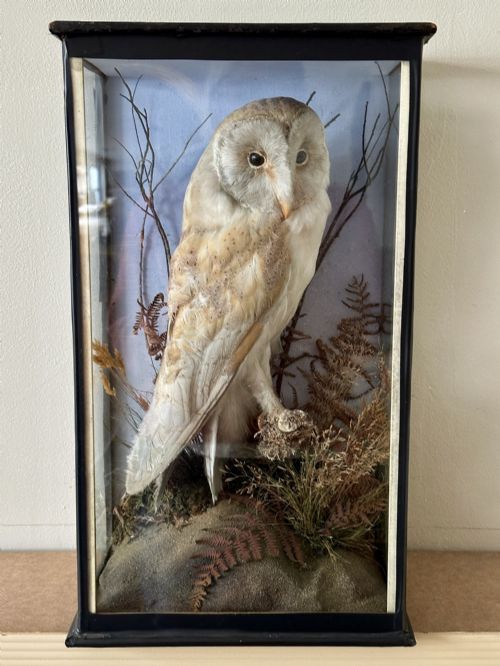
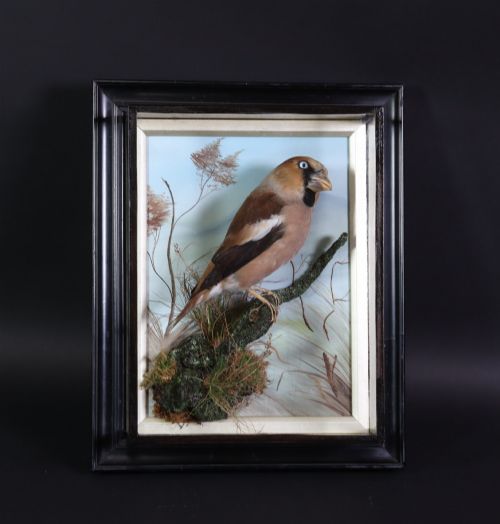
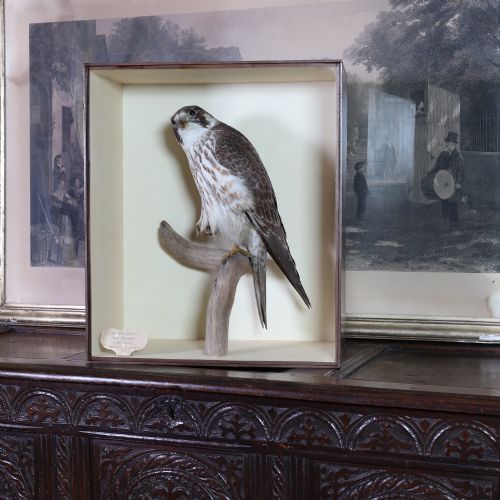
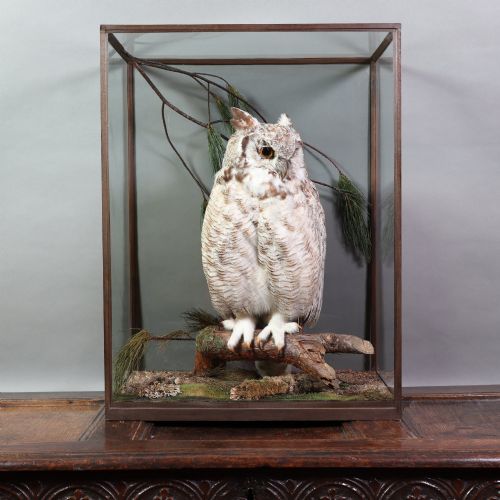
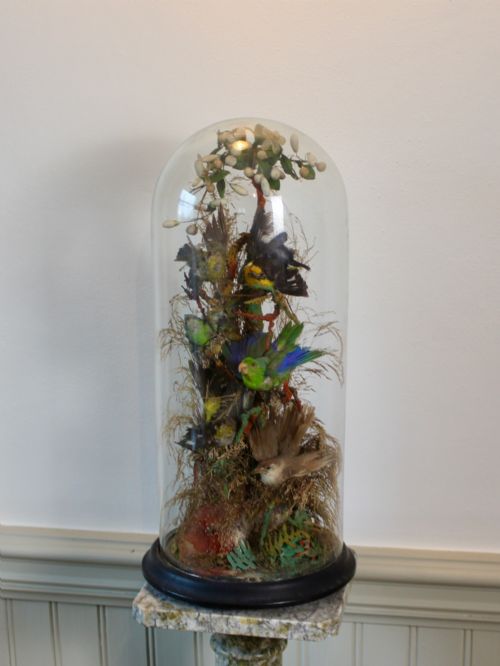
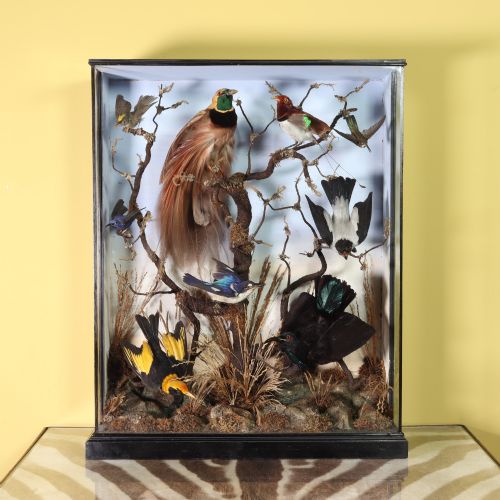
Cabinet taxidermy birds comprise Victorian natural history specimens preserved within glass domes, flat-sided domes, and wooden display cases. These compositions range from single subjects like the Great Horned Owl to elaborate arrangements containing mixed birds from New Guinea, South America, and Australia.
The pieces on this page lean heavily into the Victorian era, spanning the late nineteenth century into the early twentieth century. Common forms include pairs of snow buntings, Eurasian jays, and exotic species such as the Greater Bird of Paradise.
Makers and taxidermists of note include Rowland Ward Ltd, Henry Ward London, A Pollard, and James Gardner. Buyers encounter both single specimens and complex multi-bird compositions accompanied by natural foliage and moss.
How cabinet taxidermy birds were made
Taxidermists utilised preserved bird skins mounted over anatomical armatures, arranging the plumage to mimic living postures within enclosed environments. The preservation process relied on traditional taxidermy techniques of the nineteenth century.
Display housings combined ebonised wood bases with blown glass domes or framed wooden cases designed to protect delicate feathers from dust and degradation. Interior settings frequently incorporated natural specimens, moss, and flora to recreate authentic habitats.
Cabinet Taxidermy Birds Retail Price Guide 2026
Typical asking prices for cabinet taxidermy birds among the pieces listed under this phrase on Sellingantiques today, from the lower quarter to the upper quarter. They describe what is for sale here now, not the wider market.
Listings feature Victorian natural history specimens housed in glass, ebonised wood, and natural foliage.
What varies in quality
The skill of the taxidermist dictates the anatomical accuracy and lifelike posture of the bird specimen, separating exceptional work from stiff or unnatural mounts. Plumage condition and colour retention also heavily influence the visual appeal of each piece.
The construction of the housing matters significantly, with heavy ebonised wood bases and clear, distortion-free glass domes representing superior craftsmanship. Attributions to notable practitioners like Rowland Ward or James Gardner elevate the standing of a display.
Rowland Ward Ltd·Henry Ward London·A Pollard·James Gardner
The Cabinet Taxidermy Birds Glossary
- Ebonised wood
- Timber treated to imitate ebony, commonly used for the heavy circular or rectangular bases supporting glass taxidermy domes.
- Taxidermy dome
- A blown glass cover fitted to a wooden base, designed to protect mounted bird specimens while offering a clear view from all angles.
- Natural specimens
- Organic materials such as moss, branches, and flora incorporated inside display cases to recreate the natural habitat of the birds.
- Flat-sided dome
- A specialised glass cover with flattened panes that reduces visual distortion when viewing mounted specimens inside.
Cabinet Taxidermy Birds: Frequently Asked Questions
Are these antique bird displays fragile?
Nineteenth-century taxidermy requires careful handling due to the delicate nature of preserved feathers and aged glass. Movement should be kept to a minimum to avoid disturbing the internal composition.
Professional placement on a sturdy, level surface ensures the safety of both the heavy base and the delicate dome. Avoid placing cases in high-traffic areas where accidental bumps might occur.
How do I identify a Victorian taxidermy case?
Victorian pieces typically feature ebonised wooden bases, hand-blown glass with characteristic minor imperfections, and naturalistic interior settings using moss and flora. Makers' signatures or labels on the underside often confirm the origin.
The species used, such as birds of paradise or native British owls, reflect the Victorian obsession with natural history exploration. Construction methods of the period also differ noticeably from twentieth-century alternatives.
What is a flat-sided dome?
A flat-sided dome is a glass display cover featuring flattened viewing panes rather than a fully rounded profile. This design minimises optical distortion when observing complex bird compositions.
These housings were particularly favored for pairs or small groups of specimens like snow buntings. They provide a clear frontal view while maintaining the protective seal of traditional domes.