






Cabinet of Curiosities Box
A cabinet of curiosities box gathers natural specimens, scientific samples and precious trifles into compact wooden housings designed to display private collections.
Cabinet of Curiosities Box
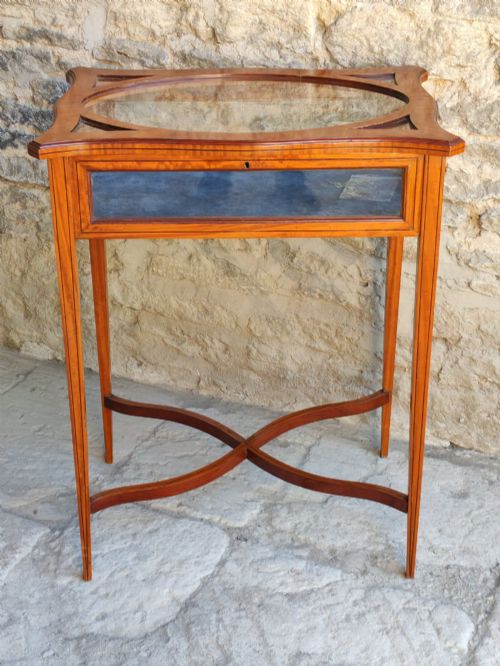
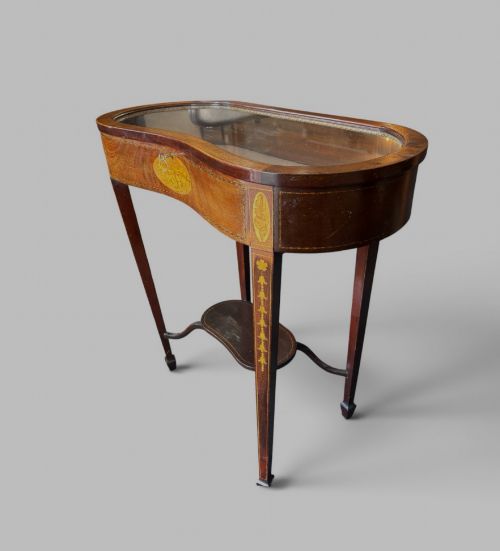
When you search for a cabinet of curiosities box, you find a diverse group of vessels designed to store and exhibit unusual objects, specimens and small treasures. The selection includes everything from tabletop display tables and bijouterie cabinets to dedicated taxidermy cases and microscope slide holders.
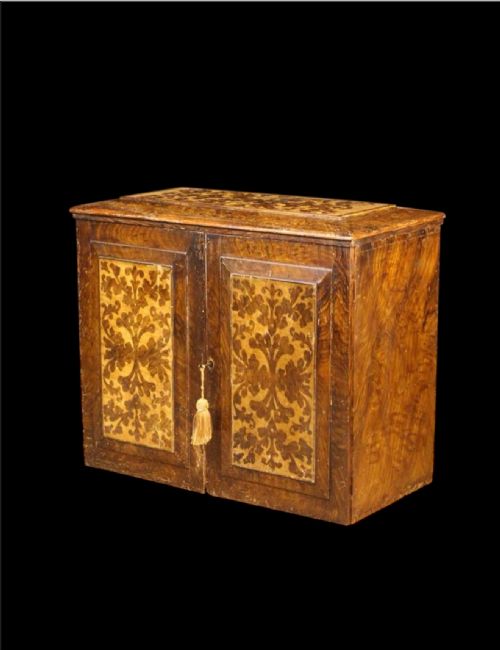
The pieces span multiple eras, with Victorian and Edwardian examples forming the largest share of the available stock. You will encounter forms ranging from kidney-shaped inlaid display tables to seventeenth-century ebony table cabinets and early twentieth-century natural history cases.
How they were made
Timbers such as mahogany, walnut, satinwood, ebony and kingwood provide the primary structural framework for these boxes and tables. Artisans frequently utilised fine veneer work, marquetry and contrasting stringing to ornament the exterior surfaces.
Glazed panels feature prominently in the display tables and specimen cases, allowing light to enter while protecting the contents within. Brass hinges, locks and decorative mounts add functional and visual detail to the woodwork.
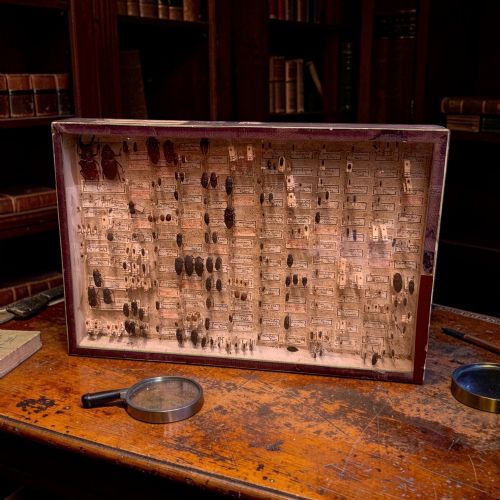
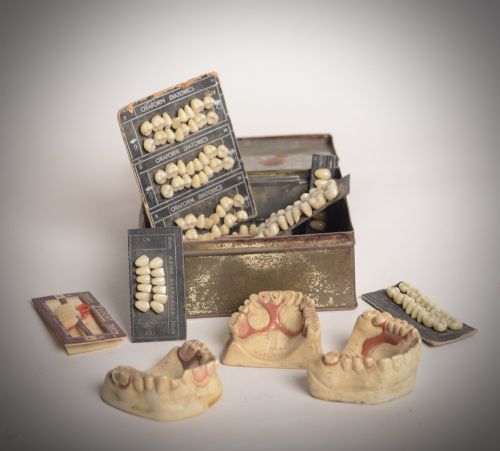
Specialist interiors often incorporate fitted drawers, paper linings, or delicate partitions tailored to hold fragile items like microscope slides, feathers and mounted taxidermy specimens securely.
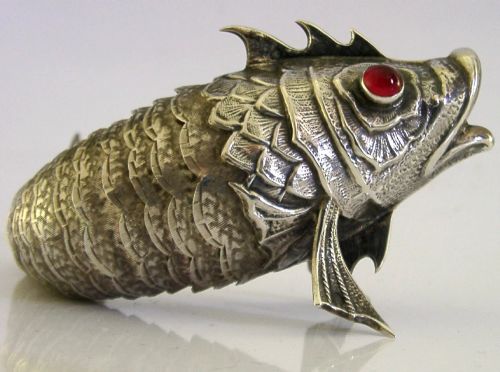
Object forms span display tables, bijouterie tables, taxidermy, table cabinets, decorative objects, specimen display cases, medical samples and collectors cabinets.
What varies in quality
The refinement of the timber selection and the precision of the cabinetmaking set standard examples apart from exceptional pieces. Superior items display harmonious proportions, sophisticated veneer matching and meticulous inlay work.
The integrity of the original glass, internal fittings and hardware dictates the overall archaeological value of the object. Pieces that retain their specialised interior shelving or original paper linings command greater interest from discerning collectors.
The Cabinet of Curiosities Box Glossary
- Bijouterie table
- A glass-topped display table specifically designed for showing small ornaments, jewels and curiosities. These tables typically feature hinged lids and silk-lined interiors.
- Marquetry
- The art of applying pieces of veneer to a structure to form decorative patterns and pictures. Craftsmen utilise various coloured woods to create intricate floral or geometric designs.
- Taxidermy case
- A glazed wooden enclosure built to house and preserve mounted animal specimens. These cases protect fragile feathers and fur from dust and handling.
- Table cabinet
- A portable miniature cabinet placed on top of a desk or table to store small valuables or specimens. Seventeenth-century versions frequently employ dense hardwoods like ebony.
- Satinwood
- A durable, lustrous wood with a golden-yellow sheen utilised for fine cabinetmaking. It is often employed for stringing, banding and full veneer surfaces.
Cabinet of Curiosities Box: Frequently Asked Questions
What is a cabinet of curiosities box?
A cabinet of curiosities box is a specialised container or small piece of furniture designed to house and display natural history specimens, scientific samples, and small precious objects.
These pieces range from glass-topped table cabinets and bijouterie display tables to enclosed taxidermy cases and dedicated collectors boxes.
How do I date a Victorian display table?
Dating a Victorian display table involves examining the primary timbers, construction methods, and hardware style. Pieces from this era often feature mahogany or walnut frames with glazed top compartments.
Consulting the specific characteristics recorded in the title helps place the piece within the broader nineteenth-century timeline.
How should I clean a wooden display case?
Cleaning antique wood requires gentle dusting with a soft, dry cloth to protect the polished surface and any delicate veneer work. Avoid modern liquid polishes that can build up and harm historic finishes.
Glass panels benefit from careful application of standard glass cleaner applied to a cloth rather than sprayed directly onto the wood.
What items belong in a curiosity cabinet?
Historical cabinets typically held natural history specimens, taxidermy birds, medical samples, and unusual geological or botanical finds. Owners curated these collections to reflect personal travels and scientific curiosity.
Today, collectors continue to display similar small curiosities inside these period glass-topped tables and wooden boxes.