


Cabinet Art Pair
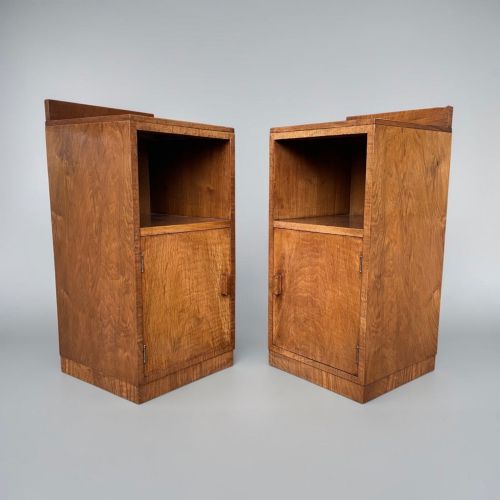
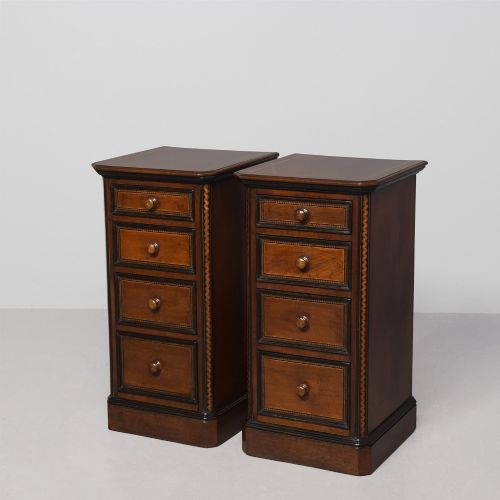
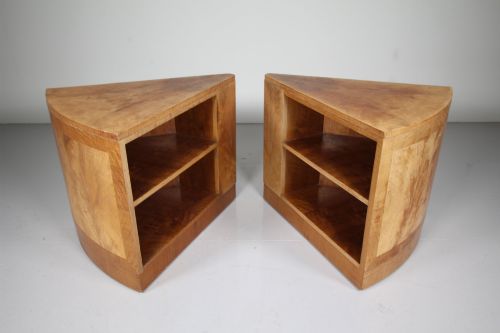
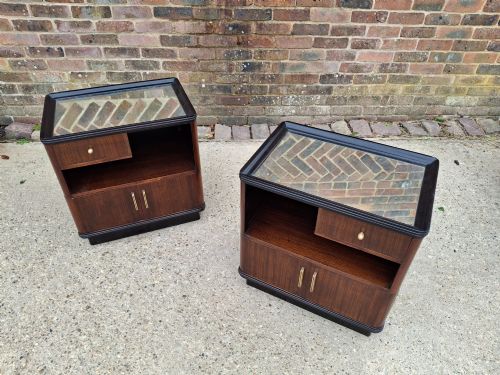
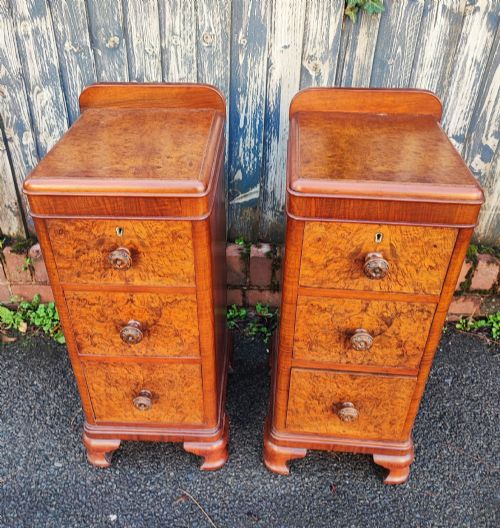
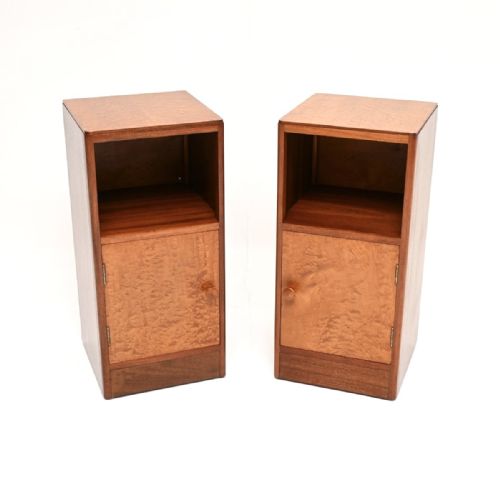
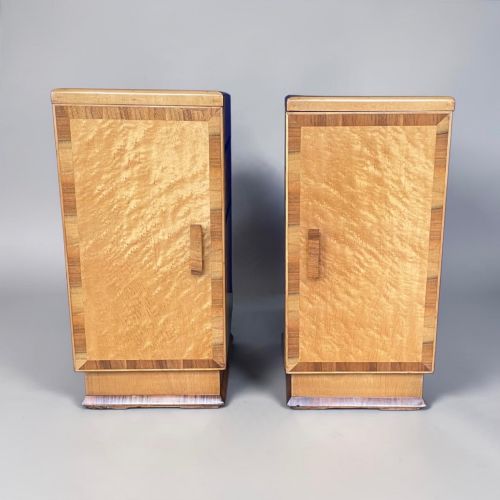
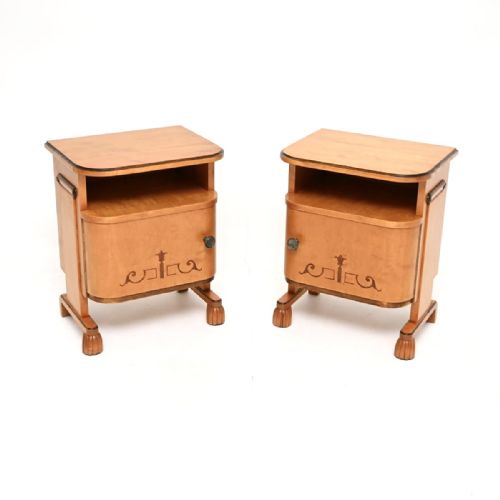
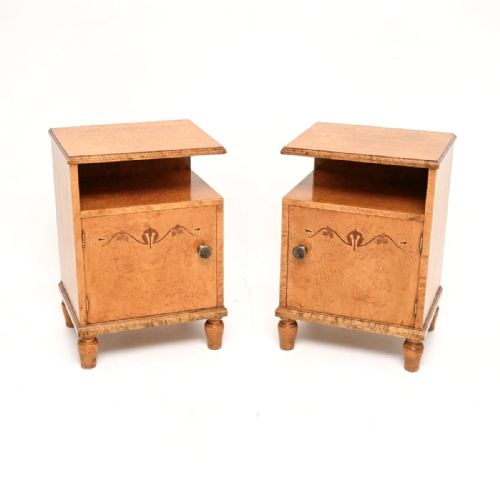
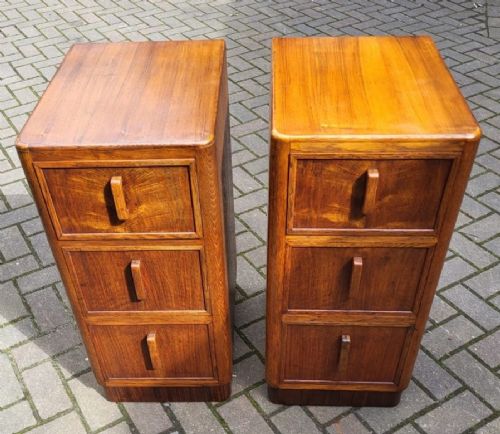
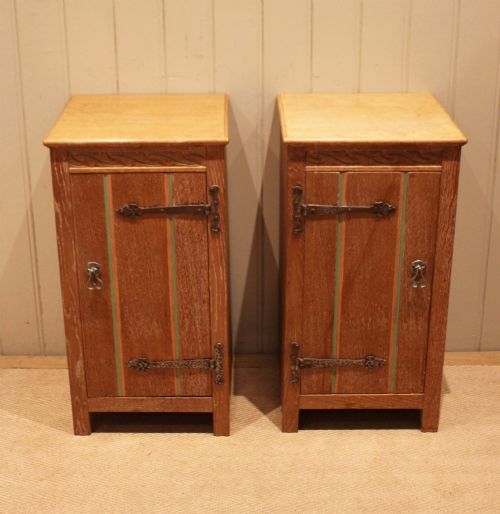
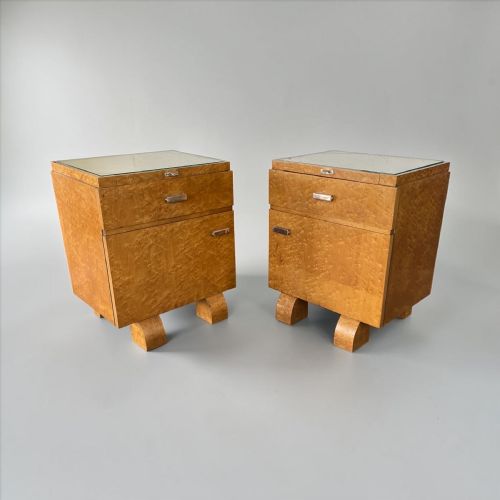
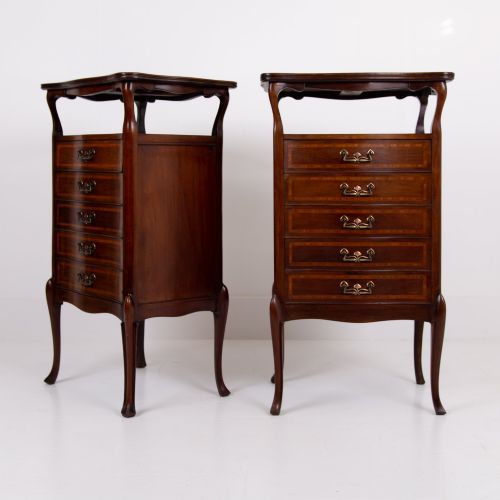
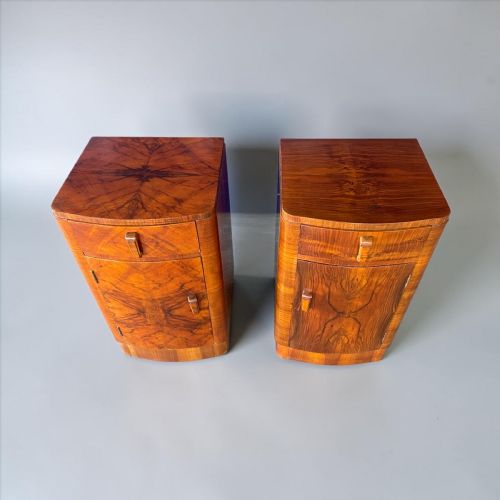
A cabinet art pair brings balanced symmetry to a room, most often found here as matching twentieth-century bedside tables or display cabinets.
Cabinet Art Pair
When searching for a cabinet art pair, buyers look for matching items designed to sit together, predominantly taking the form of bedside tables, nightstands, and small cabinets. The pieces span from the eighteenth and nineteenth centuries into the robust modernist movements of the twentieth century.
The twentieth-century examples dominate the selections here, specifically originating from the Art Deco period. These items balance practical storage with the decorative veneered surfaces characteristic of the era.
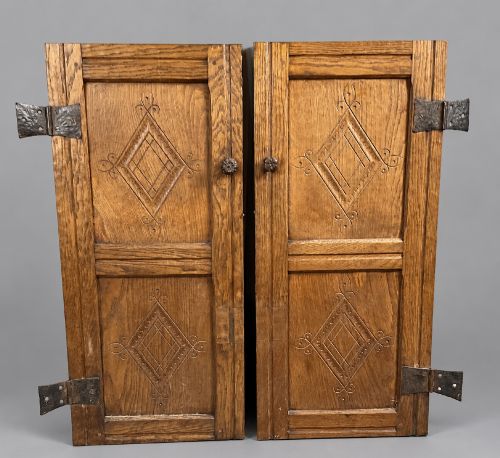
Alongside tables and cabinets, the listings encompass framed prints, wall art, carved panels, and architectural doors. These varied items share the common defining characteristic of being offered as matching pairs.
Materials and construction methods
Cabinet makers utilised a variety of solid timbers and decorative veneers to build these pieces. Walnut, oak, ash, and mahogany provide the structural foundations, while burr walnut, satin birch, satinwood, and birdseye maple supply decorative surface figuring.
Techniques range from traditional joinery on nineteenth-century pieces to sleek veneering methods on Art Deco designs. Certain items incorporate contrasting materials, such as marble tops placed on wooden French cabinets or brass hardware fitted to drawers and doors.
Cabinet Art Pair Retail Price Guide 2026
Typical asking prices for cabinet art pair among the pieces listed under this phrase on Sellingantiques today, from the lower quarter to the upper quarter. They describe what is for sale here now, not the wider market.
The site listings feature items spanning from the 18th century through the Art Deco period of the 1930s.
Distinctions in quality
Quality rests upon the selection of timber veneers and the precision of the matching grain across both pieces in the pair. Matched figured woods like birdseye maple or burr walnut indicate higher standards of craftsmanship.
Construction integrity and the preservation of original surfaces separate standard examples from finer works. Intact marble tops, original hardware, and cleanly executed carved details elevate the standing of a pair.
Maurice Adams·William Bird MD FLS·Shuzan for Yasuda
The Cabinet Art Pair Glossary
- Art Deco
- A design style spanning the 1920s and 1930s characterised by clean geometric lines and stylised motifs. It heavily influences the bedside cabinets and tables seen in these listings.
- Veneer
- A thin layer of decorative timber applied to a sturdier secondary wood base. This technique allows cabinet makers to display dramatic grain patterns like burr walnut across flat surfaces.
- Satin Birch
- A pale, lustrous timber utilised extensively in Swedish modern and Art Deco furniture manufacturing. It yields a bright, reflective finish on smaller case pieces.
- Arts and Crafts
- A movement prioritising traditional handcraftsmanship and simple structural forms over mass production. Pieces from this aesthetic often display exposed joinery and waxed oak or ash surfaces.
- Nightstand
- A small bedside table designed to hold lamps or personal items while housing a drawer or cupboard space below. They are frequently traded in matching pairs.
Cabinet Art Pair: Frequently Asked Questions
What is a cabinet art pair?
A cabinet art pair consists of two matching furniture items, typically bedside cabinets or display units, designed to match each other.
They offer balanced placement options within a bedroom or living space.
How do I identify Art Deco pieces?
Art Deco items show geometric forms, symmetric arrangements, and smooth polished wood veneers.
They rely on materials like walnut, satin birch, and birdseye maple to create visual depth without heavy carving.
Are all pairs exact matches?
Most listings show matching pairs created together by the same workshop or manufacturer.
Occasionally, items are described as near pairs if they share identical periods and dimensions with minor variations.
How should I clean wood surfaces?
Waxed or polished wooden cabinets require gentle dusting with a soft cloth to protect the finish.
Avoid harsh chemical cleaners that can strip historical wax or damage delicate veneers.