






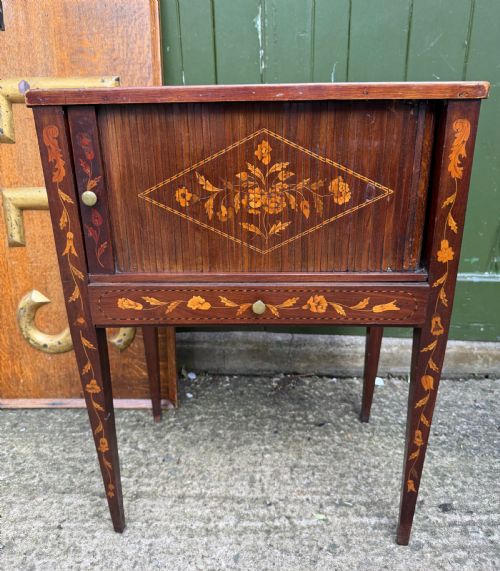


C19th Side Table
A c19th side table offers a versatile surface for a lamp or books, carrying the distinct craftsmanship of the nineteenth century into modern rooms.
C19th Side Table
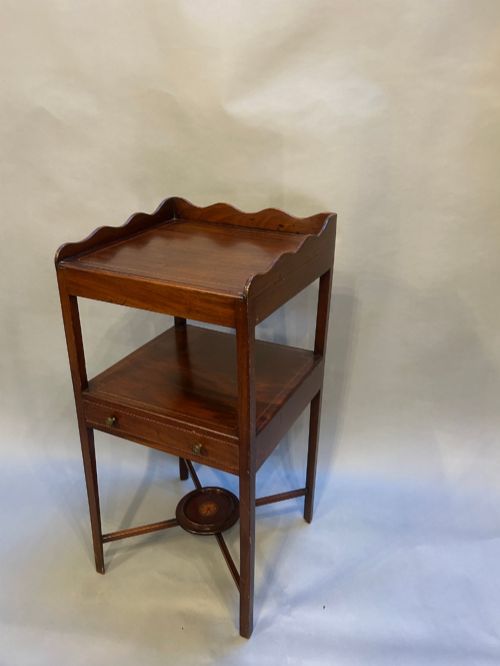
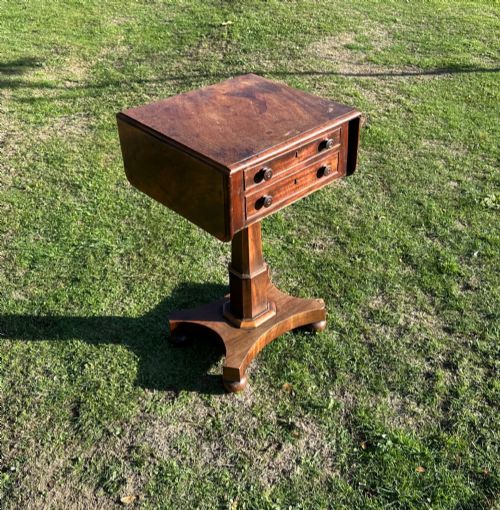
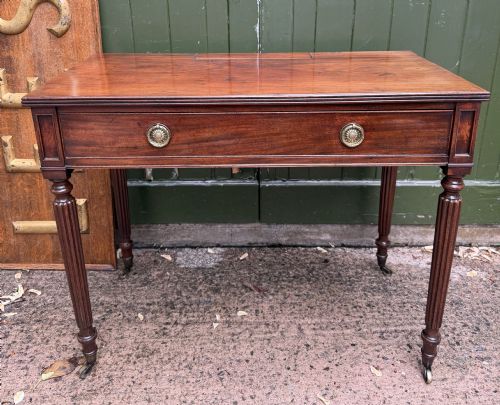
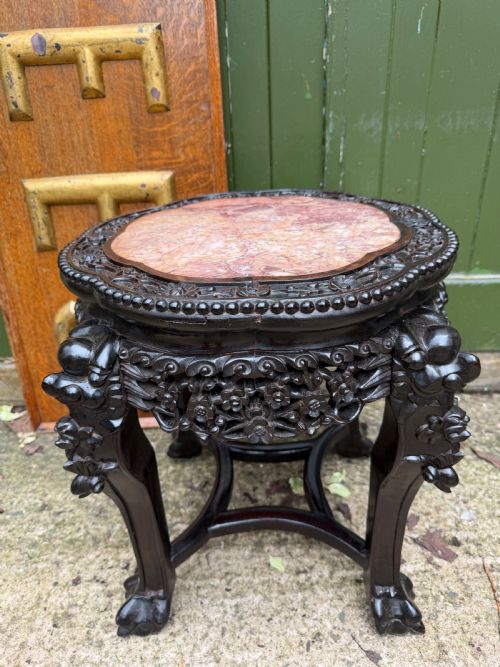
A c19th side table spans a variety of utilitarian and decorative forms, including occasional tables, lamp tables, console tables, and tiered buffets originating from British, European, and Asian workshops. Mahogany and rosewood examples from the Georgian, Regency, and William IV periods frequently appear alongside carved hardwood pieces from the Chinese Qing Dynasty and walnut Biedermeier designs.
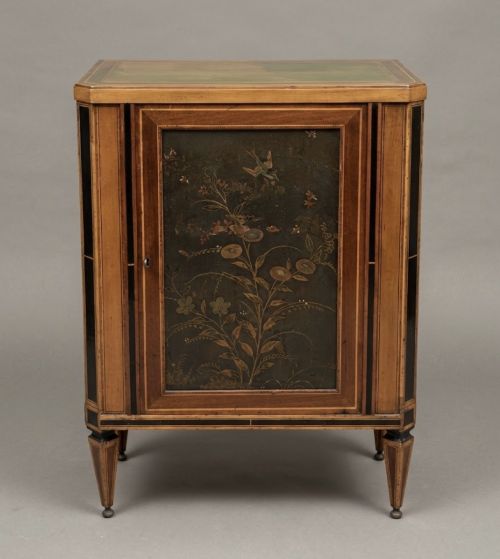
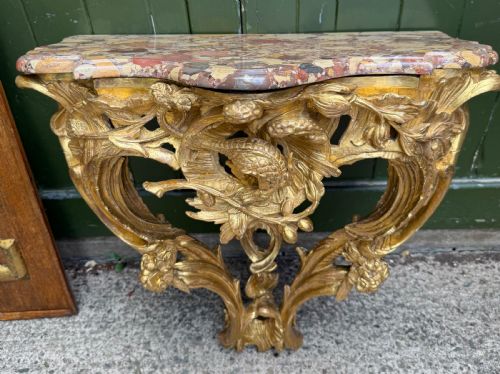
Buyers encounter numerous regional interpretations, such as French gilt-wood console tables with marble tops, Dutch floral marquetry bedside cupboards, and Anglo-Indian exotic wood tables. These pieces served diverse domestic functions, acting as surfaces for cards, writing, or display.
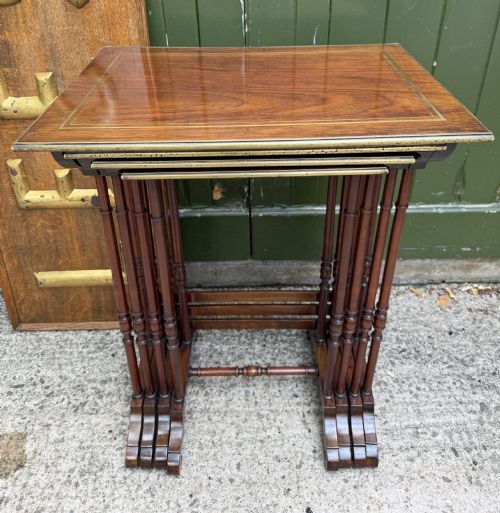
The selection ranges from compact tripod wine tables and nesting quartetto sets to larger centre tables and low jardiniere stands. Domestic interiors of the nineteenth century relied on these flexible formats for daily utility and formal presentation.
Materials and Technique
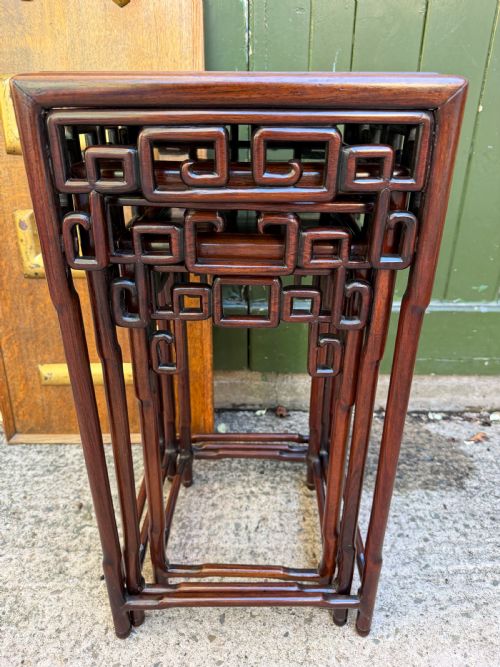
Cabinetmakers utilised dense timbers like mahogany, rosewood, oak, and walnut, often applying veneers of satinwood, kingwood, or Birds Eye maple to create patterned surfaces. Solid hardwoods such as huali and hongmu feature heavily in Chinese Qing Dynasty pieces, shaped through intricate carving.
Decorative techniques include brass inlay, floral marquetry, parquetry, and bone decoration, alongside carved gilt-wood and lacquered papier-mâché. Insets of breche d'alep, rouge, and variegated marble provide durable top surfaces on console and gueridon tables.
C19th Side Table Retail Price Guide 2026
Typical asking prices for c19th side table among the pieces listed under this phrase on Sellingantiques today, from the lower quarter to the upper quarter. They describe what is for sale here now, not the wider market.
One clever nineteenth century design offers a nest of four tables that slip together like ghostly stacking dolls.
Distinctions in Execution
The standard of timber selection and the precision of the joinery determine the calibre of a c19th side table. Finer examples display carefully matched veneer grains and tight, well-fitted framing that endures centuries of use.
The depth and sharpness of carved elements, whether the crisp foliage on a George IV mahogany piece or the intricate bone and wood inlays on Qing Dynasty items, separate ordinary production from superior workshop output.
Liberty and Co.·Gillows of Lancaster·A. Beurdeley
The C19th Side Table Glossary
- Gueridon
- A small French table, often circular, designed to hold a light or a vase. These pieces frequently rest on a central pedestal.
- Marquetry
- The art of forming decorative patterns by fitting together small pieces of wood veneer, shell, or ivory. Craftsmen applied this technique to tabletops and friezes.
- Parquetry
- Geometric mosaic woodwork used for ornamenting floors and tabletops. It relies on the precise alignment of contrasting timber blocks.
- Quartetto
- A set of four nesting tables that fit neatly beneath one another. They gained popularity during the Regency period.
- Bouillotte
- A small French card table with a raised edge or gallery around the perimeter. The top is typically lined with marble or leather.
C19th Side Table: Frequently Asked Questions
What is a c19th side table used for today?
These tables function well as lamp stands beside seating, bedside surfaces, or decorative display points in hallways and living rooms.
Their compact dimensions allow them to fit into modern spaces while providing a functional timber surface.
How do I identify a Regency period table?
Regency pieces often incorporate classical motifs, brass inlay, and rosewood veneers influenced by ancient Greek and Roman designs.
Look for clean architectural lines, lyre supports, and formal symmetry typical of the early nineteenth century.
Are marble-topped tables fragile?
The inset marble panels on console and gueridon tables add substantial weight and durability to the upper surface.
While the stone resists heat and moisture better than polished wood, the surrounding timber frames require standard care.
What distinguishes Chinese Qing Dynasty tables here?
Qing Dynasty tables utilise dense huali and hongmu hardwoods, featuring deep carving and intricate bone or marble insets.
These pieces reflect distinct Eastern woodworking traditions that contrast with contemporary European cabinet styles.