




C.1900 Stick Stand
A c.1900 stick stand organises hallway clutter with the distinct craft traditions of the turn of the century.
C.1900 Stick Stand
A c.1900 stick stand serves as a practical entryway furnishing for holding walking canes, umbrellas, and parasols. These pieces originate predominantly from the late Victorian, Edwardian, and turn of the century periods, reflecting the domestic habits of the era.
Makers utilised various regional styles, producing French cast iron models, English oak pieces, and Japanese examples. Each object provides a functional focal point for a reception hall or corridor.
How they were made
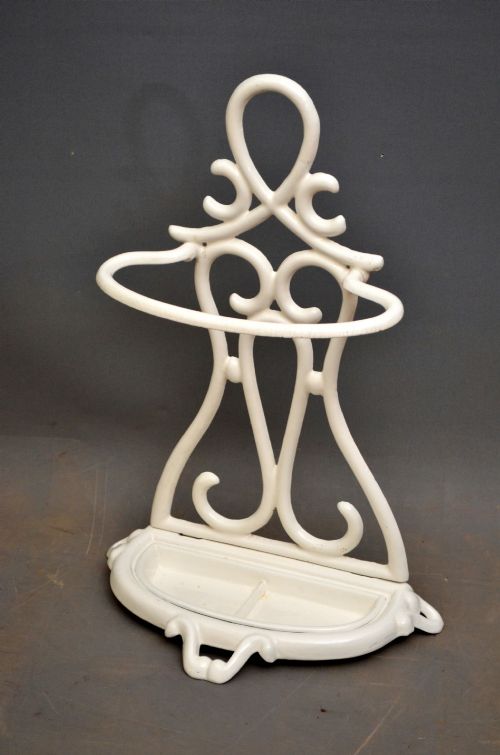
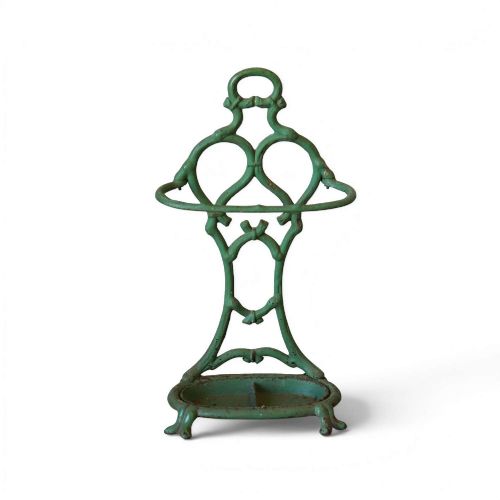
Surface decoration includes white enamel finishes on cast iron, faux bois bamboo moulding, and bamboo chinoiserie construction. Makers combined structural durability with decorative surface treatments suited to high-traffic hallways.
C.1900 Stick Stand Retail Price Guide 2026
Typical asking prices for c.1900 stick stand among the pieces listed under this phrase on Sellingantiques today, from the lower quarter to the upper quarter. They describe what is for sale here now, not the wider market.
Some Victorian households utilised unconventional leather buckets and baskets as makeshift stick stands for muddy walking poles.
What varies in quality
Quality in a c.1900 stick stand depends on the integrity of the materials and the sophistication of the design execution. Pieces incorporating cast iron with detailed moulding or solid oak with carved Arts and Crafts motifs represent higher standards of production.
The preservation of original surface finishes, such as enamel coatings or patinated brass, distinguishes superior examples. Construction methods, including secure joinery and robust drip trays, dictate the enduring utility of the stand.
Mappin and Webb·Fukagawa
The C.1900 Stick Stand Glossary
- Art Nouveau
- A decorative style characterised by organic lines, flowing plant motifs, and asymmetric forms popular around 1900. It appears frequently in continental metalwork and cast iron stands.
- Arts and Crafts
- A design movement prioritising traditional craftsmanship, visible construction, and simple forms. This aesthetic is typical in English oak hallway furnishings from the period.
- Faux bois
- An artistic imitation of wood texture applied to other materials, commonly seen on cast iron umbrella stands mimicking bamboo. It combined the strength of metal with a rustic organic appearance.
- Bentwood
- A technique of steaming wood to make it pliable enough to bend into curved shapes. This method created lightweight yet sturdy frames for hall furniture.
- Chinoiserie
- European artistic interpretation of Chinese and East Asian decorative traditions. Bamboo pieces from this era often adopted these exotic motifs.
C.1900 Stick Stand: Frequently Asked Questions
Where should I place a c.1900 stick stand?
These pieces belong in a hallway, porch, or reception room where guests enter the home. They function best against a sturdy wall near the primary entrance.
Ensure there is adequate floor clearance so the stand can hold umbrellas and canes without obstructing foot traffic. Placing a protective mat underneath helps catch any residual moisture from wet weather gear.
How do I clean a cast iron stick stand?
Dust the metal surface regularly with a soft, dry cloth to prevent the accumulation of dirt in recessed mouldings. Avoid harsh chemical cleaners that might damage enamel or aged patinas.
For pieces with white enamel finishes, wipe gently with a damp cloth and dry immediately. Check internal drip trays periodically to remove standing water and prevent corrosion.
Are these stands suitable for daily use?
Most antique stands remain sturdy enough for everyday storage of modern umbrellas and walking sticks. Solid wood and cast iron constructions were built to withstand heavy daily domestic traffic.
Take care when placing heavy or sharp items into delicate bamboo or wicker-style baskets to avoid structural wear. Using modern liners inside older metal bases protects the original interior from moisture.
How do I identify an Art Nouveau stick stand?
Look for whipped curves, stylised floral patterns, and asymmetrical plant-inspired silhouettes in the frame. French and Belgian metal examples frequently employ these fluid, organic shapes.
Cast iron models often feature relief work depicting stems, seed pods, or water lilies. This distinct aesthetic separates them from the stricter geometric forms of earlier Victorian pieces.