

C1900 Side Table
A c1900 side table brings early twentieth-century proportions and rich timber character into modern rooms without dominating the floor space.
C1900 Side Table
A c1900 side table encompasses a diverse range of compact occasional furniture produced around the turn of the twentieth century, including Edwardian iterations and revivals of earlier stylistic periods. These pieces serve practical functions in domestic spaces as bedside stands, console surfaces, and small writing desks.
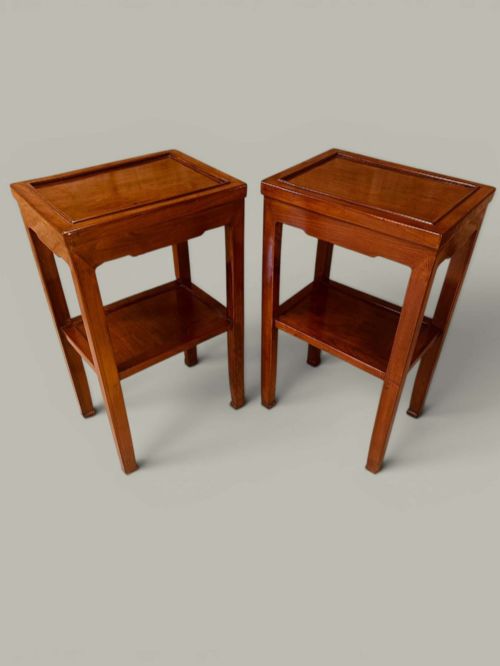
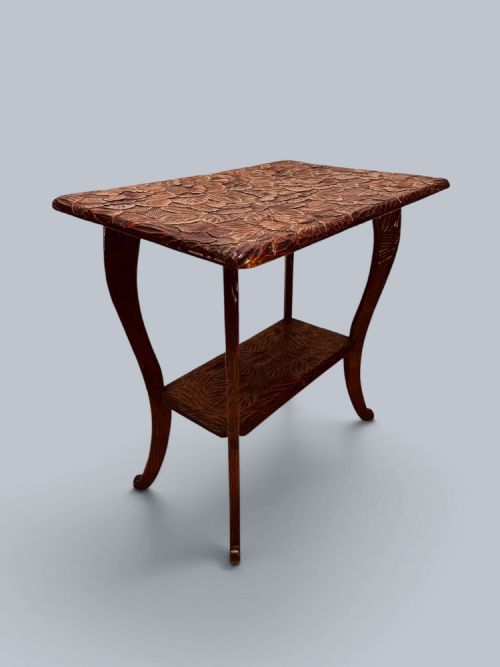
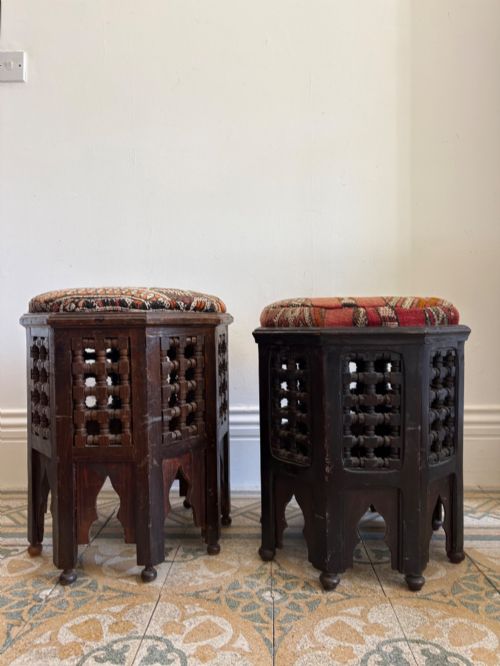
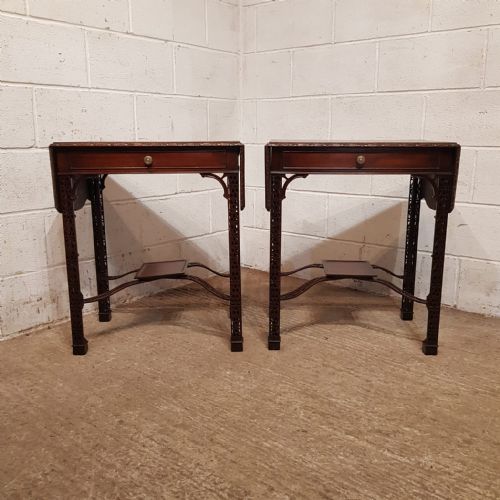
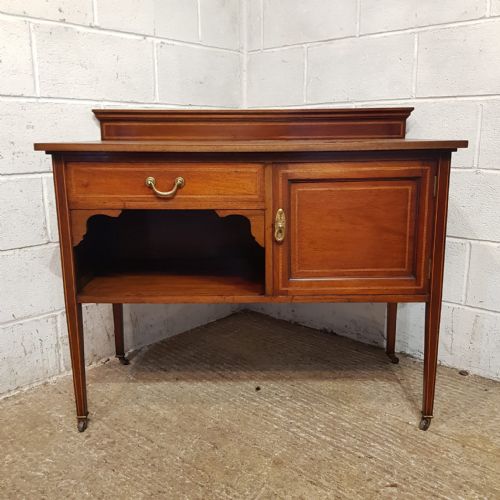
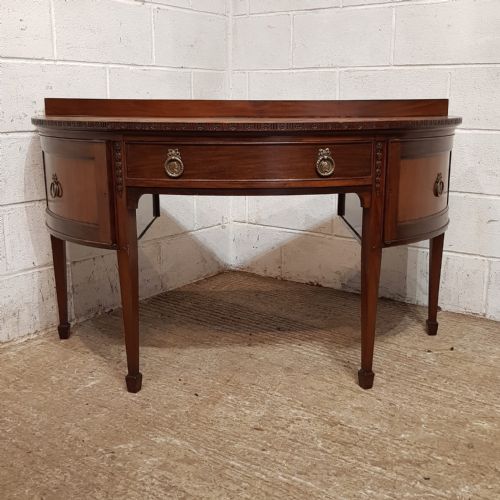
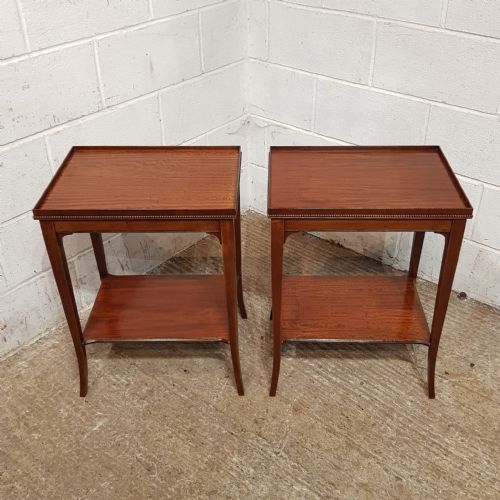
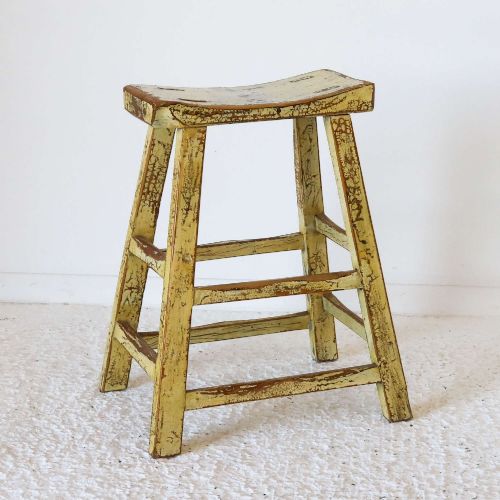
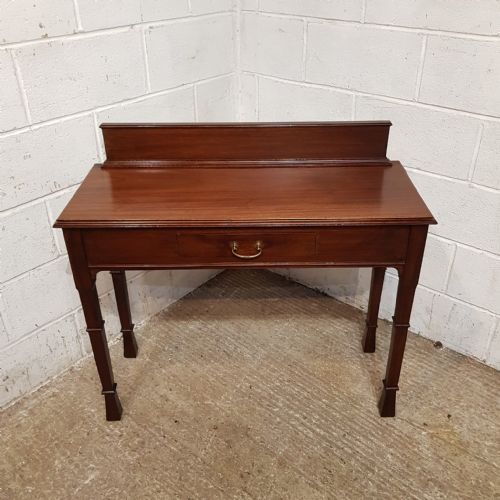
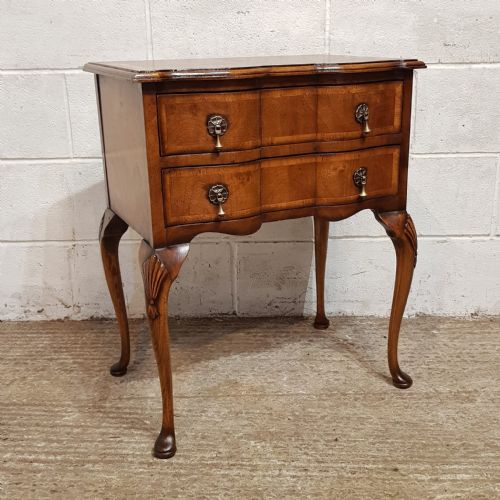
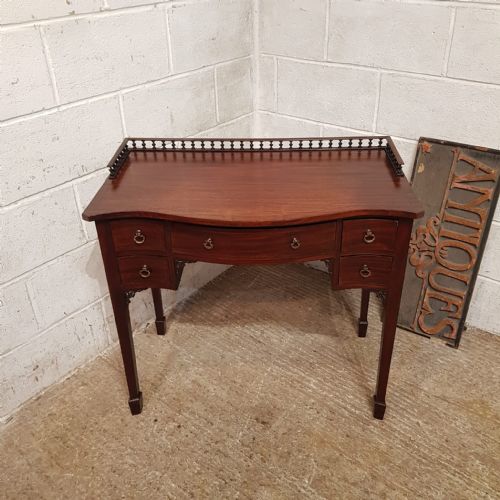
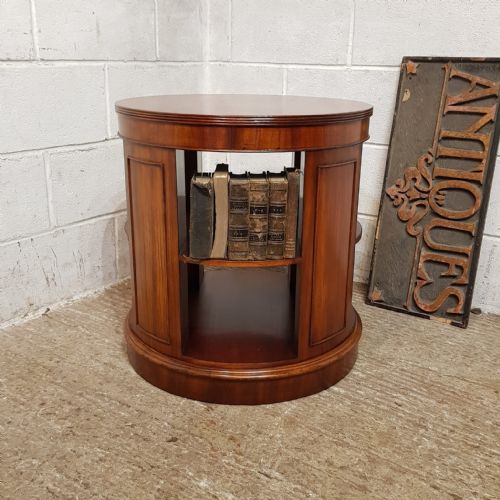
The selection on this page shows strong representation from Edwardian mahogany designs alongside walnut, oak, and hardwood examples, often incorporating drop leaves or tier structures. Regional variations such as Moorish octagonal stools, Anglo Indian carved teak tables, and French provincial styles appear frequently among the listings.
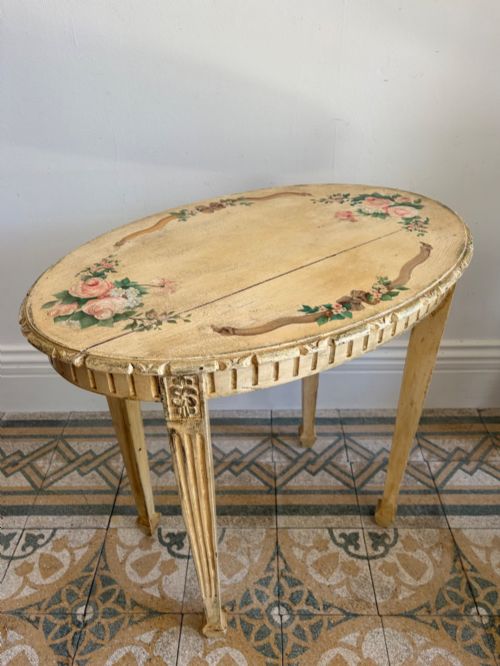
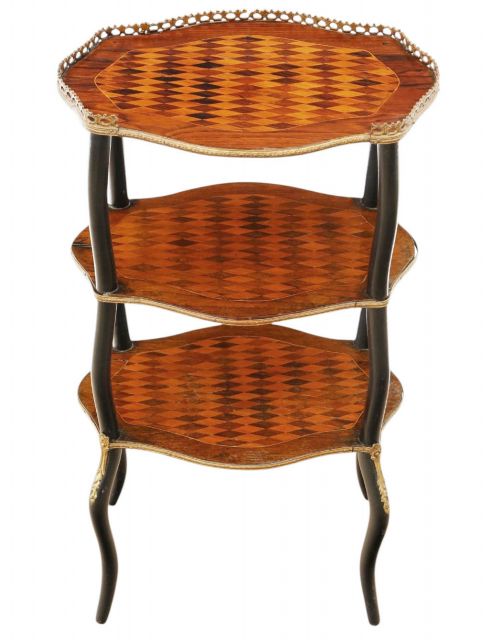
Buyers seeking a c1900 side table will encounter both utilitarian forms and decorative items featuring parquetry, brass fittings, or painted details. These surfaces reflect the eclectic taste of the period, bridging Victorian heaviness and lighter twentieth-century aesthetics.
Materials and construction
Makers of the era relied heavily on mahogany, walnut, and oak, frequently selecting figured timbers for top surfaces and drawer fronts. Hardwoods and exotic materials like coromandel and teak appear in specific regional pieces, whilst brass, bronze ormolu, and marble add contrasting decorative weight.
Joinery methods combined traditional hand-cutting with emerging machine assistance, evident in drawer construction and turned elements such as barley twist legs. Surface finishes varied from polished wood and original lacquer to later hand-painted treatments and inlaid parquetry.
C1900 Side Table Retail Price Guide 2026
Typical asking prices for c1900 side table among the pieces listed under this phrase on Sellingantiques today, from the lower quarter to the upper quarter. They describe what is for sale here now, not the wider market.
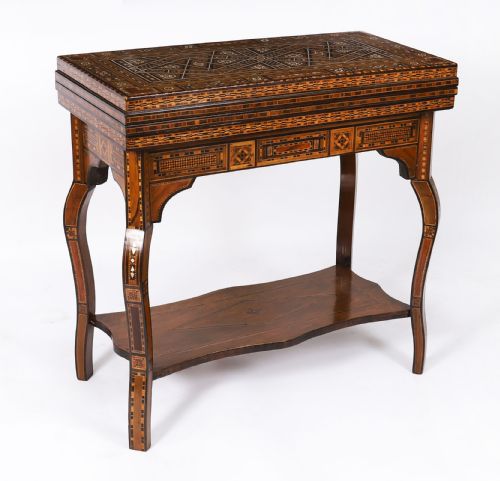
Some tables double as game boards with inlaid chess and backgammon grids ready for an impromptu match.
Markers of quality
Quality in a c1900 side table rests upon the selection of timber and the precision of decorative elements such as marquetry inlay or carved detailing. Pieces that retain their original hardware, stable structural joints, and uncompromised surface finishes stand apart from those with later alterations.
The distinction between standard commercial output and superior workshop production lies in the crispness of mouldings, the handling of secondary timbers inside drawers, and the overall balance of proportion in revival styles.
The C1900 Side Table Glossary
- Drop leaf
- A table featuring hinged flaps on the sides that fold down to save space or lift up to extend the surface area.
- Whatnot
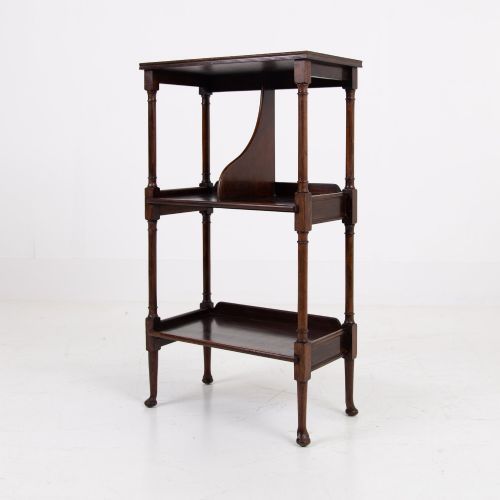
- A set of open shelves supported by slender pillars, utilised for displaying ornaments or holding books.
- Parquetry
- A geometric mosaic of wood pieces used for decorative inlay on floors, table tops, and cabinet doors.
- Serpentine front
- A piece of furniture featuring a front contour that curves outward in the centre and inward at the sides.
- Ormolu
- Gilded bronze applications utilised as decorative mounts on French style furniture and tables.
C1900 Side Table: Frequently Asked Questions
What is a c1900 side table used for?
These pieces function as versatile surfaces in living rooms, hallways, and bedrooms for holding lamps, books, or decorative objects.
Their compact scale allows them to fit easily into tight corners or transitional spaces where larger furniture proves impractical.
How do I identify an Edwardian piece?
Edwardian furniture generally exhibits lighter proportions and simpler lines than preceding Victorian designs, often favouring mahogany.
Many examples incorporate subtle satinwood inlay, tapered legs, and influences from Sheraton or Chippendale revival styles.
Are drop leaf tables sturdy?
Drop leaf variants rely on hinged wooden flaps supported by swinging legs or brackets to create an extended surface.
When properly adjusted and maintained, these mechanisms provide reliable daily support while remaining adaptable for smaller rooms.
What materials are common?
Mahogany, walnut, and oak dominate the domestic British production of this era, alongside various imported hardwoods.
More specialised pieces introduce marble tops, brass mounts, Kilim upholstery, or intricate hand-carved teak construction.