




C1900 Armchairs
These c1900 armchairs offer substantial period seating, spanning Edwardian, Victorian, and global vernacular designs that anchor a room with genuine character.
C1900 Armchairs
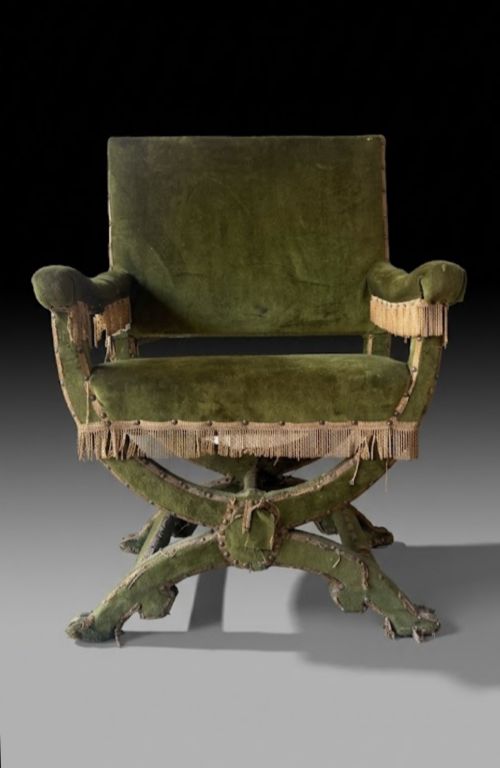
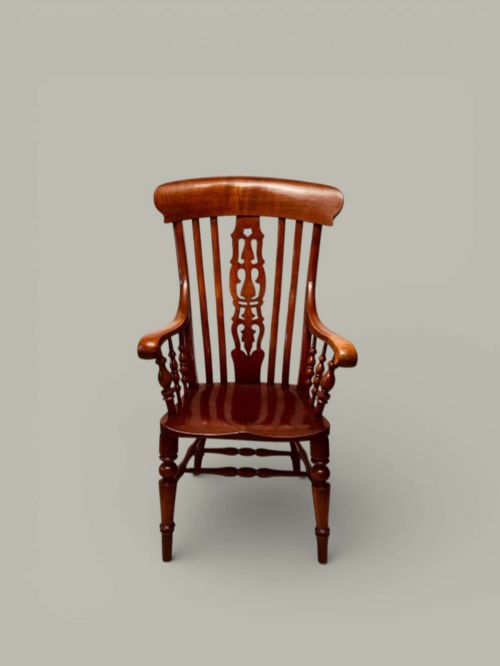
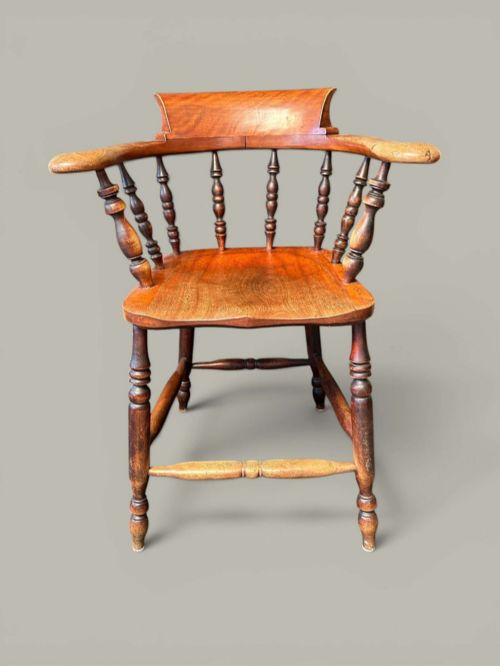
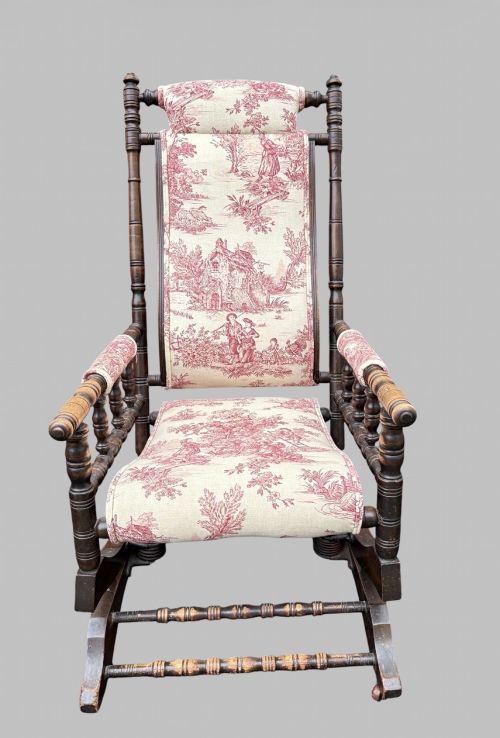
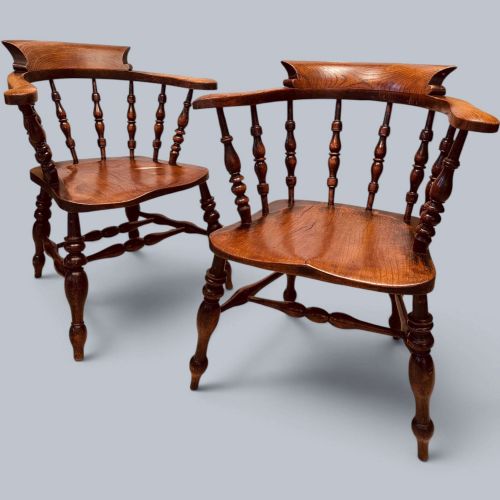
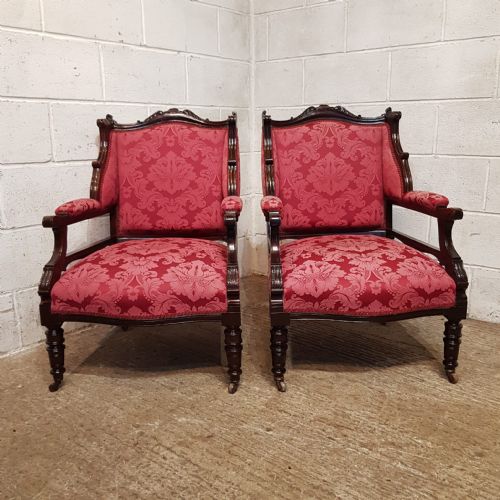
When searching for c1900 armchairs, you encounter a remarkably diverse group of seating spanning the Victorian and Edwardian eras. The selection ranges from English country windsor and library desk chairs to carved mahogany fireside seats and imported colonial forms.
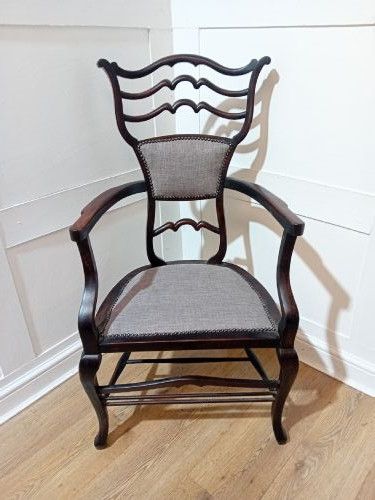
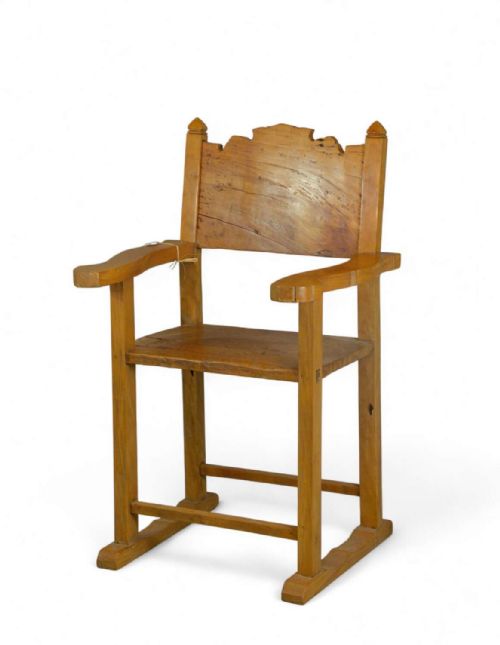
You are most likely to meet Edwardian mahogany and walnut examples upholstered in damask or fabric, often featuring inlaid details or button backs. Alongside these, robust elm and hardwood farmhouse armchairs provide an alternative domestic aesthetic.
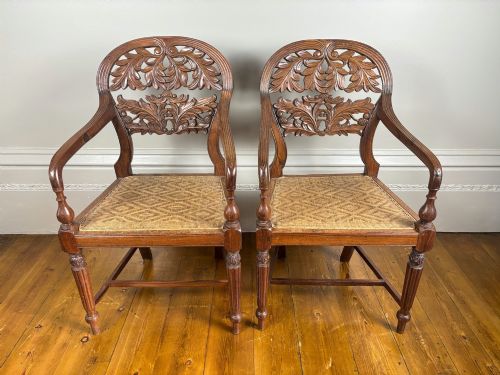
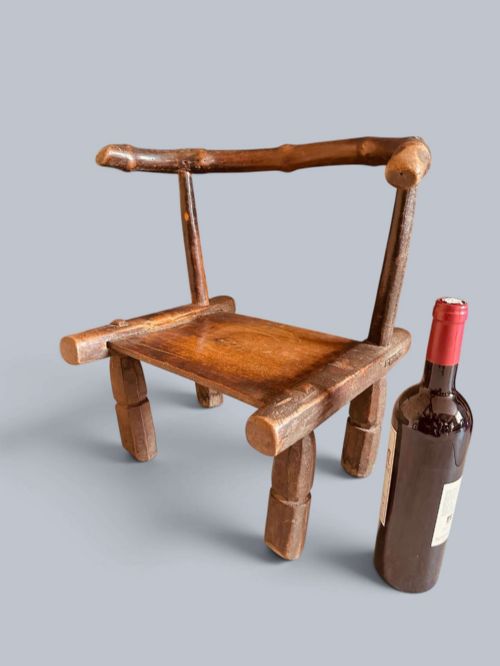
The global reach of the period appears in Chinese hardwood and marble pieces, Anglo-Indian armchairs, and giant throne chairs from the Philippines. Tub chairs, rocking chairs, and swivel variants complete the range of domestic seating forms.
How they were made
Construction relies heavily on traditional timber framing using hardwoods such as mahogany, walnut, oak, elm, ash, and alder. Carpenters shaped these materials into robust structural supports, comb backs, and bow backs.
Decorative and structural detailing involves hand carving, inlay work, and the application of upholstery studs. Upholstered elements frequently incorporate damask fabric and traditional stuffing techniques to create sprung or padded seats.
C1900 Armchairs Retail Price Guide 2026
Typical asking prices for c1900 armchairs among the pieces listed under this phrase on Sellingantiques today, from the lower quarter to the upper quarter. They describe what is for sale here now, not the wider market.
Listings include multiple timber varieties, spanning mahogany, walnut, oak, elm, ash, alder, and exotic hardwoods alongside marble and damask fabric.
What varies in quality
The standard of carving and timber selection sets the baseline for each piece, distinguishing utilitarian farmhouse seating from formal library and salon furniture. Richly figured mahogany and finely carved details demand greater artisanal skill.
The integrity of the original frame structure and the quality of subsequent upholstery restoration determine the durability and visual balance of the armchair. Retaining original hardware, studs, and timber patination elevates the piece.
The C1900 Armchairs Glossary
- Bergere
- An enclosed armchair with upholstered back and sides, typically featuring cane or fabric panels. This form offers a distinct silhouette common in formal rooms.
- Comb back
- A Windsor chair variation where the vertical spindles extend up through a headrest rail resembling a comb. It provides sturdy back support.
- Damask fabric
- A reversible figured cloth woven on a jacquard loom, frequently utilised for formal upholstery. Its intricate patterns add texture to seating.
- Tub chair
- An armchair with a rounded, curved back that flows continuously into the arms. This design cocoons the sitter for comfort.
C1900 Armchairs: Frequently Asked Questions
What is a c1900 armchair?
A c1900 armchair is a piece of seating furniture produced around the turn of the twentieth century. These items encompass Victorian, Edwardian, and international designs made from various timbers.
They serve as functional seating or decorative focal points in domestic interiors, ranging from office desks to fireside parlours.
How do I identify an Edwardian armchair?
Edwardian armchairs typically feature lighter framing in mahogany, walnut, or inlaid timbers. They often include upholstered pads, carved accents, and refined proportions.
Contrasting with heavier Victorian styles, Edwardian seating tends toward grace and integration with contemporary drawing room aesthetics.
Where were Windsor armchairs used?
Windsor armchairs originated in rural vernacular contexts, serving in farmhouses, captain's quarters, and country residences. Their sturdy ash, alder, and elm construction suited heavy daily use.
Today, they function well in kitchens, studies, or dining spaces as robust accent seating.
How do I live with antique armchairs?
Living with antique armchairs involves balancing their historical character with everyday comfort and placement. Pairing them with contemporary or traditional decor highlights their timber grain and upholstery.
Regular care of the wooden frames and fabric surfaces preserves their condition for daily use.