





C1880 Armchair
These c1880 armchairs combine late nineteenth-century craftsmanship with enduring comfort, offering character and history for any interior.
C1880 Armchair
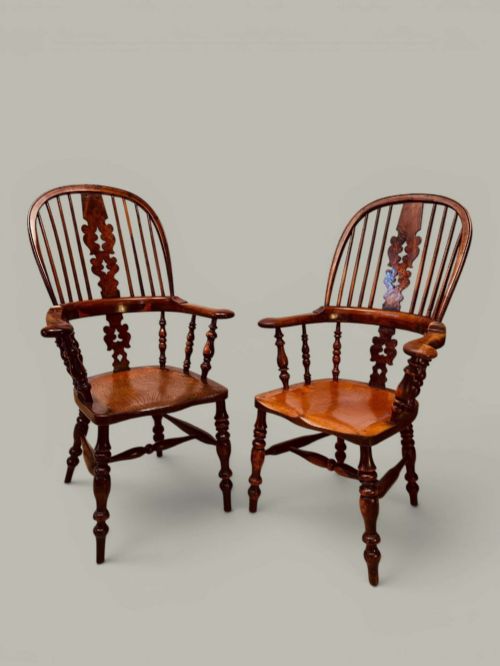
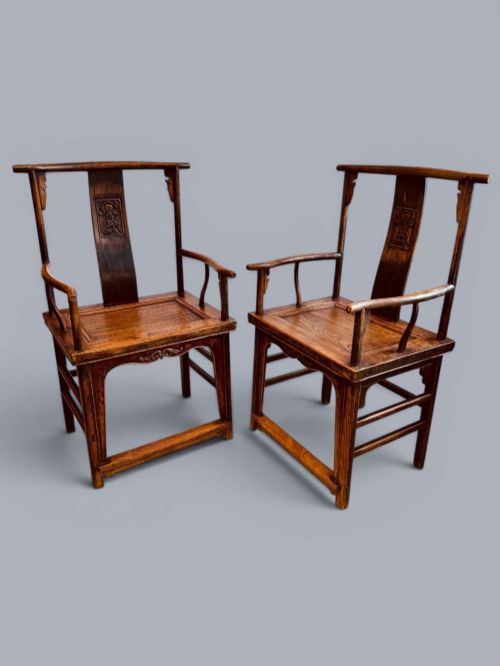
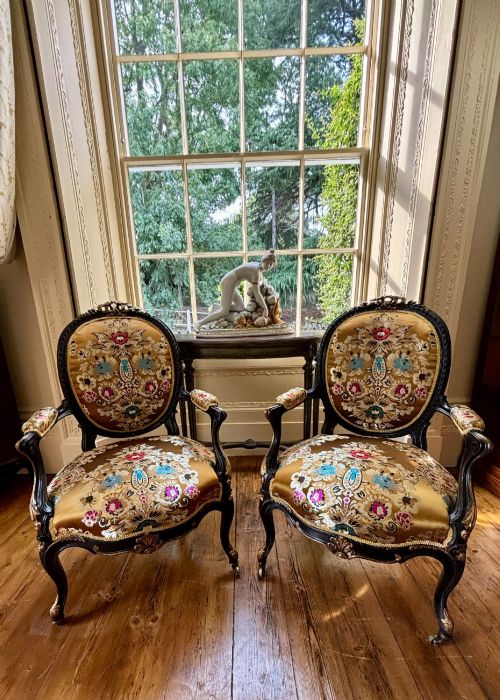
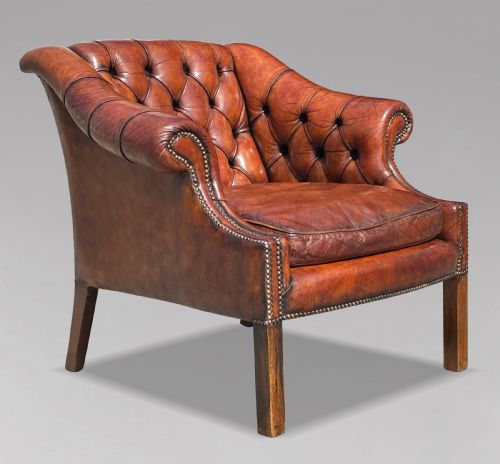
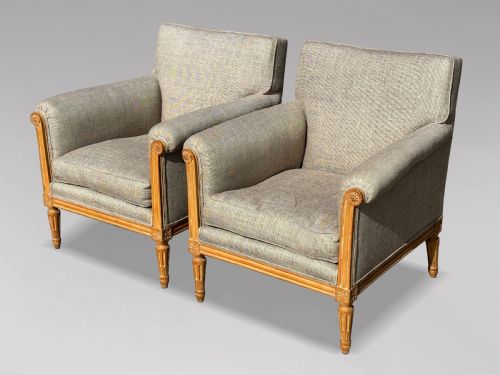
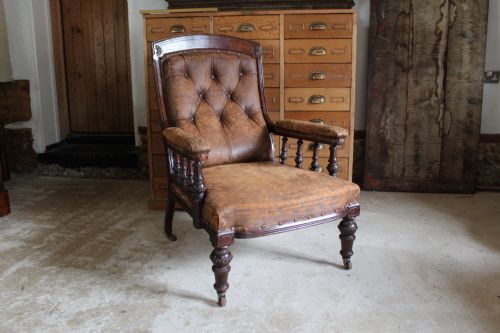
A c1880 armchair brings late nineteenth-century seating into a contemporary interior, representing an era of diverse revival styles and robust domestic comfort. Buyers seeking a c1880 armchair encounter forms ranging from low fireside chairs and sturdy Windsor farmhouse seats to elegant French open armchairs and buttoned lounge chairs.
The selection on this page captures the distinct vernacular and formal designs of the period, spanning Victorian, Victorian Gothic Revival, Louis XV Revival, Louis XVI Revival, Victorian Country, and Aesthetic Movement styles. Walnut, mahogany, beech, ash, elm, and pitch pine provide the structural foundations, while leather and various upholstery fabrics complete the seating.
How they were made
Makers utilised solid timbers such as walnut, mahogany, beech, ash, and elm to construct the frames of a c1880 armchair, employing traditional joinery methods including mortise and tenon. Turned spindle backs and carved elements demonstrate the manual dexterity of nineteenth-century woodworkers working in both urban workshops and rural settings.
Upholstery involved horsehair, springs, and stuffing secured beneath leather, woven leather, or decorative fabrics, often finished with buttoning. Brass hardware and metal components appear on specific folding campaign forms and castors, adding functional utility to the structural woodwork.
C1880 Armchair Retail Price Guide 2026
Typical asking prices for c1880 armchair among the pieces listed under this phrase on Sellingantiques today, from the lower quarter to the upper quarter. They describe what is for sale here now, not the wider market.
Design influences span Victorian, Victorian Gothic Revival, Louis XV and XVI Revivals, and the Aesthetic Movement.
What varies in quality
The refinement of the carving and the selection of timber dictate the distinction between standard production and finer pieces within these listings. Dense hardwoods like walnut and mahogany, combined with crisp hand-carved details or balanced proportions, elevate the status of an open armchair or salon suite.
The integrity of the original frame construction and the quality of the covering materials, whether patinated leather or woven hide, influence the overall presence of the chair. Subtle variations in turning work on spindle-back chairs and the symmetry of revival styling separate ordinary utilitarian seating from superior examples.
Howard and Sons·Jas James Shoolbred
The C1880 Armchair Glossary
- Aesthetic Movement
- A late nineteenth-century design style that emphasised artistic visual qualities over moral or narrative purpose in furniture.
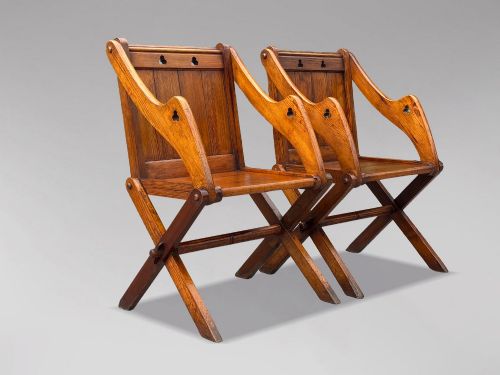
- Glastonbury armchair
- A type of folding chair with X-shaped supports, flat arms, and a sloping back, derived from medieval prototypes.
- Louis XVI Revival
- A nineteenth-century decorative style drawing on neoclassical French motifs, characterised by straight tapered legs and classical ornamentation.
- Open armchair
- A chair with un-upholstered wooden or metal sides, allowing light to pass through the arm structures.
- Spindle back
- A chair back constructed from a series of slender turned wooden rods or spindles.
C1880 Armchair: Frequently Asked Questions
How do I identify a c1880 armchair?
Look for construction traits typical of the late nineteenth century, including specific wood types like walnut, mahogany, or pitch pine, combined with revival ornamentation or vernacular turning. The stylistic vocabulary often mixes Victorian solidity with French or Gothic revival influences.
Examine the joinery and materials underneath or behind the upholstery where visible. Timbers seasoned and worked during this decade display hand-tool marks and construction methods consistent with late Victorian manufacturing standards.
Are these armchairs comfortable for daily use?
Many c1880 armchairs were designed for domestic leisure, including fireside lounge chairs, club chairs, and upholstered rocking chairs. Their deep seats and supportive backs suit modern sitting habits just as well as they did in the nineteenth century.
Consider the specific form, whether an open wooden armchair or a fully upholstered buttoned lounge chair. The level of padding and sprung construction determines the softness of the seat.
Where were these chairs used originally?
These armchairs served various rooms in nineteenth-century homes, from formal drawing rooms and salons to libraries, bedrooms, and farmhouse kitchens. Lighter open armchairs and campaign chairs offered flexibility for movement around the house.
Sturdier Windsor and farmhouse chairs functioned around dining tables and hearths, while club chairs and lounge seating furnished private studies and smoking rooms.
How do I care for antique leather upholstery?
Maintain leather upholstery by keeping it away from direct sunlight and heat sources that can dry and crack the hide. Gentle cleaning with appropriate leather care products preserves the natural patina accumulated over decades.
Avoid harsh chemical cleaners and excessive moisture. Regular, light dusting keeps the surface stable and protects the historical finish.