



Buttoned Velvet Furniture
Buttoned velvet furniture brings tactile warmth and deep padding to a room, offering nineteenth-century seating built for comfort and display.
Buttoned Velvet Furniture
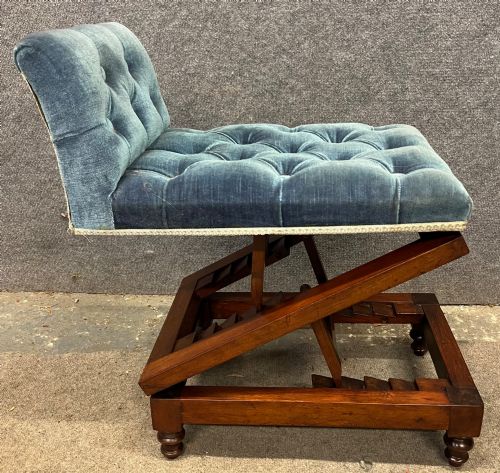
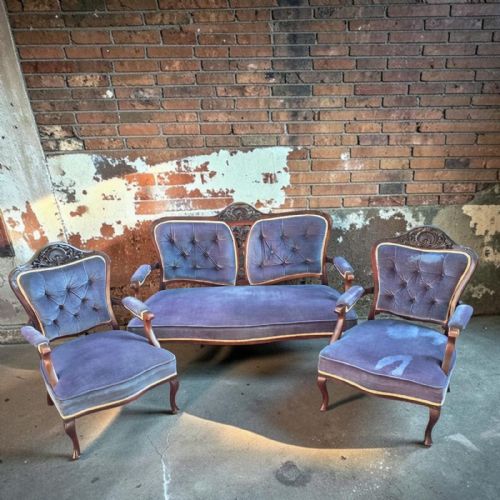
Buttoned velvet furniture encompasses nineteenth-century seating forms ranging from individual footstools and dining chairs to large salon suites and Chesterfield sofas. You will most frequently encounter Victorian walnut and mahogany framed pieces featuring button-backed upholstery.
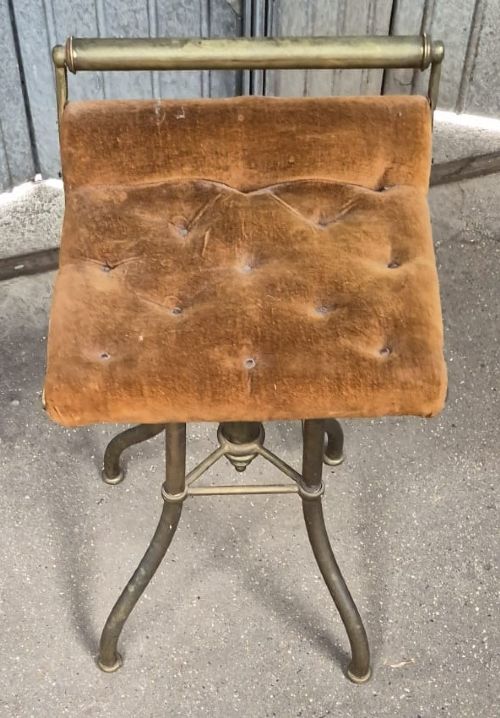
The selection includes specific nineteenth-century forms such as chaise longues, day beds, harpists' seats, and gout stools alongside larger seating suites. These objects reflect the Victorian and Edwardian preference for heavily upholstered, comfortable domestic seating.
Examples span the nineteenth century, taking in Regency influences, Aesthetic movement ebonised designs, and French Second Empire styles. They range from modest country house settees to elaborate drawing-room suites.
How they were made
Frames are constructed from hardwoods including mahogany, walnut, rosewood, and ebonised wood, often incorporating carved details or brass framing. These structural timbers provide the robust skeleton necessary to support deep buttoned upholstery.
Upholstery relies on velvet textiles paired with traditional stuffing and buttoning techniques to create the characteristic tufted surface. Wood components are frequently turned, carved, or inlaid to complement the tactile fabric.
Buttoned Velvet Furniture Retail Price Guide 2026
Typical asking prices for buttoned velvet furniture among the pieces listed under this phrase on Sellingantiques today, from the lower quarter to the upper quarter. They describe what is for sale here now, not the wider market.
Listings feature woods including mahogany, walnut, rosewood, and ebonised hardwood alongside velvet textiles.
What varies in quality
Quality rests in the sculptural execution of the timber frame, whether through intricate carving in walnut and mahogany or crisp ebonising. The integration of the frame with the upholstered body dictates the overall sculptural presence of the piece.
The precision of the buttoning and the choice of timber frame distinguish standard production from works by prominent cabinet makers. Finer examples display superior proportions and more ambitious stylistic details, such as brass framing or marquetry inlay.
Blyth & Sons·Robert Strahan & Co·Howard & Sons·James Shoolbred·Hampton & Sons·A.M.E. Fournier
The Buttoned Velvet Furniture Glossary
- Button back
- A style of upholstery where buttons are pulled deep into the padding to create a uniform diamond pattern of tufts. This technique secures the stuffing and adds textural depth to velvet seating.
- Chesterfield sofa
- A traditional large sofa featuring deep buttoning and rolled arms of equal height to the back. It serves as a principal form of nineteenth-century upholstered seating.
- Salon suite
- A matched set of seating comprising a settee or sofa alongside matching armchairs and occasional chairs. These suites were designed for nineteenth-century reception rooms.
- Ebonised wood
- Timber treated with a dark finish to imitate expensive ebony wood. This technique gained popularity during the nineteenth century, particularly within the Aesthetic movement.
- Chaise longue
- An elongated chair designed for reclining, featuring an upholstered backrest and a single arm rest. Nineteenth-century examples often combine buttoned velvet upholstery with carved wooden frames.
Buttoned Velvet Furniture: Frequently Asked Questions
What periods do these pieces date from?
The pieces span the nineteenth century and the early twentieth century, encompassing Victorian, Edwardian, and Regency eras.
Most items reflect mid to late-nineteenth-century manufacturing dates, alongside occasional early twentieth-century suites.
How do I care for velvet upholstery?
Velvet requires gentle brushing to maintain the pile and careful protection from direct sunlight to prevent fading.
Professional cleaning is advisable to preserve the fabric and the integrity of the underlying buttoning.
Where were salon suites used?
Salon suites were placed in principal drawing rooms and formal reception spaces for entertaining guests.
They provided coordinated seating arrangements that reflected the status and taste of a Victorian household.
What is a Chesterfield sofa?
A Chesterfield is a heavily padded sofa characterised by low seats and rolled arms that match the height of the back.
These pieces use buttoned upholstery across the back and arms to create a structured yet comfortable silhouette.