


Buttoned Salon Chairs
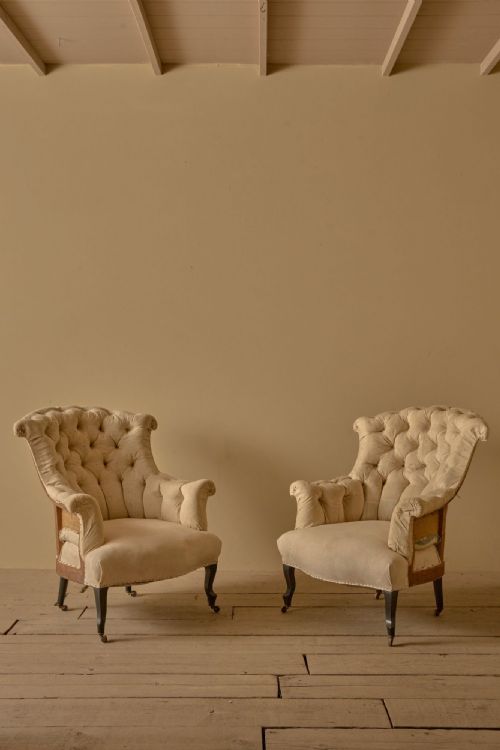
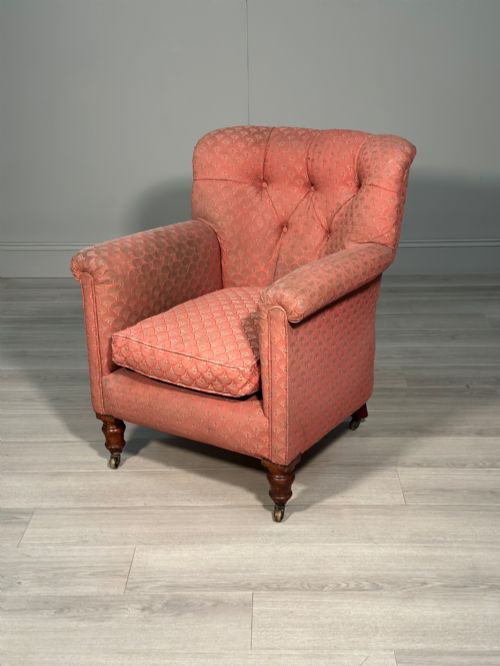
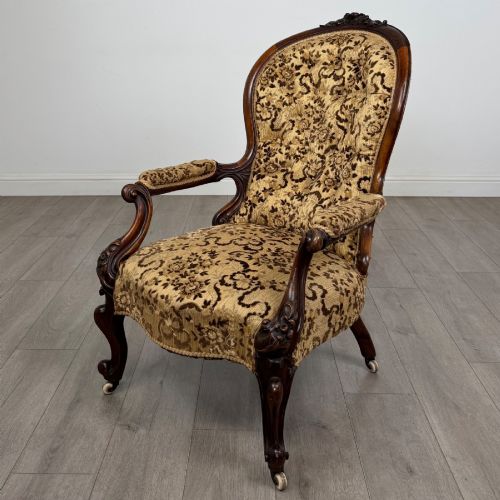
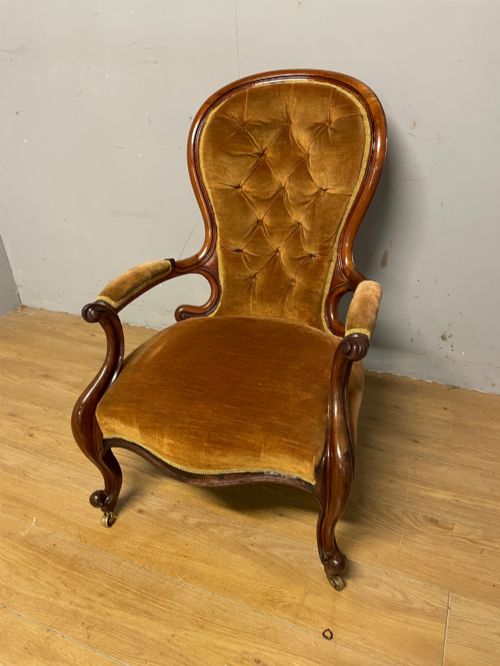
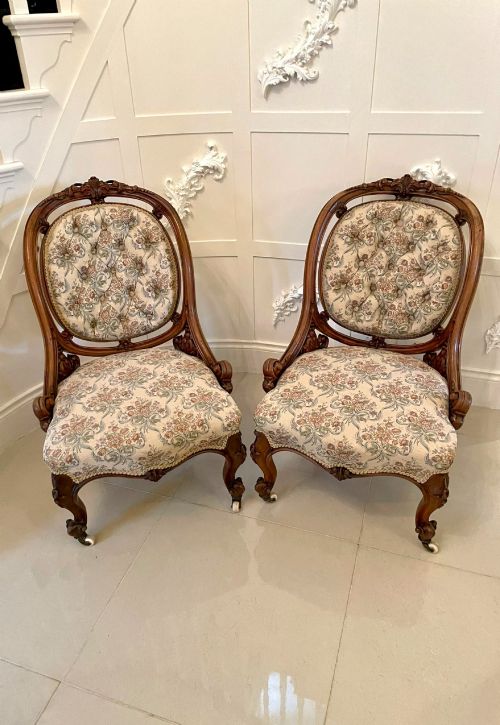
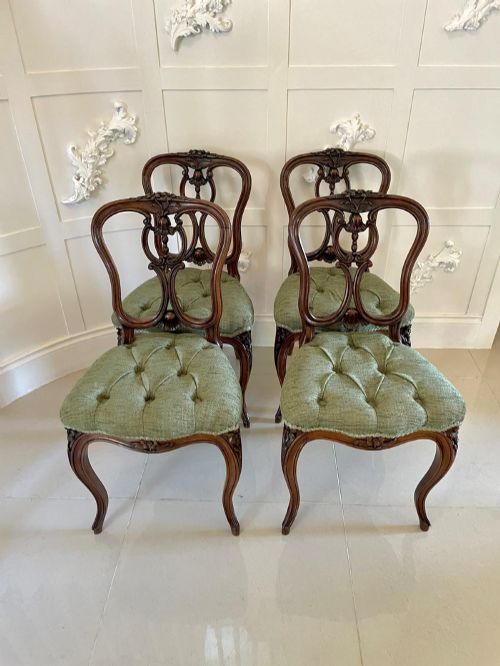
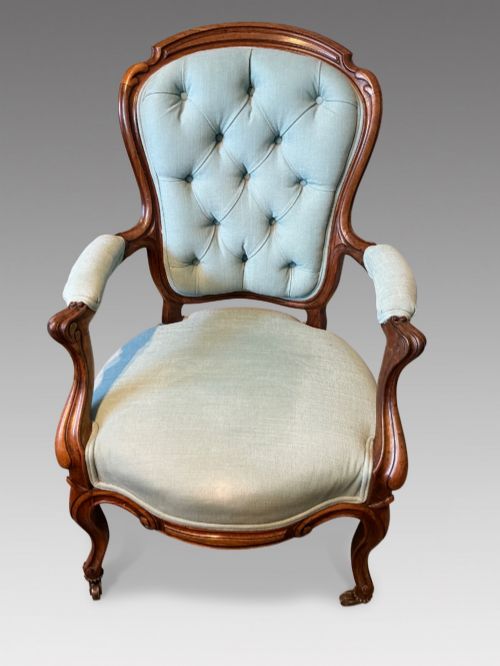
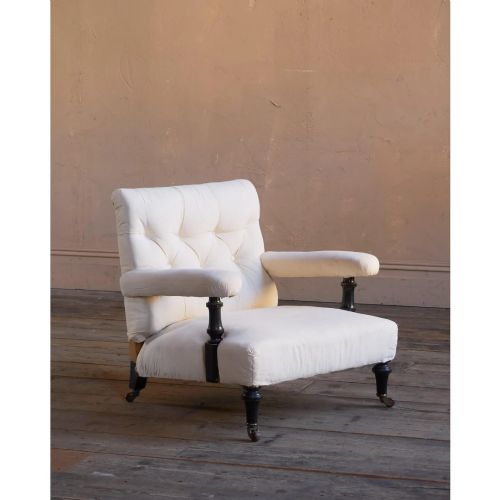
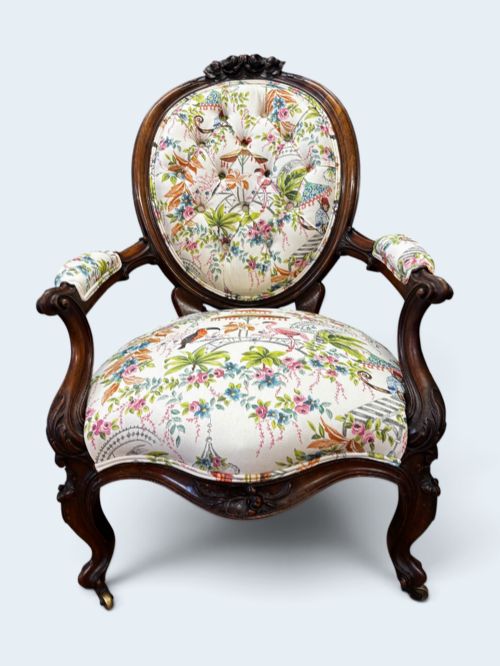
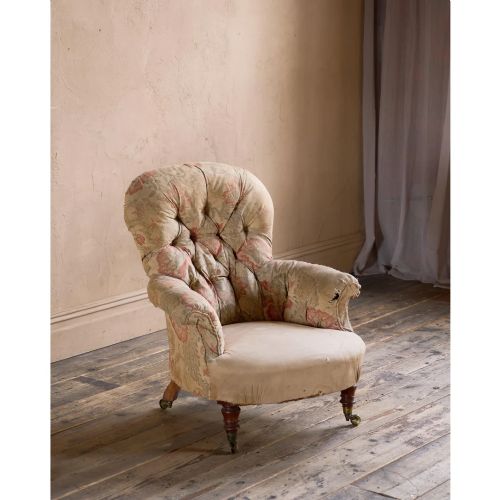
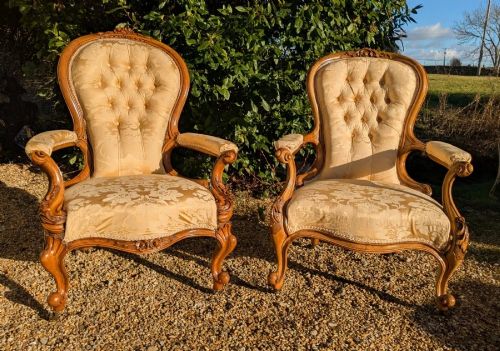
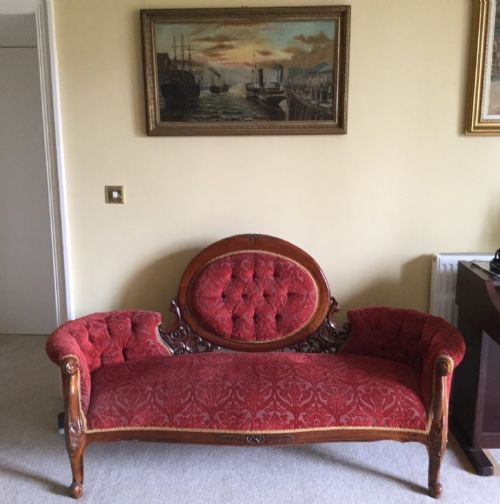
These buttoned salon chairs bring Victorian and nineteenth-century elegance to a room with deep tufted upholstery and carved wooden frames.
Buttoned Salon Chairs
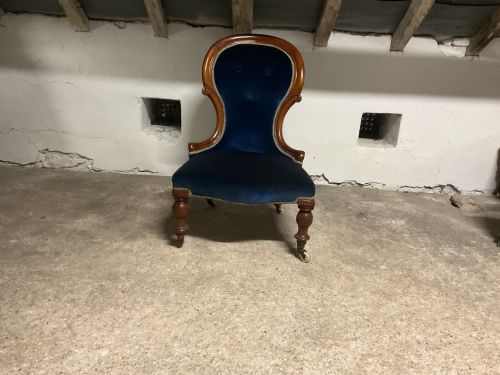
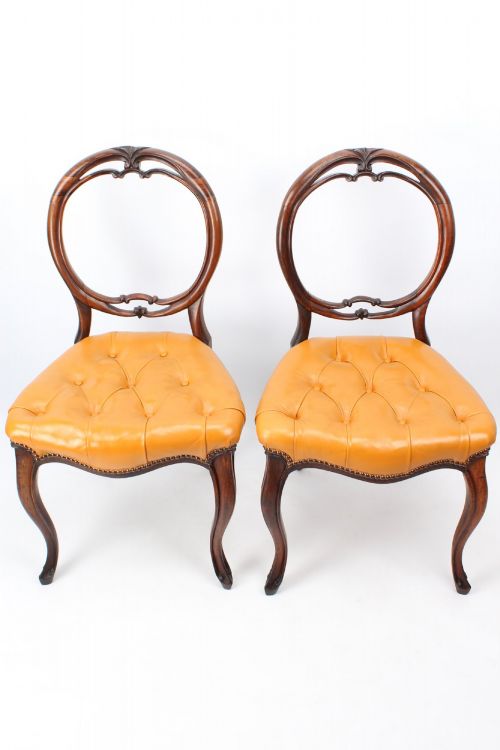
Buttoned salon chairs comprise various forms of Victorian seating, including open armchairs, spoon back chairs, and side chairs. These pieces originate predominantly from the nineteenth century, spanning decades from eighteen fifty to nineteen hundred.
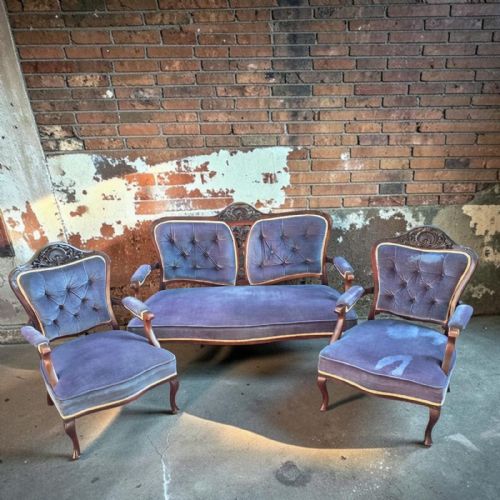
Buyers encounter walnut and mahogany frames frequently, alongside rosewood and oak examples. The selection includes individual nursing chairs, pairs of armchairs, and larger salon suites complete with settees.
Stylistic influences range from Rococo Revival and French Napoleon III to Regency interpretations. Many examples feature low seats designed for nineteenth-century reception rooms and parlours.
Construction and materials
Cabinetmakers shaped dense hardwoods such as walnut, mahogany, and rosewood into elaborate frames with carved details and cabriole legs. These wooden structures provide the sturdy skeleton necessary to support deep buttoned upholstery.
Upholsterers deployed traditional stuffing techniques beneath fabrics like velvet, silk, leather, and brocade. Deep tufting secured by buttons creates the signature quilted texture across the backrests of these seats.
Buttoned Salon Chairs Retail Price Guide 2026
Typical asking prices for buttoned salon chairs among the pieces listed under this phrase on Sellingantiques today, from the lower quarter to the upper quarter. They describe what is for sale here now, not the wider market.
The inventory spans diverse formats, ranging from single bedroom chairs and matching pairs to extensive nine-piece salon suites.
Judging quality and execution
Quality rests upon the crispness of the timber carving and the architectural proportion of the frame. Superior walnut and rosewood frames display deeply undercut foliage and robust joinery without structural compromise.
The precision of the buttoning and the choice of covering material dictate the visual success of the piece. Fine upholstery work maintains symmetrical tension across every tuft, aligning harmoniously with the contours of the wooden armature.
Holland and Sons·Mellier and Co·C Hindley and Sons·Blyth and Sons
The Buttoned Salon Chairs Glossary
- Spoon back
- An upholstered chair back shaped like the bowl of a spoon, curving inward to fit the human spine. This ergonomic form appears frequently on Victorian walnut armchairs.
- Cabriole leg
- A furniture leg that curves outward and then tapers inward, finishing in a pad or scroll foot. Makers carved these graceful supports into many mid-nineteenth-century salon seats.
- Balloon back
- A rounded chair back resembling the profile of a hot-air balloon. This design enjoyed immense popularity in nineteenth-century parlour seating.
- Barley twist
- A wooden turning resembling the spiral shape of twisted barley sugar. Workshops utilised this decorative lathe-cut detail on arm supports and stretcher rails.
Buttoned Salon Chairs: Frequently Asked Questions
What rooms suit buttoned salon chairs?
These compact seats fit easily into bedrooms, dressing rooms, and drawing rooms as occasional seating. Their decorative carved frames allow them to function as sculptural accents when placed against a wall.
Lower nursing chairs work particularly well beside a fireplace or low table. Their intimate proportions harmonize with modern sitting rooms just as effectively as they did in nineteenth-century parlours.
How do I identify a Victorian piece?
Nineteenth-century construction often relies on dense hardwoods like walnut and mahogany paired with traditional hand-tied sprung bases. Look for the characteristic deep buttoning and revival styles typical of the period.
Maker stamps on the wooden frame or webbing can provide definitive proof of origin. Stylistic markers such as spoon backs and cabriole legs further anchor the piece to the Victorian era.
Were these chairs used for dining?
Side chairs within this category served formal dining rooms and reception spaces where guests gathered. Their upright proportions distinguished them from low lounging armchairs.
Dining variants often omitted arms to fit neatly beneath tables. Their upholstered seats provided comfort during lengthy nineteenth-century meals and assemblies.
How should I care for the upholstery?
Protect delicate fabrics such as silk, velvet, and brocade by keeping the seating away from direct sunlight. Regular gentle vacuuming with a soft brush attachment removes dust from the button folds.
Leather surfaces benefit from occasional conditioning to prevent drying out. Professional cleaning ensures the traditional stuffing and button tufting remain secure over time.