


Buttoned Back Side Chair
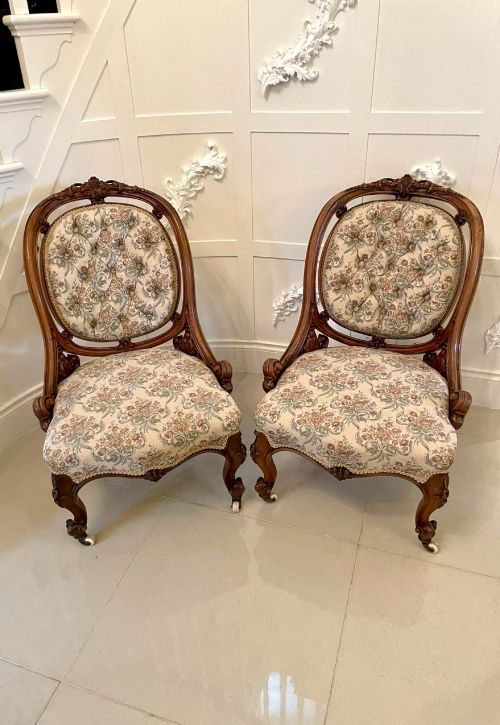
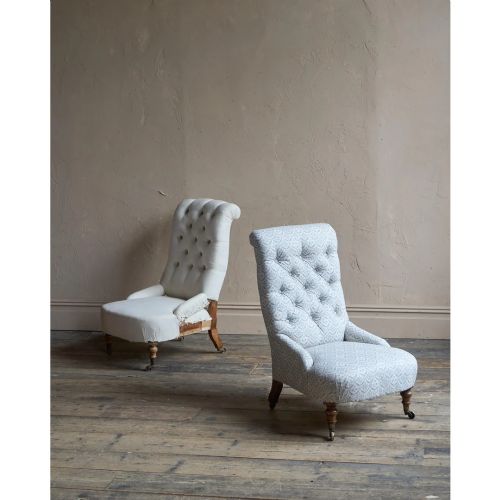
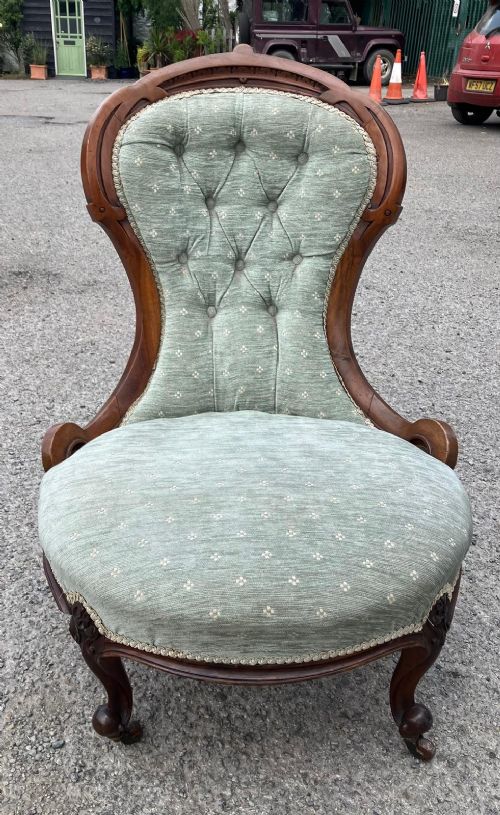
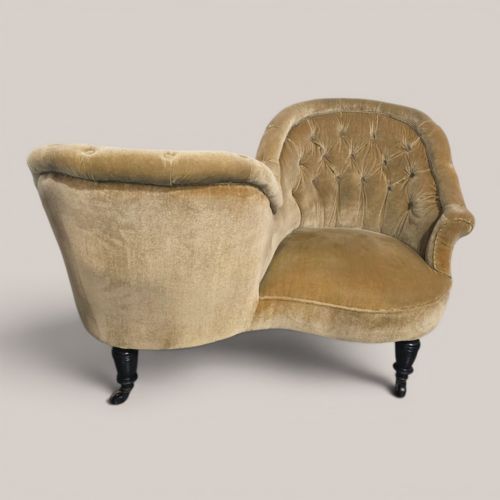
A buttoned back side chair brings compact Victorian comfort to a room, offering deep buttoning and supportive upright seating.
Buttoned Back Side Chair
A buttoned back side chair is primarily found across nineteenth century styles, spanning the Victorian and Edwardian periods. These pieces serve as functional seating in bedrooms, drawing rooms and libraries, often taking the form of nursing chairs, dressing table seats or compact salon chairs.
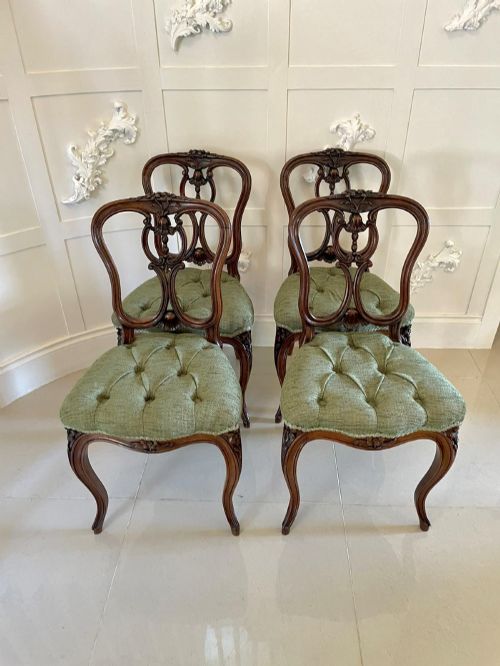
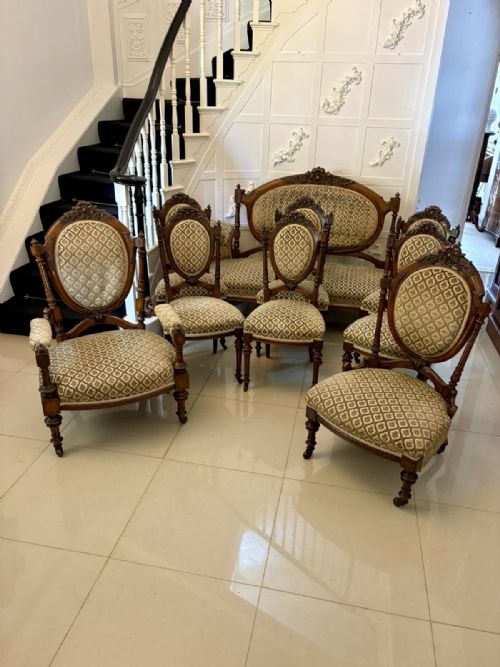
The evidence shows a strong presence of walnut and mahogany frames, alongside rosewood and ebonized timbers. Many examples feature low seats designed for comfort by the hearth or dressing table, whilst others form part of larger dining sets or matching salon suites.
Originating largely from the nineteenth century, these chairs showcase diverse regional interpretations including French carved walnut models, Louis XV style revival pieces and English William IV designs. The most frequent encounters on this page are Victorian walnut and mahogany variations featuring traditional tufted upholstery.
Materials and construction
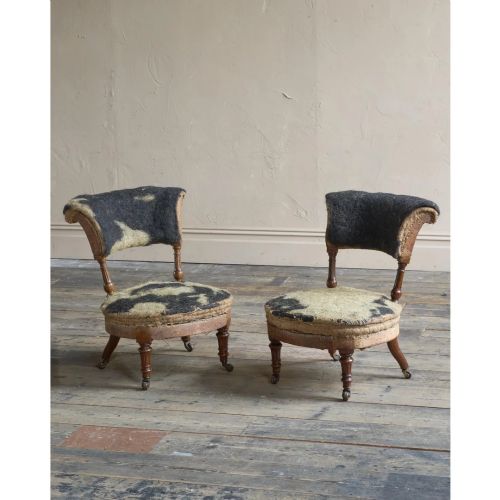
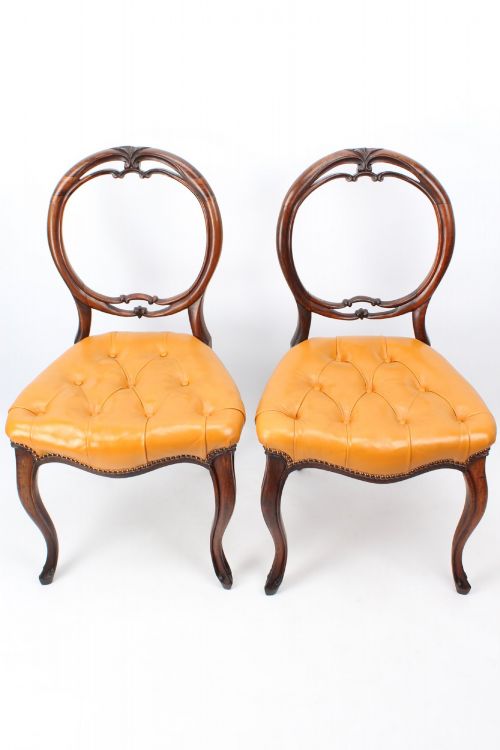
Makers shaped solid timbers such as walnut, mahogany and rosewood into curved frames, balloon backs and spoon backs. Turnings, brass castors and intricate hand carving define the structural woodwork across nineteenth century examples.
Upholstery relies on traditional stuffing secured with deep buttoning through fabrics including velvet, leather, textile and tapestry. Caning also appears on specific bergère and revival side chairs from the period.
Listings feature walnut, mahogany and rosewood alongside brass and caning, spanning the Victorian and Edwardian periods.
Assessing quality
Quality rests upon the crispness of the timber carving and the architectural integrity of the frame. Denser hardwoods like rosewood and select walnut indicate higher tier production.
The precision of the deep buttoning and the choice of covering material distinguish standard workshop output from exhibition pieces. Matched sets and signed maker pieces command distinct attention for their preserved uniformity.
Howard and Sons·Gillows·Blyth and Sons·H. Samuel London
The Buttoned Back Side Chair Glossary
- Button back
- A traditional upholstery technique where tufts are pulled deep into the padding and secured with buttons, creating a cushioned diamond pattern. This method adds structural tension and visual texture to the backrest.
- Bergère
- An enclosed upholstered armchair with wooden framing and cane sides or back panels. It originated in France and remains popular across nineteenth century seating.
- Balloon back
- A rounded, continuous wooden backrest shaped like a balloon, commonly seen on Victorian dining and nursing chairs. The curve provides ergonomic support while displaying the grain of walnut or mahogany.
- Spoon back
- A padded chair back hollowed out in the centre to resemble the bowl of a spoon, fitting the contour of the sitter. It is a defining hallmark of mid-nineteenth century upholstery.
- Castors
- Small wheel attachments fitted to the feet of chairs and sofas for ease of movement. They are frequently cast in brass and mounted on ceramic or wooden hubs.
Buttoned Back Side Chair: Frequently Asked Questions
Where were buttoned back side chairs placed?
These pieces were positioned in bedrooms as dressing table seats, in nurseries for comfort, or in formal reception rooms as occasional seating. Their compact proportions allowed them to fit neatly beside fireplaces or writing desks.
Dining rooms also utilised armless side chairs of this form around large tables, particularly within matched sets from the mid nineteenth century.
How do I distinguish Victorian from Edwardian examples?
Victorian pieces often display heavier mahogany or walnut frames with deep buttoning and rich velvet or tapestry coverings. Stylistic markers include balloon backs, spoon backs and ornate carving.
Edwardian versions tend to retain lighter framing and refined walnut structures, reflecting a shift towards airier domestic interiors whilst maintaining traditional upholstery methods.
Are these chairs suitable for daily use?
Solid hardwood frames and traditional joinery make these pieces robust for regular seating when structurally sound. Their compact dimensions suit modern rooms as accent chairs or dressing seats.
Checking the underlying webbing and frame stability ensures they handle everyday domestic life comfortably.