





Burr Wood Nightstand
A burr wood nightstand brings unmistakable grain and presence beside a bed, offering warmth and practical surface space.
Burr Wood Nightstand
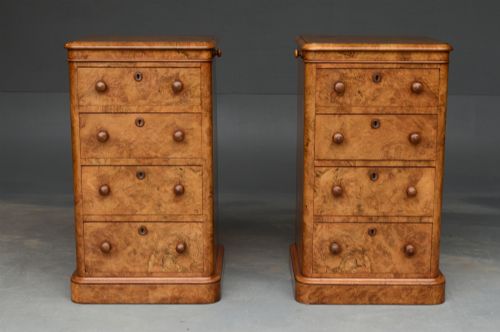
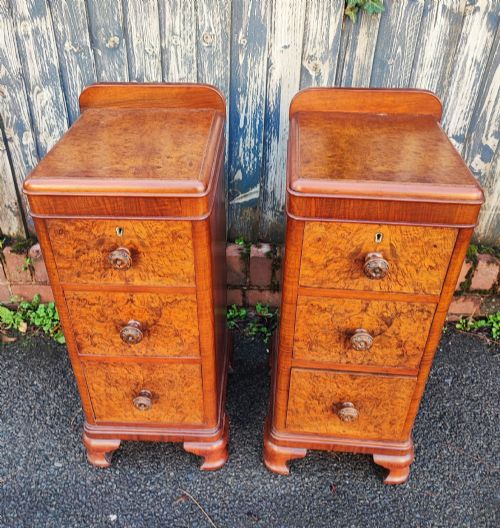
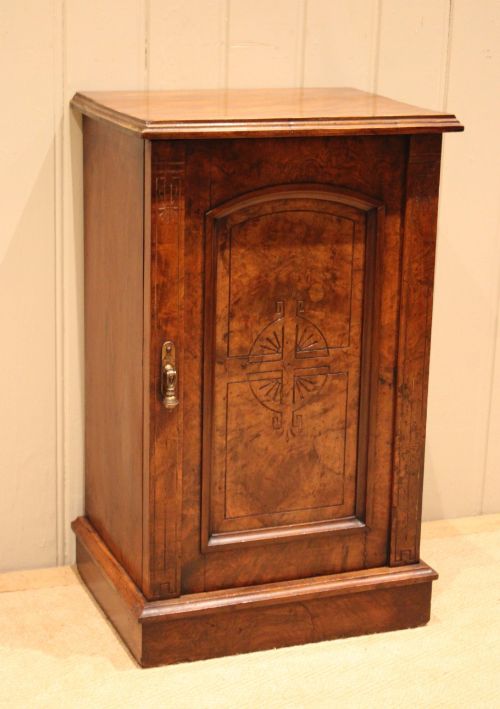
A burr wood nightstand is a compact bedside piece selected for the rich, swirling figure of its timber. When you search for a burr wood nightstand, you encounter items designed to sit beside a bed for storage and display.
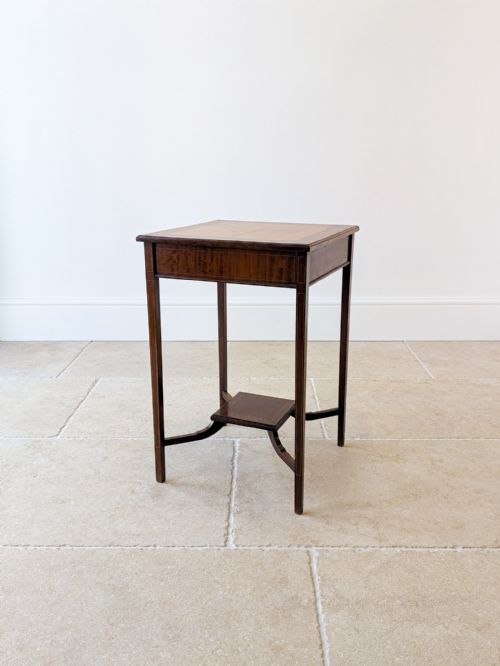
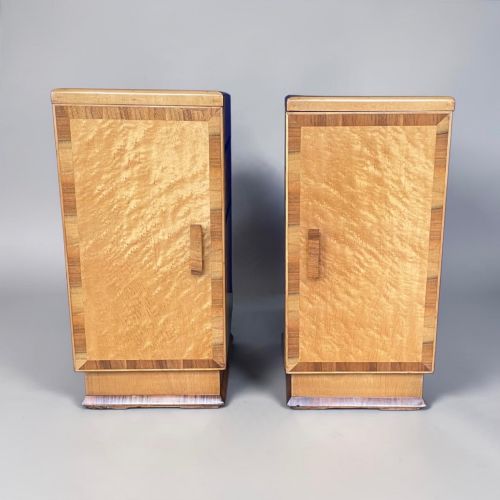
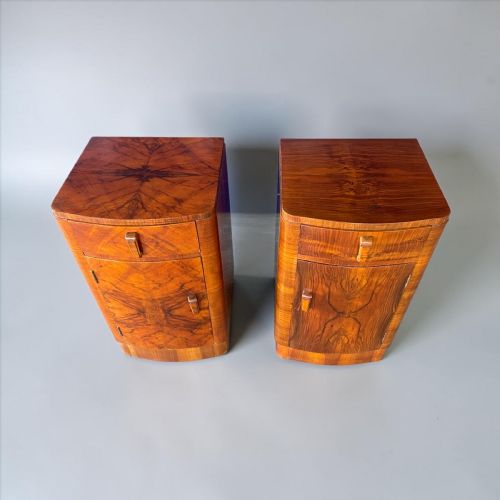
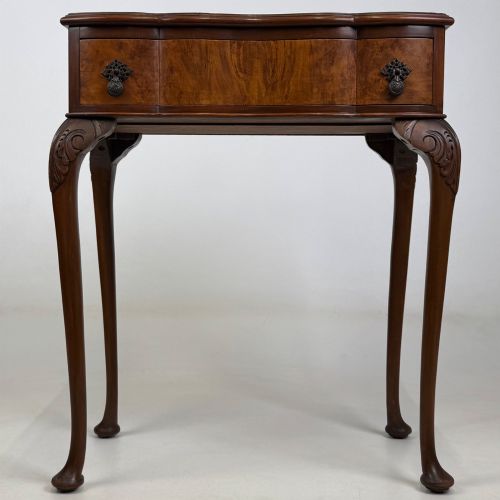
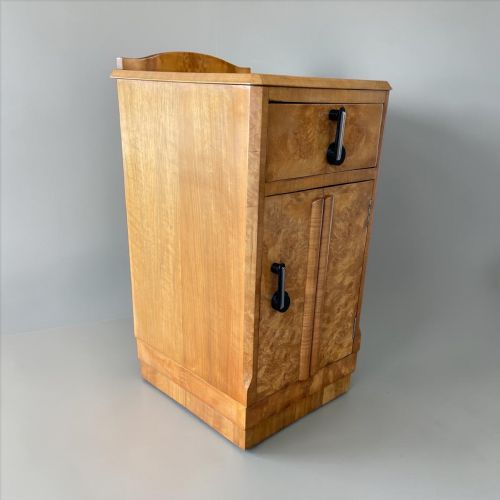
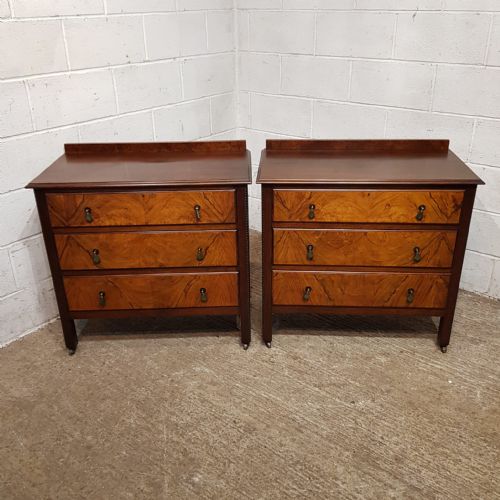
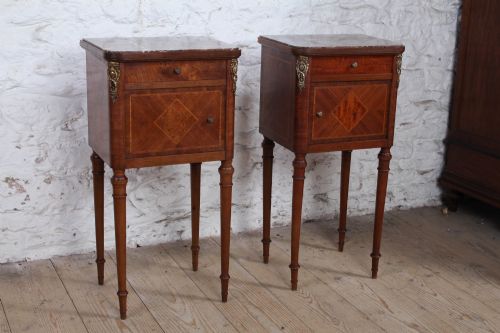
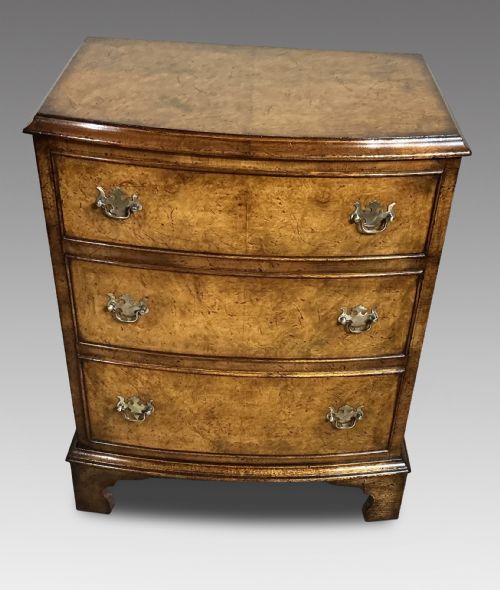
The selections available here range from compact 1930s Art Deco cabinets to Edwardian side tables and 19th-century examples. The most common forms are bedside cabinets with enclosed doors or drawers, alongside smaller side tables and chest formats.
Origins stretch from English workshops to French-influenced pieces, often utilising distinctive veneers over solid carcases. Buyers find matching pairs as well as single items intended for placement alongside period beds.
Materials and construction methods
Craftsmen built these pieces using walnut, burr walnut, burr elm, and fruitwood veneers applied over secondary timbers. The swirling patterns characteristic of burr timber come from growth excrescences on trees, sliced thinly to create decorative surfaces.
Cabinets feature fitted brass hardware, marble tops on select continental pieces, and traditional joinery within drawers and carcases. Veneer work requires careful alignment of the grain to achieve symmetrical patterns across drawer fronts and cabinet doors.
Burr Wood Nightstand Retail Price Guide 2026
Typical asking prices for burr wood nightstand among the pieces listed under this phrase on Sellingantiques today, from the lower quarter to the upper quarter. They describe what is for sale here now, not the wider market.
Some 1930s beds come with bedside cabinets permanently attached, solving the eternal problem of mismatched furniture.
Distinctions in quality
Quality rests upon the selection and matching of the burr veneer across the primary surfaces. Finer pieces display symmetrical grain patterns that flow logically from drawer to drawer or across paired cabinet doors.
Construction details such as solid drawer linings, original brass fittings, and stable carcases separate standard utilitarian items from finer examples. The crispness of period styling, whether Art Deco geometric lines or Queen Anne Revival curves, dictates the refinement of the piece.
Maple & Co
The Burr Wood Nightstand Glossary
- Burr wood
- Timber taken from a tree growth where the grain has grown in a deformed, swirling manner. This produces highly decorative patterns prized for veneering.
- Veneer
- A thin slice of figured wood applied over a stable base timber. It allows furniture makers to display expensive grain patterns economically.
- Bedside cabinet
- A small enclosed piece of furniture with a door or drawers designed to stand next to a bed. It provides private storage for nighttime items.
- Tray top
- A tabletop featuring a raised edge or moulding designed to prevent items from rolling off. This detail appears frequently on smaller side tables.
- Art Deco
- A design style dominant in the 1930s characterised by sleek geometric shapes, streamlined forms, and modern materials.
Burr Wood Nightstand: Frequently Asked Questions
What is a burr wood nightstand?
A burr wood nightstand is a small bedside table or cabinet surfaced with highly figured wood veneer. These pieces provide functional storage beside a bed while introducing decorative texture through natural grain patterns.
They appear in various forms, from 19th-century walnut cabinets to 1930s Art Deco designs with integrated surfaces.
How do I date a nightstand?
Dating relies on stylistic clues, construction methods, and materials seen across different eras. Edwardian and Queen Anne Revival pieces show traditional proportions, while 1930s items display geometric Art Deco lines.
Hardware styles and secondary timbers also offer clues to the decade of manufacture.
Are pairs common for these tables?
Matching pairs do appear frequently, particularly from the 1920s and 1930s when bedroom suites were manufactured together. Single items are also common for mixed interior schemes.
Pairs often feature mirrored veneer patterns designed to sit symmetrically on either side of a bed.
How should I care for burr veneer?
Burr veneer requires protection from direct sunlight and excessive moisture to prevent fading and lifting. Regular dusting with a soft, dry cloth maintains the finish without harsh polishes.
Keeping the room at a stable humidity level protects the underlying timber and glue.