
Burr Wood Furniture
Burr wood furniture brings complex, swirling grain patterns into rooms through tables, desks and chests built from walnut, birch, elm and yew.
Burr Wood Furniture
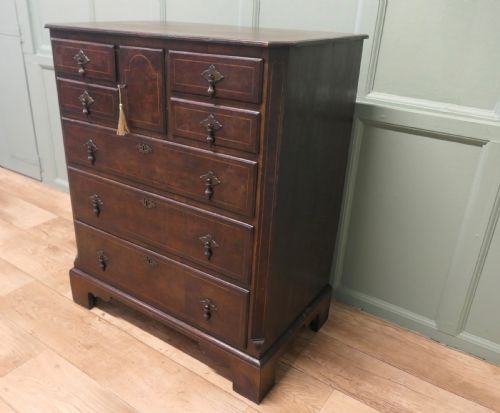
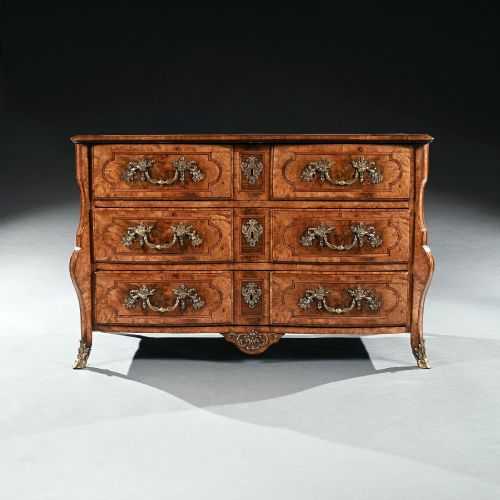
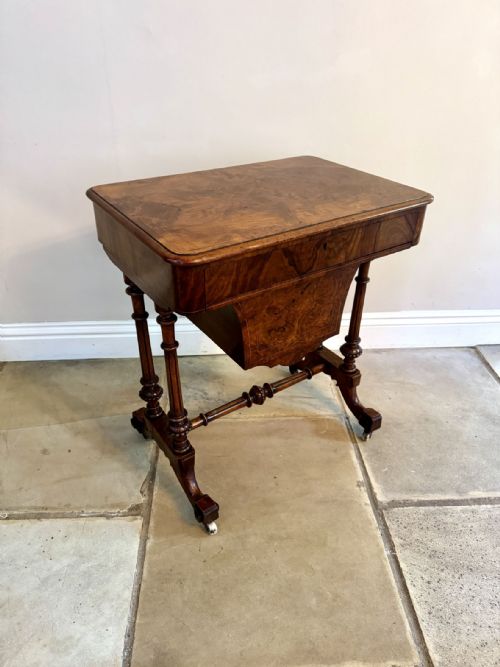
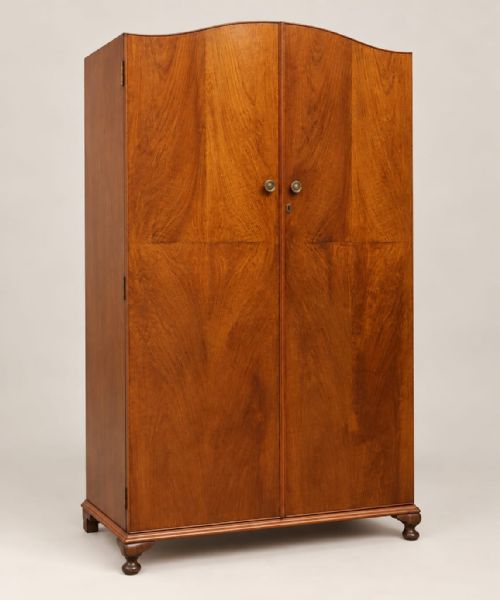
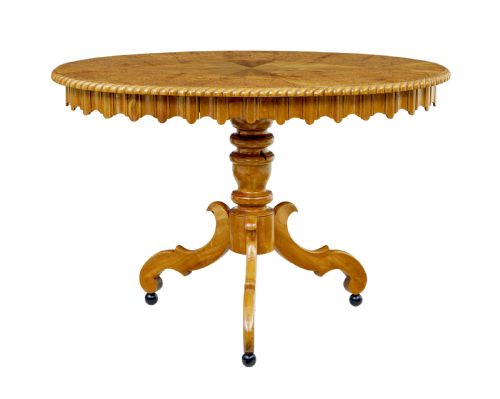
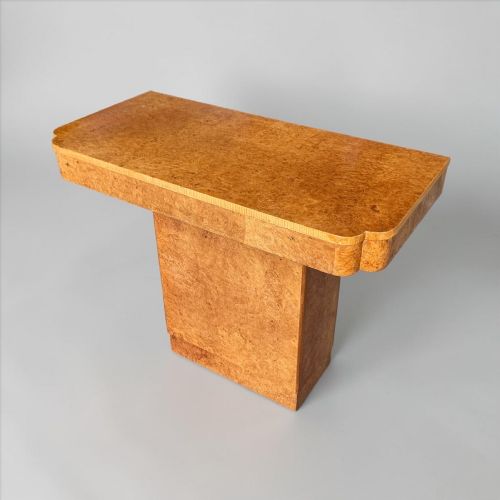
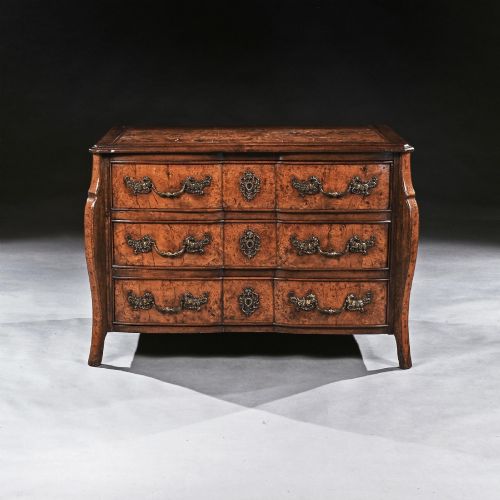
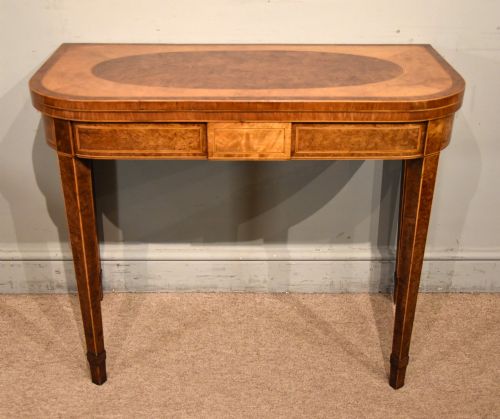
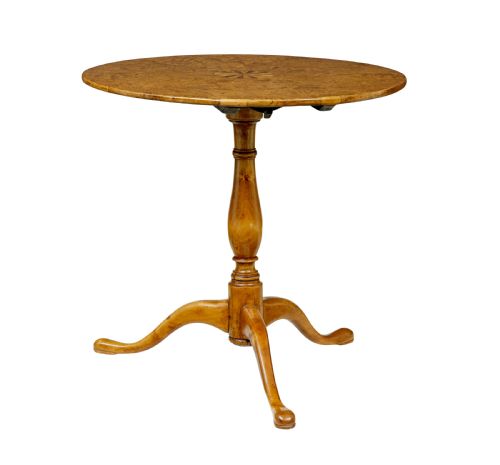
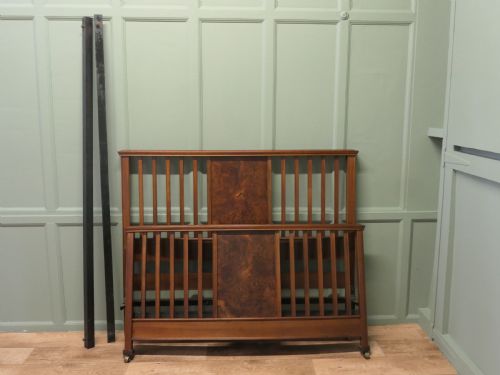
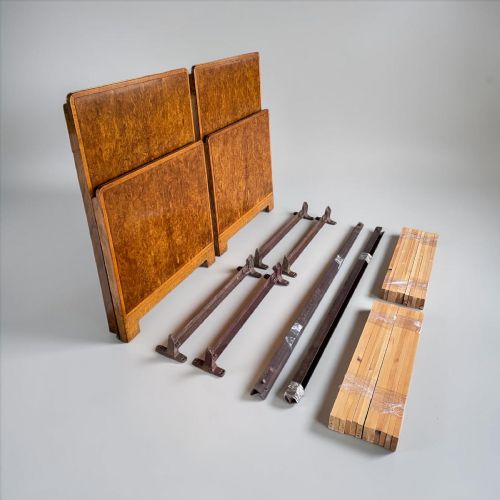
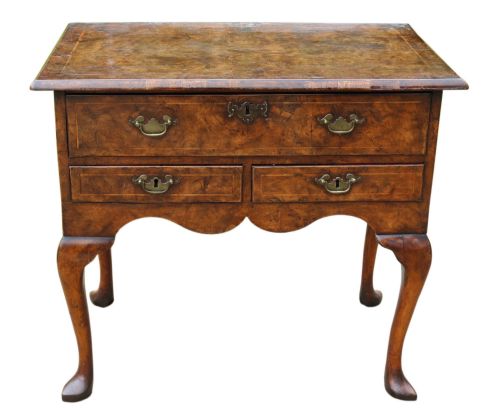
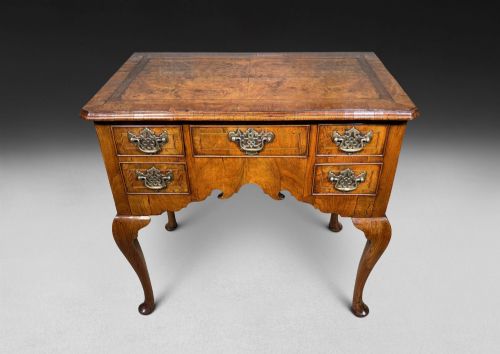
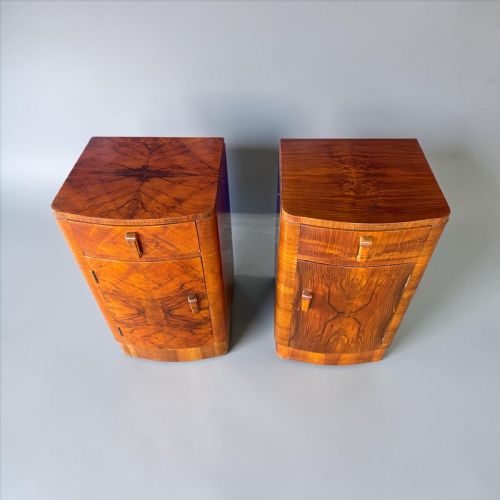
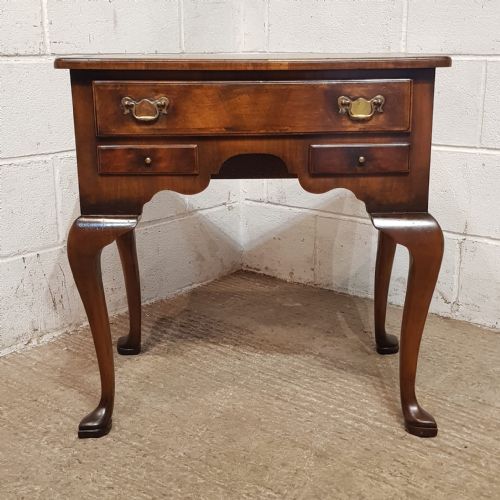
Burr wood furniture relies on knotty growths harvested from trees, yielding irregular patterns of rings and eyes that decorators select for principal surfaces. This selection spans centuries of cabinet-making, appearing on eighteenth-century lowboys and commodes as well as nineteenth-century occasional tables and twentieth-century bedroom suites.
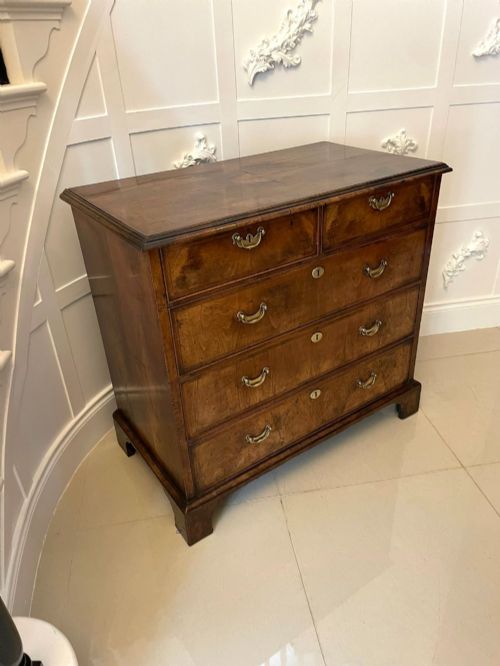
Chest of drawers and side tables form the backbone of these listings, often paired with occasional tables, coffee tables and beds. Walnut and burr walnut dominate the pieces available, alongside examples utilising burr birch, burr elm and burr yew.
Origins stretch across English workshops, French provincial centres and Swedish studios, showing styles from Georgian and Regency eras through Victorian iterations and Art Deco designs. Pieces range from modest bedside stands to large double wardrobes and salon cabinets.
How they were made
Cabinet-makers sliced thin veneers from irregular burr growths and laid them across solid timber carcases of oak, pine or walnut. This method allowed workshops to display swirling grain across flat drawer fronts and tabletops while maintaining structural stability.
Brass handles, escutcheons and occasional inlay work complemented the figured surfaces, while finishing oils and polishes brought depth and contrast to the natural knots and swirls of the timber.
Several tables manage to incorporate secret drawers for hiding letters.
What varies in quality
Quality depends on the density and symmetry of the grain pattern across the principal viewing surfaces. Master makers selected burr timber with balanced eyes and harmonious colour, matching veneers symmetrically across drawer fronts and tabletops.
Construction methods determine durability, visible in the tightness of drawer dovetails, the retention of original brass hardware and the crispness of carved or moulded details surrounding the veneered panels.
Thomas Hache·Fortnum and Mason
The Burr Wood Furniture Glossary
- Burr wood
- A growth on a tree where grain has grown in a deformed manner, producing intricate patterns of knots and swirls when sliced. It yields highly decorative veneer for cabinet-making.
- Veneer
- A thin layer of figured wood applied to a base timber carcase. This technique preserves scarce decorative wood and prevents warping on large surfaces.
- Lowboy
- A small oak, walnut or elm table with one or more rows of drawers, commonly used as a dressing table or side table during the seventeenth and eighteenth centuries.
- Commode
- A low cabinet with drawers or doors, originating in France and adopted across European workshops for domestic storage.
- Canterbury
- A small stand fitted with partitions to hold sheet music, newspapers or magazines, popular in the Victorian period.
Burr Wood Furniture: Frequently Asked Questions
What is burr wood furniture?
Burr wood furniture incorporates decorative timber sliced from tree growths known as burrs or burls. These sections display dense patterns of knots and rings.
Craftsmen applied these veneers to surfaces of chests, tables and desks across various historical periods, including Georgian, Victorian and Art Deco eras.
How do I clean burr walnut?
Clean burr walnut surfaces using a soft, dry cloth to remove dust. Avoid chemical sprays and excessive moisture which can damage polished finishes.
Apply a quality beeswax periodically to nourish the timber and maintain a gentle sheen across the figured grain.
How to date a burr elm chest?
Dating relies on examining construction methods, timber thickness and drawer linings. Eighteenth-century pieces often feature hand-cut dovetails and native oak secondary woods.
Design motifs, handle styles and proportion provide further clues to whether a piece belongs to the Georgian period or later revivals.
Where should I place a lowboy?
A lowboy suits hallways, living rooms or bedrooms as a compact surface with useful storage drawers. Their modest proportions fit well beneath mirrors or artwork.
Keep these tables away from direct sunlight and heat sources to prevent the burr veneer from drying out or fading.