

Burr Wood Drawers
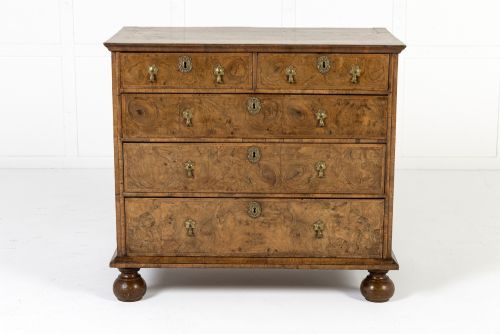
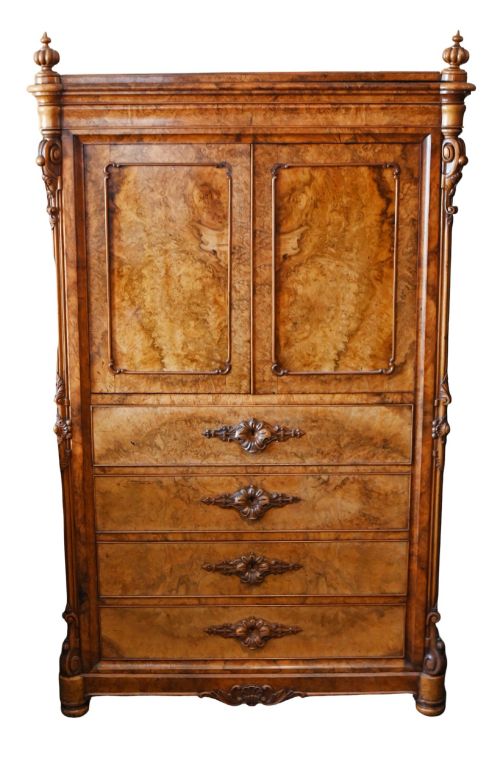
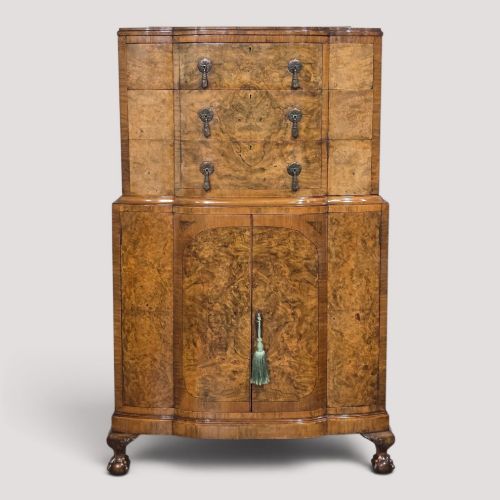
Burr wood drawers offer swirling grain patterns and rich warmth, bringing centuries of cabinet-making skill into daily use.
Burr Wood Drawers
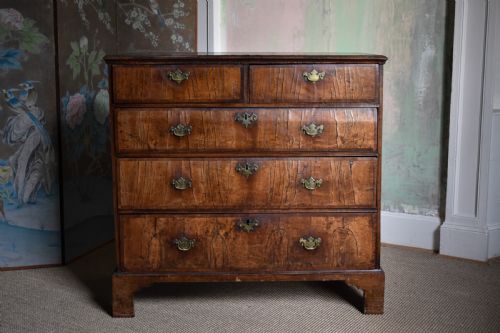
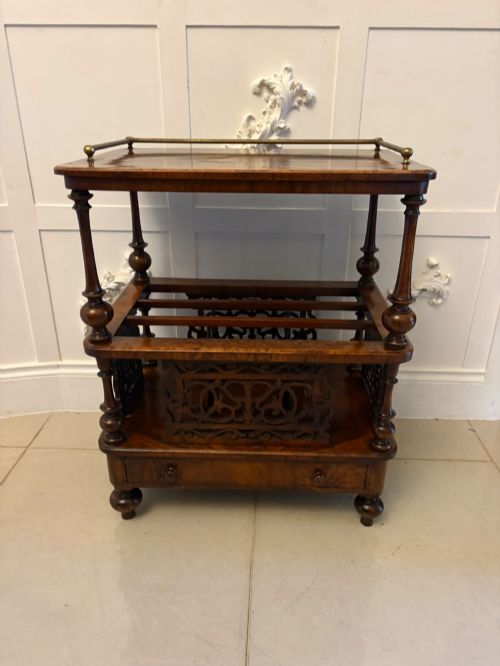
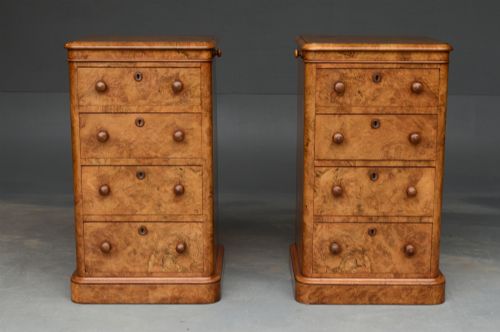
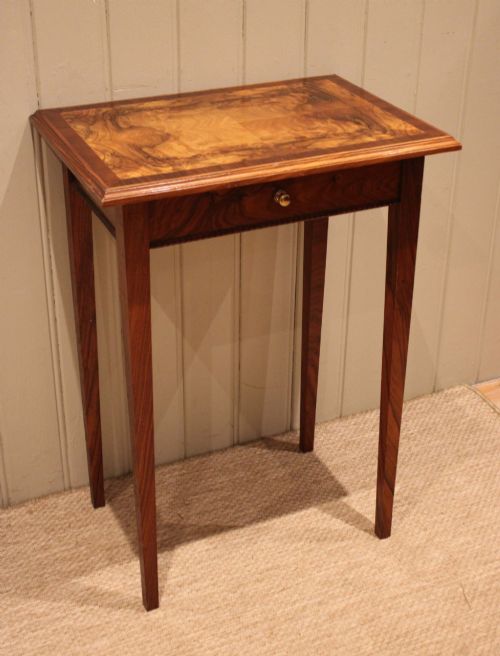
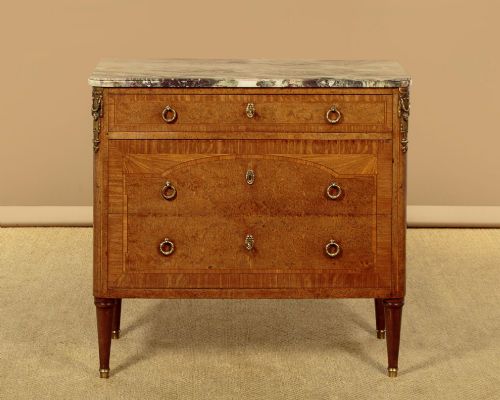
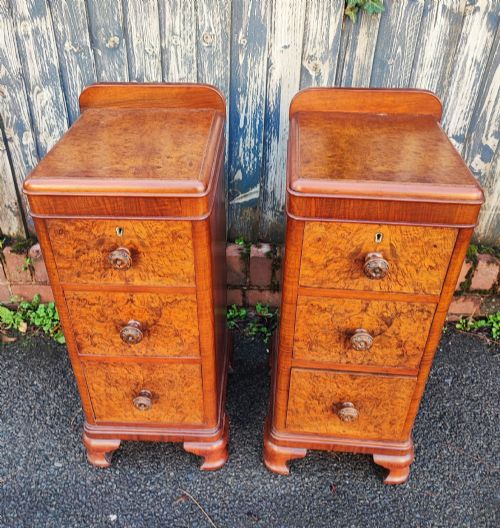
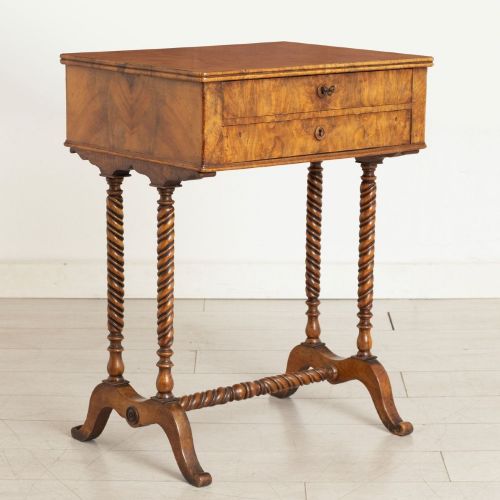
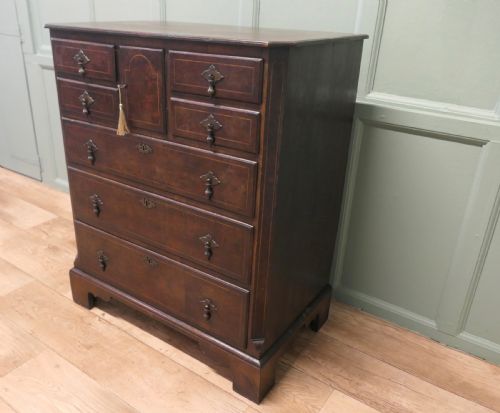
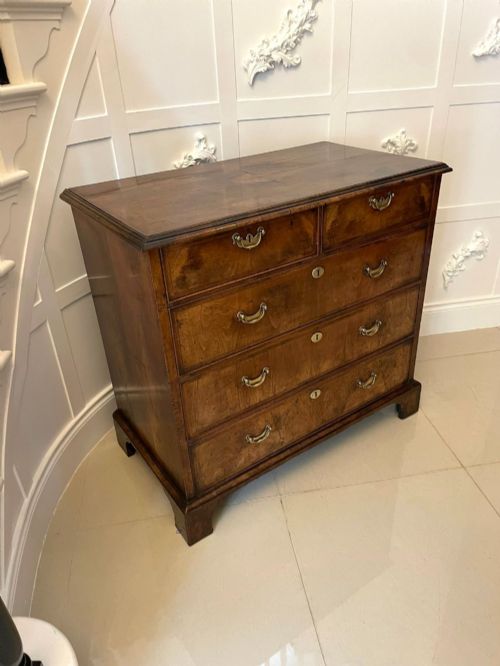
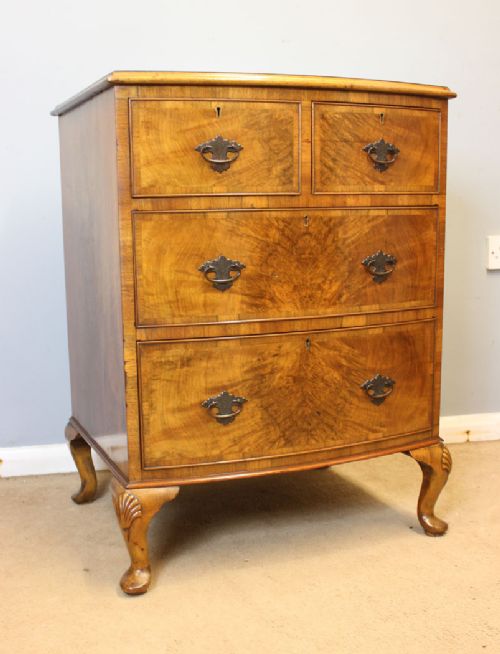
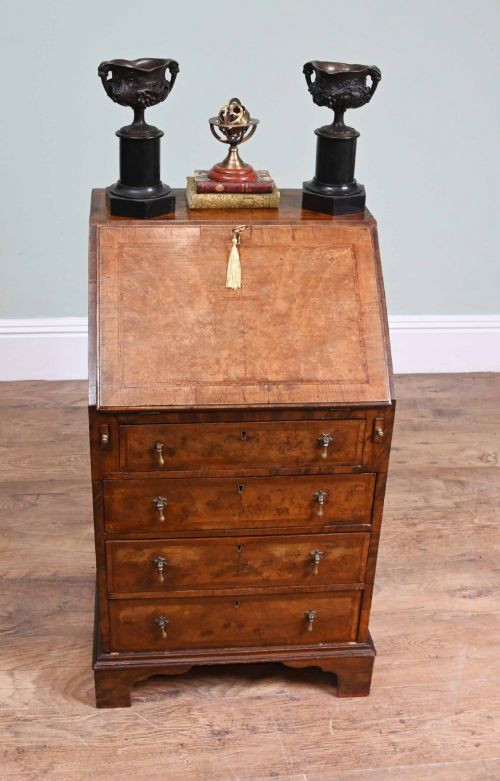
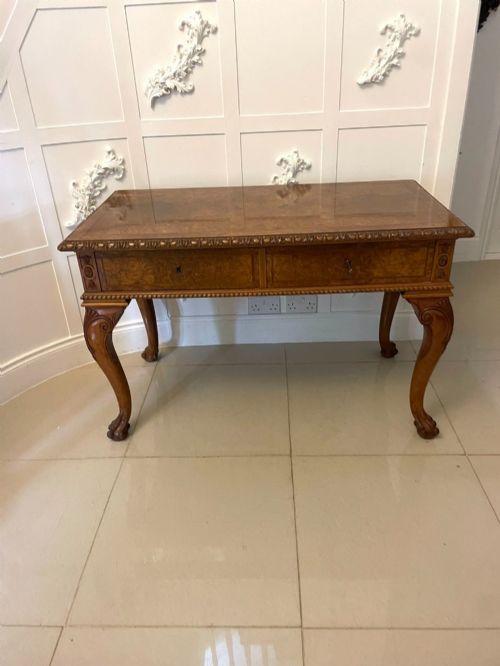
Burr wood drawers encompass a wide variety of furniture forms, most commonly appearing as chests of drawers, writing tables, and side tables. When exploring burr wood drawers on this page, a buyer encounters pieces originating from the seventeenth century through to the twentieth century, spanning Georgian, Victorian, and Regency eras.
Materials and construction techniques
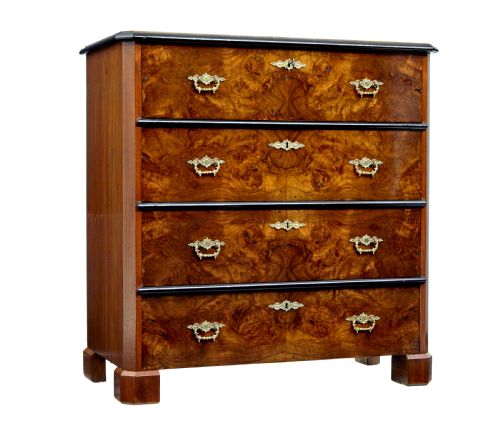
Craftsmen applied thin slices of burr veneer, harvested from the gnarled growths or burls of trees, onto stable secondary woods such as oak or pine. This technique displayed the intricate, swirling knot formations of walnut, maple, elm, and ash while preventing the timber from warping.
Makers integrated brass hardware, including handles and escutcheons, to complement the deep brown and amber tones of the polished wood. Drawer construction relied on traditional joinery methods, ensuring structural stability beneath the decorative veneered surfaces.
Burr Wood Drawers Retail Price Guide 2026
Typical asking prices for burr wood drawers among the pieces listed under this phrase on Sellingantiques today, from the lower quarter to the upper quarter. They describe what is for sale here now, not the wider market.
Some nineteenth-century tables hide secret compartments behind deceptively ordinary drawers, designed to outsmart prying eyes.
Distinguishing quality in burr furniture
The distinction between tiers of quality rests upon the selection and matching of the veneer figures across the drawer fronts. Superior pieces exhibit symmetrical, highly figured grain patterns that flow seamlessly from one drawer to the next, demonstrating meticulous planning by the cabinet maker.
Execution of secondary details, such as the crispness of brass fittings, the precision of dovetail joints, and the depth of the hand-applied finish, determines the standing of an individual item. Original surfaces with rich patination command greater appreciation than heavily restored examples.
Thomas Hache of Grenoble·Fortnum and Mason
The Burr Wood Drawers Glossary
- Burr wood
- Timber harvested from tree burls or growths, prized for its chaotic, swirling grain patterns. It provides highly decorative veneer for furniture surfaces.
- Lowboy
- A small side table or dressing table featuring one or more rows of drawers raised on four legs. Originating in the early eighteenth century, it often displays fine walnut veneers.
- Secretaire
- A desk or cabinet incorporating a pull-out writing drawer or drop-front flap that conceals smaller compartments and pigeonholes.
- Patina
- The surface sheen and mellowing developed by wood over decades or centuries through handling, polishing, and exposure to light.
Burr Wood Drawers: Frequently Asked Questions
How do I care for burr wood furniture?
Protect burr wood surfaces by keeping them away from direct sunlight and heat sources, which can dry out the timber and crack the veneer. Apply natural beeswax periodically to maintain the lustre and nourish the grain.
Avoid using silicone-based polishes or excessive moisture when cleaning. A soft, dry cloth is sufficient for removing dust from carved details and flat veneered panels alike.
What is the difference between walnut and burr walnut?
Standard walnut timber displays a relatively straight, uniform grain with dark brown tones and occasional figuring. It was frequently used for solid furniture construction and structural framing.
Burr walnut comes from a tree growth that produces a dense cluster of buds, creating an intricate, swirling pattern of dark rings and eyes. Because of its irregular growth, it is sliced into thin veneers rather than used solidly.
Are these drawers suitable for modern bedrooms?
These antique chests and writing tables adapt well to contemporary interiors, offering generous storage capacity combined with distinct historical character. Their compact proportions make them practical for bedrooms and home offices.
Placing a period piece alongside modern furnishings creates a striking contrast that highlights the organic warmth of the burr grain. The drawers operate smoothly when properly maintained and waxed.
How can I tell an eighteenth century piece from a revival?
Eighteenth-century pieces typically exhibit hand-cut dovetails, oak secondary timbers, and subtle signs of age such as minor shrinkage in the veneer and deep patination. Construction methods reflect the manual tools and techniques of the period.
Revival pieces, produced during the Victorian or Edwardian eras, often utilise machine-sawn elements and standardised secondary woods like pine or mahogany while copying earlier Georgian styles.