



Burr Wood Coffee Table
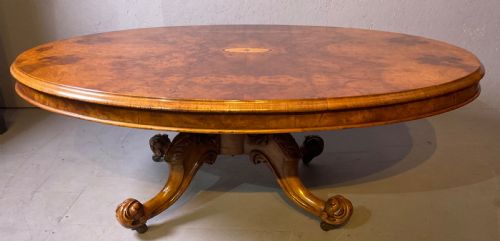
A burr wood coffee table brings rich timber figure and varied grain into a room, offering a functional centrepiece with distinct character.
Burr Wood Coffee Table
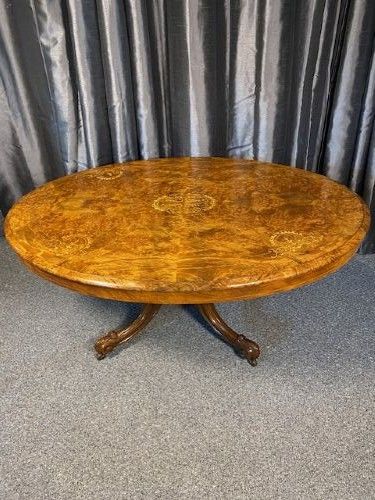
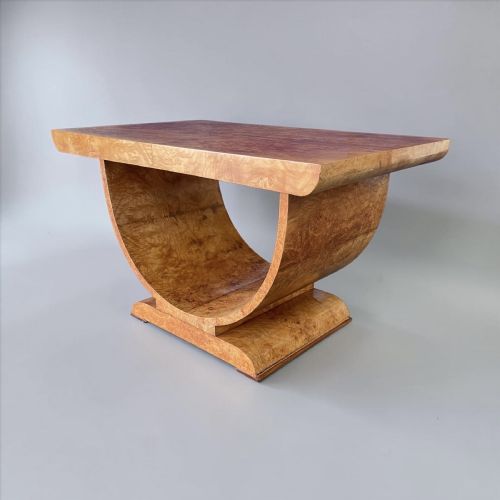
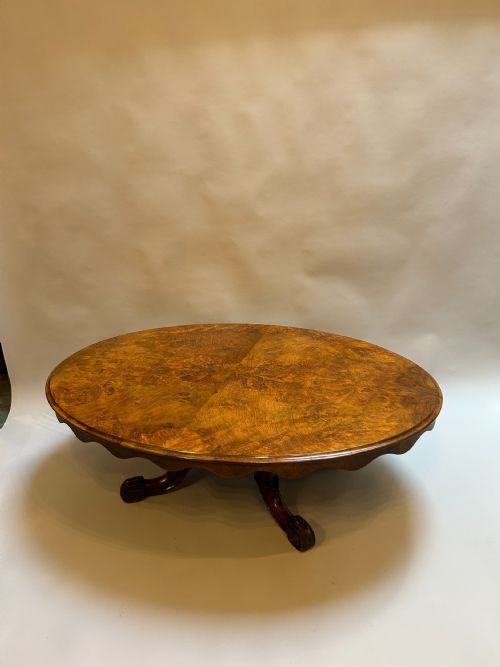
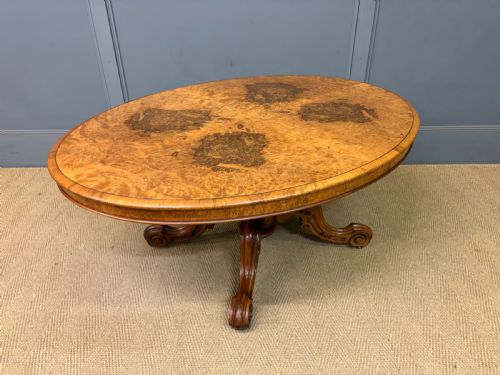
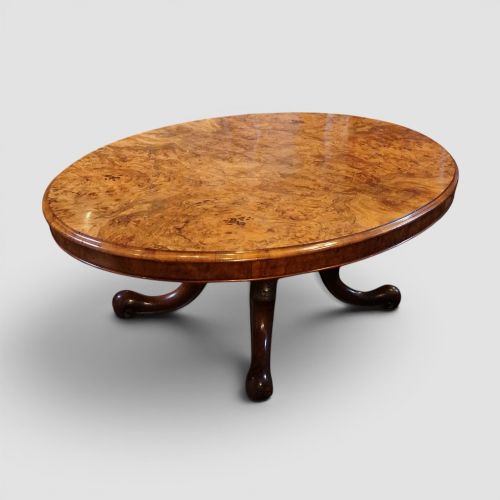
When searching for a burr wood coffee table, buyers encounter a diverse selection spanning Victorian origins, the nineteenth century, and Art Deco periods. These low tables serve everyday living spaces while displaying intricate natural patterns formed by tree growths.
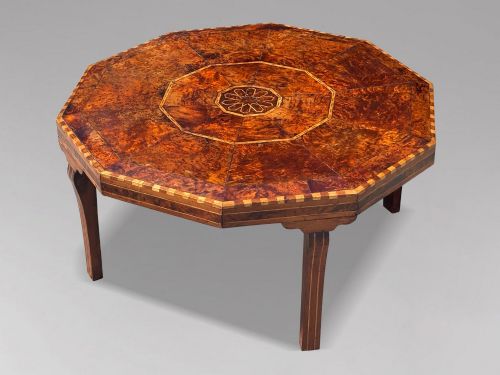
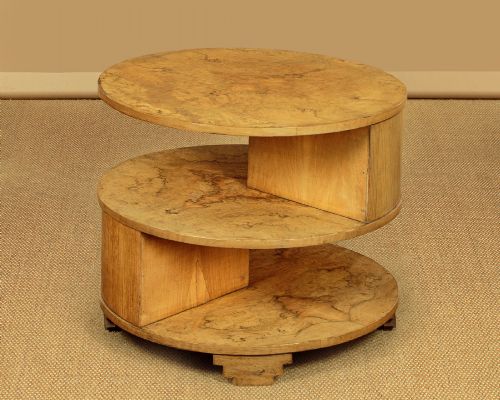
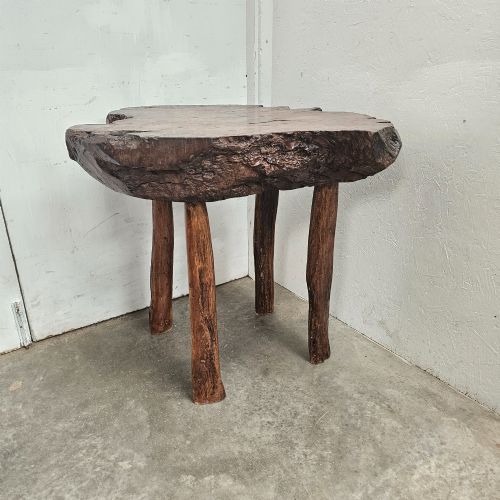
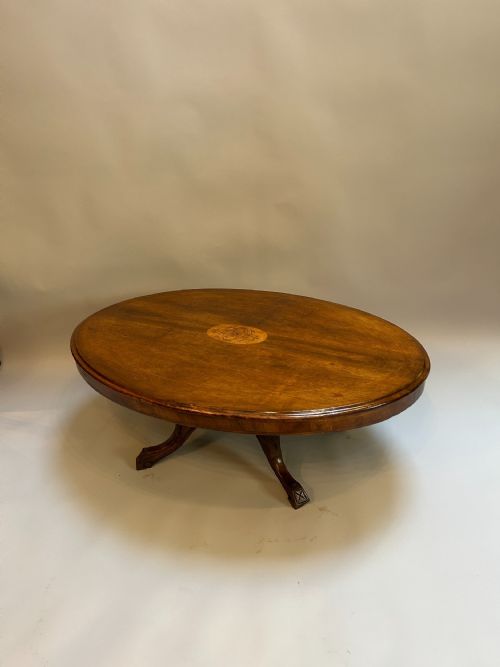
The most common examples on this page are Victorian and Art Deco pieces constructed from walnut or burr walnut veneer. Alongside standard coffee tables, the selection includes occasional tables, nests of tables, and side tables utilising timbers such as maple, yew, elm, thuya, and alder root.
Stylistic influences range from Queen Anne Revival and Biedermeier Revival to primitive and French chateau designs. Forms vary from simple circular and oval tops to octagonal shapes and dropleaf configurations.
How they were made
Cabinet makers constructed these tables using solid timbers and decorative veneers applied to carcases, often incorporating wood inlay and marquetry details. Brass hardware and modern cast iron tripod bases appear on specific pieces alongside traditional timber structures.
The distinctive figured surfaces rely on specialised cutting of burr wood growths, capturing swirls and knots in the grain. French polishing and related surface treatments brought out the depth and tone of walnut, maple, elm, and yew.
Listings feature burr wood coffee tables from the Victorian era up to the 1960s, using walnut, maple, yew, elm, and thuya.
What varies in quality
Quality in these tables rests primarily on the selection and arrangement of the timber figure across the top. Richly figured burr walnut, maple, or yew with balanced grain patterns commands attention compared to plain timber surfaces.
The precision of the cabinet work, including fine marquetry inlay and structural joinery, separates standard items from exceptional pieces. Period details such as pie crust edges or carved walnut elements further distinguish the construction.
Ernest Hemingway collection
The Burr Wood Coffee Table Glossary
- Burr wood
- Timber taken from a tree growth where the grain has grown in a deformed, swirling manner. This produces highly decorative patterns prized for table tops.
- Marquetry
- The art of applying pieces of veneer to a structure to form decorative patterns and pictures. It appears frequently on Victorian and nineteenth-century examples.
- Veneer
- A thin layer of superior wood glued to a base timber surface. This technique allowed makers to display dramatic burr walnut figures economically.
- Occasional table
- A small, versatile table designed for specific, intermittent use rather than dining. Many items catalogued as coffee tables originated in this form.
Burr Wood Coffee Table: Frequently Asked Questions
How do I identify a Victorian burr wood table?
Victorian examples often feature rich burr walnut veneers, sometimes combined with marquetry inlay or brass details. They typically display nineteenth-century cabinet making techniques and traditional proportions suited for drawing rooms.
Many of these pieces began life as occasional or Sutherland tables before serving as modern coffee tables. Examining the timber figure, edge profiles, and construction methods helps determine the period.
Are Art Deco burr wood tables different?
Art Deco tables from the 1930s tend to showcase bold geometric forms and clean lines that highlight the figured grain. Makers utilised burr maple, bleached walnut, and figured walnut without heavy ornamentation.
These pieces rely on the natural beauty of the wood veneer and the simplicity of the silhouette. They fit contemporary interiors while retaining distinct interwar design characteristics.
How do I live with a veneer surface?
Living with a veneered coffee table involves protecting the polished surface from excessive moisture and heat. Using coasters and placemats preserves the traditional finish and prevents marking the delicate burr timber underneath.
Routine dusting with a soft cloth maintains the natural lustre of walnut, elm, or yew. Position the table away from direct sunlight to protect the grain colours over time.