

Burr Wood Accent Table
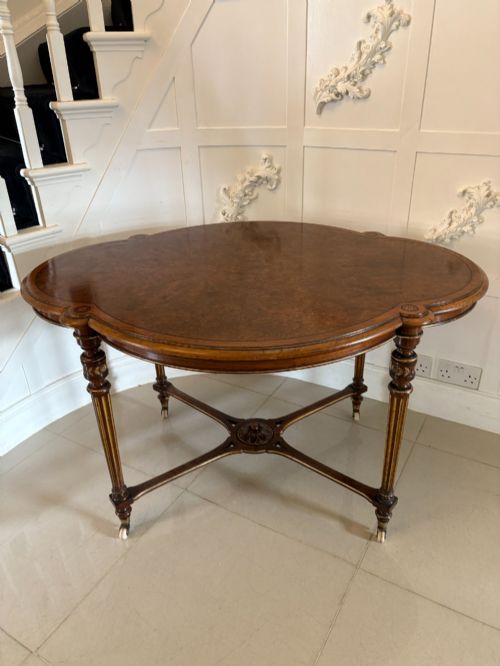
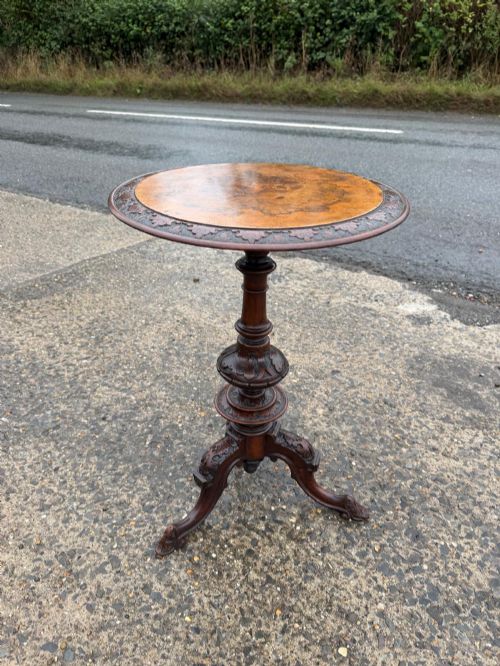
A burr wood accent table brings remarkable swirling grain patterns and rich warm tones into a room.
Burr Wood Accent Table
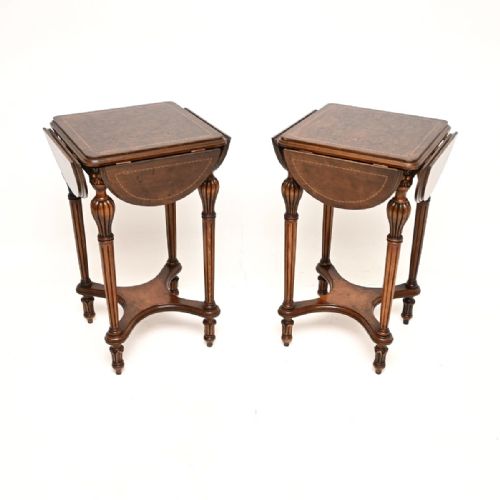
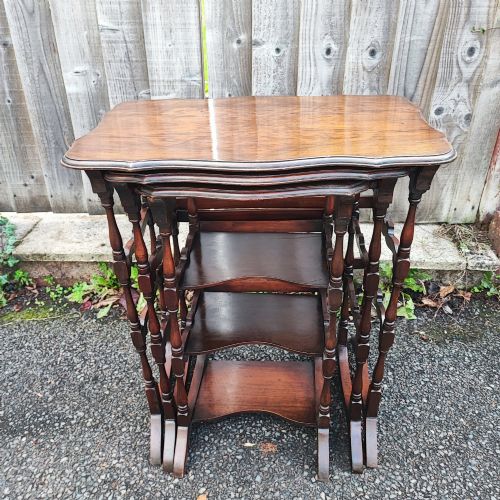
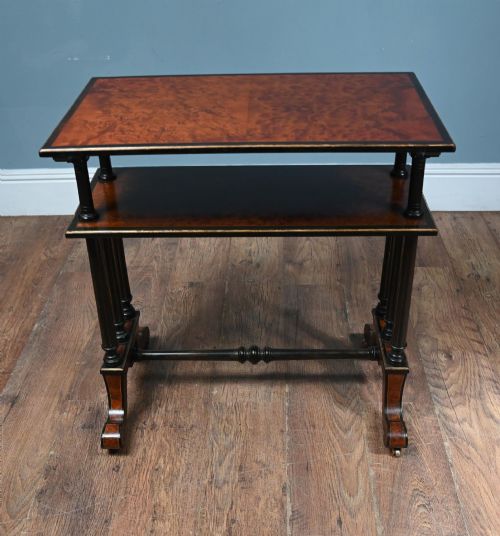
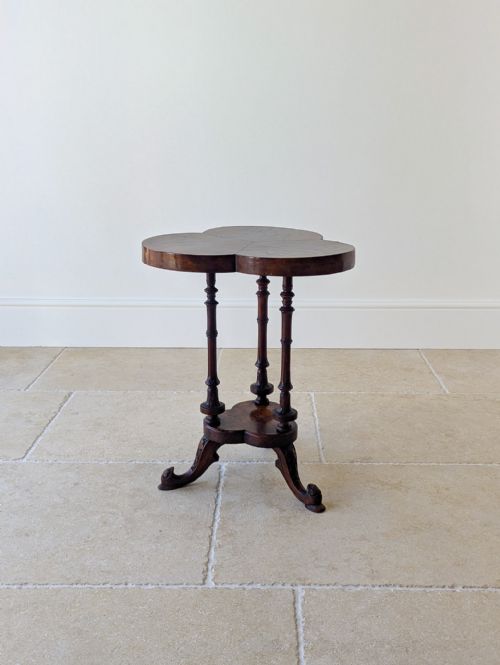
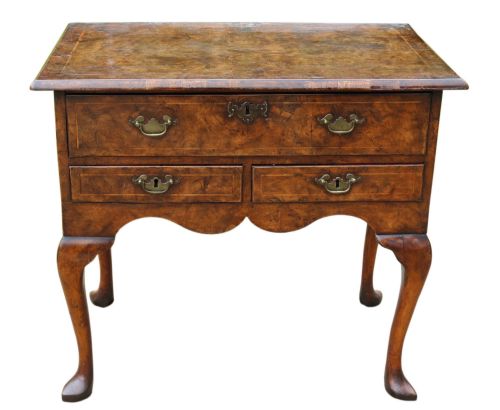
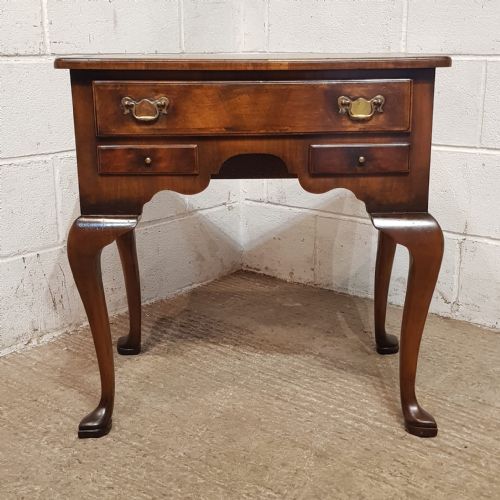
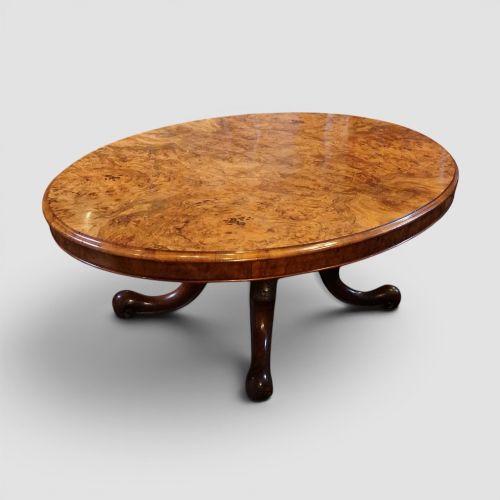
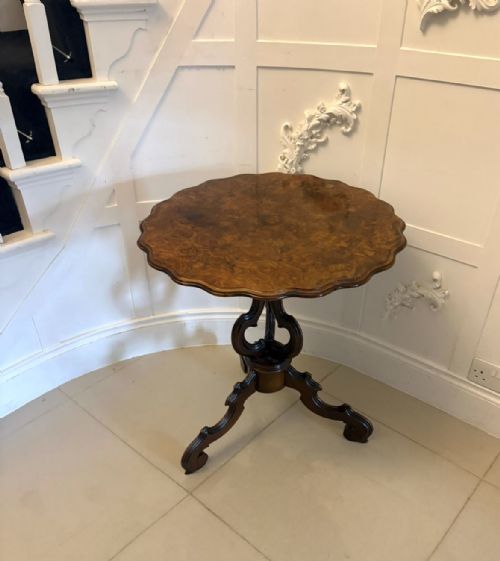
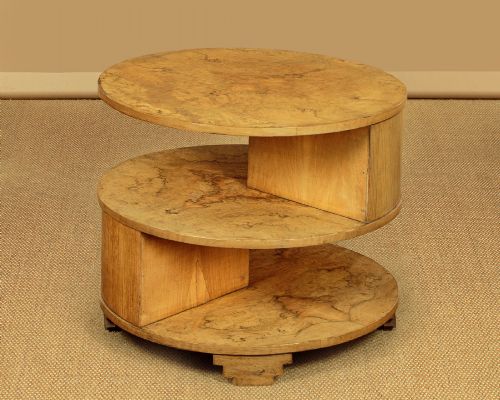
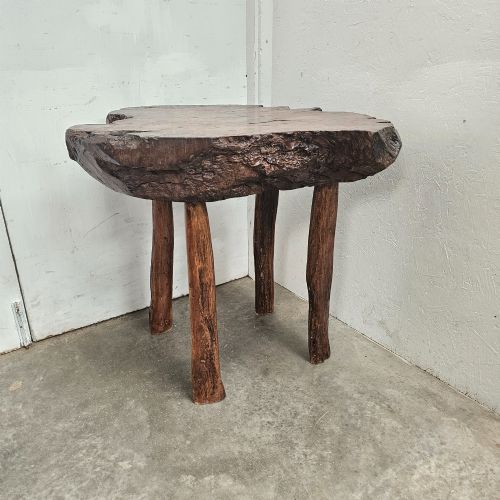
A burr wood accent table is a compact piece designed to sit beside seating or in a corner while displaying intricate natural wood figuring. When searching this phrase, buyers encounter various forms including side tables, occasional tables, coffee tables, and lowboys.
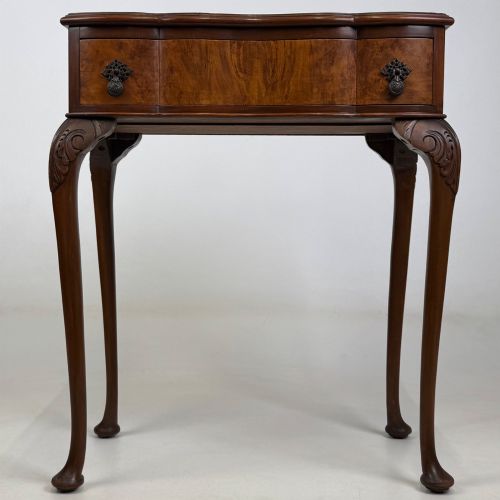
The pieces on this page span several eras, with Victorian and Edwardian examples featuring prominently alongside 18th-century lowboys and Art Deco coffee tables. Walnut is the most common wood species, accompanied by birch, elm, oak, yew, amboyna, and thuya.
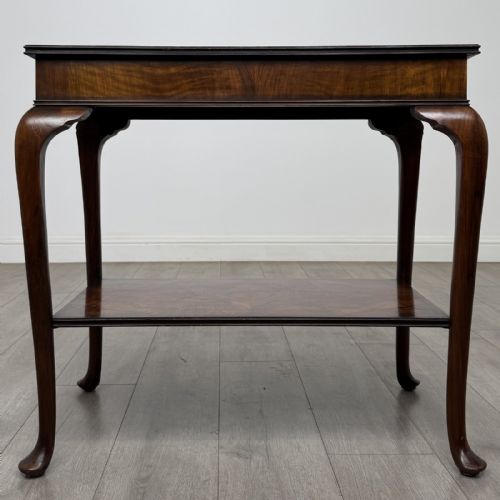
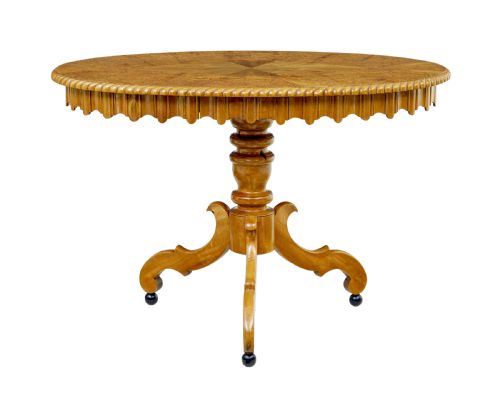
Origin formats range from British Victorian and Edwardian pieces to Scandinavian birch and elm designs and Swedish Biedermeier works. Forms frequently include tripod bases, oval or circular tops, and cabriole legs.
Materials and construction
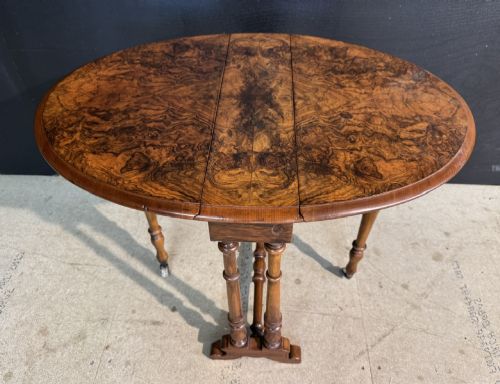
Cabinet makers utilised thin slices of burr veneer, cut from tree growths where the grain grew in chaotic, swirling patterns, laid over more stable secondary timbers such as mahogany or solid walnut. This technique maximised the visual impact of the decorative grain across table tops.
Inlays of boxwood or contrasting woods often border the burr tops, while turned pedestals, tripod legs, and brass fittings provide structural support. Joinery methods varied from traditional mortise and tenon joints in earlier lowboys to turned pillars on Victorian lamp tables.
Burr Wood Accent Table Retail Price Guide 2026
Typical asking prices for burr wood accent table among the pieces listed under this phrase on Sellingantiques today, from the lower quarter to the upper quarter. They describe what is for sale here now, not the wider market.
Factors determining quality
Quality rests primarily on the density, symmetry, and visual depth of the burr figuring across the timber surface. Tables with tightly swirled, unbroken grain patterns and minimal patching distinguish finer examples from plain or heavily repaired tops.
The crispness of inlay work, the integrity of structural joins in pedestals and cabriole legs, and the selection of secondary woods demonstrate the original maker's standard of craftsmanship.
The Burr Wood Accent Table Glossary
- Burr wood
- Timber harvested from tree burls or growths, producing complex swirling grain patterns. It is sliced into veneers for decorative furniture surfaces.
- Lowboy
- A small oak, walnut, or elm table with one or more drawers, originating in the 18th century. These serve today as compact side or accent tables.
- Tripod table
- A small occasional table supported by a pillar on three spreading feet. Many tilt-top variants allow the surface to fold away when not in use.
- Cabriole leg
- A furniture leg that curves out and then in, resembling an animal's leg. This shape appears frequently on Edwardian and Victorian tables.
- Marquetry
- The art of applying decorative pieces of veneer to a structure to form intricate designs. It often frames the borders of burr walnut table tops.
Burr Wood Accent Table: Frequently Asked Questions
What is a burr wood accent table?
A burr wood accent table is a small functional piece of furniture chosen specifically for its decorative, swirled timber grain. These items function as side tables, coffee tables, or lamp tables.
They bring natural texture and warmth into living spaces while remaining easy to move around a room.
Where should I place an accent table?
These compact tables fit well beside sofas, armchairs, or in narrow hallways where surface space is limited. Their decorative tops make them ideal for holding lamps, small ornaments, or books.
They also work effectively as standalone display pieces against empty wall spaces.
How do I care for antique burr surfaces?
Protect the polished wood surfaces by using coasters under drinks and avoiding direct, prolonged sunlight. Dust gently with a soft, dry cloth and apply occasional appropriate wax polish.
Keep the timber away from extreme temperature fluctuations and direct heat sources to prevent the veneer from drying out.
How do I identify the period of a table?
Dating relies on observing leg styles, construction methods, and secondary timbers used beneath the veneers. Victorian and Edwardian examples often feature walnut with cabriole legs or turned pedestals, while 18th-century lowboys show earlier joinery and drawer construction.
Scandinavian pieces from the nineteenth century frequently utilise distinct birch and elm timbers.