


Burr Walnut Sofa
When you search for a burr walnut sofa, you enter a rich territory of figured timber, drop-leaf tables, and upholstered nineteenth-century seating.
Burr Walnut Sofa
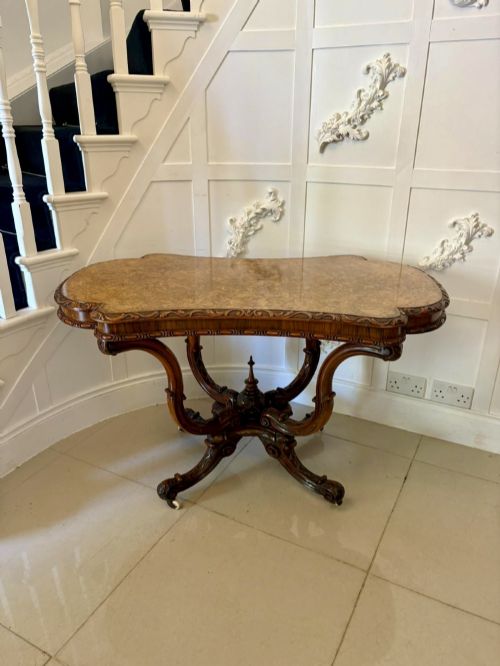
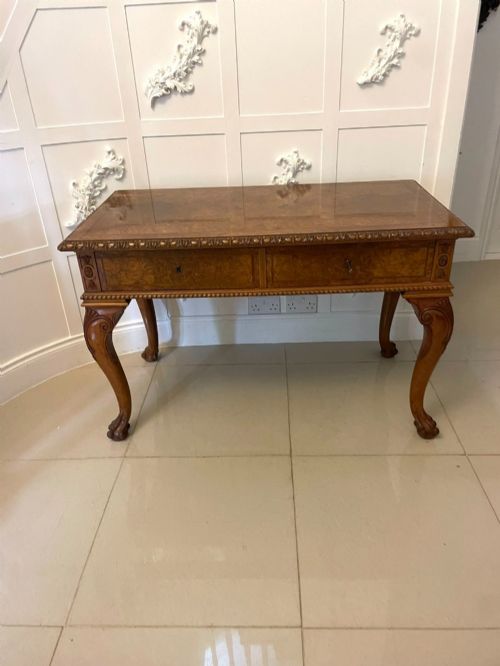
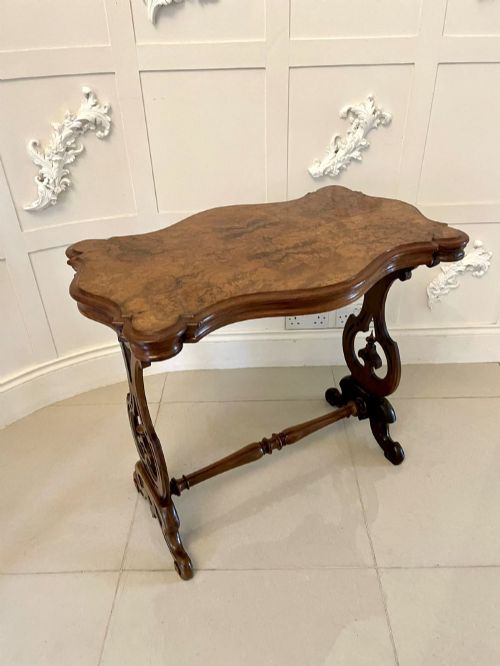
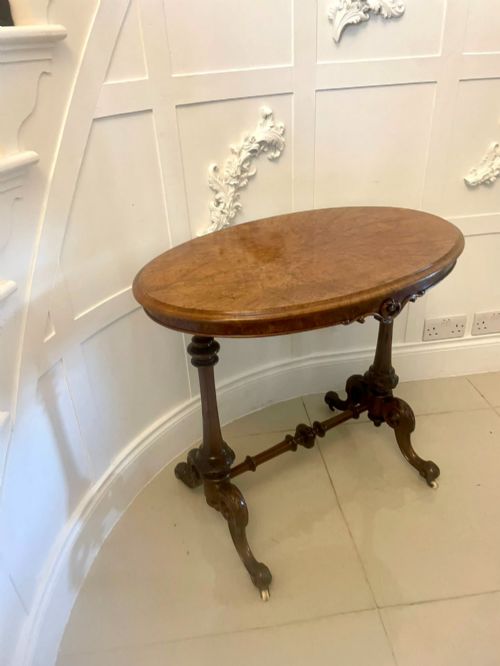
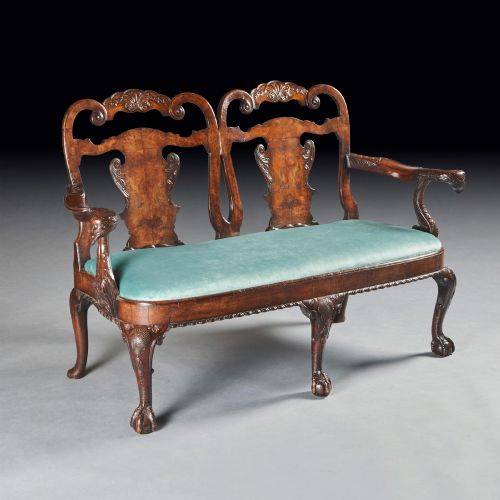
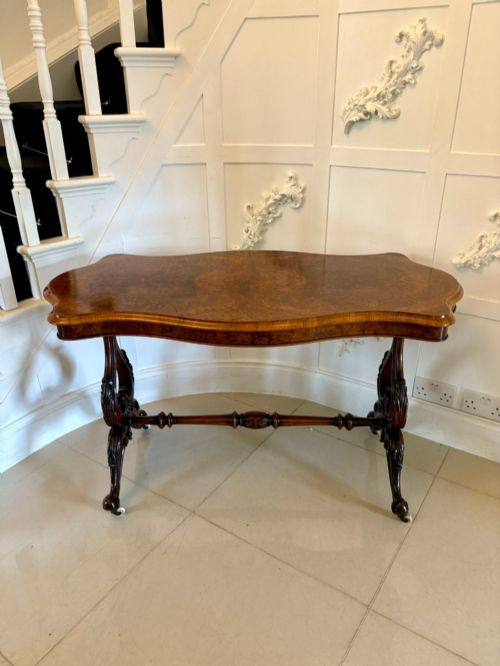
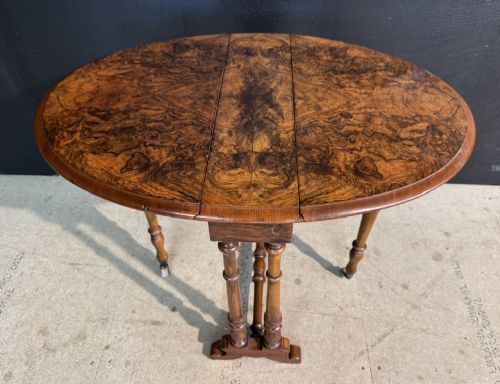
A burr walnut sofa or sofa table bridges the gap between functional household furniture and high-status decorative art. Buyers seeking this phrase typically encounter two distinct forms: drop-leaf sofa tables designed to sit before a fireplace, and large nineteenth-century or Art Deco upholstered settees framed in rich timber.
The material record spans the Victorian era into the 1930s, shifting from carved mid-nineteenth-century Revival styles toward the smooth, curving geometries of Art Deco cloud suites. Surviving examples reflect shifts in domestic entertaining, moving from formal Victorian drawing rooms to sleek twentieth-century reception spaces.
While many listings carrying this name are actually double-pedestal sofa tables with hinged flaps, true upholstered settees and lounge suites occasionally appear. These upholstered pieces often incorporate show-wood frames or Bergere cane panels alongside distinctive burr veneers.
How they were made
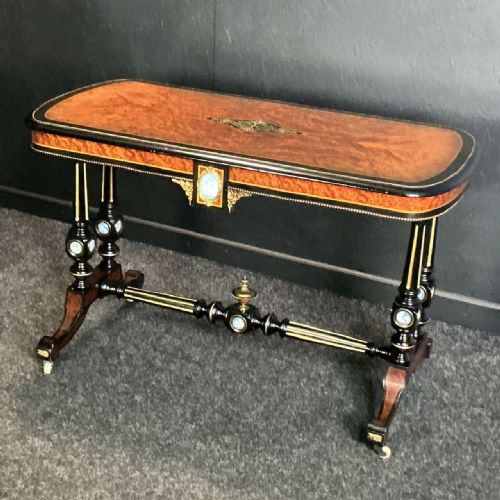
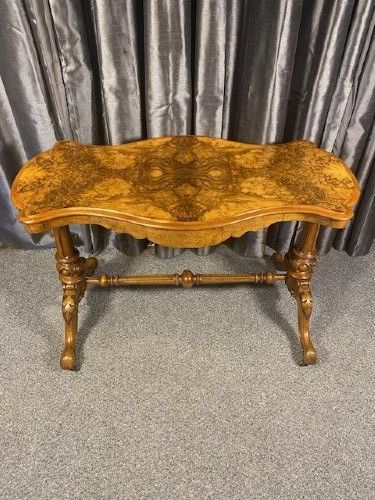
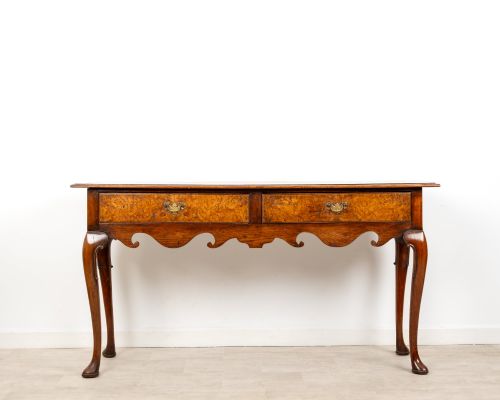
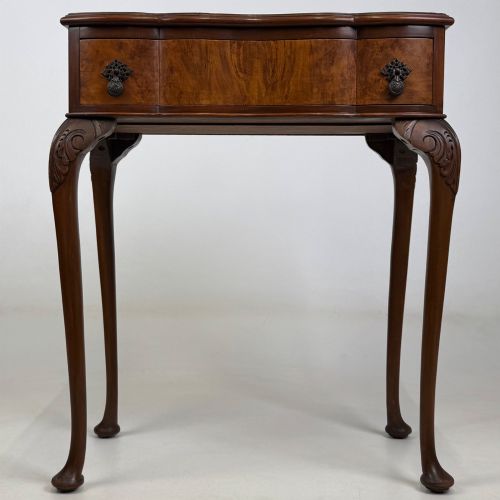
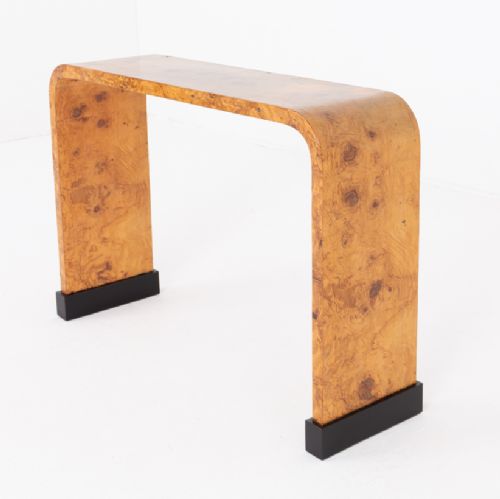
Cabinet makers utilised burr walnut - sliced from the knotty, highly figured growths of the tree - as a veneer applied over stable secondary timbers like pine or mahogany. This intricate grain pattern was carefully matched and laid out across table tops and prominent frame panels to create symmetrical, mirror-image designs.
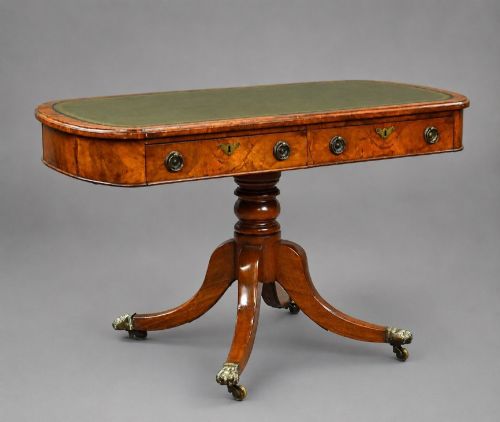
Inlaid details involving boxwood, brass, and ebonised wood frequently border the main veneer surfaces, reflecting meticulous hand-craftsmanship. Structural frames relied on traditional joinery, while later twentieth-century iterations embraced steam-bent wooden curves and internal webbing to support leather or fabric upholstery.
Some nineteenth-century tables cleverly hide secret chess boards and writing desks inside their slim mahogany-lined drawers.
What varies in quality
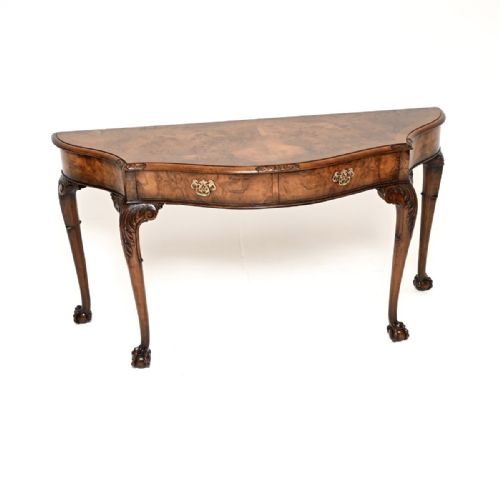
The distinction between ordinary and exceptional pieces rests upon the density and visual impact of the burr figuring. Superior examples exhibit tightly swirled, harmonious grain patterns that cover large surfaces without clumsy patching or interruption.
Construction fidelity dictates longevity, particularly in the hinges of drop-leaf tables and the structural rigidity of settee frames. High-end pieces display crisp, hand-carved detailing and seamless marquetry inlay, whereas lesser items rely on simpler moulded edges and plain timber grounds.
Hille·Epstein·Gillows
The Burr Walnut Sofa Glossary
- Burr Walnut
- Timber taken from the wart-like growths on a walnut tree, prized for its chaotic, swirling grain patterns. It is almost exclusively used as a veneer rather than solid wood.
- Sofa Table
- A long, narrow table traditionally placed behind a sofa, featuring drop leaves on either end. Nineteenth-century versions frequently incorporate twin pedestal bases and small drawers.
- Marquetry
- The art of applying decorative pieces of veneer to a structural structure to form intricate pictures or geometric patterns. Boxwood and ebonised strips are common companions to walnut.
- Bergere
- A closed-upholstered armchair or settee featuring cane work panels on the sides and back. This French-inspired seating style appears across both Victorian revival and Art Deco pieces.
Burr Walnut Sofa: Frequently Asked Questions
What is a burr walnut sofa table?
A sofa table is a distinct type of nineteenth-century occasional table featuring drop leaves on opposite sides. It was originally built to stand immediately behind a sofa for writing or holding lamps.
Over time, the name has become loosely applied in searches to both these tables and actual upholstered settees framed in matching timber.
How do I date a walnut piece?
Dating relies on observing structural forms, decorative motifs, and secondary woods. Mid-nineteenth-century pieces often display heavy Victorian carving, brass castors, and elaborate marquetry.
Twentieth-century examples from the Art Deco period discard these revivals in favour of streamlined, cloud-like curves and minimalist surfaces.
How should I care for burr walnut?
Burr walnut requires gentle maintenance to protect its thin veneer and polished finish. Keep pieces away from direct sunlight and sudden temperature shifts to prevent the wood from drying or splitting.
Regular dusting with a soft, dry cloth is sufficient, avoiding harsh chemical polishes that can degrade historic French polish.
Are these pieces suitable for daily use?
Most antique tables and frames are robustly constructed from dense hardwoods designed for generations of domestic service. However, drop-leaf mechanisms and delicate inlaid borders require mindful handling.
Upholstered pieces may require updated internal webbing and padding if chosen for active daily seating.