


Burr Walnut Frame Art
Burr walnut frame art centres on rich wooden grains and framed works spanning Georgian to Art Deco periods.
Burr Walnut Frame Art
When you search for burr walnut frame art, you encounter a varied selection of furniture and framed works rather than a single category. The listings on this page span several centuries, reaching from Georgian engravings and Regency sketches up to Art Deco beds and clocks.
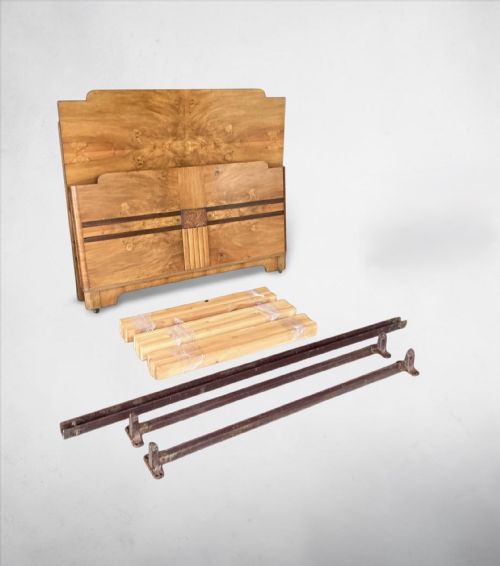
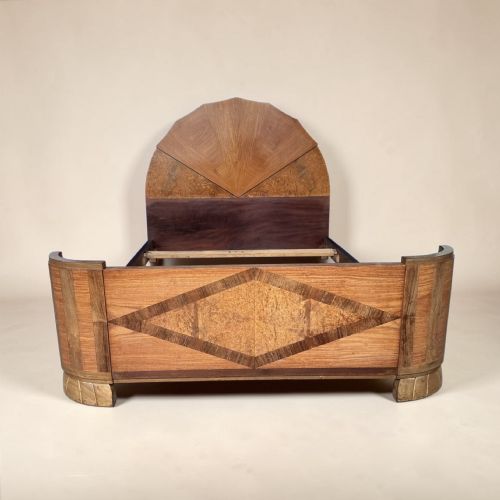
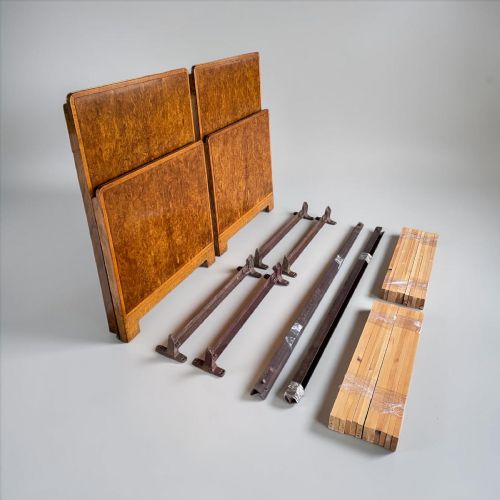
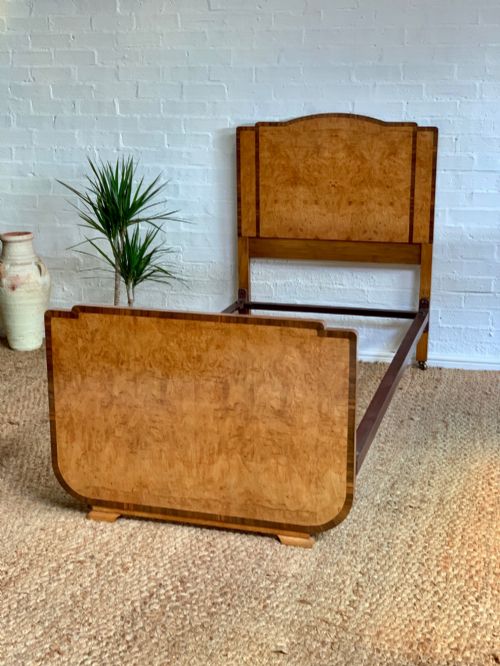
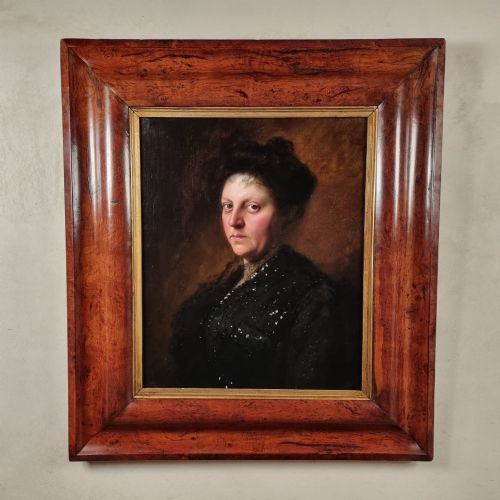
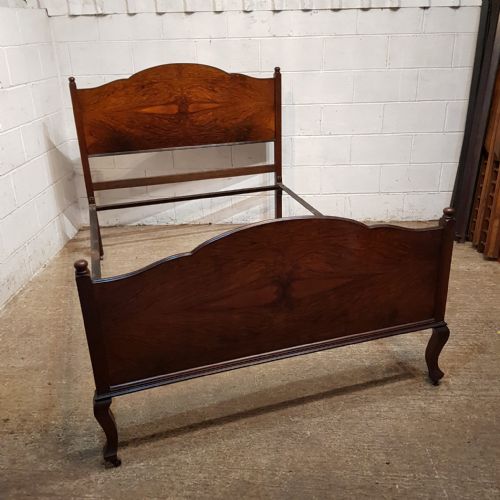
You are most likely to meet 1930s Art Deco double beds and single bedframes fashioned from burr walnut, walnut veneer, and figured walnut. Alongside these bedroom pieces, the selection includes oil paintings, framed prints, portraits, and mantel clocks.
The objects cross multiple eras, incorporating Edwardian portraits, 19th-century marine art, and Georgian miniatures. This diverse group brings together domestic woodwork and framed decorative items under one heading.
What varies in quality
The richness and complexity of the burr walnut figuring dictate the visual impact of the wooden pieces. Heavily figured veneers and matched grain patterns set finer examples apart from plainer timber surfaces.
Artistry in the associated framed works, from oil paintings to copper engravings, determines the level of craftsmanship. The integration of maker attributions, such as Waring & Gillow or Elliott of London, adds distinct provenance.
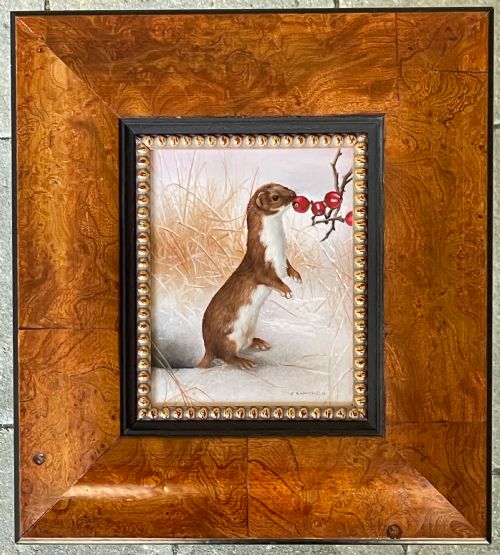
A weasel immortalised in oil paint rubs shoulders with 17th-century legal vellum and Art Deco bedframes.
Waring & Gillow England·ELLIOTT of LONDON·Carl Whitfield·Ridinger
The Burr Walnut Frame Art Glossary
- Burr walnut
- A wood harvested from walnut tree growths, prized for its swirling, intricate grain patterns. It is frequently sliced into thin veneers for furniture.
- Art Deco
- A design style from the early 20th century characterised by sleek geometric shapes and streamlined forms. Pieces from this era often utilise figured walnut.
- Veneer
- A thin layer of superior wood glued to a base material to provide a decorative surface. This technique highlights the natural figures in walnut.
- Indenture
- A legal contract drawn up on vellum or paper, often handwritten and dated. These documents serve as historical framed wall art.
- Provenance
- The documented history or origin of an object. Knowing the maker or past ownership establishes authenticity and context.
Burr Walnut Frame Art: Frequently Asked Questions
What periods do these pieces represent?
The selection covers items from the 17th century through the Georgian and Regency eras, extending into Edwardian and 1930s Art Deco periods.
Twentieth-century furniture forms the largest group, complemented by earlier paintings and documents.
How do I identify Art Deco beds?
Art Deco beds typically date from the 1930s and display geometric lines combined with figured walnut or burr walnut veneers.
They appear as single or double bedframes, sometimes accompanied by matching bedside cabinets or marble-topped nightstands.
What materials are used in the frames?
Materials include burr walnut, walnut veneer, standard wood, and iron supporting structural and decorative elements.
Framed works incorporate paper, vellum, and canvas protected by glass.
Are there signed paintings available?
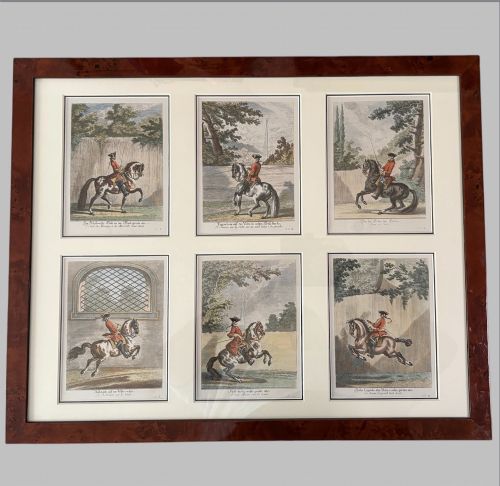
Selected artworks include oil paintings by named artists such as Carl Whitfield alongside equestrian engravings by Ridinger.
Portrait miniatures and pencil sketches also feature among the framed items.
How should I care for burr walnut furniture?
Keep wooden pieces away from direct sunlight and sudden temperature changes to protect the delicate walnut veneer.
Dust gently with a dry cloth and avoid harsh chemical polishes.