

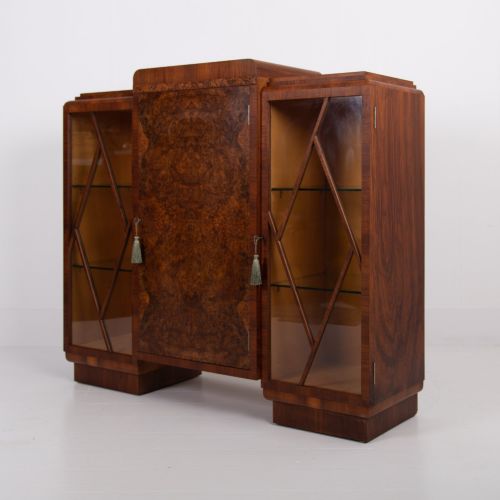


Burr Walnut China Display
Burr walnut china display cabinets combine figured timber with glazed presentation space, offering collectors a refined way to exhibit porcelain.
Burr Walnut China Display
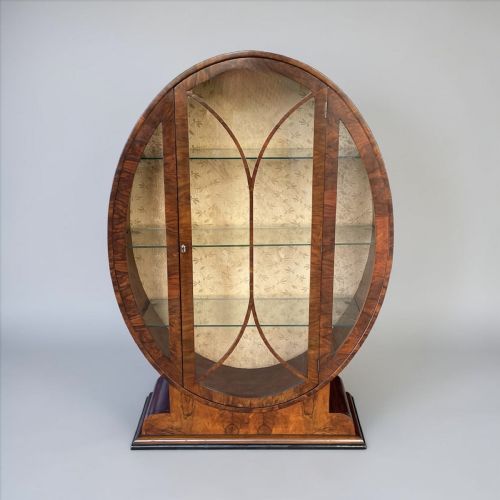
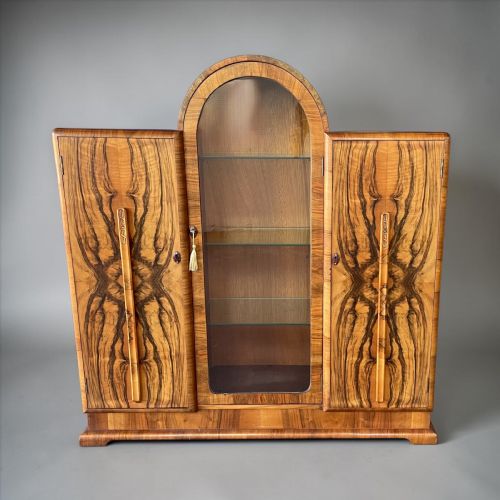
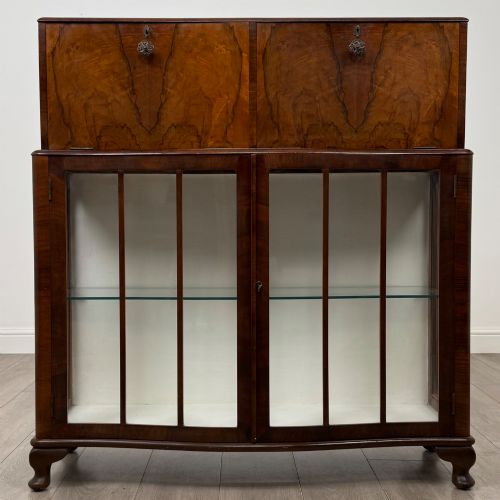
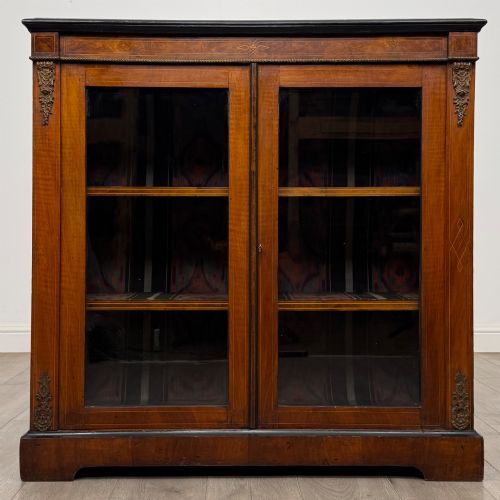
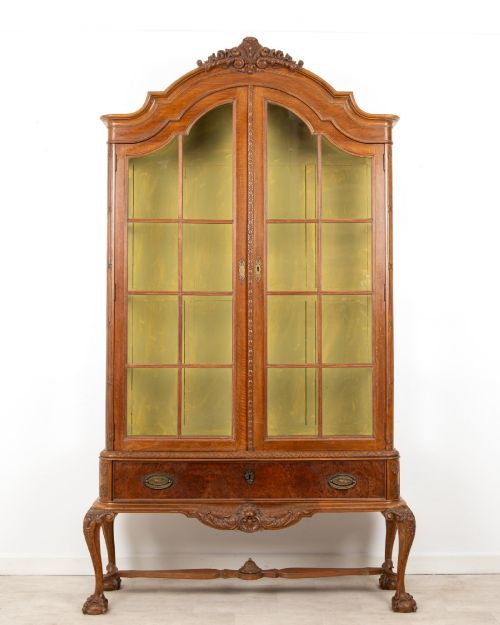
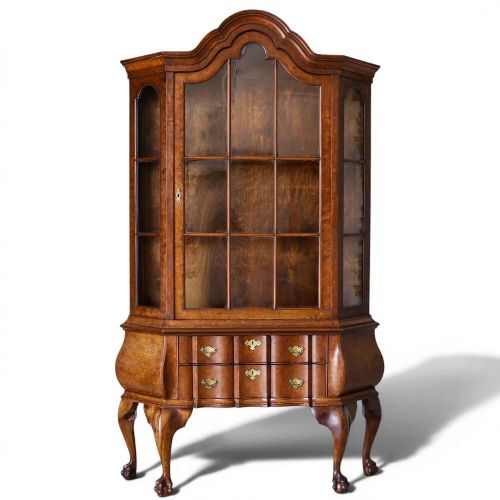
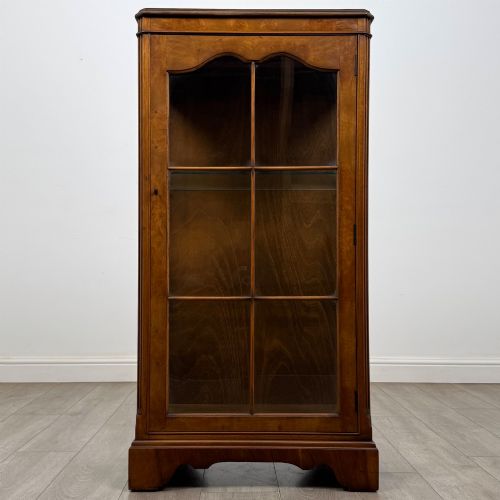
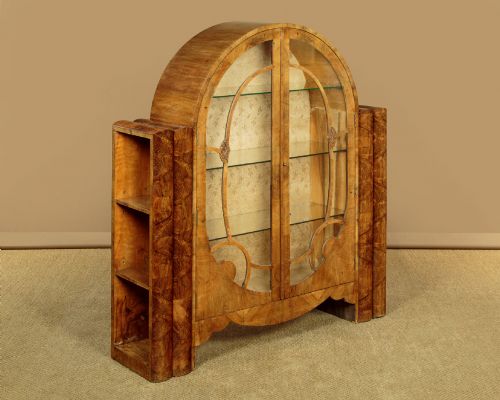
A burr walnut china display typically takes the form of a glazed cabinet, bookcase, or pier cabinet designed to showcase ceramics behind glass. When searching for burr walnut china display pieces, buyers encounter diverse formats ranging from nineteenth-century Victorian pier cabinets to sleek Art Deco designs from nineteen-thirty. These items serve a dual purpose of practical storage and decorative exhibition within a domestic interior.
The material evidence spans several periods, most notably the Victorian era, Edwardian period, and the nineteen-thirties. Forms vary from corner cabinets and bow-front side units to large bookcases with glazed upper sections and circular display shapes. Stylistic influences include Queen Anne Revival, Dutch Baroque, and modernist Art Deco geometries.
Materials and construction
Cabinet makers utilised burr walnut veneer applied over solid timber carcases to create rich, swirling grain patterns across the primary surfaces. Crossbanding, marquetry inlay, and ebonised wood details frequently accent the main timber panels.
Glazing bars hold the glass panes in place on the cabinet doors, whilst brass hardware secures the closures. Ormolu mounts and fabric linings appear on select nineteenth-century examples to add decorative contrast.
Several cabinets manage to look both serious about porcelain and slightly theatrical about their wood grain.
Assessing quality and craftsmanship
The visual impact of a burr walnut china display rests heavily on the selection and matching of the veneer. Cabinets featuring symmetrical grain patterns across multiple doors demonstrate superior timber preparation by the maker.
Secondary detailing separates standard production from finer work. Finely cast ormolu mounts, crisp marquetry inlay, and well-executed joinery on canted sides or curved glass frames indicate higher workshop standards.
Maurice Adams·Epstein
The Burr Walnut China Display Glossary
- Burr walnut
- A specialised timber veneer taken from the wart-like growth on a walnut tree. It yields intricate, swirling patterns highly prized in cabinet making.
- Pier cabinet
- A low freestanding cabinet designed specifically to fit against the wall space between windows. These nineteenth-century pieces often feature glazed doors and gilt-metal mounts.
- Marquetry
- Decorative patterns formed by fitting together thin slices of various woods and other materials onto a veneered surface. Dutch examples frequently employ floral motifs.
- Ormolu
- Gilded bronze ornamentation applied to furniture, popular during the Victorian period. It adds metallic contrast to dark timber surfaces.
- Crossbanding
- A narrow strip of veneer laid around the border of a panel with the grain running at right angles to the centre. This technique frames the central burr walnut figure.
Burr Walnut China Display: Frequently Asked Questions
What is a burr walnut china display?
A burr walnut china display is a glazed cabinet utilised for housing and exhibiting porcelain tableware. These pieces rely on figured walnut veneer to create decorative exterior surfaces.
Cabinets of this type appear in various configurations, including corner units, pier cabinets, and larger bookcases with glass doors.
How do I date a burr walnut cabinet?
Dating relies on identifying stylistic markers and construction methods specific to different decades. Victorian examples often incorporate marquetry and ormolu mounts, whilst nineteen-thirty pieces show geometric Art Deco influences.
Examining the interior linings, hinges, and timber preparation helps confirm the period of manufacture.
Where should I place a display cabinet?
Display cabinets require stable interior environments away from direct sunlight to protect both the timber veneer and the displayed ceramics. Placement should consider room circulation, especially with larger bookcase formats or bow-front designs.
Corner cabinets make efficient use of restricted wall space, whilst circular or octagonal units suit central room placement.
Are these cabinets suitable for modern homes?
Burr walnut furniture integrates well into contemporary interiors due to the warm tones and organic patterns of the timber. The glazed sections provide functional storage that keeps dust away from collections.
Art Deco and Edwardian variations offer clean lines that complement both traditional and modern decor.