



Burr Maple Table
These burr maple table pieces bring rich, patterned wood grain and practical surface space into a room.
Burr Maple Table
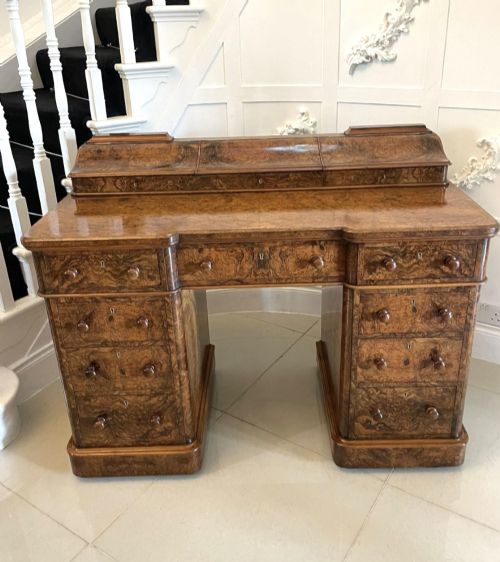
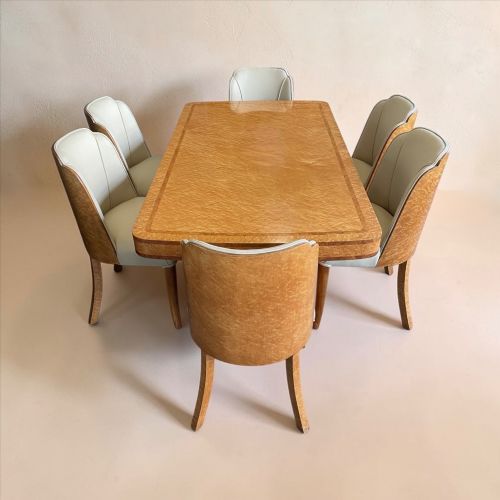
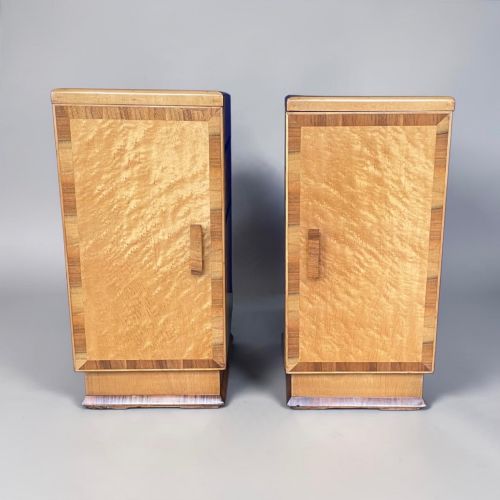
A burr maple table delivers distinctive swirling timber patterns across surfaces ranging from compact bedside units to large dining suites. Buyers seek this burr maple table category for the decorative impact of the knotted wood grain and the variety of historical forms available.
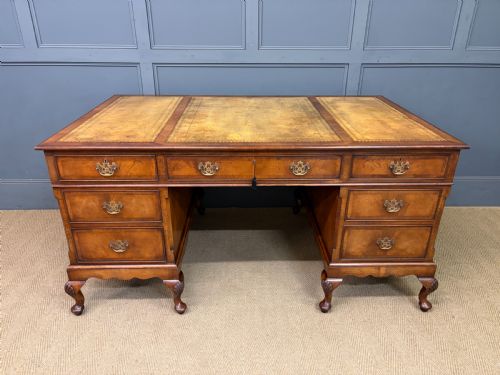
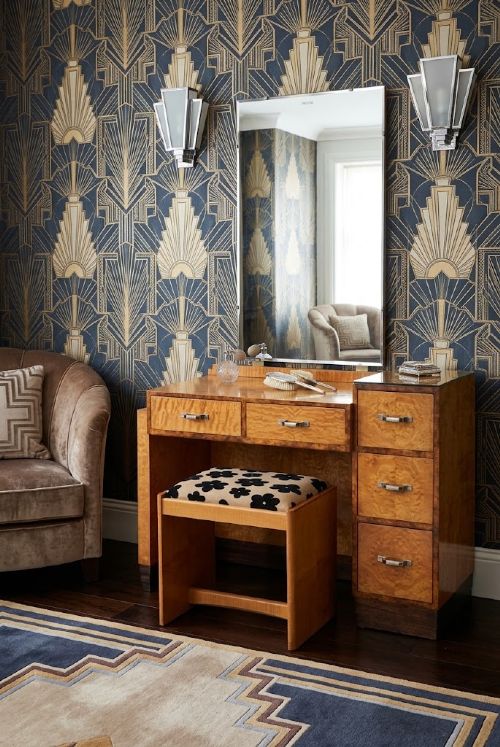
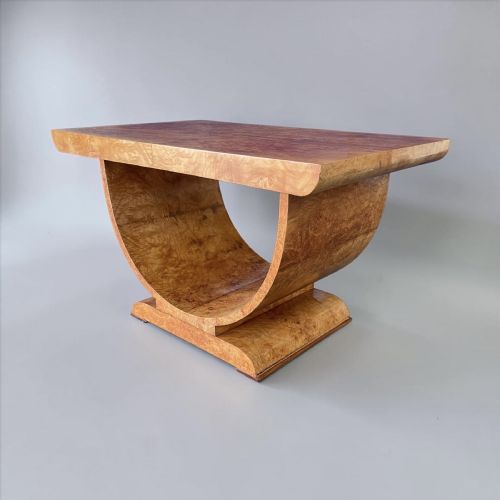
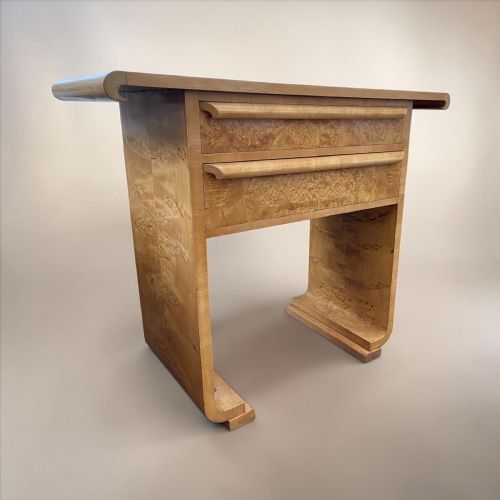
The pieces appearing here span from the Georgian period through the Victorian and Edwardian eras into Art Deco designs. Dining tables, coffee tables, consoles and writing desks dominate the forms, each utilising the characteristic figured wood.
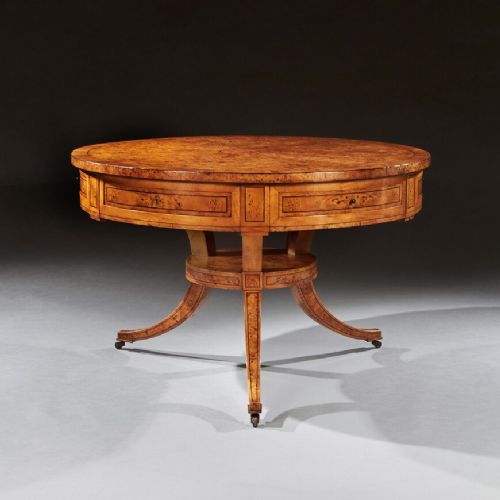
Art Deco examples sit alongside 19th-century Scandinavian drum tables and Georgian dressing mirrors. This variety allows collectors to find both streamlined 20th-century silhouettes and more ornate historical construction.
How they were made
Cabinet makers constructed these pieces using solid timber frames overlaid with burr maple veneer to display the intricate grain patterns. Brass hardware and leather inserts frequently complement the wood on desks and tables.
Makers selected burr growths from maple trees, slicing them into thin sheets for veneering tabletops and drawer fronts. Secondary timbers like walnut and general wood provide structural stability beneath the decorative exterior.
Burr Maple Table Retail Price Guide 2026
Typical asking prices for burr maple table among the pieces listed under this phrase on Sellingantiques today, from the lower quarter to the upper quarter. They describe what is for sale here now, not the wider market.
Listings feature periods from the Georgian era through Victorian and Edwardian times up to Art Deco designs.
What varies in quality
The intensity and symmetry of the burr maple grain pattern dictate visual appeal across different pieces. Master cabinet makers aligned veneers carefully to create balanced, mirroring designs on tabletops and cabinet doors.
Construction methods and maker attribution separate standard items from superior works. Pieces bearing maker stamps or originating from prominent workshops demonstrate finer joinery and more substantial timber selection.
Maple and Co·Fortnum and Mason
The Burr Maple Table Glossary
- Burr maple
- A wood derived from a tree growth or deformity that produces complex, swirling grain patterns. Cabinet makers prized this timber for high-status furniture surfaces.
- Veneer
- A thin slice of ornamental wood applied to a base timber core. This technique allowed craftsmen to display expensive burr patterns efficiently.
- Drum table
- A circular library or occasional table with a deep top resembling a drum. These typically feature numerous drawers around the perimeter.
- Console table
- A table designed to stand against a wall, frequently supported by brackets or console legs. Many examples served as serving or hall tables.
- Partners desk
- A large double-sided desk configured with drawers and cupboards on both opposing sides. Two people could work simultaneously facing one another.
Burr Maple Table: Frequently Asked Questions
How do I care for a burr maple table?
Keep wooden surfaces away from direct sunlight and steady heat sources to prevent the veneer from drying out. Clean regularly with a soft, dry cloth and avoid harsh chemical polishes.
Apply occasional professional wax conditioning if the timber begins to look dry. Protect the surface from moisture by using coasters under glasses and cups.
Can I use a coffee table daily?
These tables handle everyday living when treated with reasonable care. Use trays for drinks and avoid placing heavy objects directly onto the veneered edges.
Placing felt pads beneath decorative items prevents scratching on the polished surface. Regular gentle dusting maintains the lustre of the timber grain.
What is the difference between walnut and maple?
Walnut displays a deeper brown coloration with darker grain variation, whereas maple presents a lighter, honeyed tone. Both timbers produce decorative burr figures when harvested from tree growths.
Craftmen often utilised both woods across similar furniture forms during the 19th and 20th centuries. Examining the base hue helps distinguish between the two materials.