



Burr Elm Pedestals
Burr elm pedestals are striking tables and desks defined by swirling timber figures that bring warmth and distinct grain to any room.
Burr Elm Pedestals
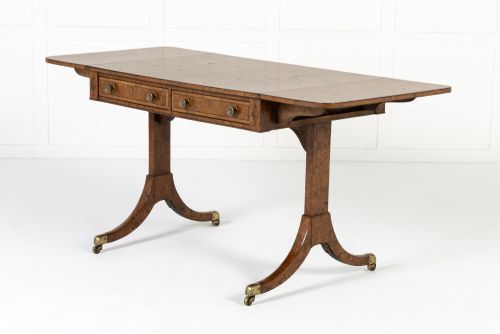
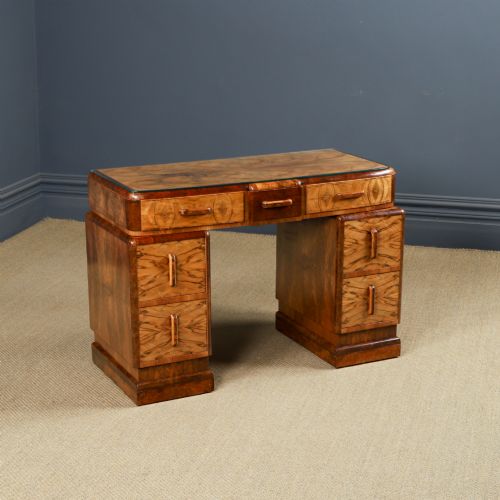
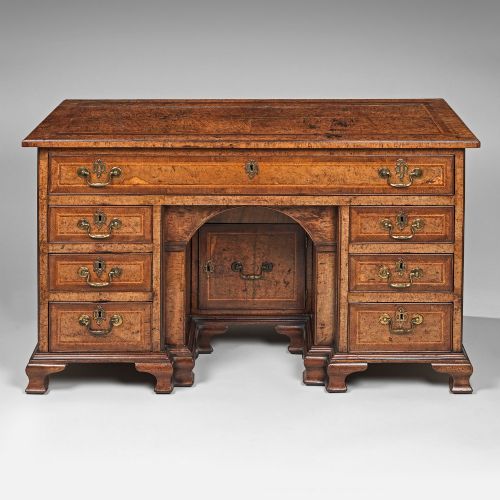
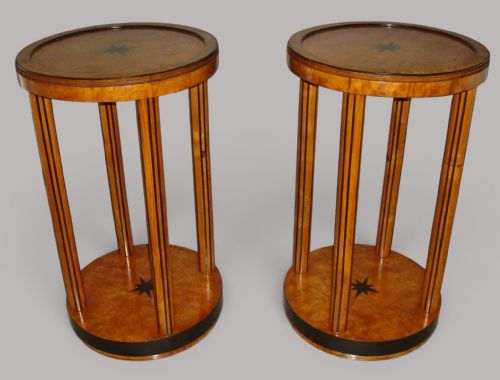
Burr elm pedestals encompass a variety of small tables, writing desks, and occasional pieces that showcase the knotty, intricate growth patterns of the timber. When you search for burr elm pedestals, you encounter forms ranging from George II kneehole desks to 19th-century occasional tables and French guéridons.
The material dictates the character of these items, often appearing alongside walnut, rosewood, oak, or birch in regional European pieces. You are most likely to meet 19th-century examples, alongside occasional George II, Regency, and Art Deco interpretations.
The functional forms vary from tripod tables and octagonal side tables to Davenport desks and teapoys. Each piece utilises the distinctive figuring of the wood to create a rich visual texture on surfaces and pedestals.
Materials and construction
The primary visual draw of these pieces is burr elm veneer or solid burr elm, selected for its swirling grain and complex knots. Cabinetmakers often paired this timber with contrasting woods such as ebony, walnut, or rosewood to frame the figured surfaces.
Structural elements frequently incorporate elm, oak, or other hardwoods to provide stability beneath the decorative veneers. Secondary materials like brass, glass, and marble appear on specific forms, such as office desks and occasional tables.
Burr Elm Pedestals Retail Price Guide 2026
Typical asking prices for burr elm pedestals among the pieces listed under this phrase on Sellingantiques today, from the lower quarter to the upper quarter. They describe what is for sale here now, not the wider market.
Trees occasionally grow gnarled burls as a reaction to stress, inadvertently gifting future cabinetmakers some of the wildest timber patterns known to woodworking.
Judging quality in burr elm
The visual impact of the timber drives the distinction between average and exceptional pieces, particularly the density, depth, and placement of the burr figuring across the top and pedestal. Master cabinetmakers selected sections of wood where the grain creates natural movement and harmony.
Construction methods and proportions also determine the calibre of the piece, from the crispness of the joinery to the elegance of the supporting column or legs. The integration of secondary materials like ebony stringing or brass mounts indicates a higher level of craftsmanship.
The Burr Elm Pedestals Glossary
- Burr Elm
- A timber harvested from elm tree growths, known for its dense, swirling grain patterns and rich brown tones. It provides a highly decorative surface for fine furniture.
- Guéridon
- A small French table supported by a central column or pedestal, originating in the 17th century. These pieces often serve as decorative display surfaces.
- Teapoy
- A small box or chest mounted on a central pedestal, traditionally used for storing and serving tea. Nineteenth-century examples often feature elaborate wood veneers.
- Kneehole Desk
- A desk or dressing table featuring a recessed central space for the knees, flanked by pedestals of drawers. George II examples demonstrate early forms of this layout.
- Tripod Table
- A small occasional table supported by three legs radiating from a central pillar. They appear frequently in 18th- and 19th-century British furniture.
Burr Elm Pedestals: Frequently Asked Questions
What is a burr elm pedestal?
A burr elm pedestal refers to tables, desks, and stands built using wood from the knotty outgrowths of elm trees. These pieces rely on a central support or pedestal configuration.
The distinct grain creates swirling patterns that make each item visually unique.
How do I date a burr elm piece?
Dating relies on observing the overall form, construction methods, and stylistic cues associated with periods like the Georgian era, the Regency period, or the 19th century. Secondary timbers and hardware often provide additional clues.
Comparing the silhouette to documented furniture types helps narrow down the decade of manufacture.
Where were these tables used?
Historically, smaller tables and teapoys served drawing rooms and parlours for social gatherings or holding decorative objects. Desks functioned as private writing spaces in studies and offices.
Today, their compact proportions allow them to fit easily beside seating or in hallways.
How should I care for burr elm?
Maintaining burr elm involves keeping wooden surfaces away from direct sunlight and extreme temperature fluctuations to protect the veneer. Regular dusting with a soft, dry cloth preserves the finish.
Avoiding excessive moisture prevents the timber and glue joints from warping over time.