



Burmese Ruby Gold Ring
A burmese ruby gold ring brings together rich crimson stones and warm metal, offering a striking piece of jewellery with notable history.
Burmese Ruby Gold Ring
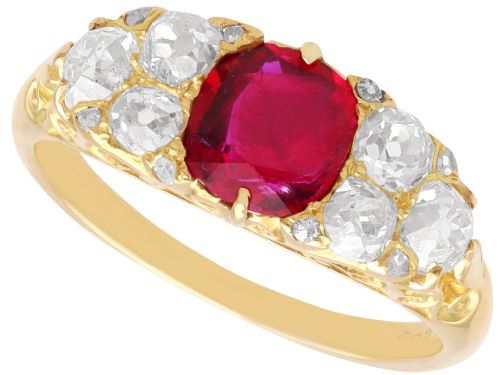
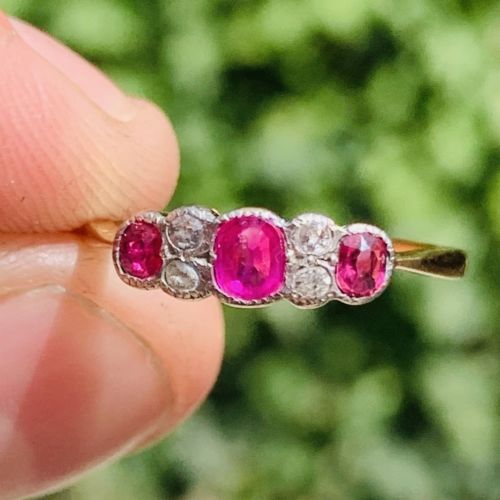
A burmese ruby gold ring combines central red corundum with yellow gold, white gold, or platinum settings. These items appear across Victorian, late Victorian, Art Deco, and vintage periods.
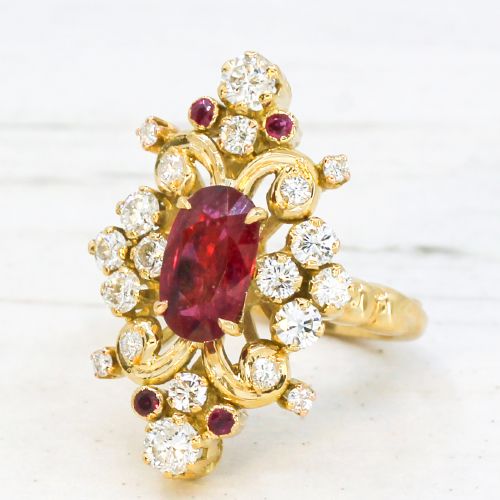
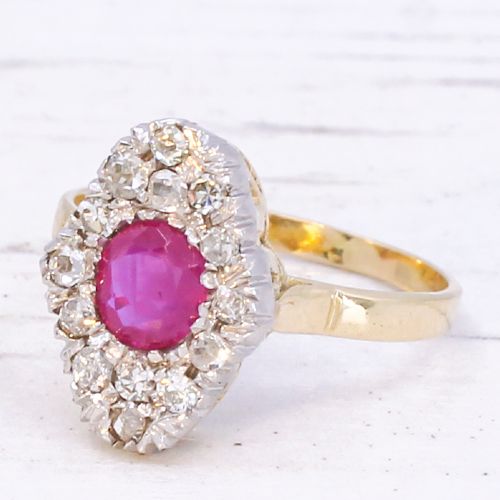
Most examples pair the central stone with diamonds in dress ring, solitaire, halo, or navette formats. The forms range from late nineteenth-century designs to mid-century creations.
Origin details often reference specific Burmese sources such as Mogok or Mong Hsu alongside unheated natural stones. Buyers encounter pieces spanning several decades of craftsmanship.
How they were made
The construction utilises yellow gold, white gold, and platinum to secure the gemstones. Metalwork styles shift from Victorian yellow gold settings to the geometric lines of Art Deco platinum and gold mounts.
Gemstones are set alongside old cut diamonds in configurations that include navette clusters and halo arrangements. Goldsmiths shaped the precious metals to highlight the natural characteristics of the ruby.
Burmese Ruby Gold Ring Retail Price Guide 2026
Typical asking prices for burmese ruby gold ring among the pieces listed under this phrase on Sellingantiques today, from the lower quarter to the upper quarter. They describe what is for sale here now, not the wider market.
Listings span periods from the Victorian era through Art Deco to the 1960s, using yellow gold, white gold, and platinum.
What varies in quality
The distinction rests in the origin, treatment status, and weight of the ruby. Stones from Mogok and unheated specimens differ from standard variants.
Proportions between the central ruby and surrounding old cut diamonds alter the visual presence of the ring. The integration of platinum with yellow or white gold displays changing goldsmithing standards.
The Burmese Ruby Gold Ring Glossary
- Burmese ruby
- A ruby originating from mines in Myanmar, historically associated with distinct colour characteristics. These stones are prized in antique and vintage jewellery.
- Navette ring
- A ring featuring a pointed, boat-shaped setting that sits lengthwise along the finger. This silhouette allows for elaborate cluster arrangements.
- Old cut diamond
- A diamond cut by hand before modern machinery standardised facets, typically showing a smaller table and larger culet. These stones accompany many antique ruby rings.
- Unheated
- A gemstone that has undergone no thermal enhancement to improve its colour or clarity. Natural unheated stones command particular attention.
- Halo ring
- A central gemstone encircled by a ring of smaller diamonds. This layout maximises visual impact and light reflection.
Burmese Ruby Gold Ring: Frequently Asked Questions
How do I identify a Victorian ruby ring?
Victorian examples often feature yellow gold bands paired with old cut diamonds and characteristic prong or bezel mountings.
Period hallmarks and traditional claw settings help separate these nineteenth-century pieces from later Art Deco or vintage designs.
What does unheated mean for a ruby?
An unheated ruby has not been subjected to artificial heat treatment to alter its natural colour or clarity.
Gemstone reports frequently specify this status, which distinguishes stones in vintage and antique markets.
Are these rings suitable for everyday wear?
Rubies possess high natural hardness, making them durable enough for regular use when set securely in gold or platinum.
Prong and halo settings require occasional checks by a jeweller to ensure the diamonds and central stones remain firm.
What is a navette ring style?
A navette ring uses an elongated, boat-shaped cluster design that extends along the length of the finger.
This nineteenth-century silhouette accommodates multiple small diamonds surrounding a central ruby.