


Burmese Carved Teak Table
A burmese carved teak table brings dense, intricate craftsmanship into a room through deep relief carving and sturdy tropical hardwood.
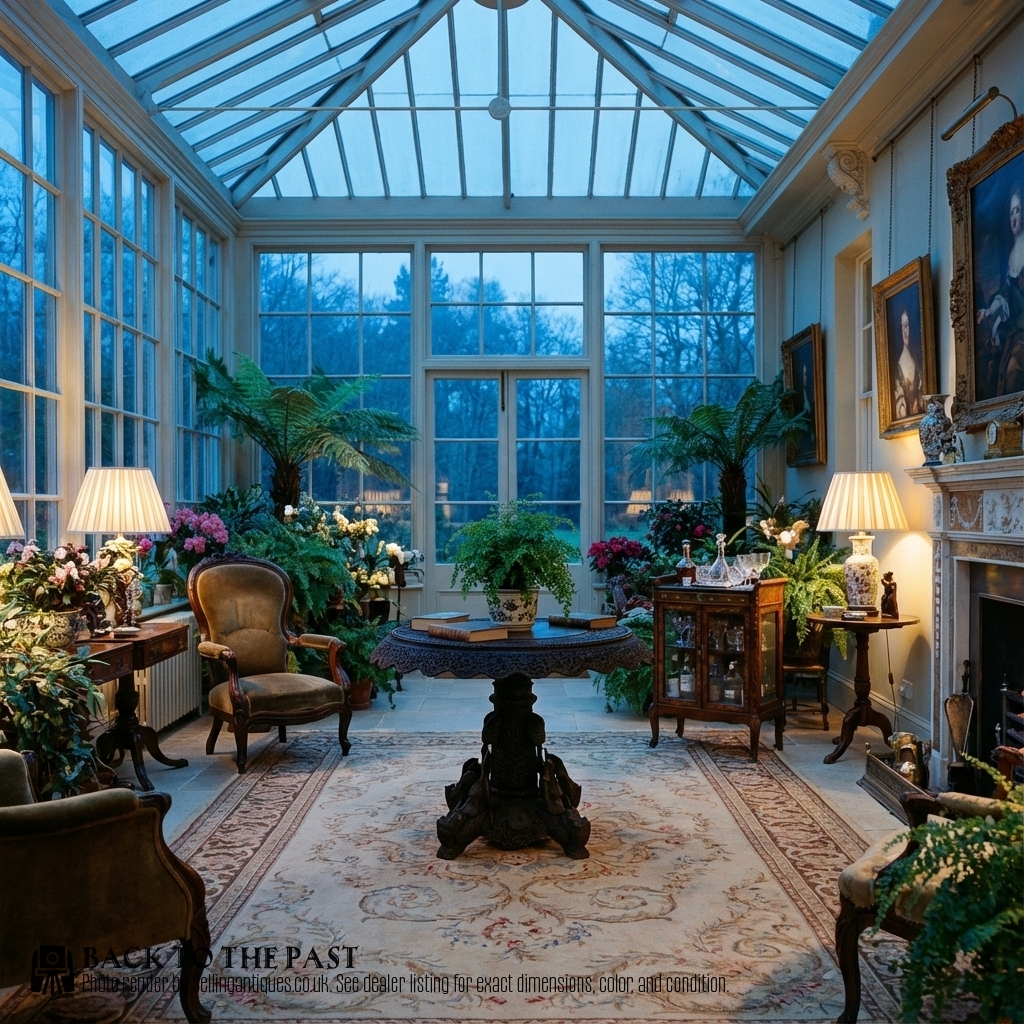
Burmese Carved Teak Table
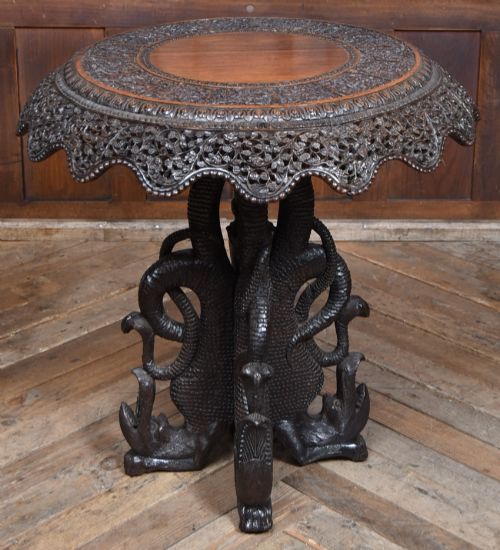
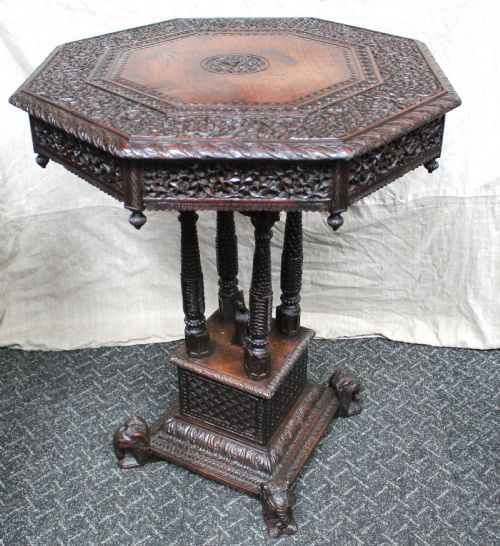
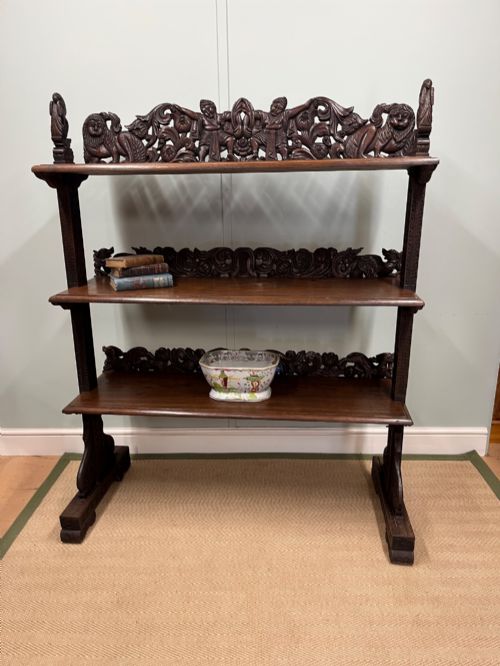
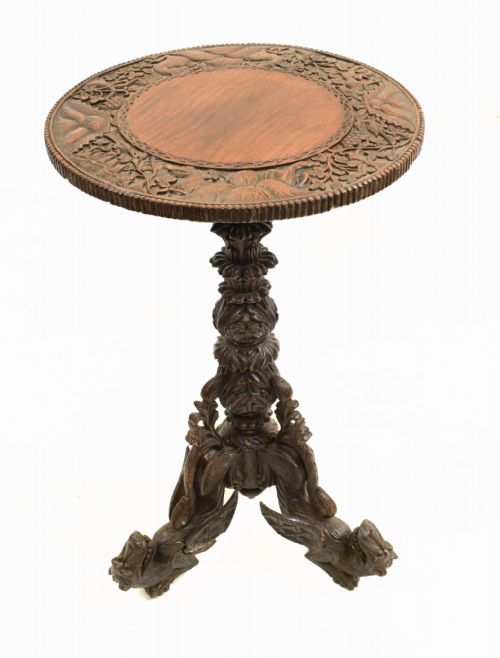
A burmese carved teak table spans a variety of domestic forms dating from the nineteenth century, including occasional, side, console, and tilt-top tables, alongside multi-tiered buffets and book stands. These pieces emerge from nineteenth-century production and the Anglo-Burmese colonial period, reflecting the heavy craftsmanship and stylistic exchanges of the era.
Buyers most frequently encounter side tables and occasional tables featuring round or oval tops, often supported by carved elephant legs or intricate pedestals. The forms are designed for utility and display, ranging from compact folding book racks to large centre tables and standing gongs.
Materials and construction
These pieces are constructed primarily from teak and hardwood, chosen for their density and resistance to decay in tropical climates. Artisans utilised hand-carving techniques to cover surfaces in deep, figurative relief, working directly into the heavy timber.
Secondary elements such as bone and bronze appear in specific details, while cord is sometimes integrated into functional components like folding stands. The construction relies on traditional joinery to support the weight of the densely carved wooden tops and tiered structures.
Listings feature teak and hardwood structures, incorporating bone, bronze, and cord across nineteenth-century forms.
Quality variations
The depth and clarity of the hand-carving separate standard utility pieces from exceptional examples, with superior items displaying crisp undercut foliage, figures, and animals rather than shallow, hurried incisions. The quality of the underlying teak timber also dictates the longevity and stability of the frame.
Proportion and structural integrity define the higher tier of these tables, where heavy tops and complex tiered frames remain balanced without excessive sagging or loose joints. The integration of secondary materials like bone or bronze shows greater attention to detail in finer workshops.
The Burmese Carved Teak Table Glossary
- Anglo-Burmese
- A design style produced during the colonial period that blends traditional Southeast Asian carving motifs with British furniture forms. It often results in familiar domestic tables adapted for European interiors.
- Tilt-top table
- A form featuring a hinged surface that tilts vertically when not in use to save space. This mechanism allowed tables to stand flat against walls in nineteenth-century rooms.
- Tiered buffet
- A multi-level piece of furniture designed for display or serving, constructed with stacked shelves supported by carved pillars. These structures utilise heavy teak to bear weight across multiple levels.
- Console table
- A wall-mounted or freestanding table traditionally placed against a flat surface for display. In these listings, they retain heavy carved aprons and legs consistent with nineteenth-century Burmese production.
Burmese Carved Teak Table: Frequently Asked Questions
How do I date a burmese carved teak table?
Dating relies on stylistic markers, construction methods, and recorded periods within the nineteenth century, such as the Victorian era or specific decades like the 1870s and 1880s. Examining the joinery and the depth of the hand-carving helps place the piece within its historical context.
Colonial-era pieces often reflect British furniture forms combined with traditional local iconography, providing further clues to their age and origin.
Were these tables made for export?
Many of these pieces were produced during the nineteenth century under British colonial influence, specifically designed to appeal to European tastes and domestic interiors. This cross-cultural exchange generated hybrid styles known as Anglo-Burmese or Burmese Colonial.
Items ranged from compact folding book stands to large centre tables and multi-tiered buffets, accommodating the diverse requirements of colonial households and overseas buyers.
How should I care for teak furniture?
Teak is a dense, durable hardwood that requires minimal maintenance beyond regular dusting with a dry or slightly damp cloth. Avoid placing the timber in direct sunlight or near sudden heat sources to prevent the wood from drying out.
Applying occasional natural oils can help maintain the moisture balance of the carved surfaces without building up a heavy artificial gloss.
What are elephant leg supports?
Elephant leg supports refer to carved wooden table legs shaped in the likeness of elephant limbs, often adorned with traditional caparisons or foliate details. They appear frequently on nineteenth-century side and occasional tables from this region.
This sculptural feature provides both a sturdy structural base and a distinct decorative element characteristic of Burmese colonial craftsmanship.