



Burmantofts Glazed Pottery
Burmantofts glazed pottery offers rich Victorian experimentation in earthenware, bringing striking colour and tactile form to domestic interiors.
Burmantofts Glazed Pottery
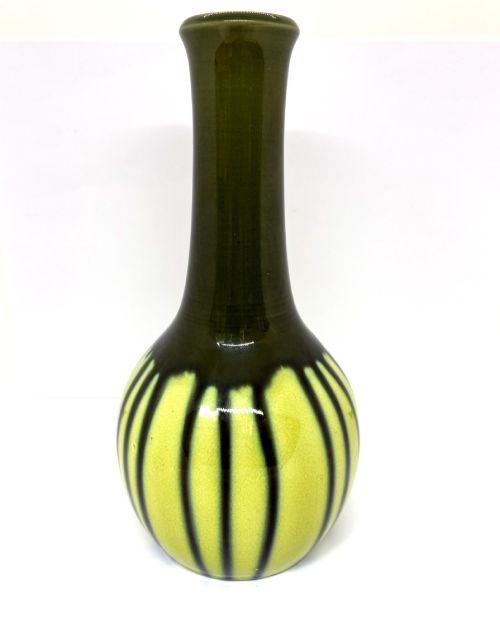
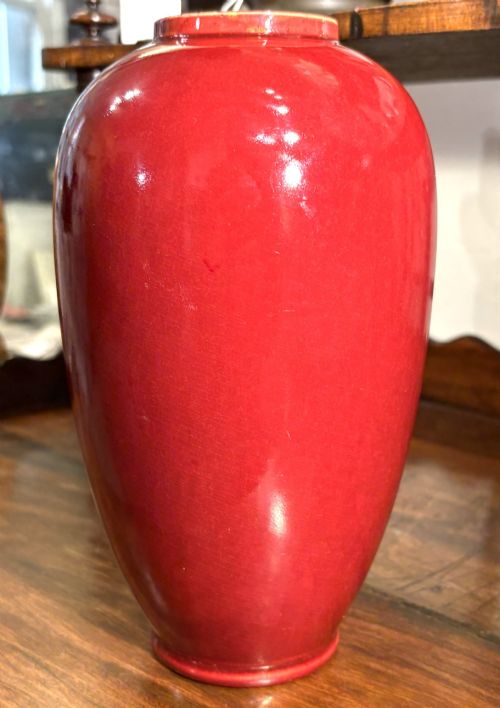
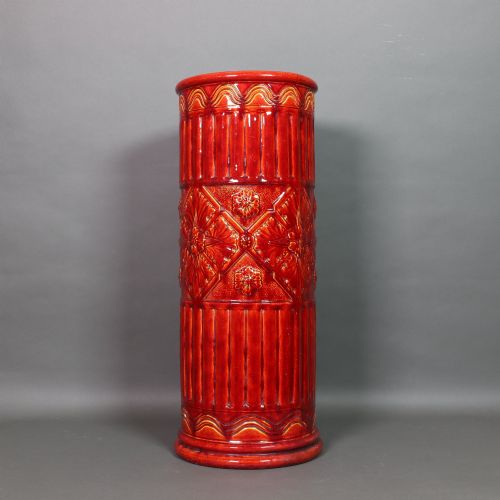
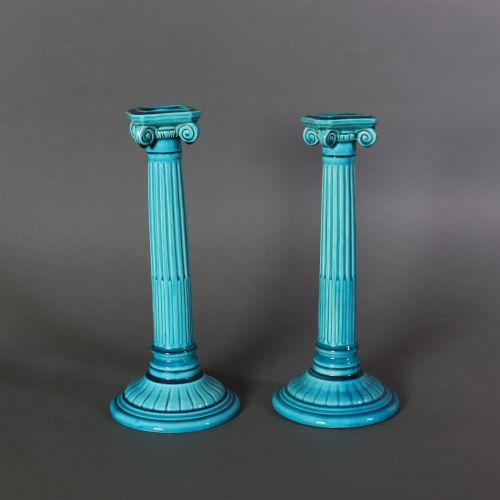
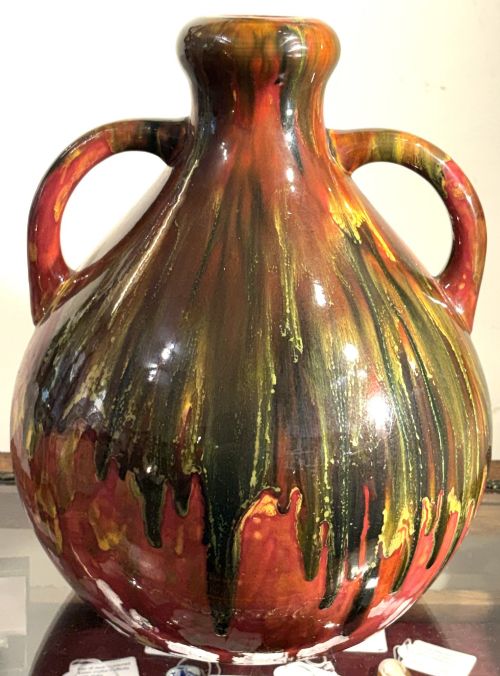
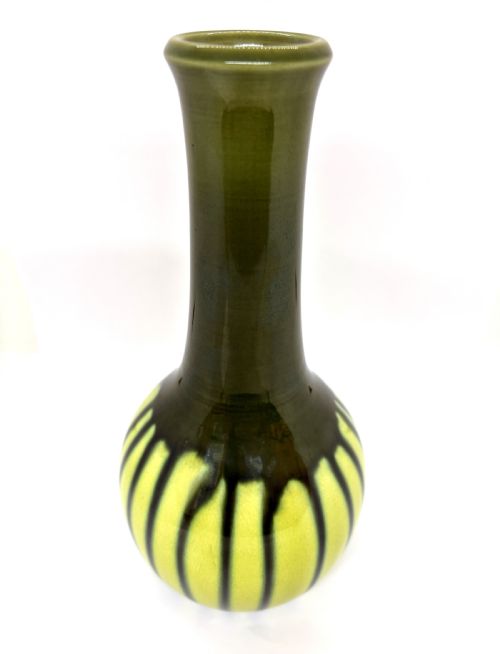
Burmantofts glazed pottery encompasses a distinctive range of decorative earthenware objects produced primarily during the late nineteenth century and the Edwardian period. The selection on this page centres on substantial display pieces, including vases, candlesticks, stick stands, and jardinieres with pedestals. These works emerged during a period of intense artistic creativity within British ceramics.
Buyers encountering this ware will find pieces rooted in the Arts and Crafts and Aesthetic Movement styles. The forms range from small mantel vases to tall floor-standing pedestals and lamp bases. Each item reflects the distinctive output of a major Yorkshire pottery working in the Victorian and Edwardian eras.
The objects demonstrate a strong connection to late nineteenth-century interior decoration, where ornamental ceramics played a central role in domestic display. Pieces frequently combine sculptural presence with vibrant surface treatments designed to catch the light. This tradition of artistic pottery remains highly sought after by collectors of British ceramics.
Materials and technique
These pieces are formed from earthenware clay and finished with complex ceramic glazes, often falling under the banner of faience or majolica. The potters shaped the bodies either by throwing on a wheel or by moulding complex forms such as twin-handled vessels and plant stands. Subsidiary elements like brass occasionally appear in functional adaptations such as lamps.
The application of glaze defines the visual character of the ware, ranging from uniform glossy finishes to mottled or sunburst surface effects. Faience techniques allowed for painterly decoration beneath or within the glaze layer, creating depth of colour across the ceramic body. This technical mastery over kiln conditions and chemical formulations produced the characteristic sheen and texture.
Burmantofts Glazed Pottery Retail Price Guide 2026
Typical asking prices for burmantofts glazed pottery among the pieces listed under this phrase on Sellingantiques today, from the lower quarter to the upper quarter. They describe what is for sale here now, not the wider market.
Listings feature earthenware and glazed ceramic bodies spanning from eighteen eighty through the Edwardian period, primarily reflecting Arts and Crafts and Aesthetic Movement styles.
Quality and execution
Quality in this pottery rests upon the ambition of the form and the success of the glaze application. Larger pieces, such as tall pedestals and twin-handled vases, demonstrate greater technical skill in firing without distortion. The depth and complexity of the glaze further distinguish standard production items from more ambitious decorative works.
The strength of the artistic style also dictates the standing of a piece, with strong Aesthetic Movement or Arts and Crafts designs showing superior sculptural integration. Crispness in moulded relief and the richness of the colour palette separate the finest examples from simpler output. Scale and presence within a room further elevate the stature of individual items.
The Burmantofts Glazed Pottery Glossary
- Earthenware
- Porous pottery fired at relatively low temperatures and rendered impermeable through the application of a vitreous glaze. This material formed the standard base body for the factory's decorative output.
- Faience
- Tin-glazed earthenware popular in the nineteenth century for artistic pottery and architectural tiles. The technique permitted rich surface decoration and vibrant colour effects.
- Majolica
- Pottery decorated with opaque coloured glazes on a buff earthenware body, noted for its bright palette and glossy finish. It was widely utilised for jardinieres and pedestals during the Victorian period.
- Aesthetic Movement
- A late nineteenth-century design current that emphasised visual beauty and artistic expression over narrative or moral content. Pottery in this style often featured stylised natural motifs and refined colour harmonies.
- Jardiniere
- An ornamental ceramic pot or bowl designed to hold live plants, frequently mounted on a matching pedestal stand. These substantial pieces formed centrepieces in Victorian and Edwardian interiors.
Burmantofts Glazed Pottery: Frequently Asked Questions
What is Burmantofts pottery?
Burmantofts pottery is a category of British art pottery produced in Yorkshire during the late nineteenth and early Edwardian centuries. The works encompass earthenware vases, stick stands, and glazed architectural ceramics.
The factory gained renown for its experimental glazes, faience decoration, and adherence to Arts and Crafts and Aesthetic Movement styles. These items served as fashionable ornaments in Victorian and Edwardian homes.
How do I date these pieces?
Dating relies primarily on stylistic evidence, historical context, and recorded production periods spanning the late nineteenth century to around nineteen hundred. Pieces often reflect the design movements of their time, such as Victorian aesthetic forms or later Edwardian majolica.
Changes in glaze types and object forms also help establish the approximate decade of manufacture. Most surviving examples date from the core production era around eighteen eighty to eighteen ninety.
Where were these items used?
These decorative ceramics were designed for prominent placement within domestic interiors, including reception rooms, hallways, and parlours. Large vessels and jardinieres with pedestals served as architectural focal points in entranceways.
Smaller vases and candlesticks ornamented mantelpieces and occasional tables. Their bold glazes were intended to catch natural light in urban Victorian homes.
How should I display them?
Displaying these glazed ceramics benefits from placing them where light can interact with the glossy surface and rich colour variations. Floor-standing pieces like pedestals and stick stands require adequate surrounding space to showcase their scale.
Vases and smaller vessels work well on stable surfaces away from heavy traffic areas to protect the earthenware body. Pairing items with complementary period interiors enhances their aesthetic impact.