



Buddhist Sculpture Art
Buddhist sculpture art gathers centuries of devotion across Asia, offering tangible pieces of spiritual history that ground modern interiors with quiet presence.
Buddhist Sculpture Art
When you examine buddhist sculpture art, you encounter figures carved, cast, or modelled across multiple centuries and diverse traditions. These pieces range from monumental guardian figures to domestic porcelain figurines, reflecting the vast geography of Asian spiritual practice.
The selections available here span numerous origins, including Chinese dynasties, Tibetan monastic traditions, Japanese Meiji and Taisho periods, and Southeast Asian kingdoms. Wooden carvings, cast bronzes, and glazed porcelains recur across these varied regional workshops.
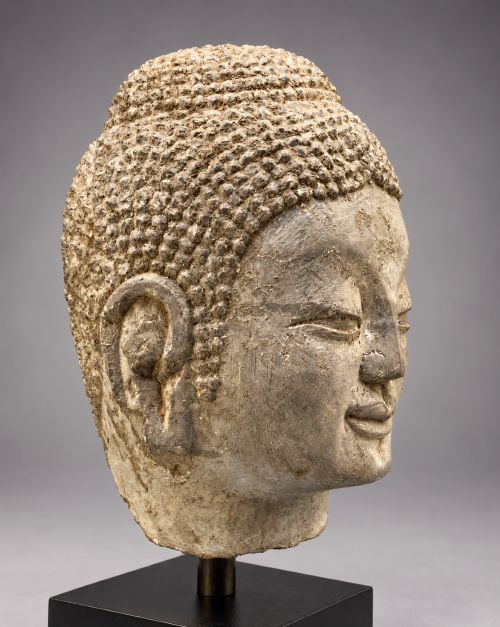
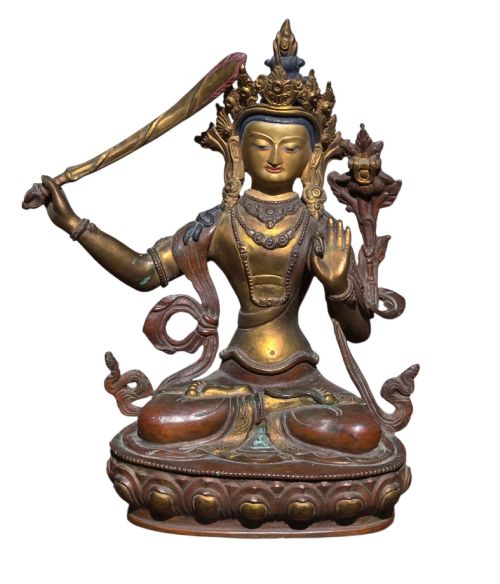
Statues of Buddhas, bodhisattvas such as Manjushri and Kannon, and immortal figures dominate the forms. Buyers frequently meet works like the limestone Buddha head or the gilt-bronze deity, each representing distinct regional iconography and stylistic periods.
Materials and construction methods
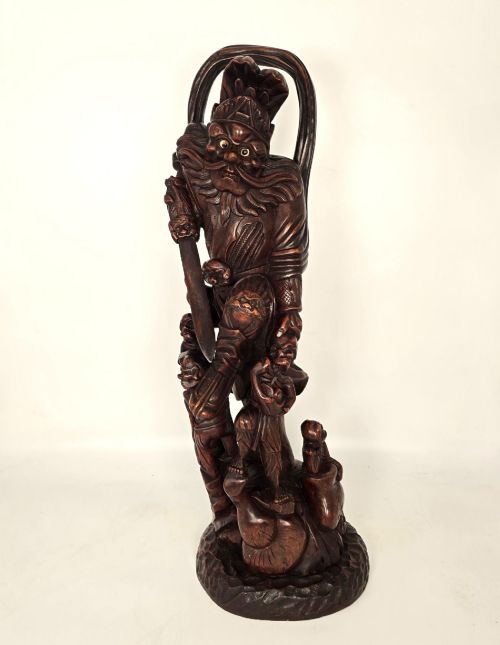
Craftsmen utilised durable hardwoods, white marble, and limestone for substantial carved figures, often finishing the surfaces with polychrome paint, gold leaf, or gilding. Wood carving traditions relied on precise chisel work to render flowing robes and serene facial expressions.
Metal sculptures demonstrate sophisticated casting techniques, primarily utilising bronze and copper alloy. Many of these cast figures received layers of gold leaf or gilt treatment to signify sacred status and permanence.
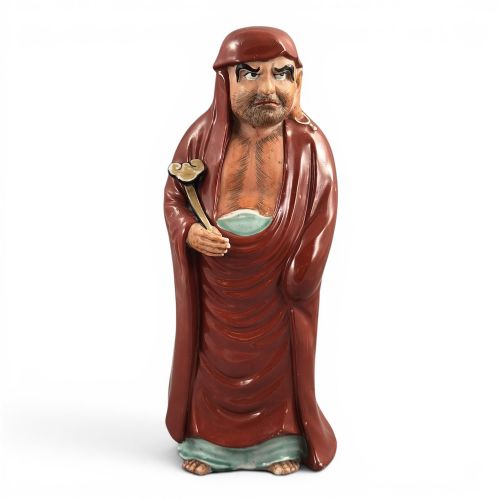
Ceramic pieces, notably from Japanese Kutani and Satsuma traditions, employ moulded porcelain painted with intricate enamels and subtle glazes. These ceramic figures combine sculptural form with detailed surface decoration.
Buddhist Sculpture Art Retail Price Guide 2026
Typical asking prices for buddhist sculpture art among the pieces listed under this phrase on Sellingantiques today, from the lower quarter to the upper quarter. They describe what is for sale here now, not the wider market.
Several grumpy-looking Daruma monks stare back from porcelain shelves, reminding viewers that enlightenment requires serious persistence.
Evaluating craftsmanship and distinction
The distinction between ordinary and exceptional pieces lies in the precision of the carving or casting and the sensitivity of the facial expression. Superior works display confident proportions and fluid drapery that transcend mechanical reproduction.
Surface finish significantly elevates a piece, whether through the subtle application of original gold leaf, the preservation of ancient polychrome pigments, or the refined control of enamel on porcelain. Age-related weathering interacts differently with genuine patination compared to uniform artificial ageing.
The Buddhist Sculpture Art Glossary
- Bodhisattva
- An enlightened being destined for Buddhahood who compassionate delays Nirvana to assist others. These figures appear frequently in sculpture wearing ornate jewellery and princely garments.
- Mudra
- A symbolic hand gesture in Buddhist art that conveys specific teachings or states of mind. Common examples include the earth-touching gesture known as Bhumisparsha.
- Gilt Bronze
- Metal sculpture coated with a thin layer of gold or gold amalgam. This technique imparts a radiant finish that symbolises spiritual purity.
- Polychrome
- Decorated in multiple colours. In sculpture, this refers to surfaces finished with various applied paints or pigments over wood, stone, or plaster.
Buddhist Sculpture Art: Frequently Asked Questions
What is buddhist sculpture art?
It encompasses three-dimensional representations of Buddhas, bodhisattvas, guardians, and monks created across Asian cultures. These works served devotional, monastic, or domestic ritual functions.
Materials range from cast bronze and carved hardwood to porcelain and stone, reflecting the diverse artistic traditions of China, Tibet, Japan, and Southeast Asia.
How were these statues used?
Many figures held central positions in temples, shrines, or household altars to aid meditation and veneration. Others served as protective guardians or commemorative monastic pieces.
Their physical presence anchored sacred spaces and reminded practitioners of spiritual teachings through specific mudras and iconography.
How do I date an antique statue?
Dating relies on stylistic markers specific to periods like the Ming Dynasty, Meiji era, or regional temple styles. Tool marks, material composition, and natural wear patterns also provide key evidence.
Comparing casting techniques and decorative conventions helps place an object within its historical epoch.
How do I display these pieces?
These sculptures require stable surfaces away from direct sunlight and extreme humidity fluctuations to protect delicate wood, gilding, or polychrome paint. Proper lighting enhances the contours of carved stone or cast bronze.
Allowing sufficient space around larger statues lets their sculptural form and quiet presence integrate naturally into a room.