

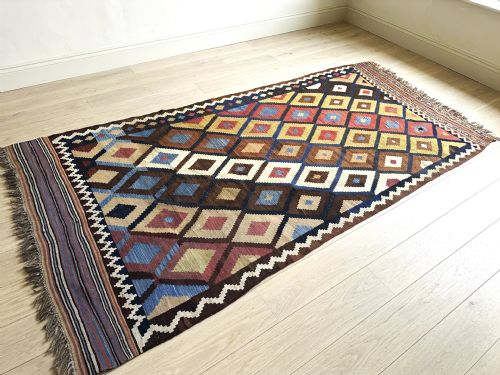
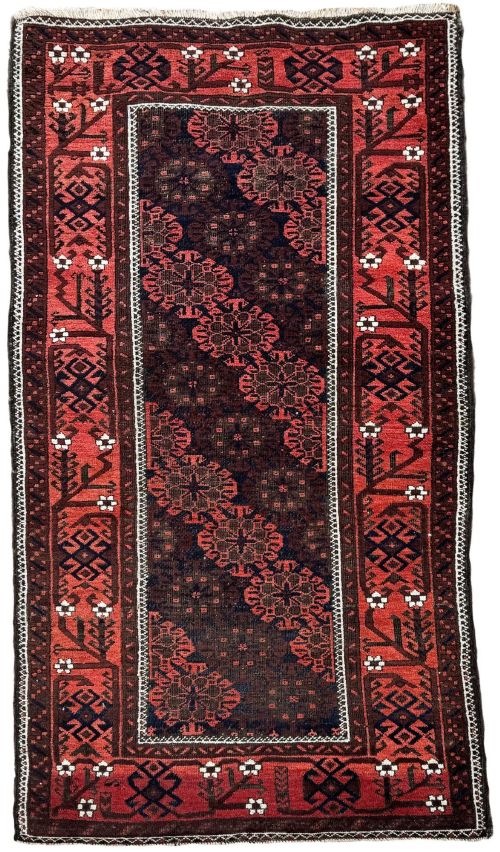
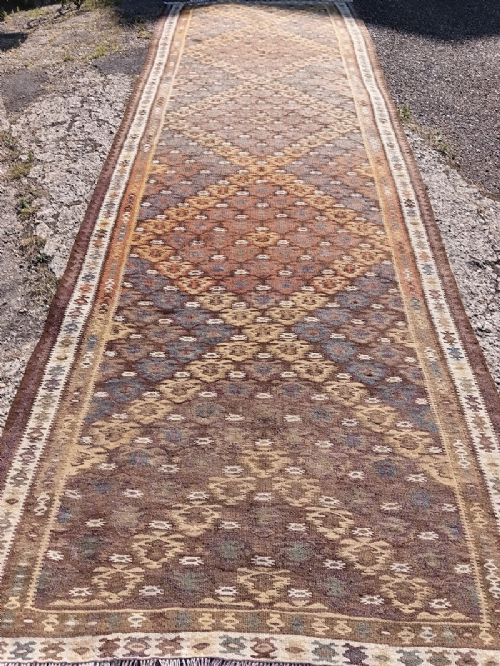
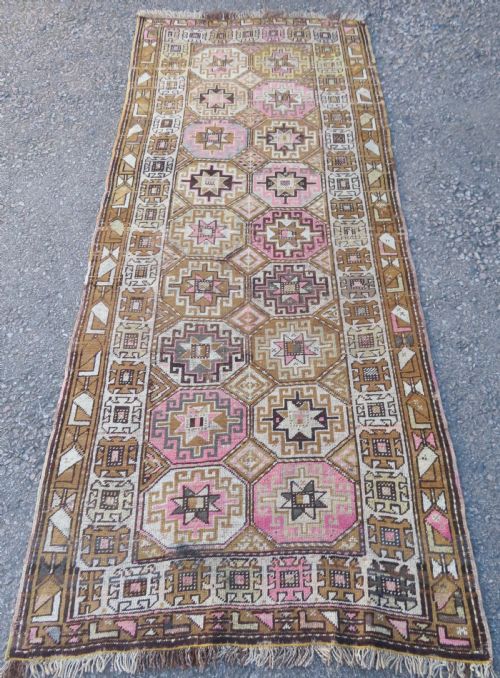


Brown Wool Tribal Carpet
A brown wool tribal carpet brings practical warmth and geometric design into a room, offering tactile connection to nomadic heritage.
Brown Wool Tribal Carpet
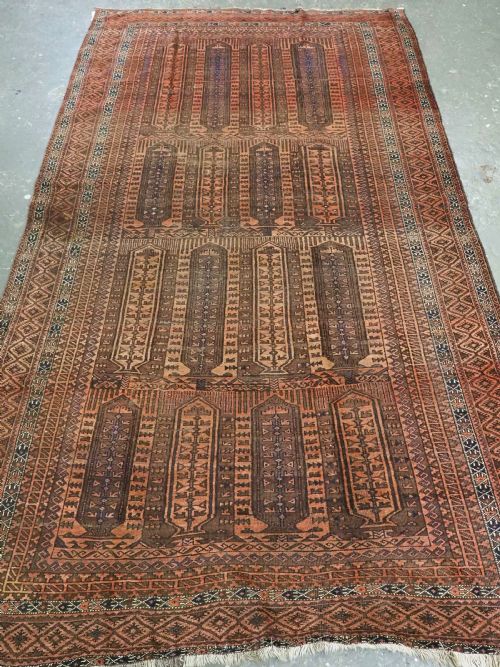
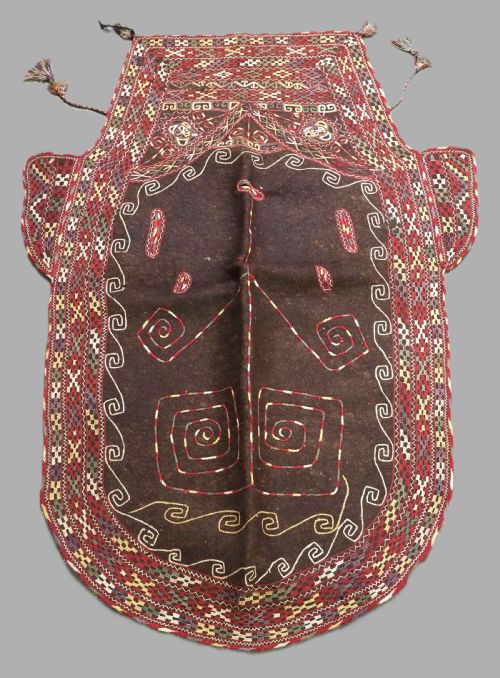
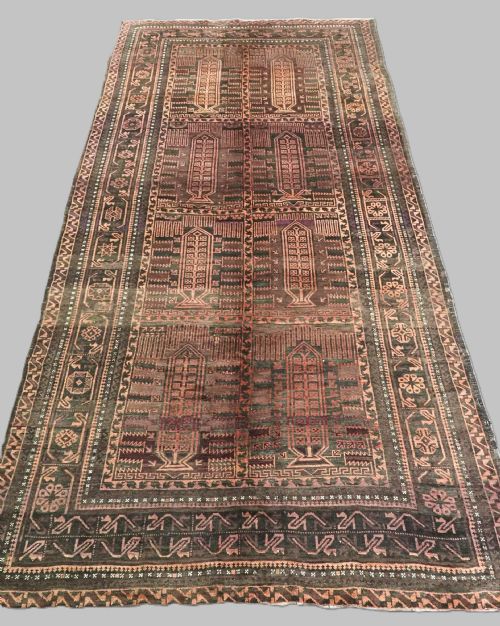
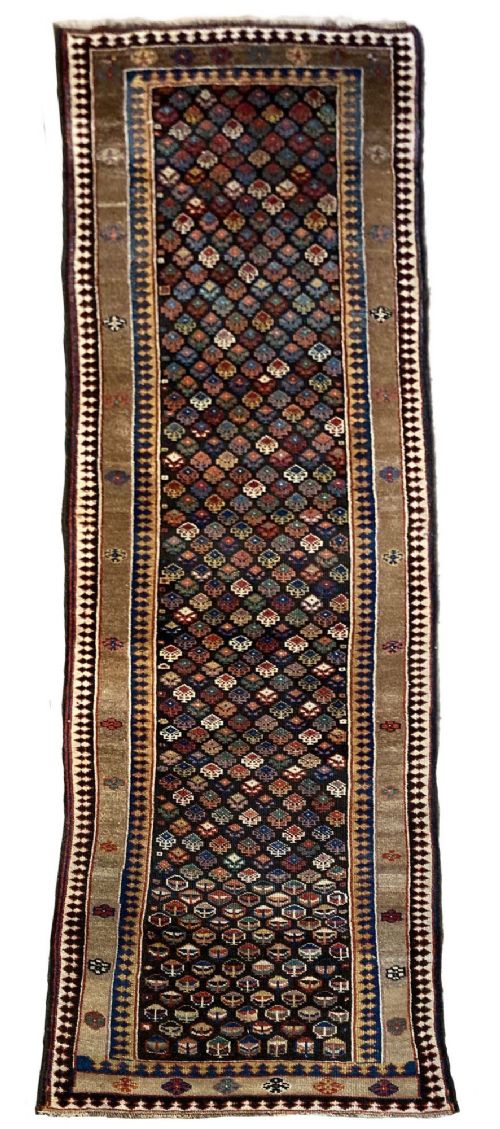
When you search for a brown wool tribal carpet, you encounter handwoven textiles originating from nomadic and village communities across Central Asia, Persia, and the Caucasus. These pieces encompass functional floor coverings, prayer rugs, runners, and animal trappings made for daily use within tribal households.
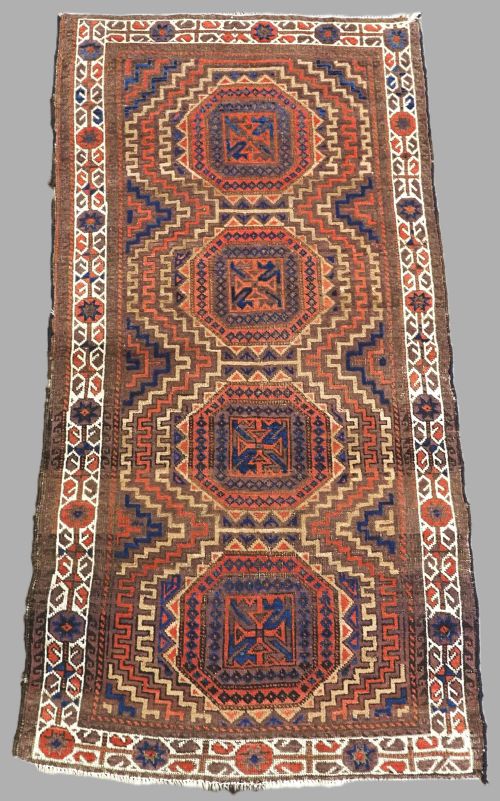
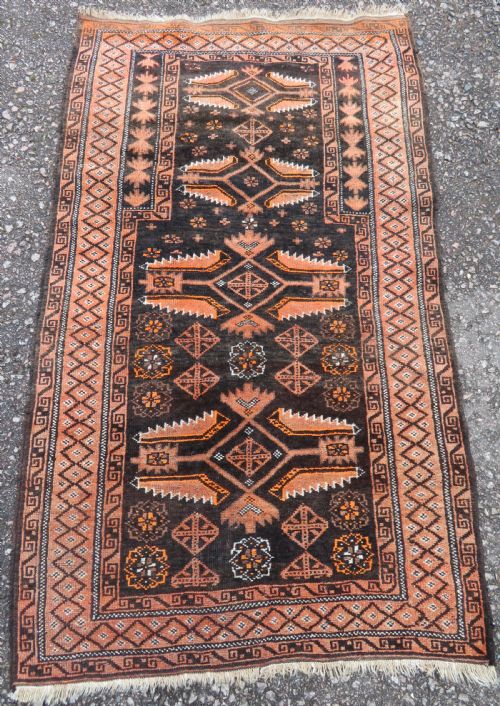
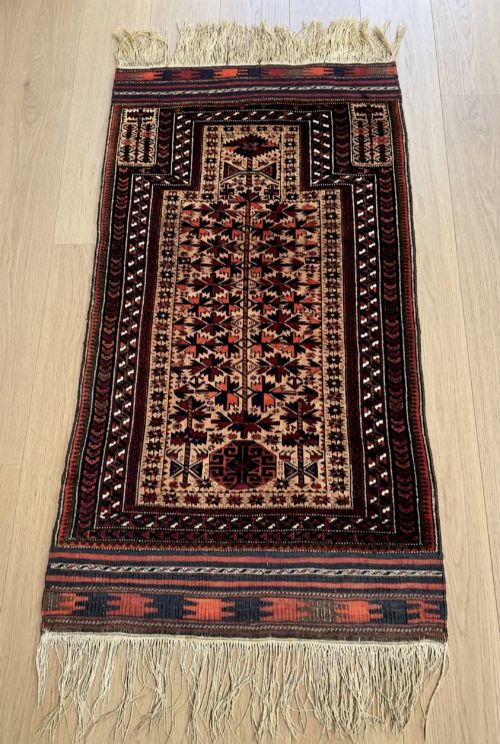
The selections available here reflect traditions from the nineteenth and early twentieth centuries, spanning periods from the 1870s through the 1930s. You will frequently find Baluch, Turkmen, Kurdish, and Afghan examples displaying distinctive regional motifs such as guls, prayer mihrabs, and geometric borders.
How they were made
Weaving relies predominantly on wool for piles and foundations, supplemented by cotton, goat hair, and hand-spun wool threads. Artisans utilise natural dyes to achieve earthy palettes, while certain pieces incorporate silk thread highlights or felted wool elements.
Construction techniques vary from knotted pile carpets to flatwoven kilims and mixed-technique constructions. Some specialised forms, such as yurt rugs or horse blankets, involve joining multiple narrow woven strips or adding embroidered details.
Brown Wool Tribal Carpet Retail Price Guide 2026
Typical asking prices for brown wool tribal carpet among the pieces listed under this phrase on Sellingantiques today, from the lower quarter to the upper quarter. They describe what is for sale here now, not the wider market.
The listings span weaving traditions from Afghan, Turkmen, Baluch, Kurdish, and Caucasian origins, utilising wool, natural dyes, and cotton.
What varies in quality
Quality in these textiles depends on the density of the weave, the handling of the wool, and the depth of the natural dyes. Finely spun materials and tightly packed knots create resilience and clarity of pattern that elevate certain examples above standard utility pieces.
Design execution and regional authenticity also distinguish the range. Pieces exhibiting precise tribal iconography, balanced proportions, and well-preserved structural integrity command greater appreciation among collectors.
The Brown Wool Tribal Carpet Glossary
- Gul
- A repeating medallion motif often associated with Turkmen and Baluch weaving traditions. These octagonal or gabled forms frequently serve as the primary structural element of the field.
- Mihrab
- An arch-shaped design element derived from Islamic architecture, commonly found on prayer rugs to indicate the direction of prayer. It provides a focal point for the weaver's geometric composition.
- Kilim
- A flatwoven textile produced by tightly interweaving warp and weft strands without creating a pile. These pieces are lightweight and historically served as floor coverings, wall hangings, or storage sacks.
- Torba
- A small utilitarian bag face or storage sack created by nomadic tribes for household organisation inside a tent or yurt. They display intricate face designs typical of the weaving group that produced them.
- Mafrash
- A rectangular storage chest panel or container side woven in flatweave or pile techniques. These panels are frequently repurposed into smaller decorative rugs or mats.
Brown Wool Tribal Carpet: Frequently Asked Questions
What is a tribal carpet?
A tribal carpet is a handwoven textile produced by nomadic or village weavers rather than urban workshops. These pieces utilise traditional motifs passed down through generations.
They reflect the specific cultural identity and regional materials of the group that created them, often featuring geometric patterns and durable wool construction.
How were prayer rugs used?
Prayer rugs served a specific devotional purpose within daily life, providing a clean and portable space for ritual prayers. The mihrab design typically pointed toward Mecca during use.
Beyond religious practice, these textiles were kept carefully and sometimes passed down as family possessions due to their fine workmanship.
How do I care for antique wool?
Antique wool textiles require gentle maintenance, starting with regular light vacuuming without a beating brush to remove dust. Keeping the carpet out of direct sunlight preserves the natural dyes.
Professional cleaning tailored to antique vegetable-dyed wool ensures the fibres remain supple without causing shrinkage or dye migration.
Can I place these on floors?
These textiles were originally constructed for heavy daily use on tent or house floors, making them durable enough for modern foot traffic. Utilising a quality underlay prevents slipping and cushions the fibres against wear.
Placing them in moderate traffic areas allows you to enjoy their texture and historical utility safely.