




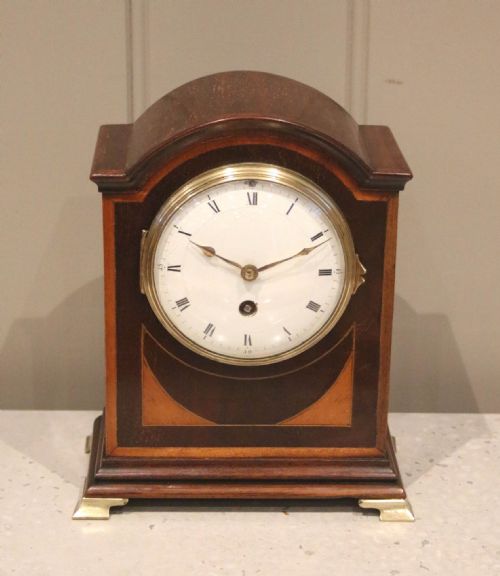


Brown Wooden Timekeeper
These brown wooden timekeepers combine mechanical precision with domestic warmth, offering a reliable focal point for any room.
Brown Wooden Timekeeper
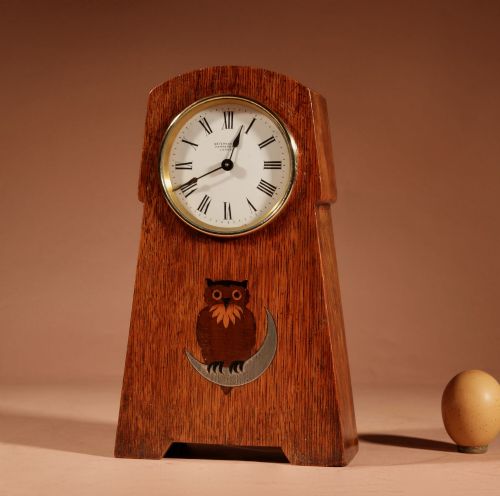
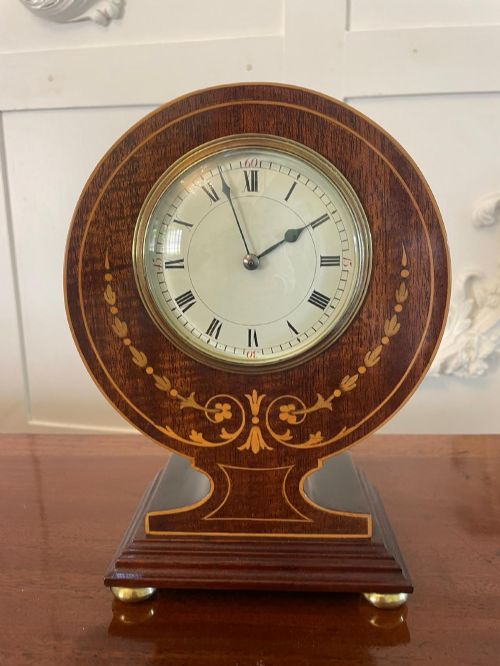
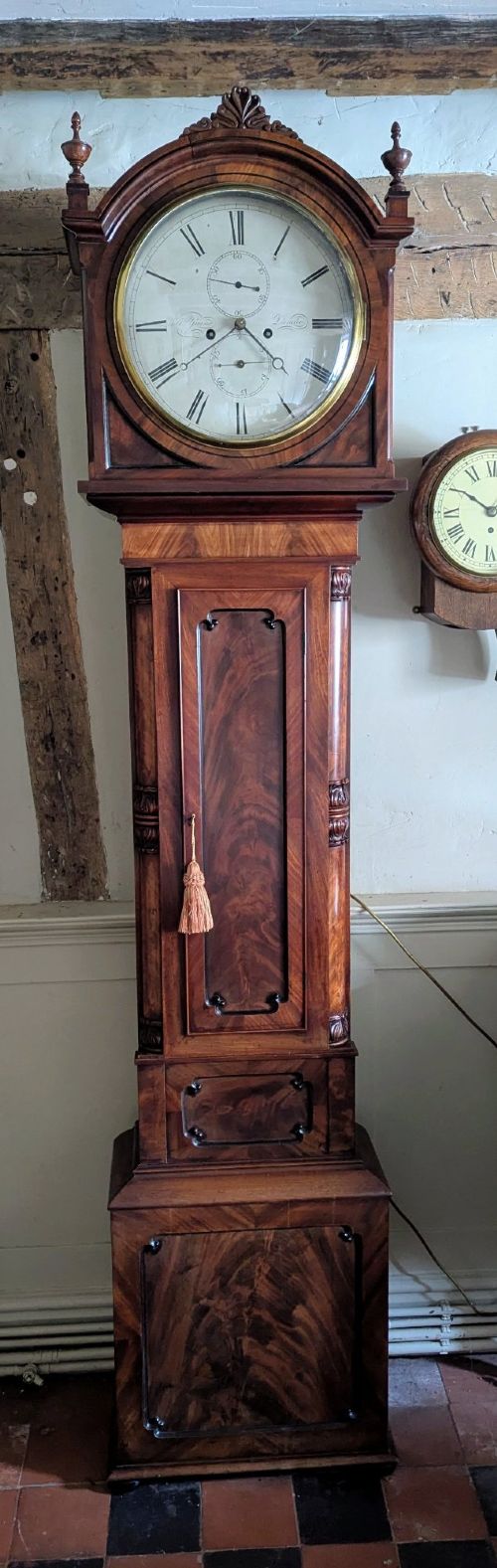
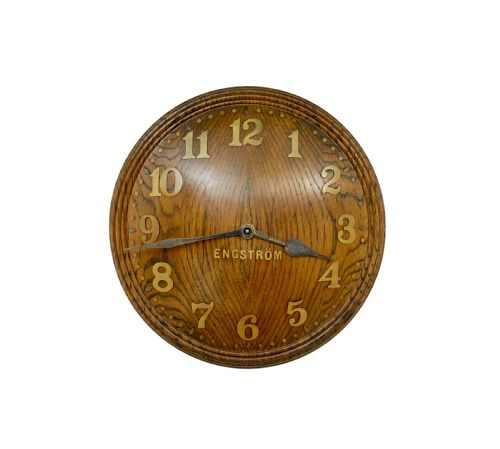
A brown wooden timekeeper encompasses everything from compact Edwardian mantel clocks to tall domestic regulators and wall-mounted dials. These pieces span the Victorian, Edwardian, and Art Deco periods, utilising timber cases to house intricate mechanical movements.
Mahogany and oak dominate the selections found on this page, often enhanced with brass bezels or satinwood inlay. Buyers frequently encounter mantel clocks and wall clocks suited for domestic spaces, alongside larger longcase clocks.
Origins range across English workshops and international manufacturers, reflecting varied domestic and industrial uses over the nineteenth and twentieth centuries. Each specimen records the horological preferences of its specific decade, from Victorian architectural forms to streamlined Art Deco designs.
Materials and construction
Cabinetmakers constructed the cases using solid and veneered timbers such as mahogany, oak, walnut, and elm. These wooden housings were frequently embellished with satinwood inlay or brass details to frame the enamel dials.
Movements rely on traditional brass mechanisms, including fusee and spring-driven configurations designed to maintain consistent tension. Heavy glass bezels protect the faces, while weighted pendulums or electric components drive the timekeeping.
Brown Wooden Timekeeper Retail Price Guide 2026
Typical asking prices for brown wooden timekeeper among the pieces listed under this phrase on Sellingantiques today, from the lower quarter to the upper quarter. They describe what is for sale here now, not the wider market.
Some clocks feature electric mechanisms from the early twentieth century, proving that even traditional wooden boxes wanted to plug in.
Markers of distinction
Quality rests in the precision of the cabinetwork and the reputation of the maker inscribed on the dial or movement. Finely executed satinwood stringing and balanced proportions separate standard production items from distinguished workshop commissions.
The sophistication of the internal movement dictates functional excellence, with fusee movements and signed plates indicating higher standards of horology. Intricate dial painting and well-preserved timber patination complete the distinction between ordinary and superior examples.
W. Burton·Piggin Norwich·Dent of London·Zenith
The Brown Wooden Timekeeper Glossary
- Fusee
- A conical pulley used in clock movements to equalise the declining power of the mainspring as it unwinds. This mechanism ensures consistent force is delivered to the gear train.
- Mantel clock
- A portable clock designed to sit upon the shelf or mantelpiece above a fireplace. These domestic timepieces became widespread during the Victorian and Edwardian eras.
- Regulator
- A precision pendulum clock used as a standard for setting other timepieces. They typically feature long cases and clear dials for accurate reading.
- Inlay
- A decorative technique where contrasting woods or metals are inserted into depressions carved into the primary wooden surface. Satinwood and brass are frequent choices for this ornament.
- Enamel dial
- A face made by fusing powdered glass onto a metal substrate under high heat. This creates a durable, glossy surface resistant to discolouration.
Brown Wooden Timekeeper: Frequently Asked Questions
How do I wind a mechanical clock?
Most spring-driven timekeepers require a key inserted into the winding holes on the dial face to tension the internal mainspring. Care must be taken not to over-wind the mechanism.
Weight-driven clocks involve pulling chains or cords to raise the hanging weights back towards the top of the case. Regular, gentle handling preserves the internal gears.
Where should I place a wall clock?
Wall clocks require a secure mounting point on a stable partition to prevent vibrations from disrupting the pendulum swing. Solid interior walls provide the necessary support for heavier timber cases.
Placement should also avoid areas subject to dampness or direct sunlight, which can warp the wooden veneer and damage delicate dial finishes over time.
How do I identify the period of a clock?
Cabinet style and decorative motifs offer the clearest indication of a clock's manufacturing era. Victorian examples often feature heavy architectural mahogany, while Art Deco pieces display geometric oak or walnut forms.
Signatures on the dial or movement plates can further narrow down the date, especially when matched with known working periods of specific makers.
What is an eight-day movement?
An eight-day movement is a mechanical system designed to run for slightly more than one week on a single winding. This reduced the frequency required for maintenance by the household.
These movements typically require two winding holes on the dial face, separating the timekeeping train from the striking train.