

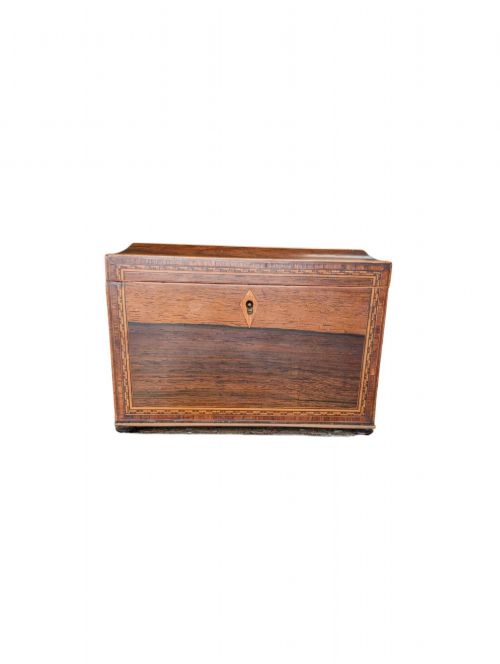
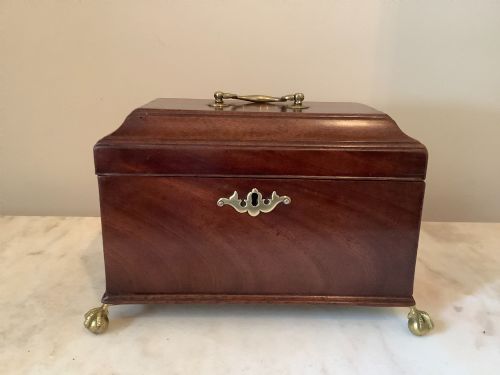
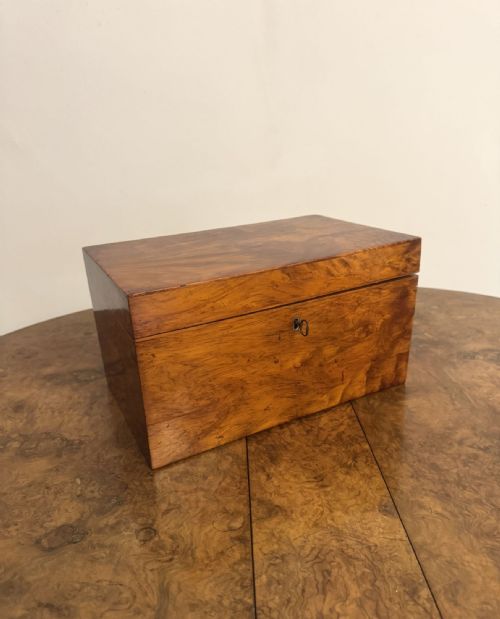
Brown Wooden Tea Box
A brown wooden tea box brings tactile history to your surface, offering a handsome vessel to store dry leaves or small treasures.
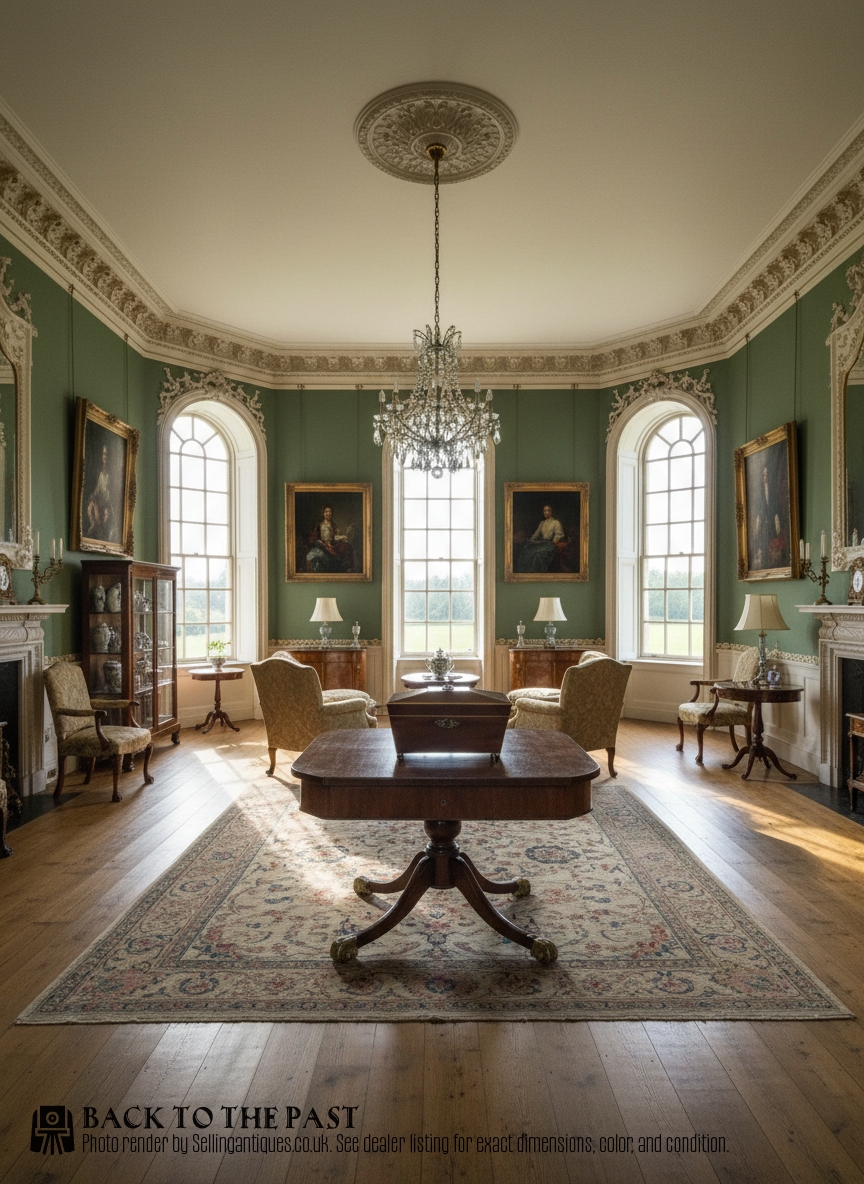
Brown Wooden Tea Box
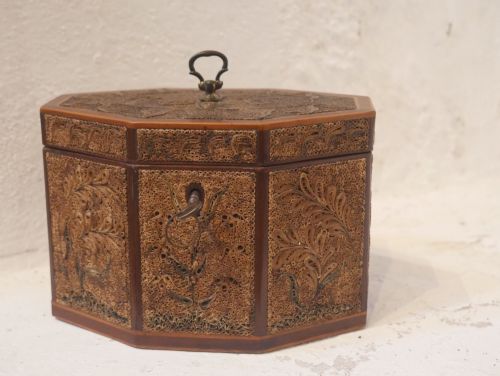
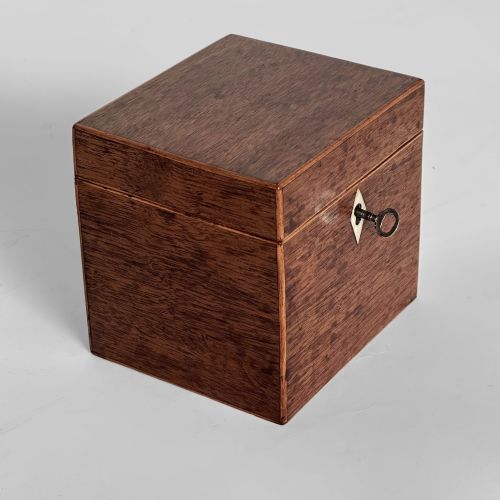
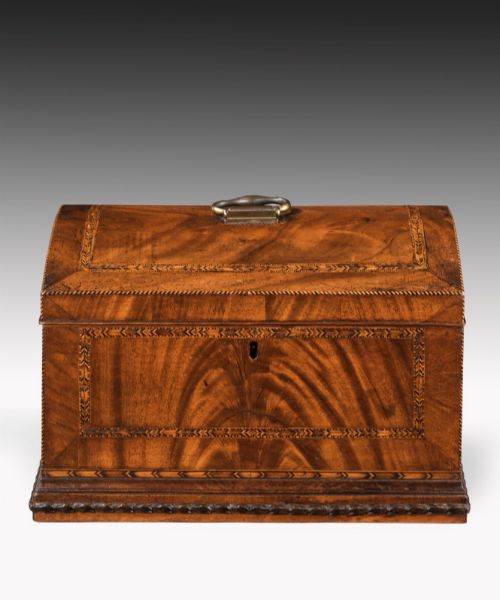
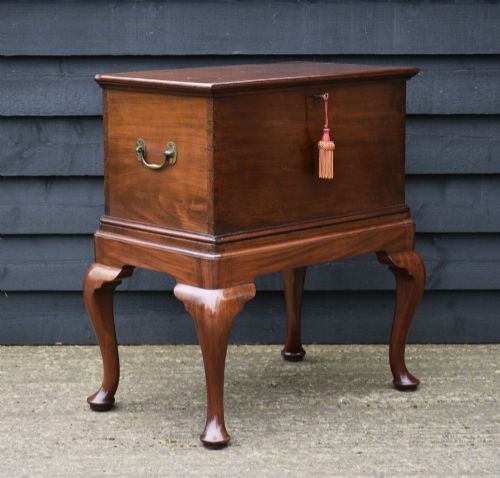
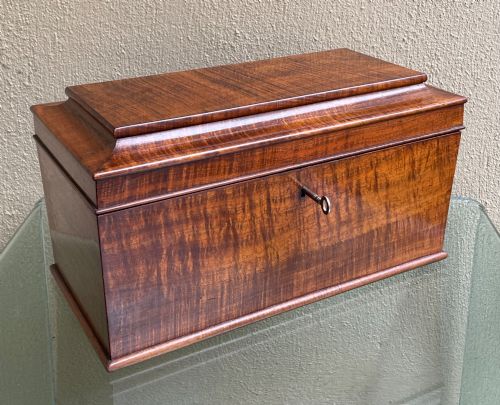
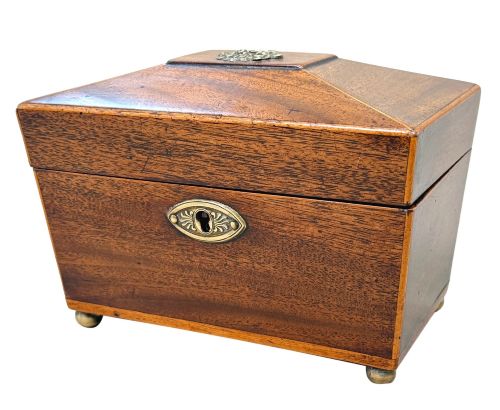
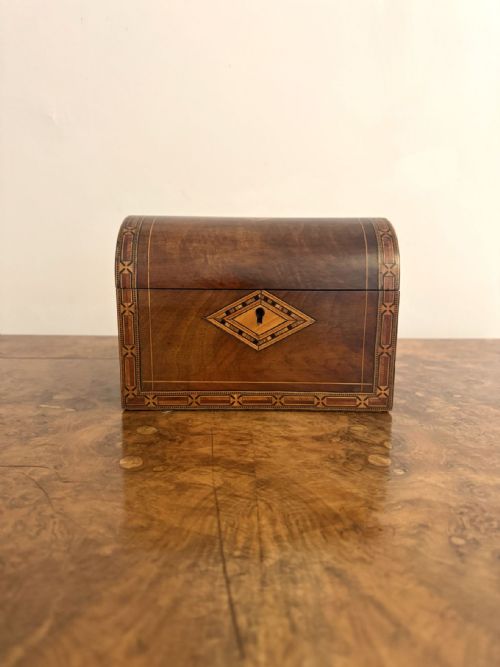
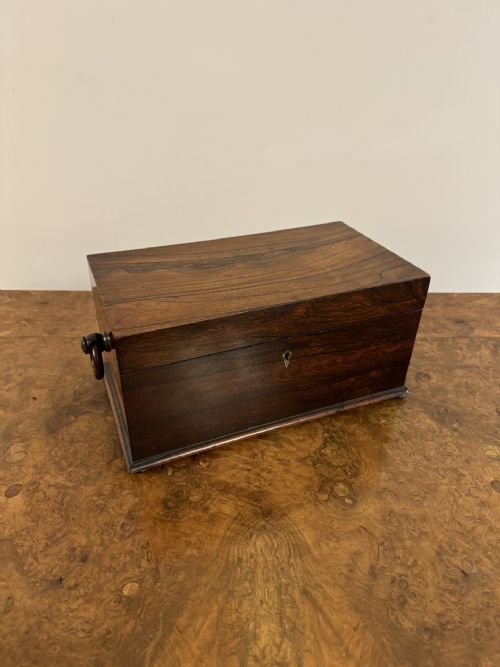
A brown wooden tea box, commonly catalogued as a tea caddy, serves as a secure domestic container once used to protect valuable dried leaves from dampness and theft. These pieces span Georgian, Regency, and Victorian periods, reflecting the shifting tastes of households that treated tea as a prized commodity. You will frequently encounter rectangular, sarcophagus, and hexagonal forms fashioned in rich timbers.
The objects listed here range from compact George III examples to elaborate nineteenth-century iterations featuring fitted interiors and secret compartments. Many incorporate internal divisions or glass mixing bowls designed for blending leaf varieties at the table. Their robust construction allows them to endure as decorative storage on modern sideboards.
Materials and construction
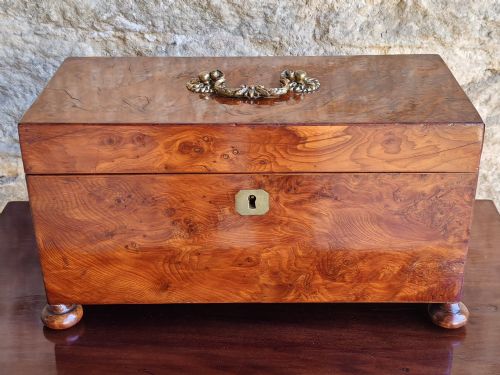
Cabinetmakers utilised dense timbers such as mahogany, walnut, yew, and rosewood, often selecting figured veneers to create striking surface patterns. These woods were joined with precise corner construction and finished with polished wax to highlight the natural grain.
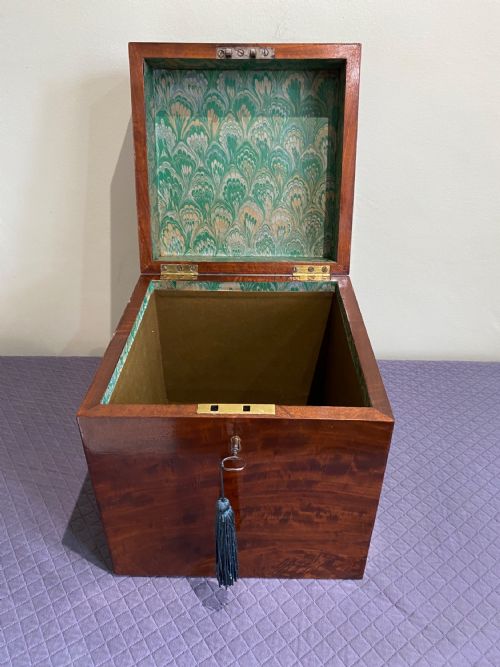
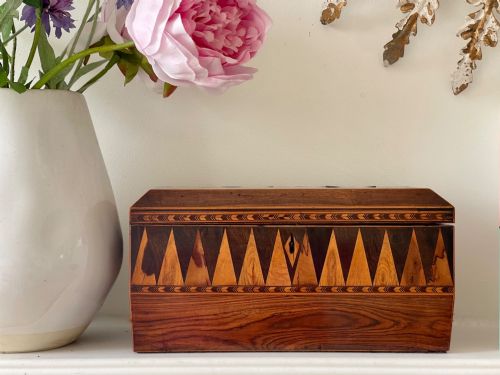
Decorative elements frequently include contrasting wood inlay, boxwood stringing, brass hardware, and intricate Tunbridge mosaic work. Internal compartments often retain remnants of foil lining or paper linings intended to preserve the aroma of the contents.
Listings feature Georgian, Regency, and Victorian periods utilising mahogany, walnut, yew, and rosewood timbers.
Distinctions in craftsmanship
Quality rests upon the selection of timber veneers and the precision of the joinery rather than the sheer size of the object. Superior examples display continuous grain matching across the lid and sides, alongside finely executed decorative inlays such as butterfly motifs or star patterns.
The interior fitment dictates the sophistication of the piece, with multi-compartment boxes, working locks with original keys, and intact mixing bowls representing higher tiers of production. Subtle details like shaped mouldings and carved feet elevate certain boxes beyond standard utilitarian containers.
Henry Hollamby
The Brown Wooden Tea Box Glossary
- Tea caddy
- A small box or chest designed to hold tea leaves securely under lock and key. The term derives from catty, a traditional unit of weight used in the tea trade.
- Sarcophagus form
- A box shape featuring a domed or stepped lid resting on a tapered plinth base, popular during the Regency period. This architectural profile lent a monumental appearance to small tabletop objects.
- Tunbridge ware
- A specialised form of woodworking involving mosaic tiles assembled from numerous tiny pieces of naturally coloured wood to form pictorial or geometric motifs. It originated in Kent and adorns many nineteenth-century surfaces.
- Stringing
- Thin inlay lines of contrasting wood used to outline geometric panels on the exterior of a box. This decorative technique highlights the contours of the primary timber.
- Navette
- A pointed, boat-shaped outline utilised for the plan view of specific Georgian boxes. This symmetrical curved profile required high skill from the cabinetmaker.
Brown Wooden Tea Box: Frequently Asked Questions
What is inside a tea box?
These boxes typically contain fitted wooden compartments, sometimes with matching caddy spoons or glass mixing bowls used for preparing infusions.
Many retain traces of foil lining designed to keep loose leaves fresh.
How were tea boxes used?
Tea was an expensive luxury in the eighteenth and nineteenth centuries, kept locked away by the head of the household.
Servants brought the box to the parlour, where the host measured out the leaves for each sitting.
How do I date a wooden box?
Dating relies on stylistic markers, such as the curved sarcophagus shapes of the Regency era or the intricate mosaic patterns of Victorian Tunbridge ware.
Timber choices also offer clues, with mahogany dominating earlier decades and rosewood or walnut rising later.
Where should I place a tea box?
They suit sideboards, desks, or coffee tables where their polished wood grain and inlaid surfaces remain visible.
Their sturdy timber construction allows them to function practically for storing small modern items.