

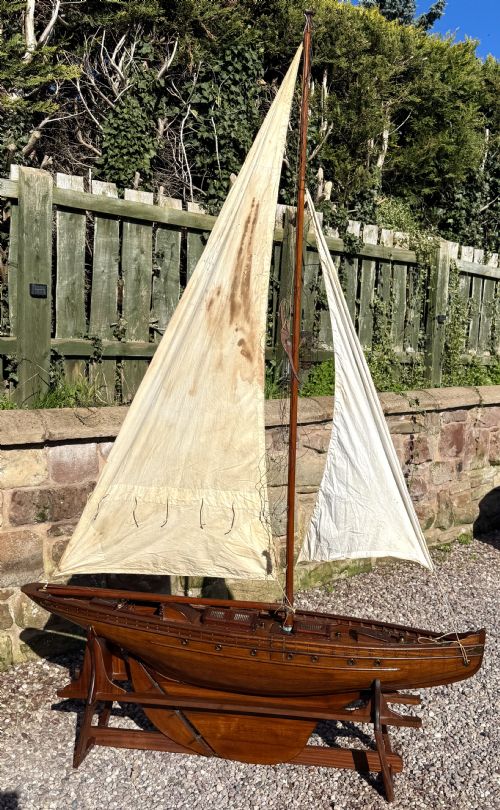
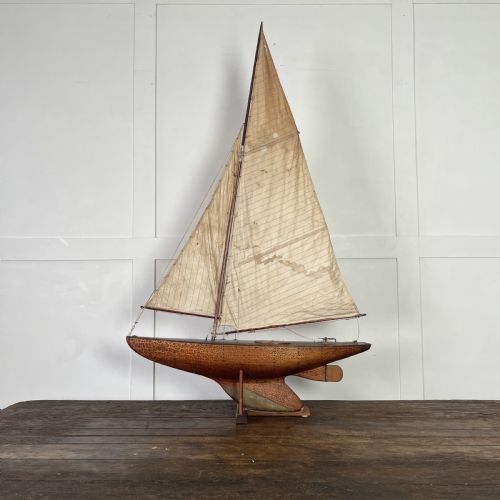


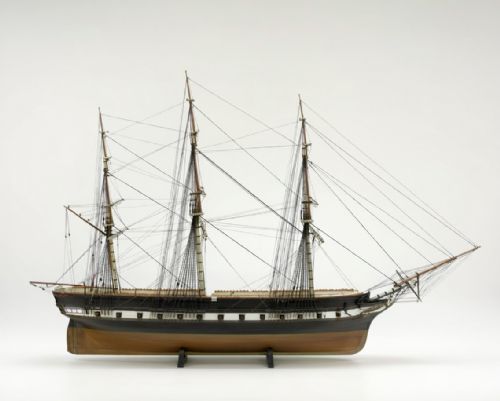

Brown Wooden Model Boat
These brown wooden model boat pieces bring maritime history indoors, offering tactile links to past craftsmanship that collectors prize for display.
Brown Wooden Model Boat
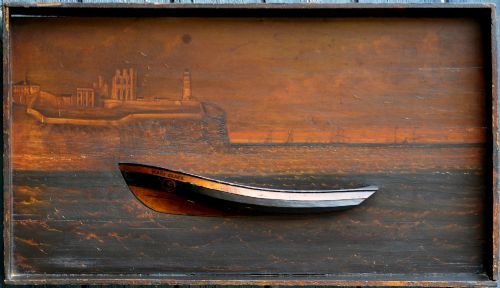
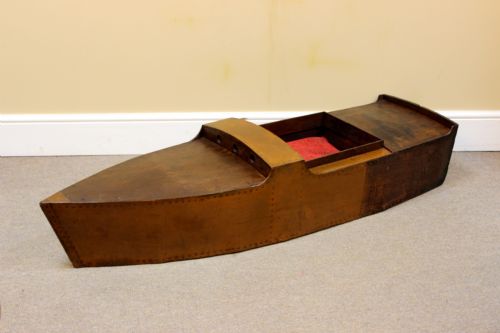
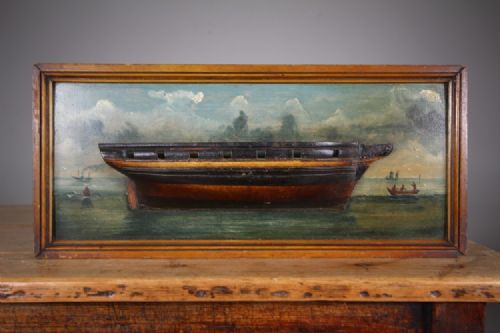
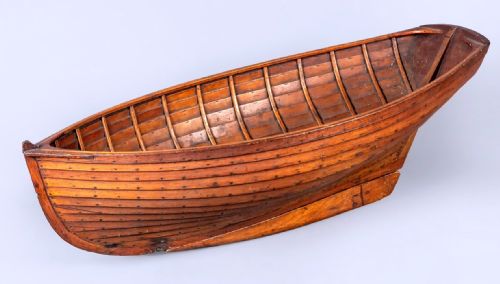
When you search for a brown wooden model boat, you enter a diverse field of maritime items spanning the nineteenth century through the early twentieth century. The selection ranges from large pond yachts and scratch-built vessels to cased scale models and intricate dioramas.
Most examples you encounter on this page date from the Victorian and Edwardian eras, alongside pieces from the nineteen-twenties and nineteen-thirties. Forms vary widely from hull cradles and gondola models to fully rigged ships on stands.
Folk art traditions heavily influence these creations, resulting in pieces that capture vernacular marine aesthetics. Whether housed within glass bottles or built at massive scale with wooden plinths, each object reflects distinct period shipbuilding practices.
How they were made
Maker construction relies fundamentally on timber and wood, often enhanced with metal, brass, thread, and canvas fittings. Artisans shaped hulls by hand, carving wood and timber to mimic actual naval architecture.
Detailing involves specialised elements such as threaded rigging, painted surfaces, and glass enclosures. Scratch-built examples and training models demonstrate meticulous attention to scale using traditional workshop methods.
Current listings incorporate wood, metal, brass, thread, canvas, glass, and paint across the nineteenth and twentieth centuries.
What varies in quality
Quality rests primarily in the precision of the scale work and the complexity of the rigging. Finer examples display careful proportioning in their wooden hulls and intricate detailing in auxiliary components like brass fittings.
The degree of original preservation and the ambition of the form distinguish standard items from exceptional ones. Elaborate cased dioramas or large-scale pond yachts demonstrate greater artisanal commitment than simpler decorative models.
The Brown Wooden Model Boat Glossary
- Diorama
- A three-dimensional scene, often depicting a ship at sea enclosed within a case or bottle. These displays protect delicate rigging from dust and damage.
- Pond yacht
- A sailing model designed to be launched and sailed on a pond or lake. These vessels typically feature functional rudders and substantial wooden hulls.
- Scratch built
- A model constructed entirely from raw materials rather than from a commercial kit. Such pieces highlight the individual builder's ingenuity and skill.
- Training model
- A scale representation utilised for instructional purposes in naval architecture or navigation. These objects adhere strictly to the proportions of actual vessels.
- Folk art
- Artistic work created within a traditional culture by self-taught makers. In maritime contexts, this style values direct expression over rigid naval blueprint accuracy.
Brown Wooden Model Boat: Frequently Asked Questions
How were antique pond yachts used?
Owners sailed these wooden vessels on park ponds and lakes during the Victorian and Edwardian eras. Enthusiasts adjusted the rigging and rudders so the boats could cross open water unassisted.
Over time, many transitioned from active watercraft to decorative interior display items. Their grand scale and historic character made them popular focal points for homes and offices.
What is a ship diorama in a bottle?
This traditional folk art form places a miniature wooden vessel inside a glass bottle. Makers folded down the masts and rigging to pass them through the narrow neck before erecting them internally using attached threads.
These pieces required immense patience and steady hands. They served as keepsakes for sailors and maritime enthusiasts who wanted to capture sea life at miniature scale.
How do I date a wooden model boat?
Dating relies on examining the materials, construction methods, and stylistic cues of the period. Victorian and Edwardian examples often display specific timber types, paint finishes, and hardware fittings characteristic of late nineteenth and early twentieth-century workshops.
Comparing the hull shape and rigging style to known naval vessels from eras like eighteen-nineteen-twenty or nineteen-thirty helps narrow the timeframe. Documentation or provenance included with the piece also aids verification.
Where should I display a large pond yacht?
Large models require substantial floor or table space, often supported by a sturdy wooden stand or plinth. Placing them away from direct sunlight and dramatic temperature fluctuations protects the wood, paint, and thread rigging from degradation.
Rooms with high ceilings accommodate massive hulls best, allowing the full height of the masts and canvas sails to be appreciated. Proper clearance ensures the delicate folk art details remain safe from accidental knocks.