

Brown Wooden Head
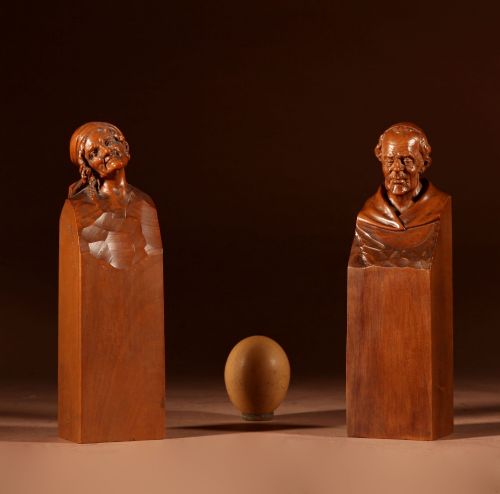
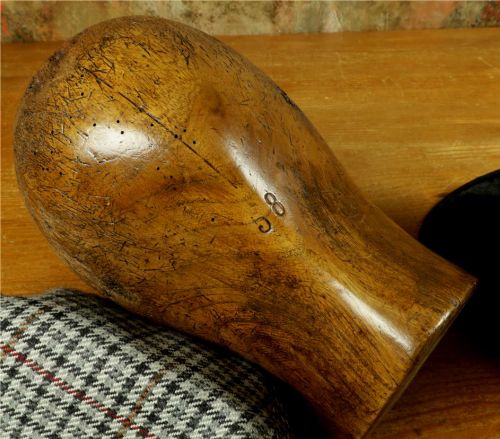
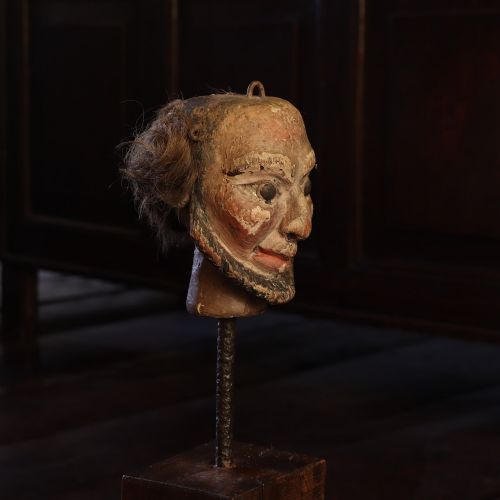
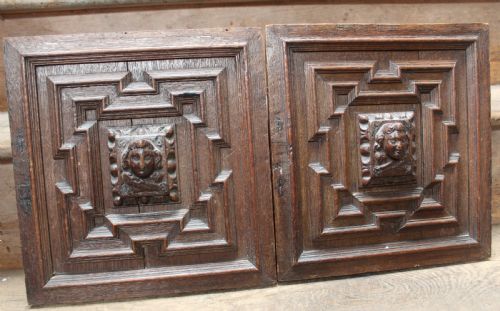
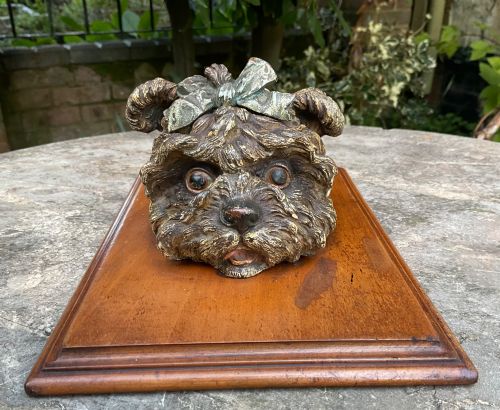
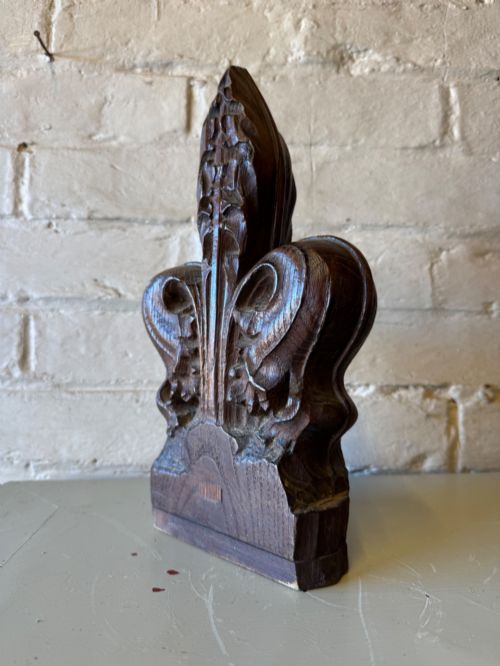
When you search for a brown wooden head, you are looking at carved timber sculptures, taxidermy mounts, and portrait busts spanning multiple centuries.
Brown Wooden Head
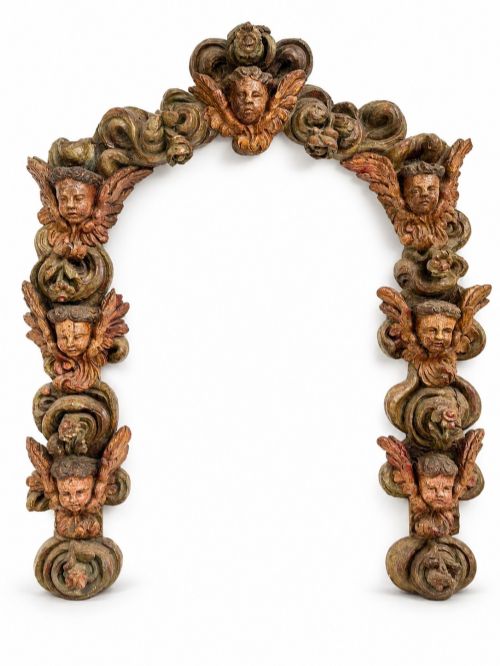
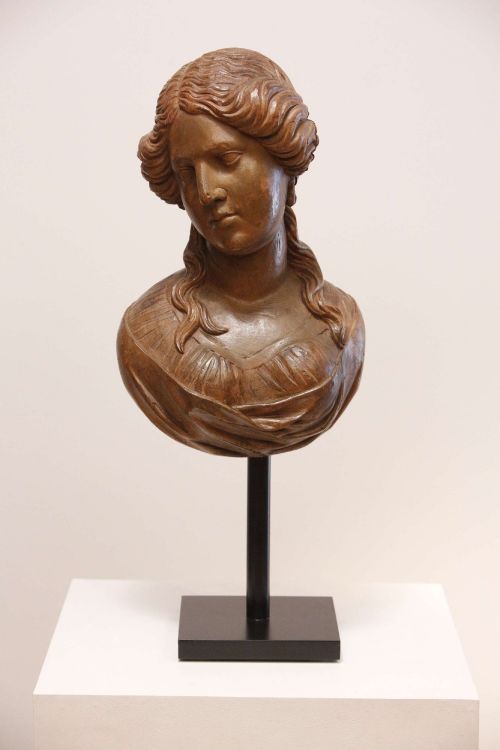
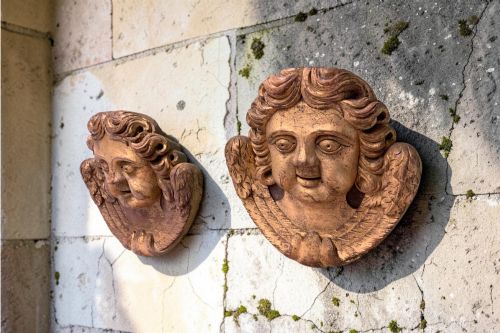
A brown wooden head encompasses carved timber portrait busts, religious putti, folk art sculptures, and taxidermy animal trophies found across various historical periods. The selection on this page ranges from 18th-century French and Italian polychrome statues to 19th-century folk art and early 20th-century hardwood studies.
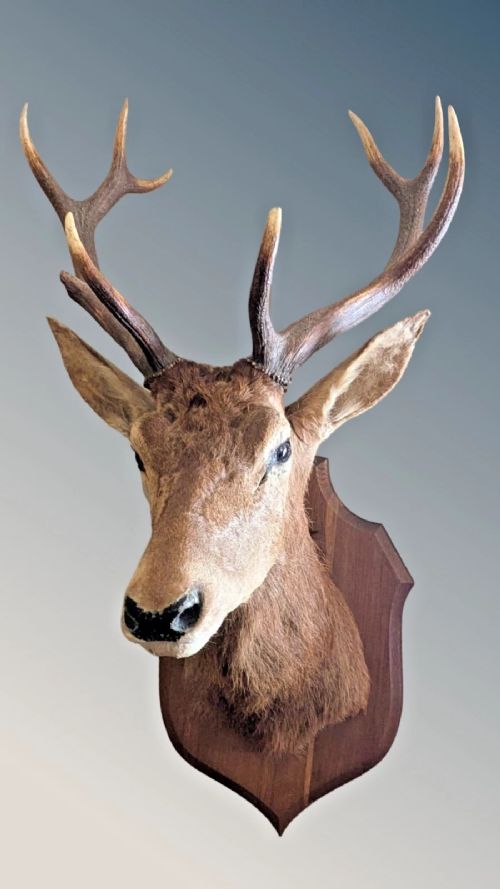
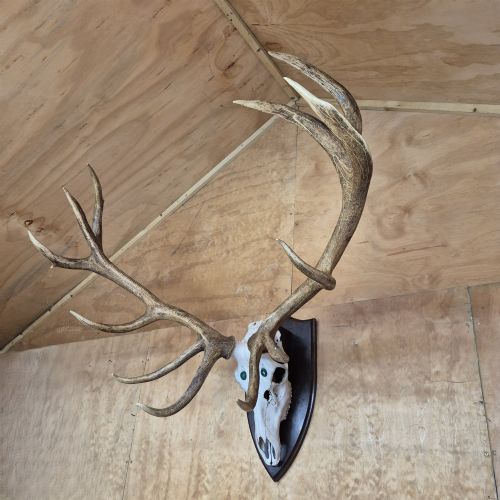
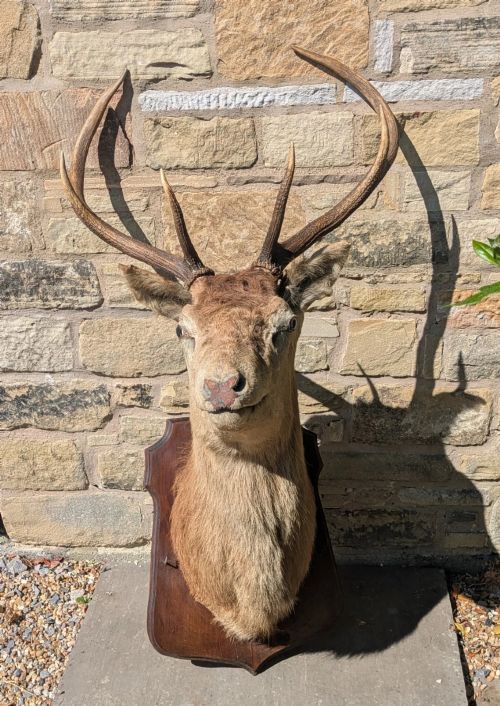
Buyers frequently encounter carved wooden human heads alongside taxidermy deer and stag mounts originating from Black Forest and Highland traditions. These pieces reflect diverse cultural origins, including French, Italian, Norwegian, and African craftsmanship.
How they were made
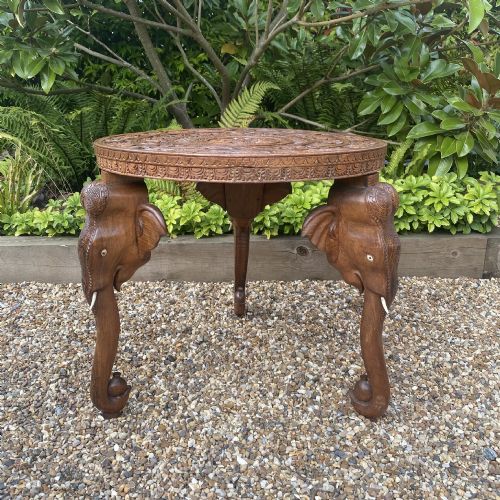
Carvers utilised traditional timber varieties such as oak, walnut, pear wood, olive wood, teak, and yew burr to shape these heads using hand chisels and gouges. Many of the earlier religious and sculptural examples incorporate polychrome paint surfaces applied directly over the carved wood.
Brown Wooden Head Retail Price Guide 2026
Typical asking prices for brown wooden head among the pieces listed under this phrase on Sellingantiques today, from the lower quarter to the upper quarter. They describe what is for sale here now, not the wider market.
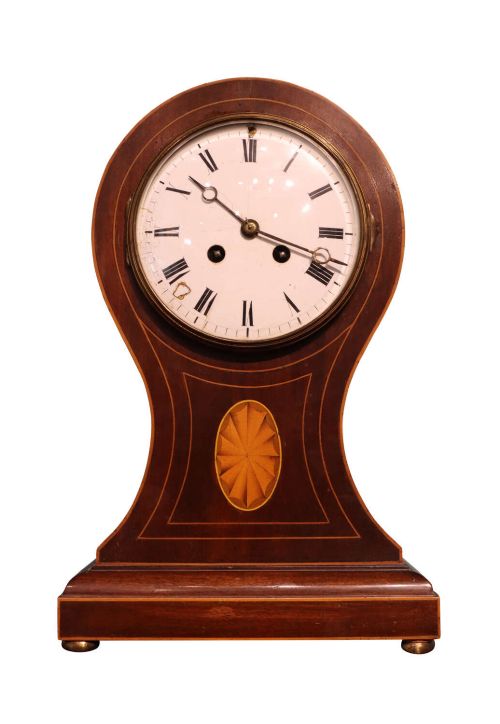
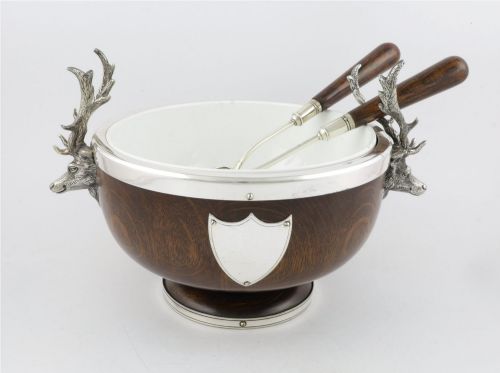
Listings feature items spanning the 16th century through the 1930s, utilising materials such as brass, glass, antler, and various hardwoods.
What varies in quality
The preservation of original surface finishes, whether exposed grain in hardwoods or intact polychrome paint, distinguishes finer artistic studies from ordinary decorative objects. Signatures from recorded makers also elevate certain pieces above anonymous workshop productions.
Hermann Steiner·Boudewijn Tuerlinckx·V Ramirez
The Brown Wooden Head Glossary
- Polychrome
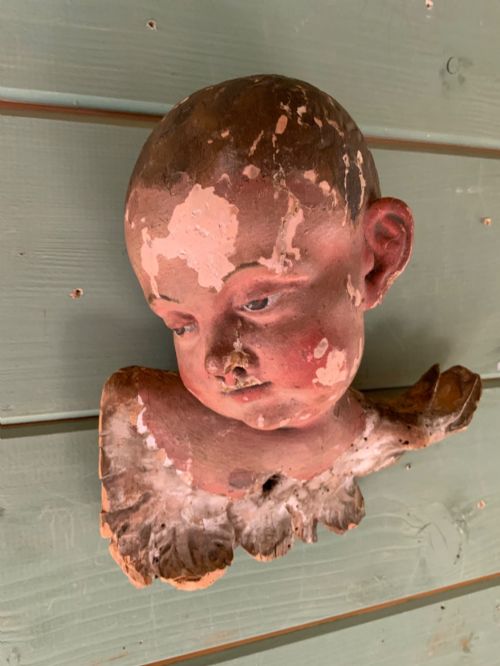
- Painted in several colours, frequently seen on 18th-century religious statues and putti heads. This technique adds surface dimension to the carved wood.
- Black Forest
- A regional carving style originating from central Europe, characterised by realistic animal heads, dogs, and forest motifs in dark timber. It gained popularity during the Victorian era.
- Putti
- Depictions of chubby male infants, often winged, appearing as carved wooden wall brackets or sculptural heads. They trace back to Baroque and Renaissance traditions.
- Yew burr
- A knotty timber growth prized by woodworkers for its swirling grain patterns. It provides a highly decorative surface for sculptural forms.
Brown Wooden Head: Frequently Asked Questions
How do I care for a wooden head sculpture?
Keep wooden sculptures away from direct sunlight and sudden temperature changes to prevent the timber from drying out or splitting.
Dust the surface gently with a dry, soft cloth and avoid applying modern chemical polishes that might damage old finishes.
What is the difference between taxidermy and carved animal heads?
Taxidermy animal heads utilise real preserved animal pelts and antlers mounted over a form to create a lifelike trophy. These specimens reflect hunting traditions and natural history.
Carved animal heads rely entirely on the artisan's skill with timber and hand tools. They are sculptural interpretations rather than preserved specimens.
How can I tell an 18th-century carving from a later piece?
Earlier 18th-century carvings often feature specific material choices like olive wood or detailed polychrome paintwork associated with religious statuary. Tool marks left by hand chisels tend to show distinct irregularities compared to mass-produced items.
Examining the underside, mounting points, and timber shrinkage helps confirm the age of the piece.
Where were Black Forest wooden heads made?
Black Forest carvings originated primarily in the wooded mountain regions of Central Europe, particularly Switzerland and Germany, during the 19th century.
Local artisans produced these decorative animal heads and household objects for the growing European and British tourist markets.