
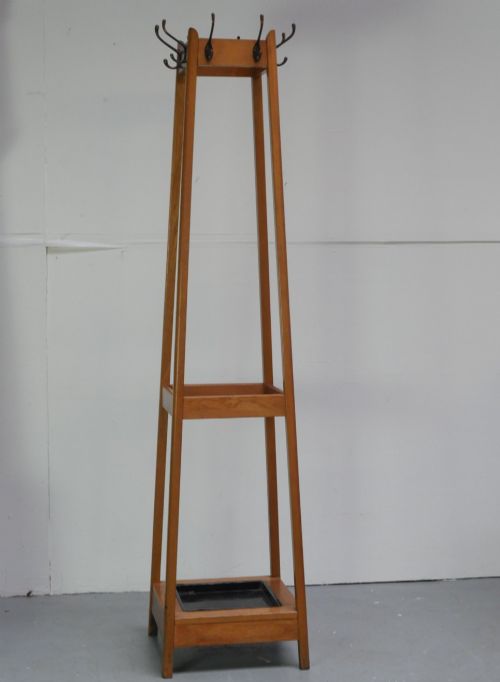
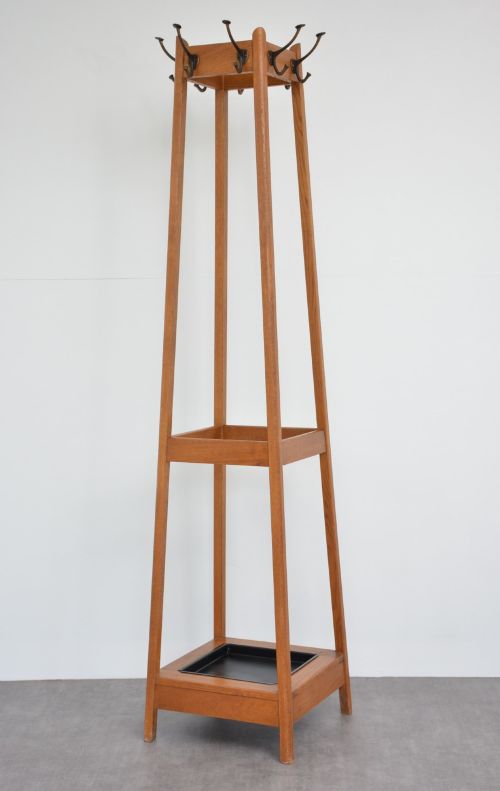
Brown Wooden Hall Tree
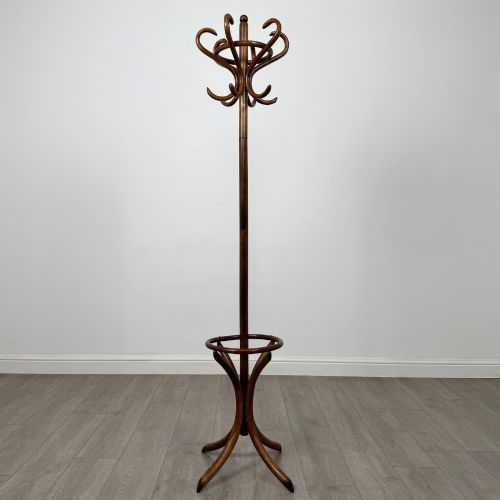
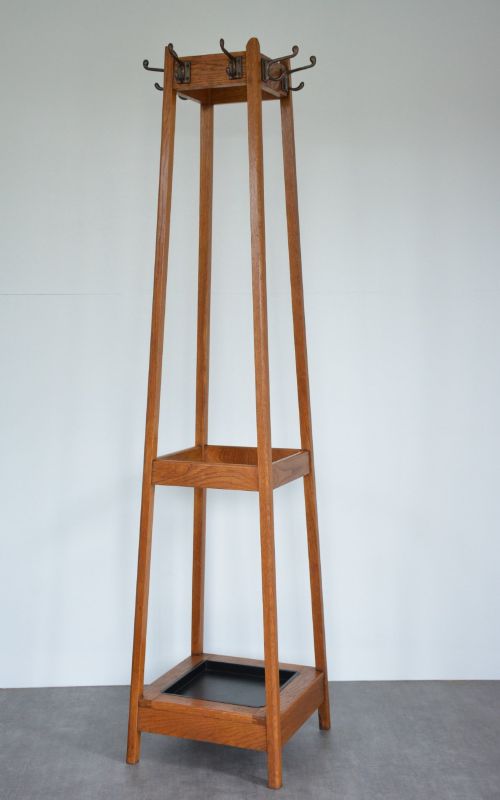
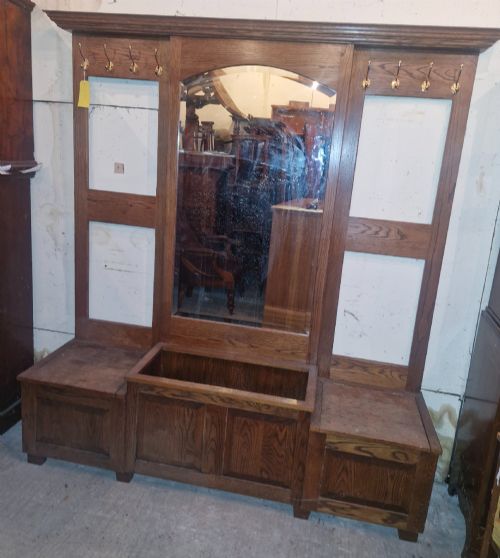
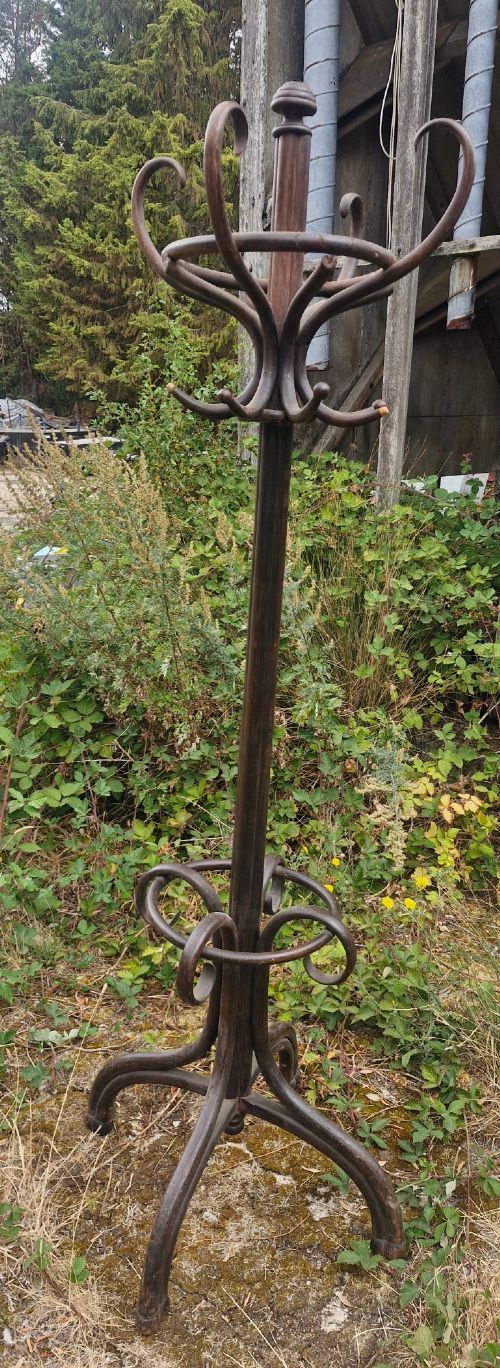
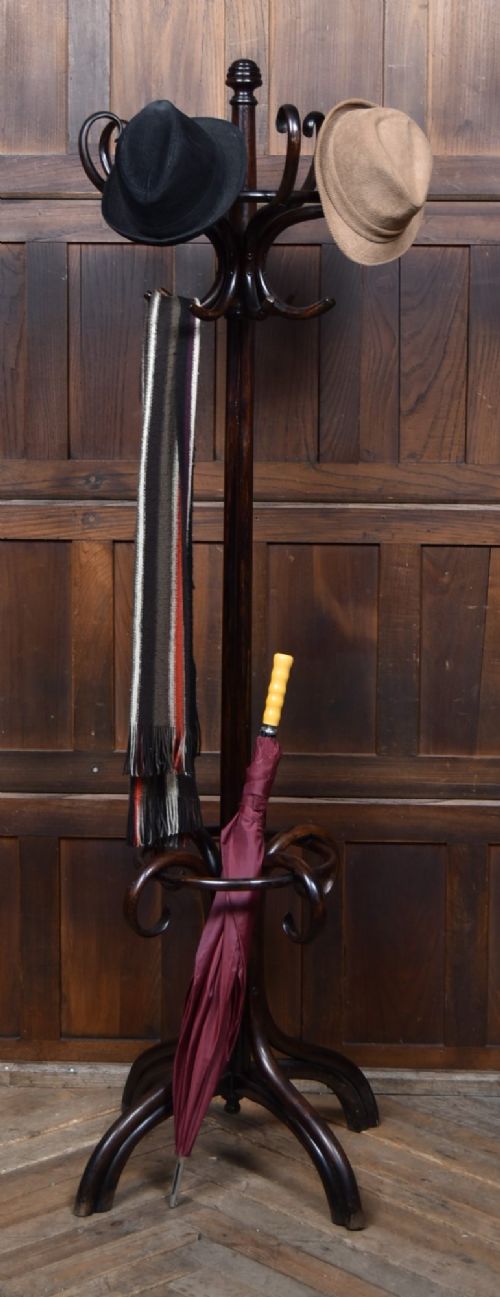
A brown wooden hall tree keeps outer garments and accessories orderly upon entry, uniting practical storage with formal presence.
Brown Wooden Hall Tree
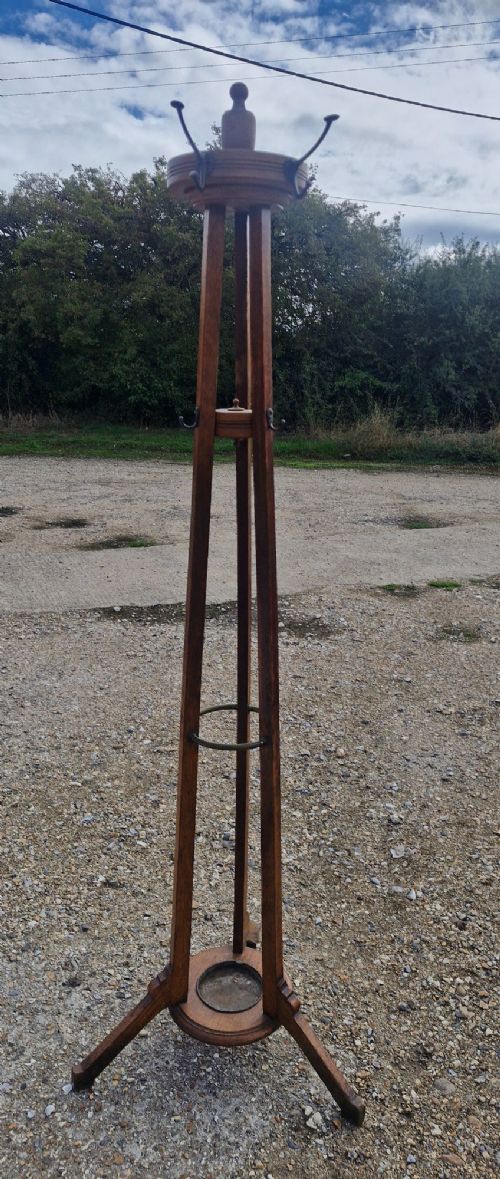
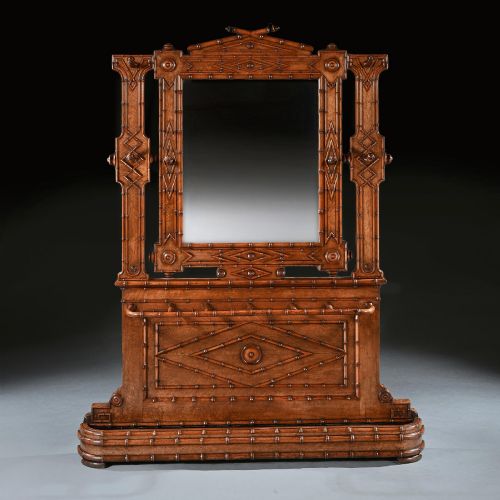
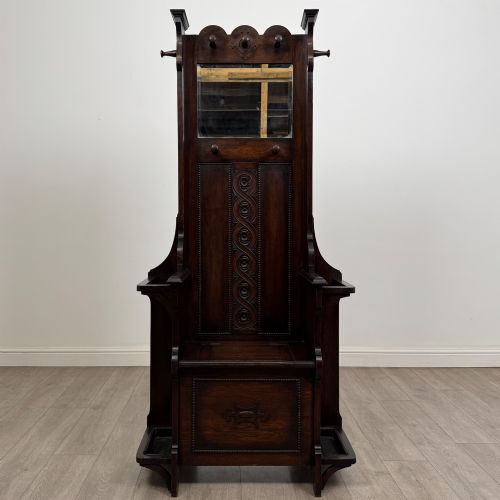
A brown wooden hall tree serves as an entrance fixture for hats, coats, and umbrellas. The pieces on this page span the Victorian, Edwardian, and Arts and Crafts periods, as well as the early twentieth century.
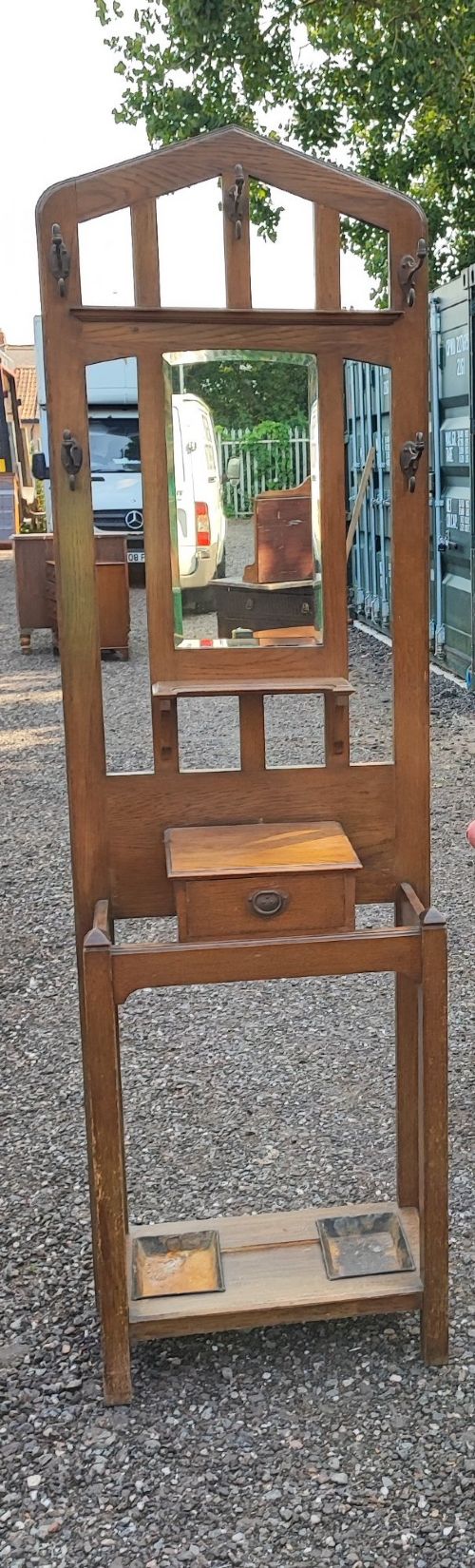
Forms range from compact coat racks to large hall seats and umbrella stands. Oak, mahogany, walnut, and beech form the primary structures of these hall stands.
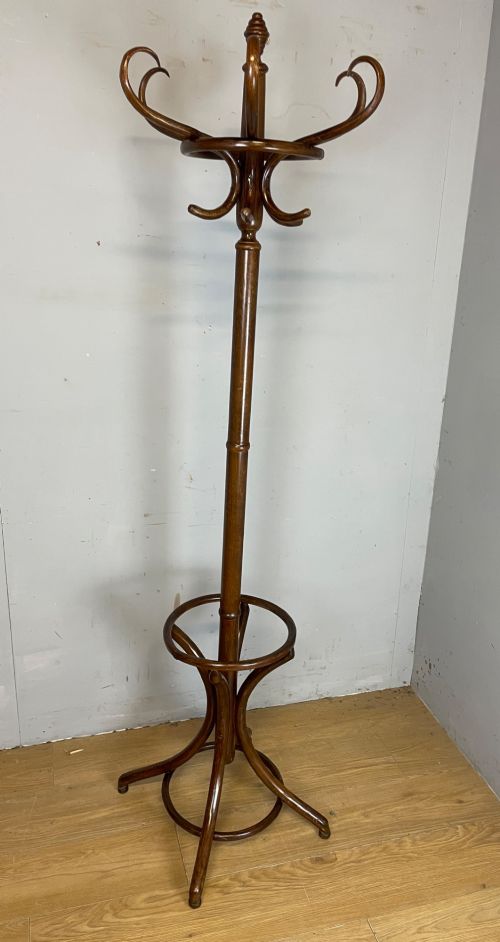
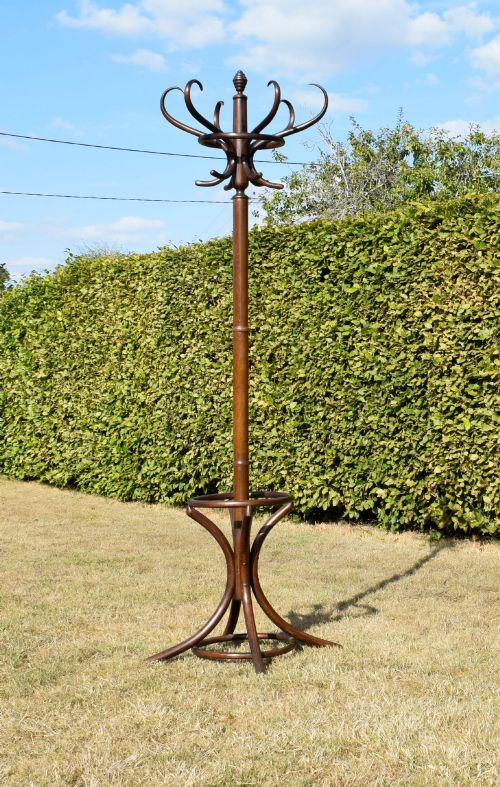
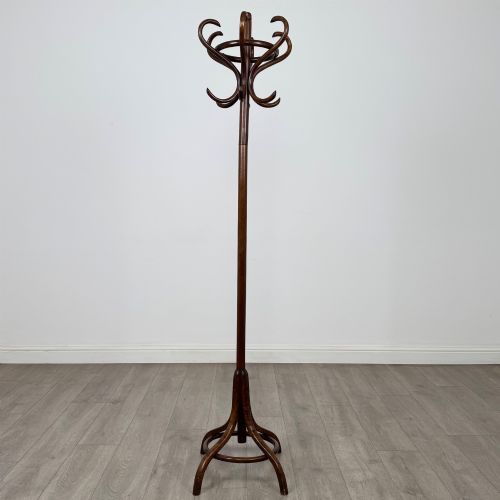
Bentwood examples and carved Black Forest designs appear frequently among the listings. Buyers meet everything from simple wall-mounted coat racks to revolving stands and multi-functional hall seat stands.
How they were made
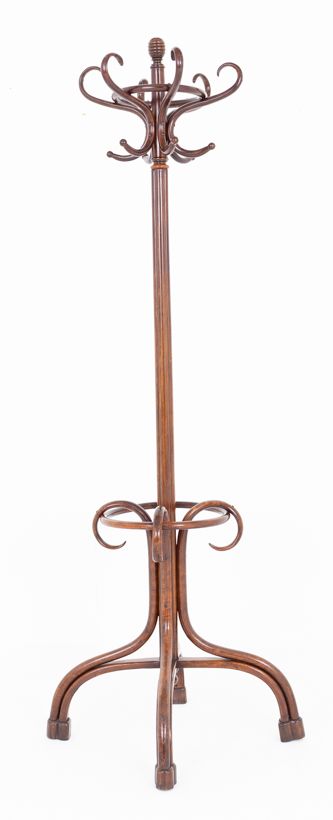
Craftsmen shaped solid oak, mahogany, walnut, and beech into structural frames, incorporating carved details and turned components. Steam-bent beech defines the distinctive curved profiles seen in bentwood designs.
Metal hooks, brass fittings, and glass elements often accompany the timber frames to manage garments and walking sticks. Integrated umbrella holders frequently feature zinc or metal drip trays to catch moisture.
Joinery techniques include mortise and tenon construction for substantial oak and mahogany hall stands, while bentwood pieces rely on tension and steam shaping.
Several fierce wooden bears stand guard in the hallway, doubling as coat hooks from the nineteenth century.
What varies in quality
Subtlety of carved ornamentation and the weight of the timber separate standard examples from finer pieces. Walnut and mahogany furniture often displays deeper cabinetmaking skill than utility oak pieces.
The integrity of bentwood curves and the original finish condition dictate the grade of a stand. Complete sets of matching hooks and intact metal drip trays elevate the standing of an entrance piece.
Astrola·Thonet
The Brown Wooden Hall Tree Glossary
- Hall stand
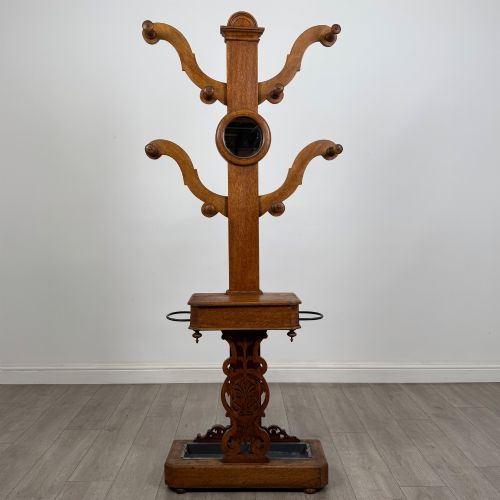
- An entrance piece of furniture designed to hold coats, hats, and sticks, often incorporating a mirror or seat. These objects anchor the hallway by combining multiple storage functions into one item.
- Bentwood
- Wood that has been heated with steam and bent into curved shapes. This technique creates lightweight yet robust coat stands and hatstands.
- Japonisme
- The study of Japanese art and aesthetics that influenced European design during the late nineteenth century. It appears on exotic decorative furniture such as maple hall stands.
- Black Forest
- A style of wood carving originating from Germany, characterised by naturalistic animal figures like bears. These carvings often form the structural supports of dramatic hall stands.
- Demi lune
- A half-moon shape used for the footprint of certain coat stands and tables. This design allows furniture to sit flush against an entryway wall.
Brown Wooden Hall Tree: Frequently Asked Questions
What is a hall tree used for?
A hall tree functions as a dedicated station in an entryway for hanging coats, hats, and scarves. Many versions also incorporate umbrella holders and walking stick compartments.
Larger variations include benches and mirrors, offering a place to sit while putting on footwear before departure.
How do I date an antique wooden hall stand?
Dating relies on observing the prevailing style, timber choices, and construction methods used in the piece. Victorian and Edwardian examples often feature heavy carvings or specific aesthetic movements.
Twentieth-century versions frequently adopt simpler lines or utilise bentwood manufacturing techniques popular around nineteen hundred.
Where should I place a hall tree?
Hall trees belong in hallways, entryways, or lobbies where household members and guests arrive and depart. Their vertical orientation makes them suitable for narrow circulation spaces.
Adequate clearance is necessary around the base to access coat hooks and umbrella trays safely.
What is bentwood furniture?
Bentwood furniture is constructed by steaming solid timber until pliable, then bending it into graceful, curved forms. Beech is the most common wood utilised for this method.
Invented in the nineteenth century, this technique produced lightweight, durable coat stands and hatstands.