



Brown Wooden Fireplace
A brown wooden fireplace brings immediate warmth to a room, anchoring a hearth with solid timber character.
Brown Wooden Fireplace
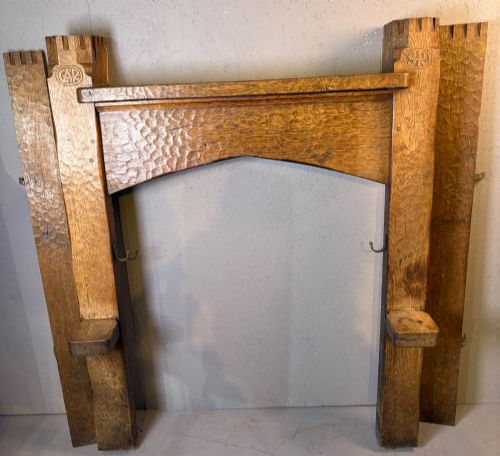
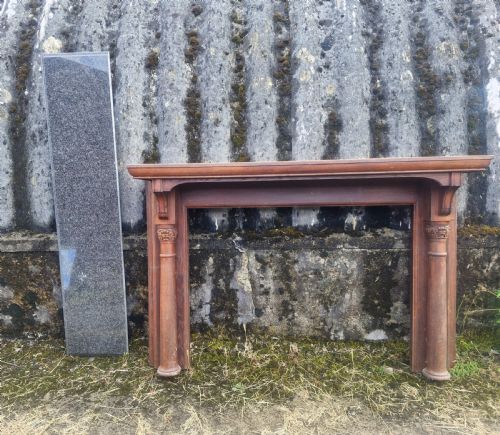
A brown wooden fireplace search leads primarily to architectural salvage surrounds, overmantel mirrors, and fireside accessories spanning several centuries. These pieces reflect the traditional domestic hearth through structural timber and fitted mantels.
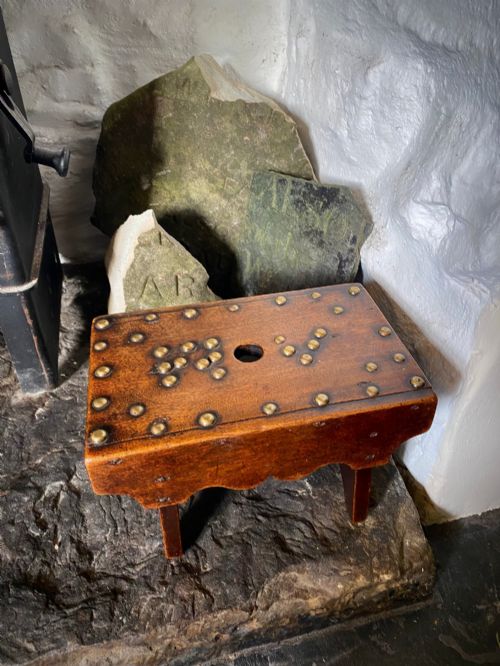
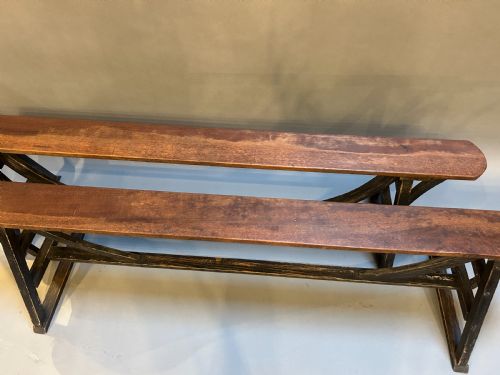
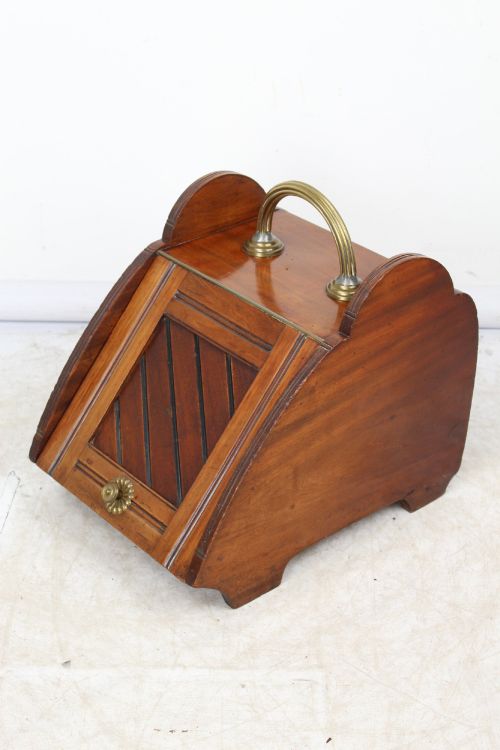
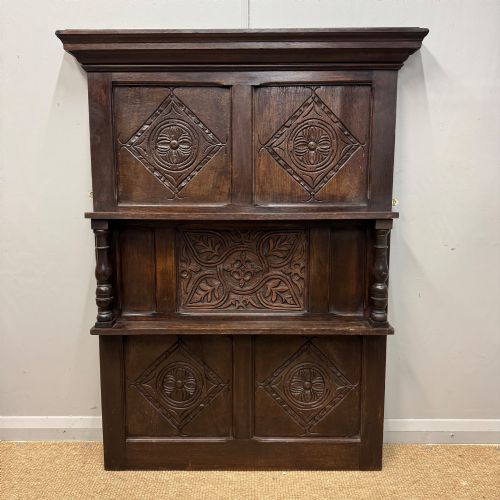
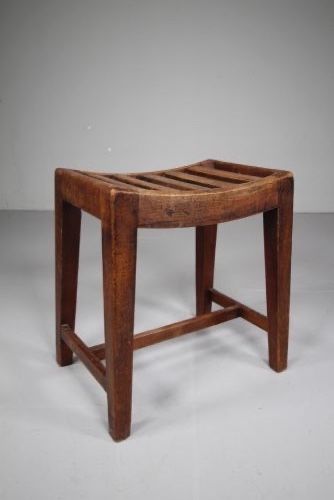
The selection ranges from simple plank benches and coal scuttles to elaborate carved overmantels and fire screens. Each object serves a practical role in the domestic interior while displaying period craftsmanship.
Materials and construction methods
Carpenters utilised solid hardwoods such as oak, mahogany, walnut, and rosewood for structural durability and rich grain patterns. Secondary timbers like pine appear in concealed framing sections.
Joinery methods combine traditional mortise and tenon joints with hand carving and inlay work. Metal elements including brass and ormolu provide structural reinforcement and decorative contrast on coal boxes and mirror frames.
Brown Wooden Fireplace Retail Price Guide 2026
Typical asking prices for brown wooden fireplace among the pieces listed under this phrase on Sellingantiques today, from the lower quarter to the upper quarter. They describe what is for sale here now, not the wider market.
Dummy boards served as silent companions in period rooms, painted wooden silhouettes standing near the hearth to trick unexpected visitors.
Assessing quality and craftsmanship
Depth of carving and timber selection distinguish standard utility items from fine cabinet work. Burr woods and detailed Tunbridge Wear inlay represent higher tiers of decorative effort.
Original hardware, liners, and glass integrity separate preserved examples from heavily restored pieces. The crispness of carved mouldings indicates the skill level of the original maker.
The Brown Wooden Fireplace Glossary
- Overmantel mirror
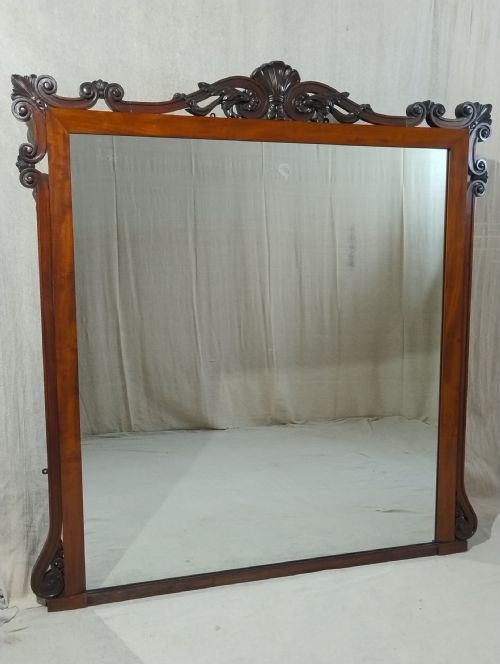
- A large looking glass designed specifically to hang on the wall directly above a fireplace mantel. These frames frequently incorporate carved wood or inlaid veneers.
- Coal scuttle
- A specialised container designed to hold fuel for an open fire, often featuring a metal liner and a shovel. Examples from the Victorian era frequently utilise walnut or rosewood.
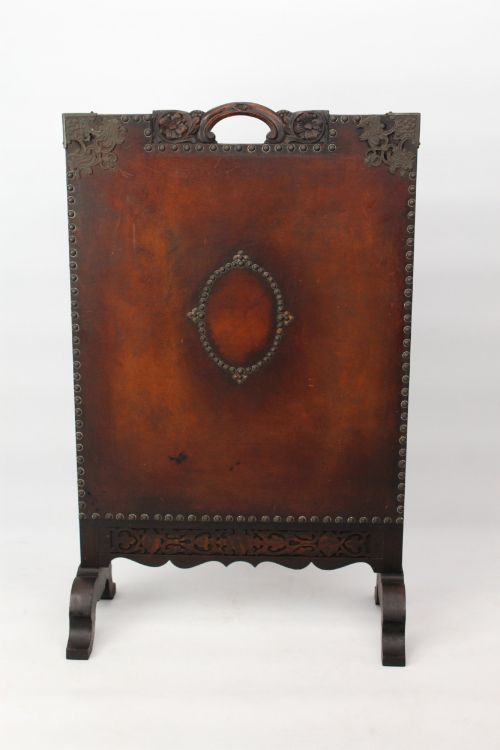
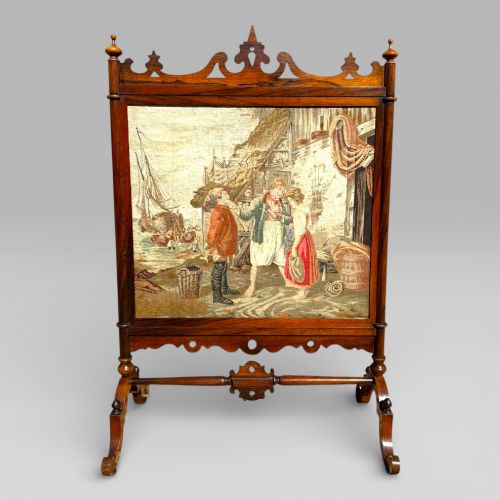
- Fire screen
- A movable panel placed before an unused hearth to block draughts or conceal the grate. Needlework and tapestry panels are common insertions within wooden frames.
- Club fender
- A low, padded seat surrounding the perimeter of a hearth. These structures traditionally combine wooden or brass framing with upholstered leather tops.
- Purdonium
- A box or cabinet specifically designed for storing coal beside a fireplace. They often feature an inclined internal slide for easy access.
Brown Wooden Fireplace: Frequently Asked Questions
How do I date a wooden fireplace surround?
Examine the tool marks, timber species, and overall architectural style to determine the period of origin. Georgian pieces often feature classical proportions, whilst Victorian versions display heavier, more elaborate ornamentation.
Compare the construction methods against known period standards. Machine-cut screws and modern adhesives indicate later alterations or reproduction work.
What timber was most commonly used?
Oak and mahogany appear most frequently across these listings due to their durability and availability in domestic British architecture. Walnut and rosewood were reserved for finer decorative items and mirrors.
Regional preference and the prevailing fashion of each decade dictated the primary wood selection. Cabinetmakers also utilised fruitwoods and exotic veneers for specific decorative details.
Are these items suitable for modern homes?
These architectural salvage pieces and fireside accessories integrate easily into contemporary interiors by adding historic texture and focal points. Overmantel mirrors help reflect natural light across living spaces.
Ensure precise measurements are taken before installation, particularly with fireplace surrounds and architectural elements. Professional fitting is recommended for heavy wall-mounted mirrors and structural timber.
How do I care for antique wood?
Maintain timber surfaces by applying appropriate wax polishes sparingly to nourish the grain without building up heavy residues. Avoid placing wooden items near direct heat sources or in areas of high humidity.
Dust regularly with a soft, dry cloth to prevent abrasive particles from scratching the polish. Protect surfaces from moisture by using coasters under any decorative objects.