





Brown Wooden Filing
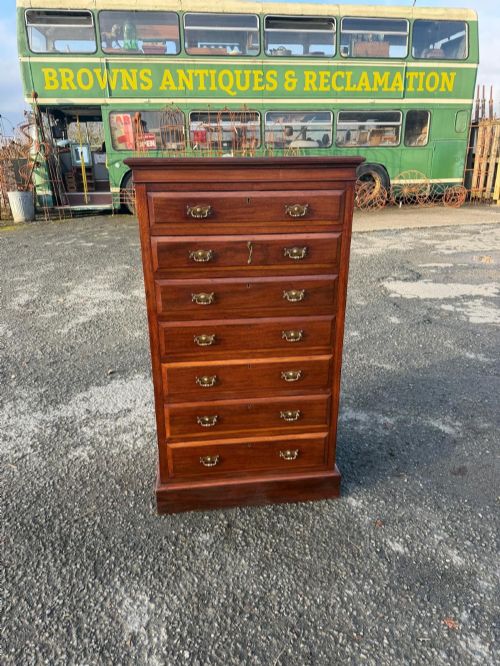
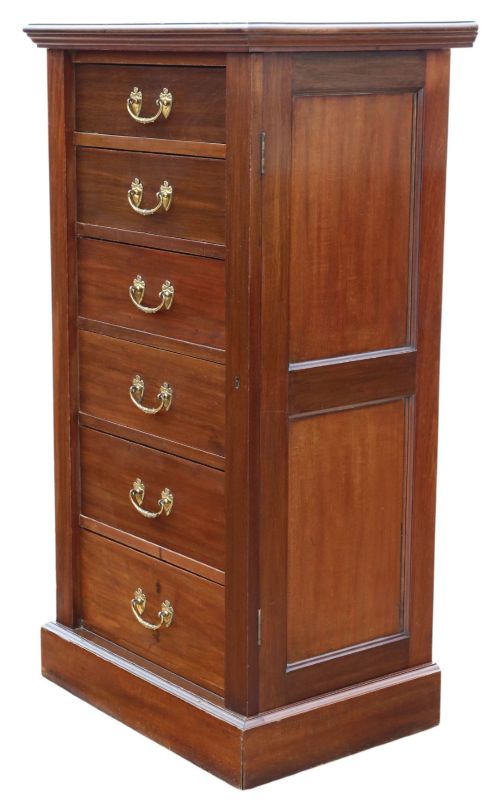
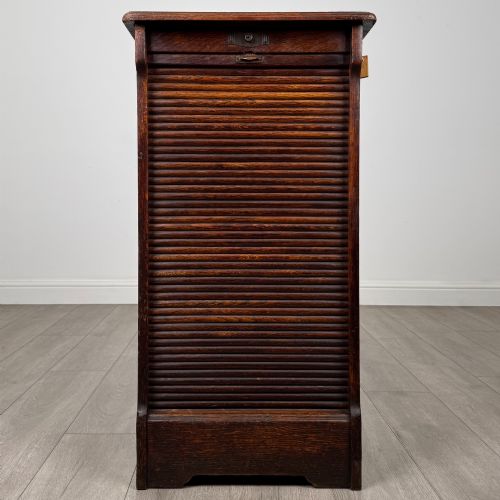
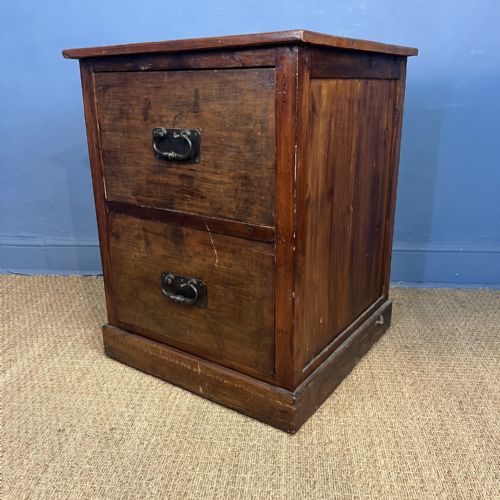
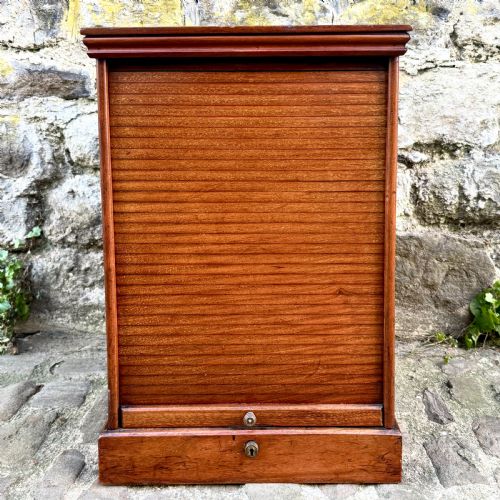
Brown wooden filing pieces combine practical storage with period craftsmanship, offering structured organisation through multiple drawers, tambour doors, and compartments crafted in mahogany, oak, and walnut.
Brown Wooden Filing
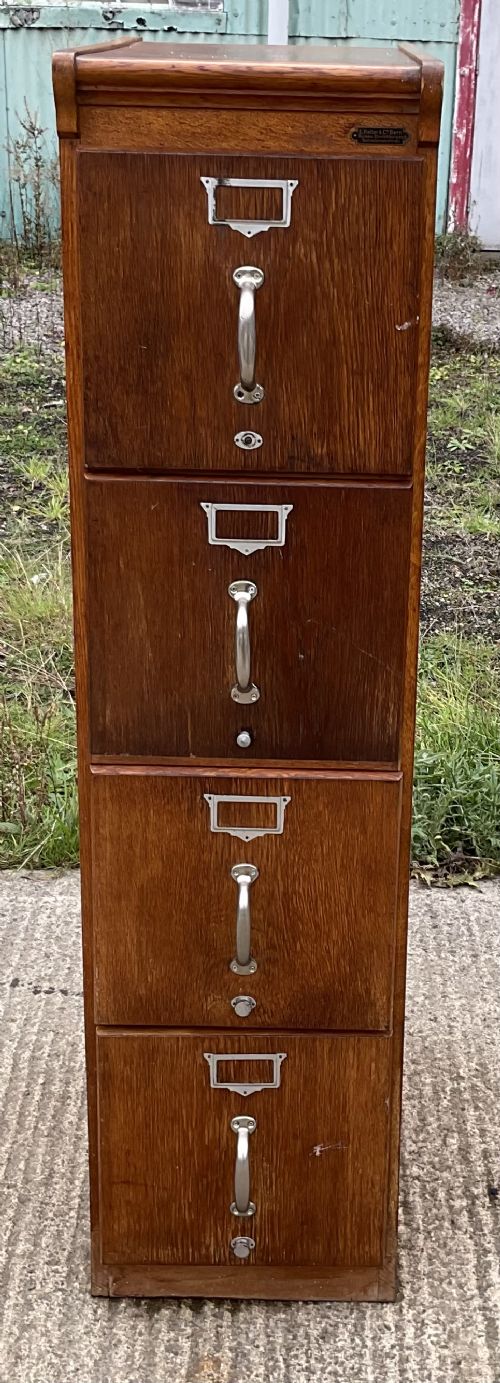
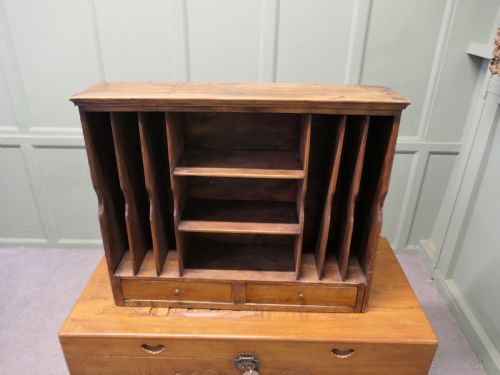
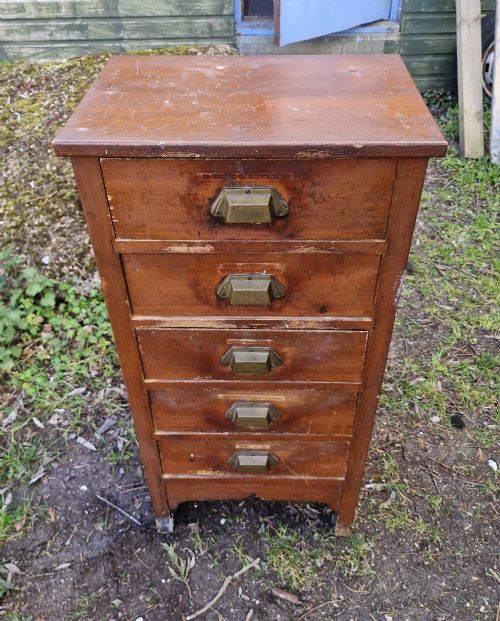
Brown wooden filing cabinets and storage units serve as functional office and library furniture, appearing across periods from the Victorian era through the 1930s. A buyer investigating brown wooden filing options encounters diverse forms, including tambour cabinets, index drawers, and multi-drawer chests designed for documents and paperwork.
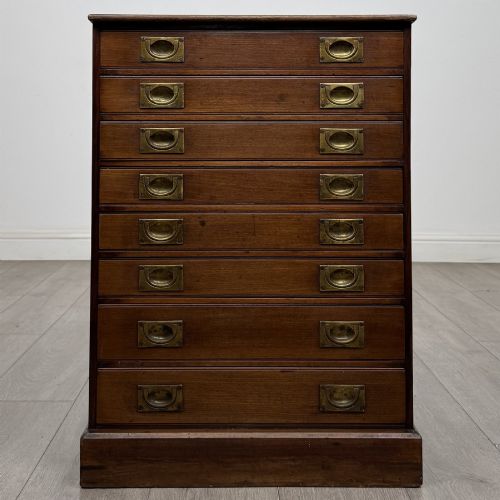
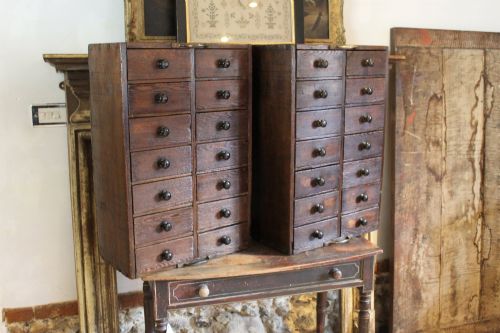
The selection ranges from Edwardian office furniture and Arts and Crafts collectors cabinets to industrial utility pieces and campaign chests. Oak and mahogany examples from the early 20th century predominate, alongside walnut banks of drawers and pine filing units.
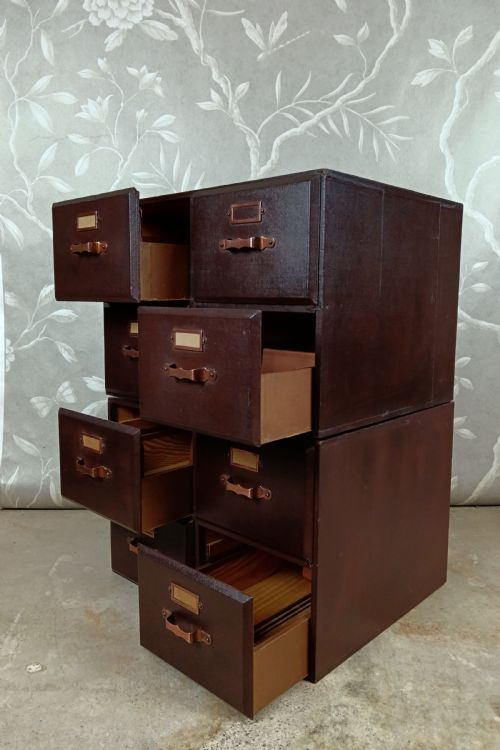
Specialised storage forms include music cabinets, library card files, and patent letter files equipped with original brass hardware. These pieces originate from domestic studies, offices, and workshops, retaining their utility for contemporary organisation.
How they were made
Cabinet makers utilised hardwoods such as mahogany, oak, walnut, and teak, supplemented by pine and beech for internal components. Timber selection defined the structural integrity of these storage units, with durable woods chosen to withstand daily office use.
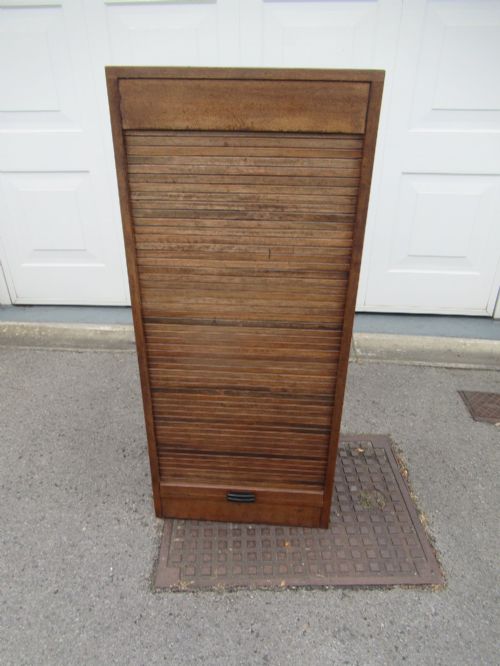
Construction techniques incorporated brass handles, hinges, and label holders to complement the wooden frames. Tambour fronts utilised flexible wooden slats running in grooved tracks to conceal interior shelving and document compartments.
Finishing methods involved polishing the timber surfaces to accentuate the natural grain of the mahogany, oak, or walnut. Metal mechanisms, including patent letter file systems and adjustable shelving brackets, were integrated directly into the wooden cabinetry.
Brown Wooden Filing Retail Price Guide 2026
Typical asking prices for brown wooden filing among the pieces listed under this phrase on Sellingantiques today, from the lower quarter to the upper quarter. They describe what is for sale here now, not the wider market.
Listings feature woods including mahogany, oak, walnut, pine, pitch pine, teak, and rosewood across the 19th and early 20th centuries.
What varies in quality
The standard of timber selection and cabinet construction dictates the distinction between standard office furniture and finer pieces. Superior examples display carefully matched wood veneers or solid hardwoods with precise joinery on the drawer boxes.
Hardware integration separates basic items from more substantial pieces, particularly regarding original brass handles, locking mechanisms, and patent filing systems. The presence of makers' mechanisms or specialised internal fittings adds significantly to the execution.
Amberg·Shannon·D Napier and Sons
The Brown Wooden Filing Glossary
- Tambour
- A flexible door or shutter constructed from narrow strips of wood glued to canvas or fabric backing, allowing it to slide around a curved track. This mechanism conceals the interior shelving of office cabinets efficiently.
- Wellington chest
- A tall, narrow chest of drawers secured by a hinged locking side pilaster that fastens with a padlock or key. Originating in the 19th century, this form provides secure document storage.
- Campaign chest
- Portable furniture made in sections with recessed brass handles and corner brackets, designed for easy transport by military officers. Pitch pine and mahogany were common materials for these robust pieces.
- Bank of drawers
- A large multi-drawer unit designed for workshops, offices, or institutional archives to sort documents or small items. These modular structures feature numerous graduated drawers.
- Collectors cabinet
- specialised cabinetry featuring shallow drawers designed to organise and display specimens, documents, or ephemera. They often incorporate glass-fronted doors or fitted internal compartments.
Brown Wooden Filing: Frequently Asked Questions
How do I date an oak filing cabinet?
Dating an oak filing cabinet involves examining the timber preparation, hardware styles, and mechanical construction methods. Pieces from the Victorian period tend to feature heavier mouldings and hand-cut dovetails, while 1920s and 1930s office furniture often incorporates standardised patent filing mechanisms and brass label holders.
Makers' stamps, patent plates, and structural hints such as canvas-backed tambour tracks also help narrow down the manufacturing decade. Comparing the wood finish and overall proportions to documented styles provides further chronological context.
Were these cabinets used in homes?
Brown wooden filing cabinets served primarily in commercial offices, legal practices, libraries, and institutional settings such as post offices. However, smaller table-top chests, music cabinets, and desk organisers were manufactured specifically for domestic studies and drawing rooms.
Homeowners utilised these pieces to store sheet music, correspondence, and household accounts. Today, collectors frequently place these functional storage units in residential home offices and living spaces.
What maintenance do wood filing drawers need?
Wooden filing drawers benefit from occasional cleaning with a soft cloth and application of traditional beeswax to nourish the timber. Avoiding direct sunlight and stable humidity levels prevents the wood from warping and protects the operational fit of the drawers.
Keeping the wooden runners and tambour tracks free from dust ensures smooth daily operation. Metal hardware like brass handles and label holders should be cleaned gently without abrasive agents to preserve their original finish.