

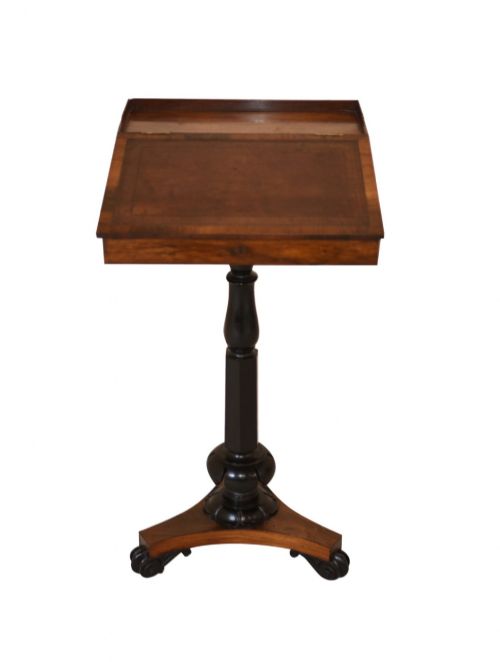
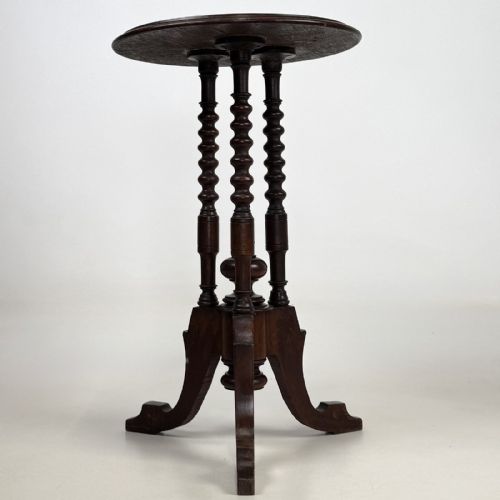
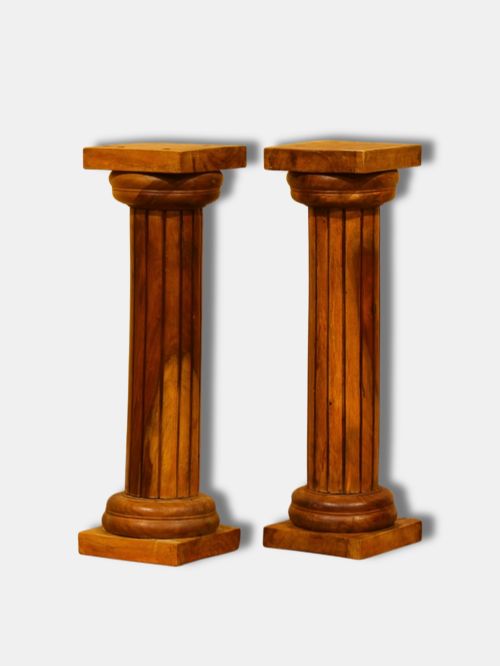
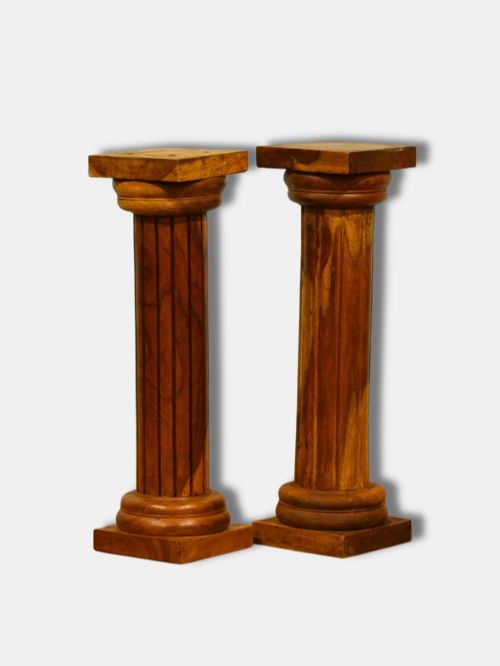


Brown Wooden Columns
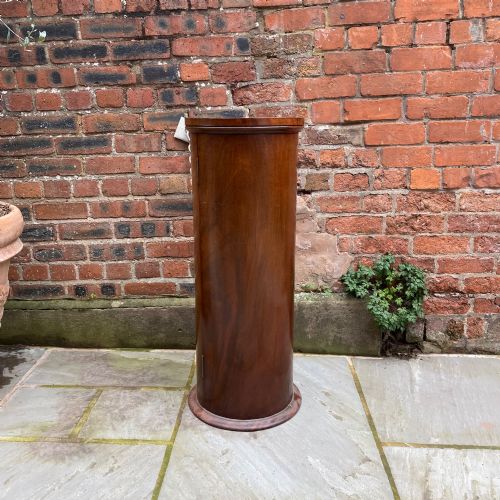
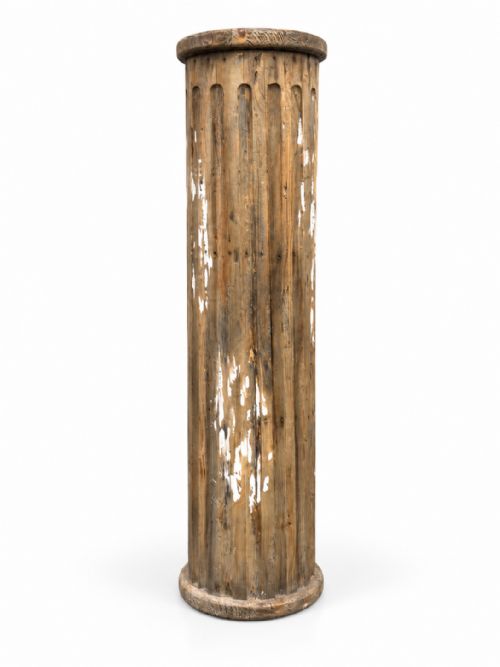
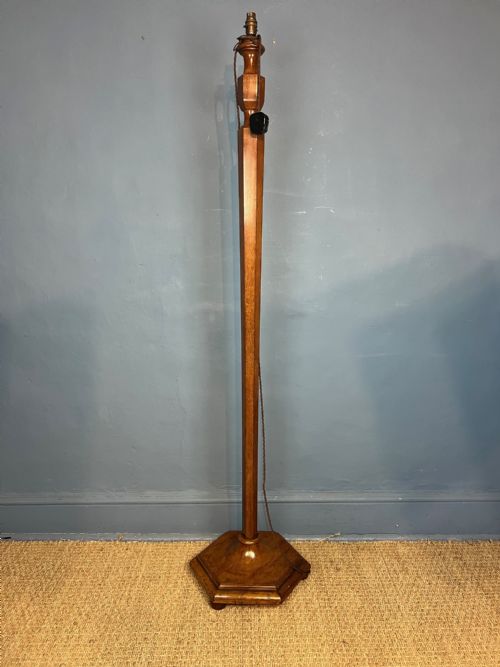
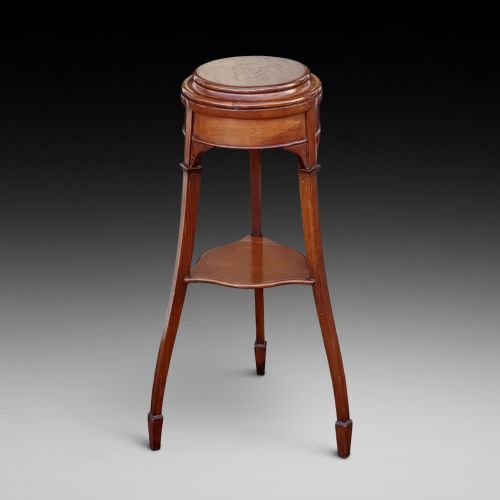
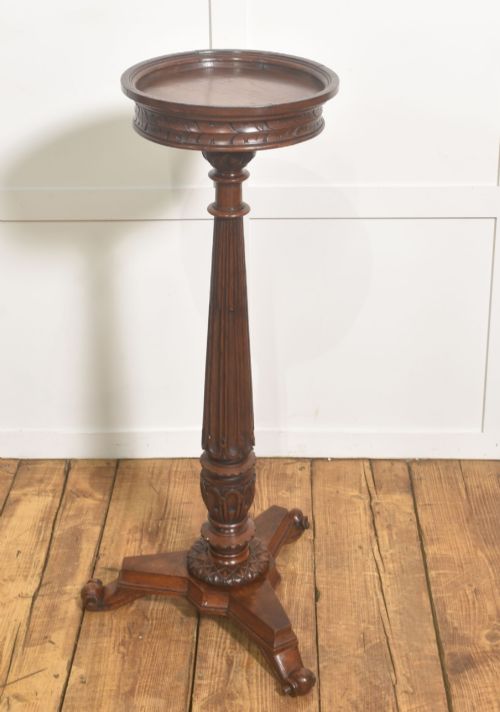
Brown wooden columns emerge in various forms like plant stands, torchere lamps, and pedestals.
Brown Wooden Columns
When searching for brown wooden columns, buyers encounter vertical display furniture designed to elevate objects in a room. These pieces function primarily as plant stands, torchere lamp holders, and display pedestals across several periods.
The selections on this page draw from 19th Century, Victorian, Edwardian, and Georgian eras. Plant stands and tall torchere forms appear frequently among these listings.
Makers utilised woods such as mahogany, walnut, oak, and hardwood to construct these vertical forms. Styles range from Regency and William IV to Italian Renaissance Revival.
How they were made
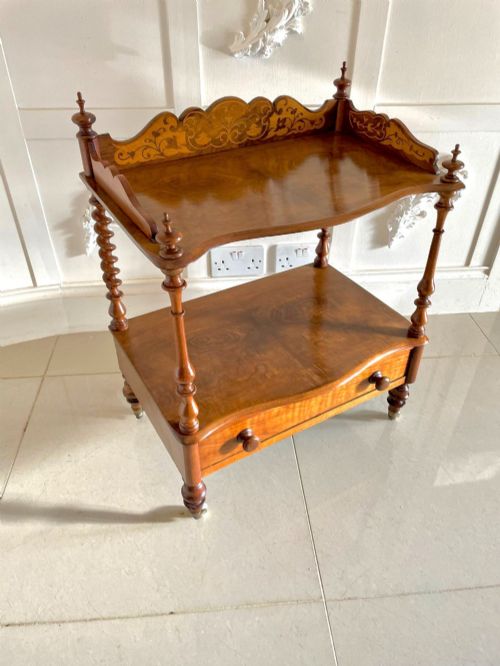
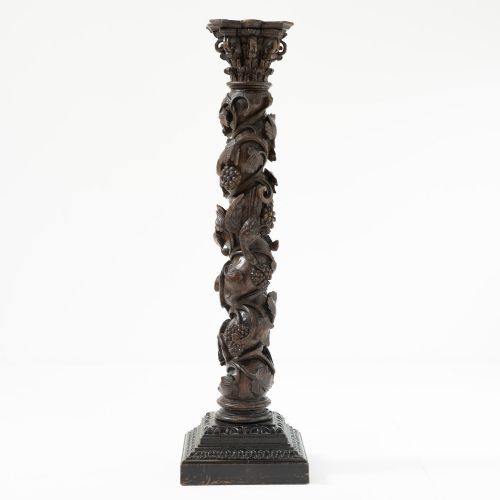
Craftsmen built these items using solid hardwoods like mahogany, oak, and walnut, frequently incorporating brass details or inlaid satinwood and glass elements. Carved wooden columns often feature turned shafts or Solomonic twists.
Surfaces received polish, paint, or intricate marquetry inlay, depending on the period and regional workshop traditions. Structural integrity relied on robust timber joints supporting top display platforms.
Brown Wooden Columns Retail Price Guide 2026
Typical asking prices for brown wooden columns among the pieces listed under this phrase on Sellingantiques today, from the lower quarter to the upper quarter. They describe what is for sale here now, not the wider market.
Listings span the 18th, 19th, and 20th centuries, featuring oak, walnut, mahogany, and satinwood across plant stands, pedestals, and torchere forms.
What varies in quality
Quality differences appear in the crispness of carved wooden details and the selection of timber figures, such as burr walnut or figured mahogany. Finer examples display meticulous joinery and balanced proportions.
The presence of secondary materials like brass mounts, inlaid satinwood banding, or painted panels distinguishes standard production items from more ambitious workshops.
The Brown Wooden Columns Glossary
- Torchere
- A tall stand or pedestal designed to hold a lamp or candle. These pieces elevate lighting sources to create ambient room illumination.
- Pedestal
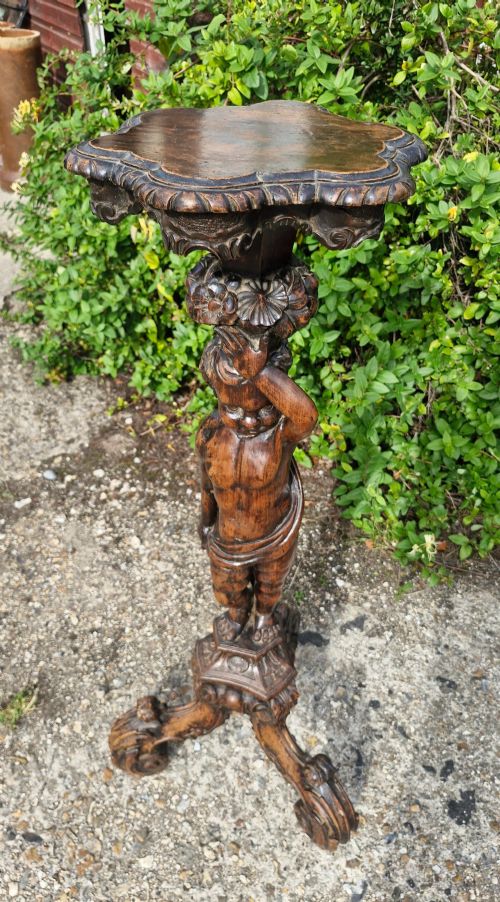
- A structural support or column used for displaying busts, vases, or statues. They feature heavily in Victorian and Italian revival interiors.
- Whatnot
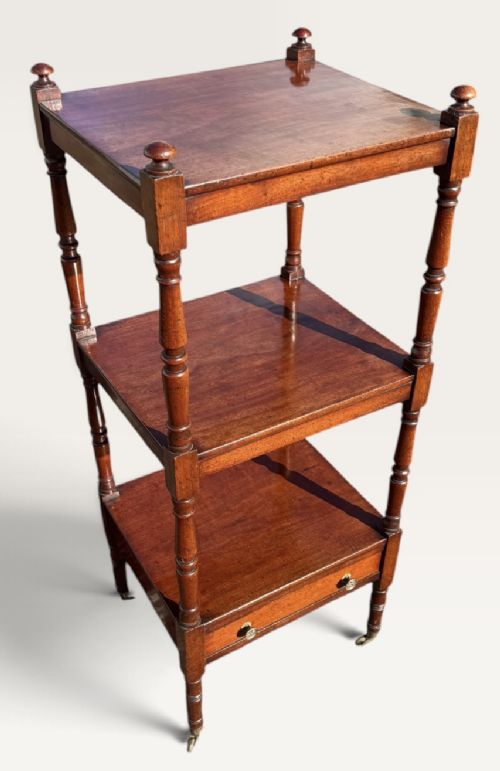
- A set of open shelves for displaying small objects or books. These multi-tiered units appear in 19th-century mahogany and hardwood formats.
- Solomonic
- A helical or twisted column shaft resembling a spiral. This distinctive carving style appears on 18th-century oak pedestals.
Brown Wooden Columns: Frequently Asked Questions
What are brown wooden columns used for?
These items serve primarily to elevate plants, lamps, busts, and decorative objects above floor level. They provide vertical accent points within domestic interiors.
Historically, tall torchere stands held lighting apparatuses, while smaller pedestals displayed sculpture or floral arrangements in reception rooms.
How do I identify a Georgian column?
Georgian pieces typically display restrained classical proportions and heavy reliance on dense mahogany or oak timbers. Ornamentation remains structured rather than ornate.
Look for architectural mouldings and joinery techniques characteristic of late 18th-century and early 19th-century cabinet making.
Where should I place a pedestal stand?
Pedestals and plant stands suit corners, empty wall spaces, or flanking positions beside larger pieces of furniture. They draw the eye upward to displayed items.
Ensure placement avoids heavy foot traffic areas to protect delicate wooden shafts and mounted objects from accidental knocks.
What woods were used for these columns?
Mahogany, walnut, and oak dominate the construction materials across these historical periods. Satinwood and Indian hardwood also appear in specific regional items.
Secondary materials like brass, glass, and fabric sometimes supplement the primary wooden structures for decorative effect.