



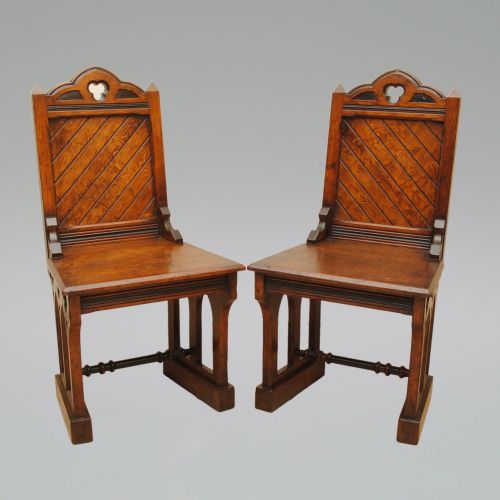


Brown Wooden Church Chairs
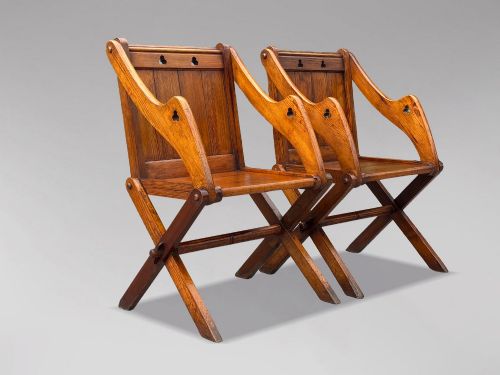
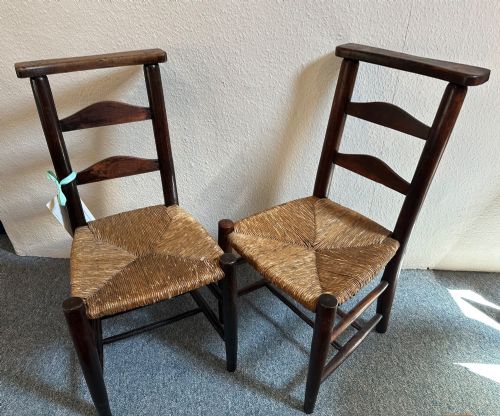
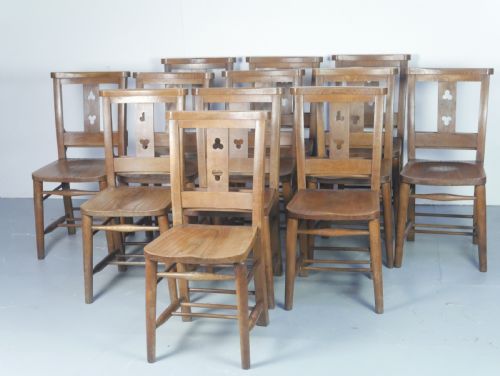
Brown wooden church chairs bring solemn architecture into domestic rooms through sturdy timber framing and upright ecclesiastical forms.
Brown Wooden Church Chairs
These brown wooden church chairs encompass robust seating intended for ecclesiastical settings, domestic halls, and dining spaces. Buyers searching this phrase encounter nineteenth century pieces alongside Edwardian examples built with straightforward function in mind.
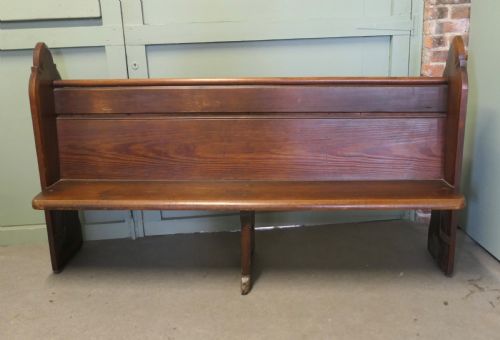
The selection ranges from pitch pine armchairs and oak settles to pairs of Gothic design hall chairs and chapel benches. Most pieces display straightforward timber construction rooted in Victorian Gothic Revival or Arts and Crafts traditions.
Makers designed these items for communal worship or institutional use, meaning heavy daily wear shaped their original creation. Surviving examples adapt easily to modern hallways, kitchens, and living rooms as functional seating with historical presence.
Factors determining quality
Superior examples demonstrate tighter timber grain and thicker stock, particularly in pitch pine and oak framing. Finely carved Gothic tracery and marked institutional provenance distinguish exceptional seating from utilitarian workshop production.
The integrity of original joints and the survival of untouched surface patinas dictate the standing of individual pieces. Matched sets command distinct attention compared to single items due to their rarity in domestic interiors.
Listings feature pitch pine, oak, elm, and softwood across nineteenth century, Victorian, and Edwardian periods.
The Brown Wooden Church Chairs Glossary
- Gothic Revival
- An architectural and decorative style drawing on medieval forms, featuring pointed arches and vertical emphasis. This aesthetic defines many ecclesiastical chairs.
- Pitch Pine
- A durable, resinous softwood commonly utilised in nineteenth-century church pews and hall seating. It takes a rich finish and resists heavy wear.
- Box Settle
- An enclosed wooden bench featuring a high back and a lidded seat box for storage. These pieces served practical domestic and ecclesiastical purposes.
- Ecclesiastical Taste
- Design characteristics associated with church furnishings and religious architecture. Pieces in this style often incorporate pointed motifs and heavy timber framing.
- Elm
- A tough, interlocking timber frequently chosen for seat boards and rustic settles. Its grain prevents splitting under heavy pressure.
Brown Wooden Church Chairs: Frequently Asked Questions
Where do church chairs fit best at home?
These upright chairs suit hallways, dining tables, and bedroom corners where their narrow profiles provide practical seating. Their architectural lines create strong focal points against plain walls.
Larger benches and settles function effectively in boot rooms or kitchens as alternative seating arrangements with built-in storage capabilities.
How do I care for pitch pine furniture?
Maintain pitch pine surfaces by applying natural beeswax sparingly to preserve the timber and prevent dryness. Avoid placing these chairs near direct heat sources to protect the wood.
Regular dusting with a soft cloth keeps the grain clear without disturbing the historic surface finish built up over decades.
Are these chairs comfortable for daily dining?
Most ecclesiastical chairs feature upright wooden backs designed to encourage straight posture during long services or meetings. Adding loose cushions provides extra softness for extended dining use.
Heavier armchairs and settles offer wider seats and supportive frames suited to relaxed living spaces.
How can I date an antique church chair?
Examine the timber species, tool marks, and joinery methods to determine the approximate period of manufacture. Nineteenth-century examples often display deep pitch pine grain or heavy oak construction.
Stylistic markers such as Victorian Gothic arches or Arts and Crafts simplicity help narrow the date of production alongside any maker stamps.