

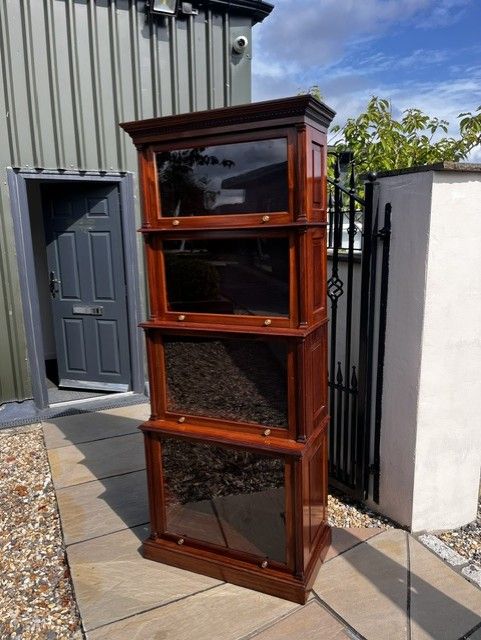


Brown Wooden Book Storage
Brown wooden book storage pieces are practical timber library furnishings for housing volumes, most frequently encountered here as Victorian and Edwardian oak or mahogany bookcases.
Brown Wooden Book Storage
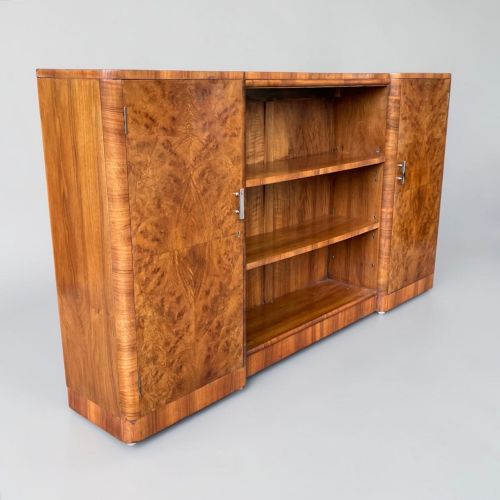
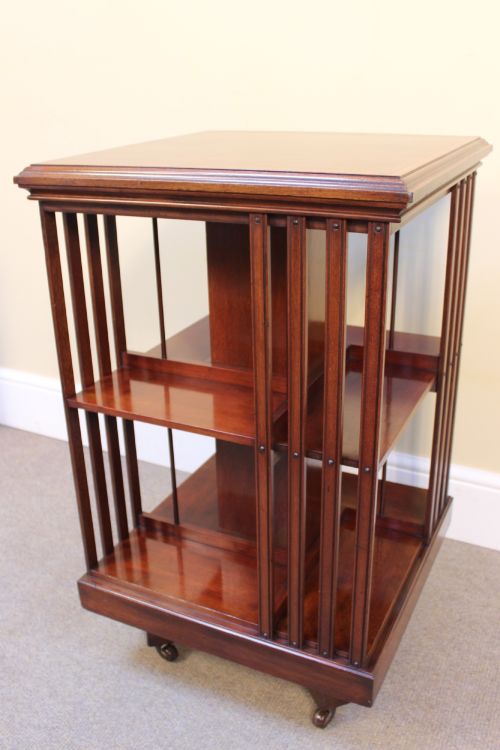
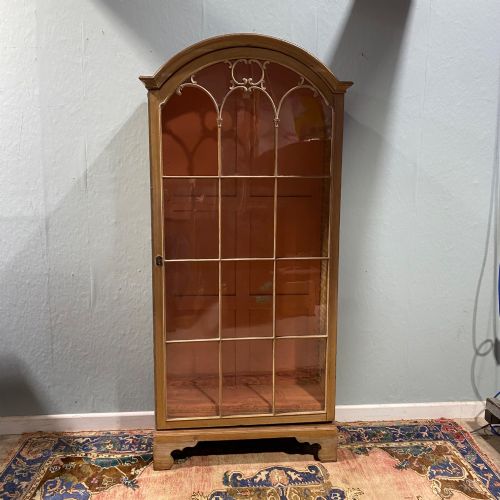
When searching for brown wooden book storage, buyers encounter a diverse selection of timber furniture designed to hold books, including open bookcases, revolving bookcases, and cabinet variants. These pieces originate predominantly from the nineteenth and early twentieth centuries, spanning periods from the Victorian and Edwardian eras into the nineteen-twenties and thirties.
How they were made
Makers utilised solid mahogany, oak, and walnut as the primary structural timbers, often enhanced by decorative marquetry, inlay, and brass fittings. Construction techniques include the assembly of large two-part library cabinets, revolving mechanisms for desktop or floor-standing book carriers, and stacking barrister designs.
Surfaces feature polished timber finishes that highlight the natural grain of the wood, whilst structural elements such as adjustable shelves and lower drawers provide practical utility.
Brown Wooden Book Storage Retail Price Guide 2026
Typical asking prices for brown wooden book storage among the pieces listed under this phrase on Sellingantiques today, from the lower quarter to the upper quarter. They describe what is for sale here now, not the wider market.
Listings span the nineteenth and twentieth centuries, featuring periods from Regency and Victorian through to nineteen-thirty.
What varies in quality
Quality in these timber storage items is dictated by the selection of dense, figured woods such as solid mahogany and walnut rather than lighter secondary timbers. Superior pieces display refined carving, well-fitted adjustable shelving systems, and robust mechanical elements like smooth revolving tiers or secure cabinet doors.
Construction depth also separates standard regional furniture from substantial library suites, where proportions, heavier cornices, and integrated lower drawer sections demonstrate higher craftsmanship.
The Brown Wooden Book Storage Glossary
- Barristers stacking bookcase
- A modular bookcase composed of separate stacked sections with glazed or wooden doors that lift and slide inward.
- Revolving bookcase
- A freestanding or tabletop book storage unit mounted on a concealed rotating pivot base for access from multiple angles.
- Library bookcase
- A large timber cabinet designed for institutional or domestic book storage, often built in two or more parts with enclosed lower cupboards.
- Chiffonier
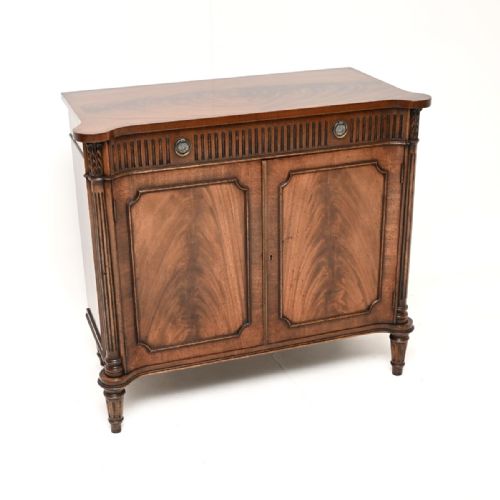
- A low sideboard or cabinet, occasionally fitted with open book shelves on the upper section.
- Desk tidy
- A small portable wooden stand or bookshelf designed for organising books and papers on a desktop.
Brown Wooden Book Storage: Frequently Asked Questions
What styles of brown wooden book storage are available?
The selection includes Victorian, Edwardian, Arts and Crafts, and Georgian revivals. Pieces range from simple open oak shelves to grand library cabinets.
Makers also produced specialised items such as revolving bookstands, desk tidies, and box-shaped inlaid carriers.
Are the shelves adjustable on these bookcases?
Many of the open front bookcases and library cabinets feature adjustable shelving. This allows the internal height to be altered for different volume sizes.
Buyers should examine individual descriptions to confirm whether the shelving mechanism is moveable or fixed.
How do I distinguish between Victorian and Edwardian pieces?
Victorian items often feature heavier proportions, darker woods, and substantial carved ornamentation. They include large two-part library bookcases and enclosed cabinets.
Edwardian examples tend to be lighter in scale, frequently utilising oak with simpler carved detailing or open shelf configurations.
What timbers were used for these bookcases?
Oak and mahogany are the predominant woods seen across the listings, alongside walnut and olive wood in specific decorative items. Solid mahogany and figured oak were favored for structural durability.
Secondary materials include brass for handles and fittings, cast iron for mechanisms, and glass for cabinet doors.