



Brown Wooden Art
Brown wooden art spans centuries of carved figures, folk objects and furniture in oak, walnut and fruitwood.
Brown Wooden Art
When buyers search for brown wooden art, they encounter a diverse assembly of utilitarian items elevated by craftsmanship, ranging from carved animal figures and church carvings to architectural bookcases and sideboards. These pieces cross various periods including the nineteenth century, Edwardian era and 1930s, reflecting domestic and decorative functions across Britain, France, Japan and beyond.
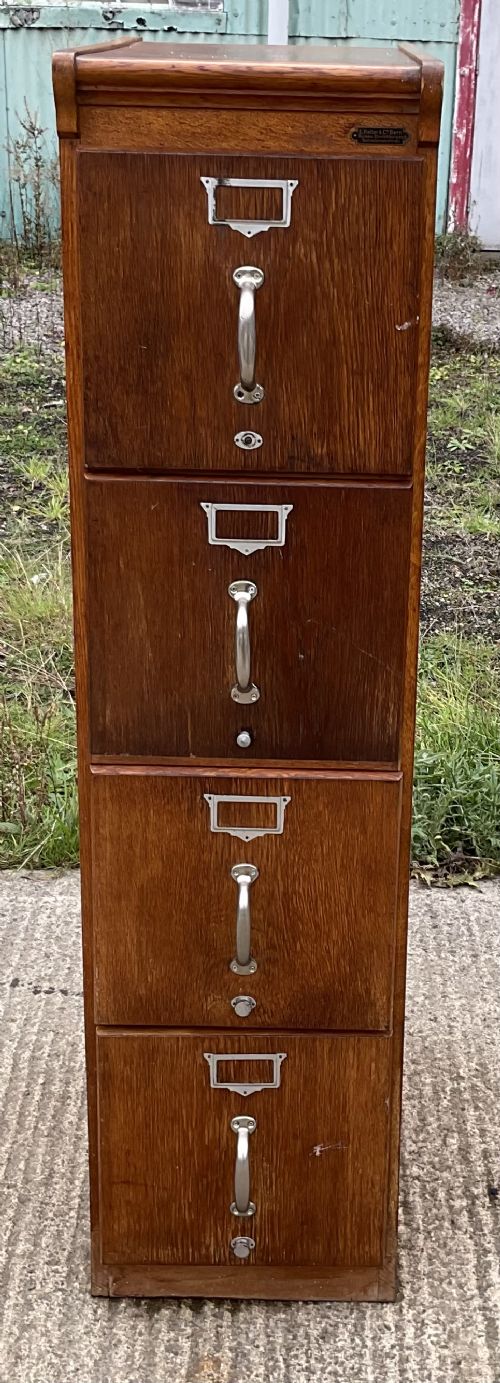
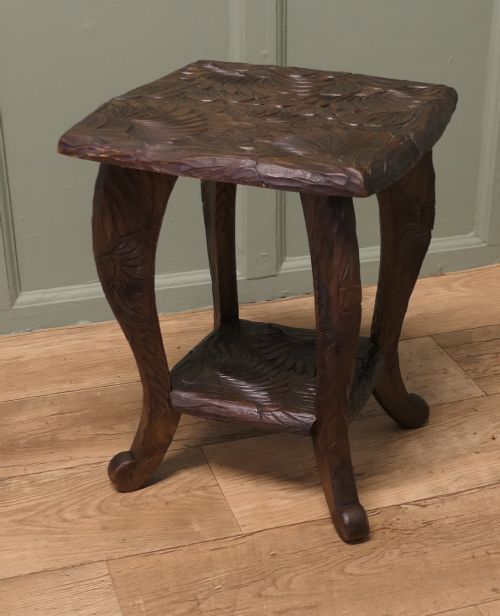
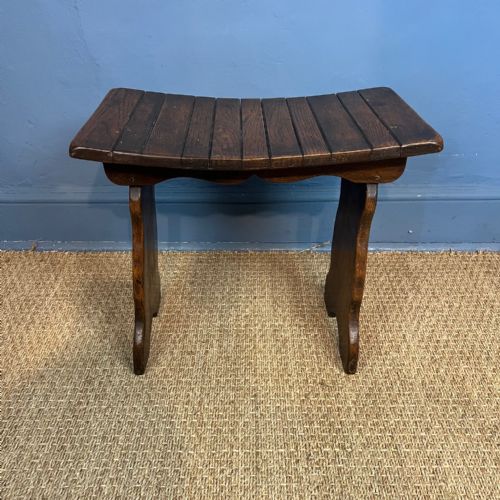
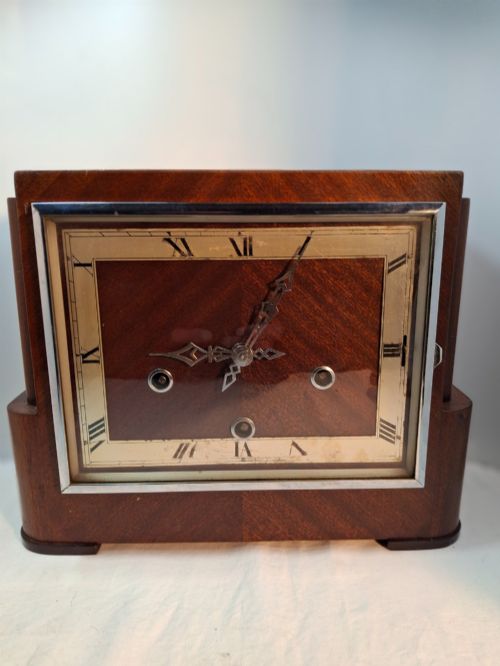
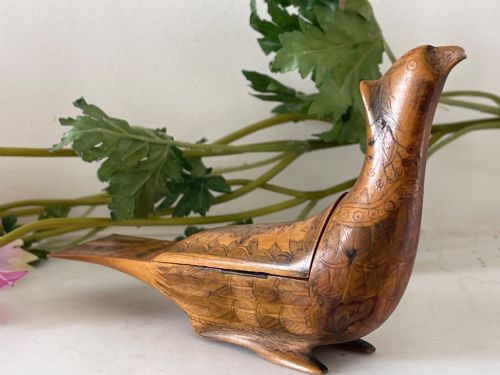
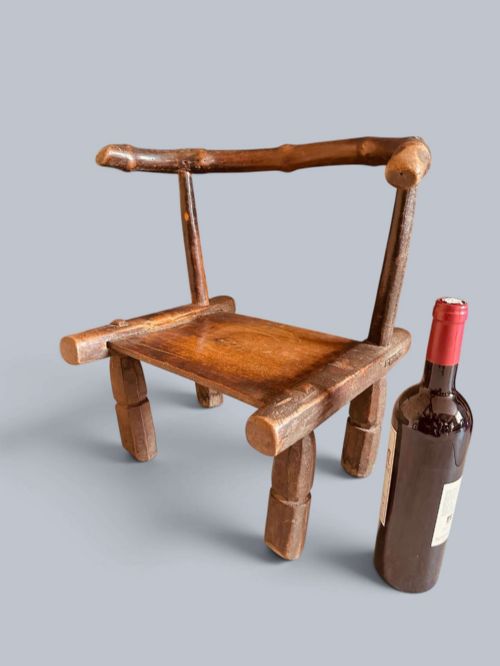
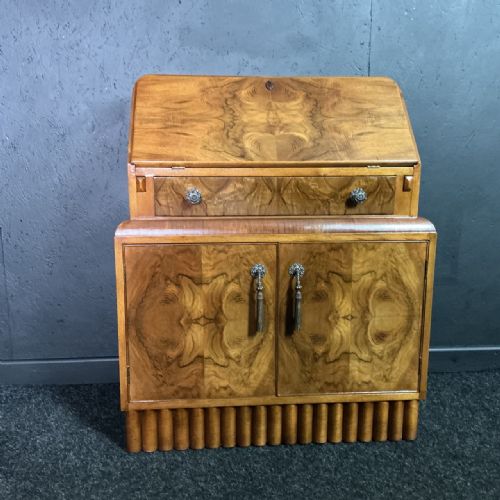
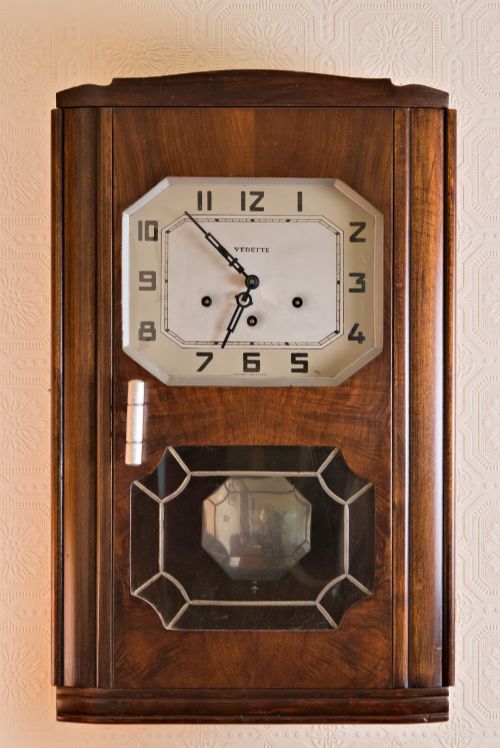
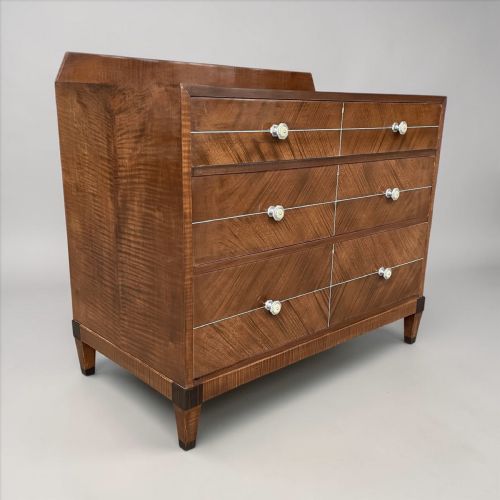
The most common items meeting this description on the page are practical household furnishings and decorative objects rendered in solid or veneered timber. Oak open bookcases, sideboards with raised galleries, and side tables appear alongside carved wooden bears, decoy ducks and figurative sculptures.
Origins stretch from regional British workshops to continental European studios and Japanese folk art traditions. Buyers find both monumental furniture like wardrobes and settles, and smaller items such as jewellery boxes, penknives and treen ladles.
How they were made
Makers utilised native and imported hardwoods, chiefly oak, walnut, elm and fruitwood, sometimes augmented with brass hardware, glass panels or polychrome paint. Construction methods combined traditional joinery such as pegged joints and stretcher bases with hand-carving and turning.
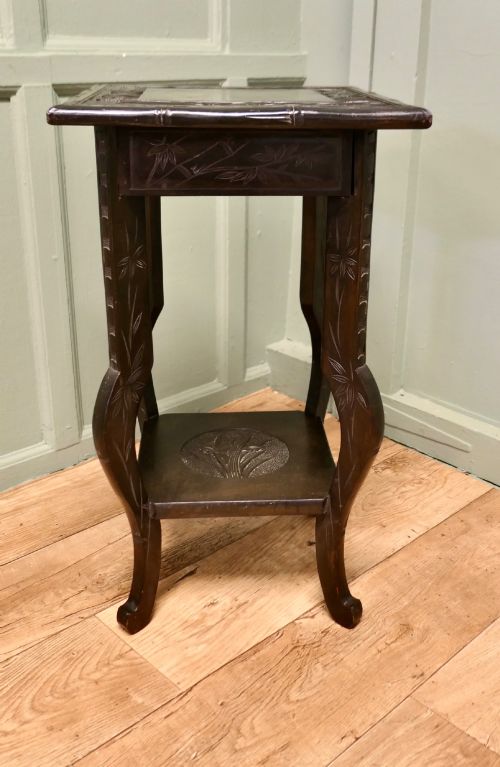
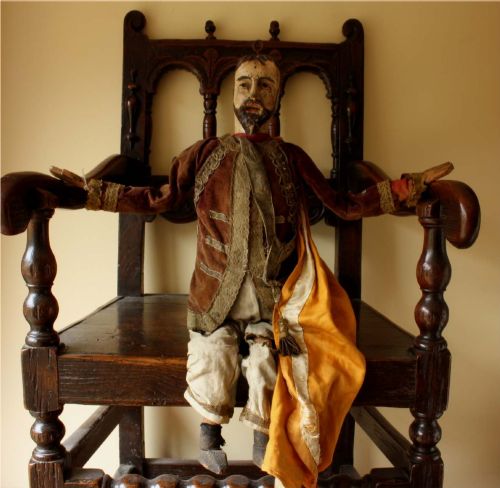
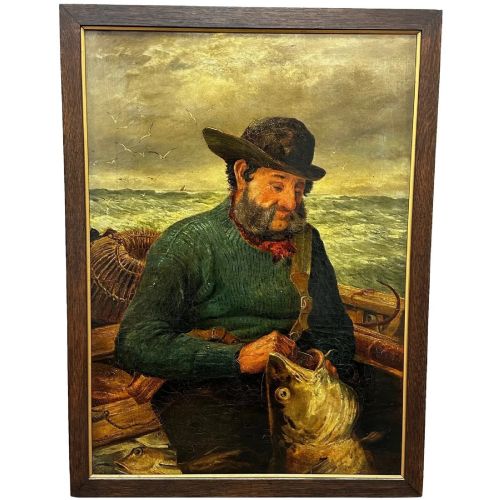
Surface finishes range from natural waxed grain and burr walnut veneers to carved relief panels and painted details on vinyl canvas or wood. Detail work relies entirely on hand tools, visible in the carved figures, inlaid settle decorations and sculptural seats.
Brown Wooden Art Retail Price Guide 2026
Typical asking prices for brown wooden art among the pieces listed under this phrase on Sellingantiques today, from the lower quarter to the upper quarter. They describe what is for sale here now, not the wider market.
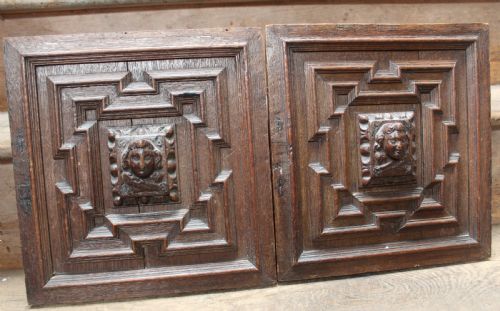
A carved wooden bear with a cub stands ready to greet visitors alongside French church carvings of angel heads.
What varies in quality
Quality separates through the ambition of the design and the crispness of the carving, distinguishing standard utility items from pieces by notable firms like Heals or Shapland & Petter. The depth and definition in carved elements, such as animal figures or architectural mouldings, dictate visual success.
Material selection also defines the tier of a piece, with figured burr walnut and carefully chosen quarter-sawn oak representing finer execution than plain commercial timber. Original structural integrity and surface patination further distinguish superior examples from heavily altered stock.
Heals·Jacob and Joseph Kohn·Liberty and Co·Shapland and Petter
The Brown Wooden Art Glossary
- Treen
- Small handmade wooden household objects created for utilitarian purposes. Collectors prize them for their smooth patination and tactile qualities.
- Arts and Crafts
- A design movement prioritising traditional craftsmanship and simple forms over mass production. Pieces often feature visible joinery and honest materials like oak and elm.
- Folk art
- Items produced by self-taught or traditional craftsmen outside mainstream academic traditions. These include carved wooden bears, decoy ducks and painted half models.
- Burr walnut
- A prized wood veneer harvested from walnut tree growths, creating swirling patterns. It is typically utilised on high-end cabinets and wardrobes from the early twentieth century.
- Stretcher base
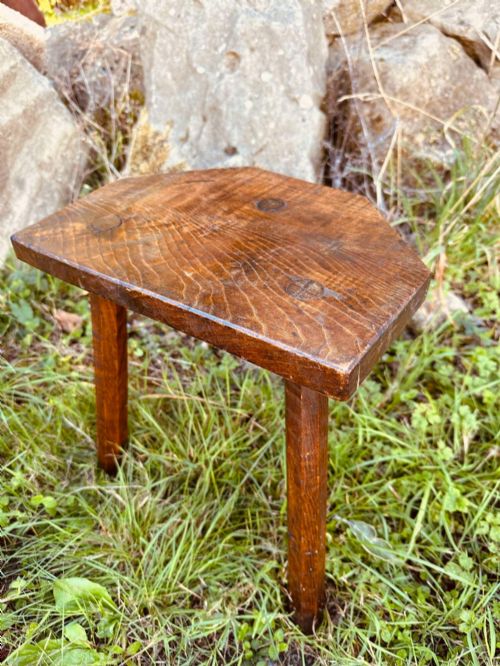
- A system of horizontal wooden bars connecting the legs of a table, chair or sideboard for added stability. It is common in oak furniture from earlier periods.
Brown Wooden Art: Frequently Asked Questions
How do I care for wooden art pieces?
Maintain wooden items by keeping them away from direct sunlight and steady temperature fluctuations to prevent timber from splitting or warping. Regular gentle dusting preserves the natural surface.
Apply a traditional beeswax polish occasionally to nourish older wood surfaces and maintain the natural patination without sealing the grain with modern synthetics.
How are Arts and Crafts items identified?
Arts and Crafts pieces show honest construction methods, including pegged joints, exposed grain, and minimal reliance on applied ornamentation. Designers from this movement valued utility and hand craftsmanship.
Look for solid oak or elm construction, simple functional forms, and occasional workshop stamps or subtle carved motifs that reflect individual maker input.
Where were carved wooden figures made?
Carved wooden figures originate from diverse regions, including Japanese folk art traditions, European workshops, and British vernacular makers. Each culture applied distinct carving techniques to local woods like cedar or fruitwood.
Subject matter ranges from wildlife such as bears and ducks to religious sculptures and decorative panels, reflecting the local cultural and spiritual context of their creation.