
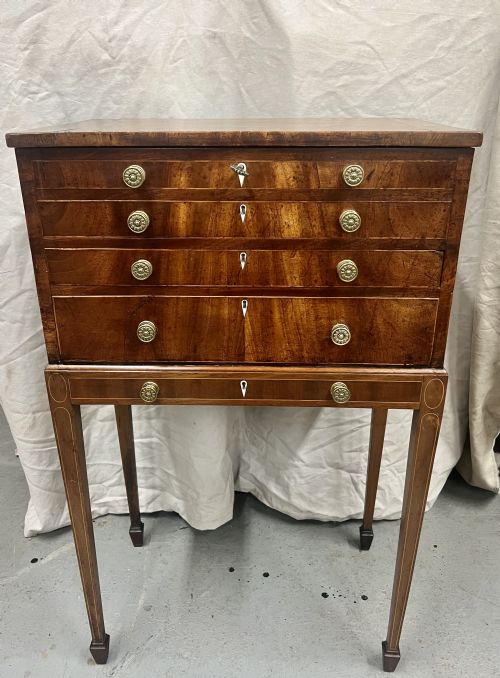
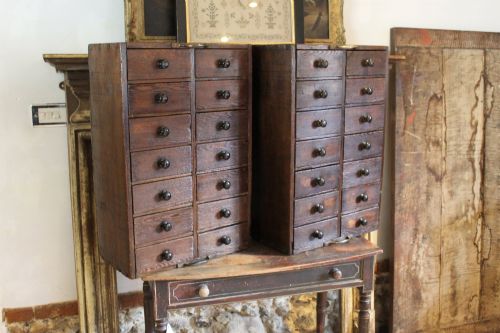
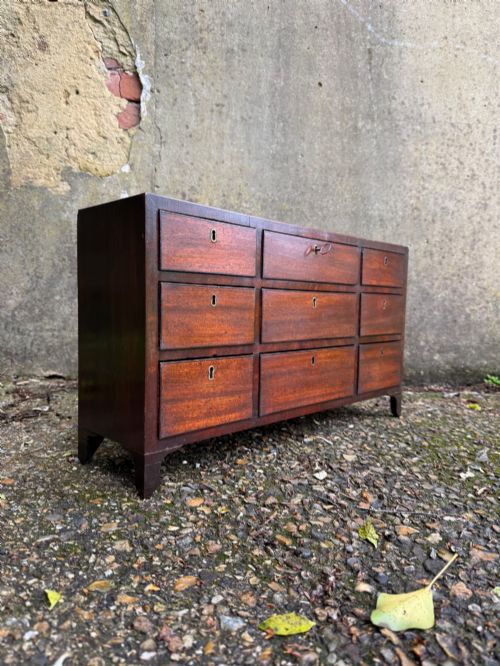

Brown Wooden Apothecary Chest
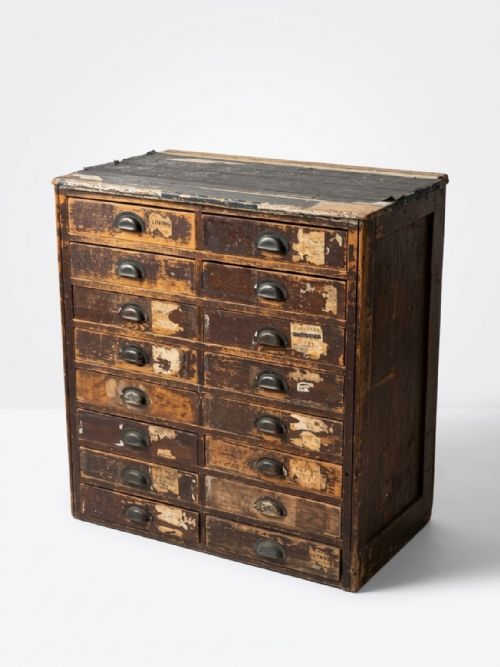
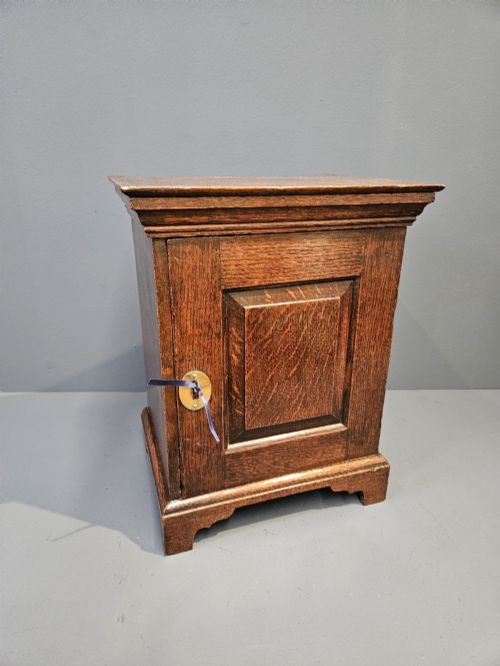
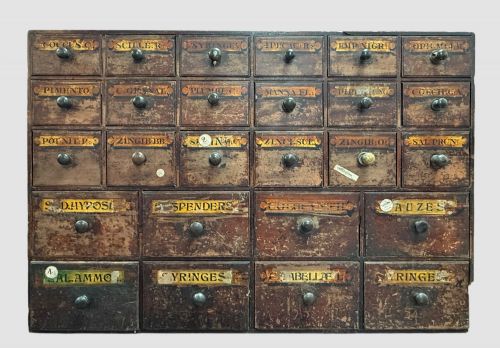
A brown wooden apothecary chest brings utilitarian history into a room, offering compartmentalised storage originally built for medicines, specimens, or spices.
Brown Wooden Apothecary Chest
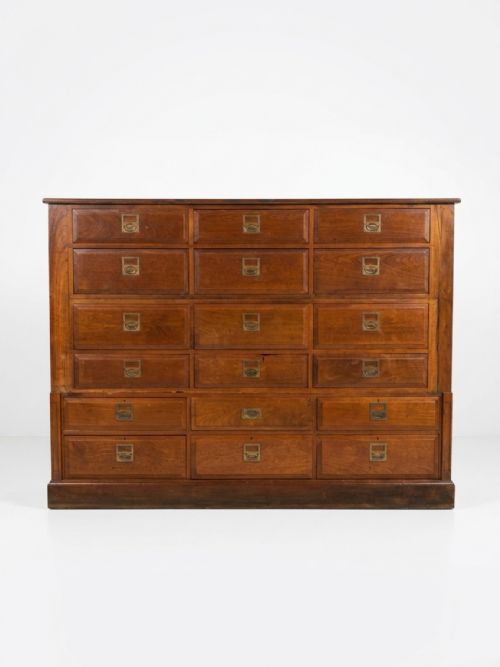
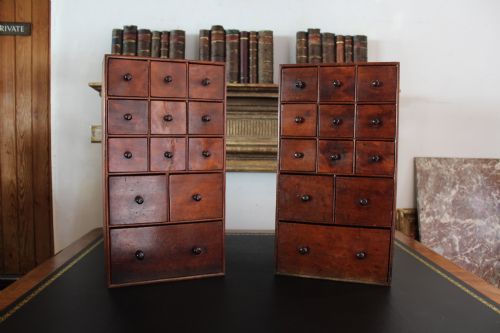
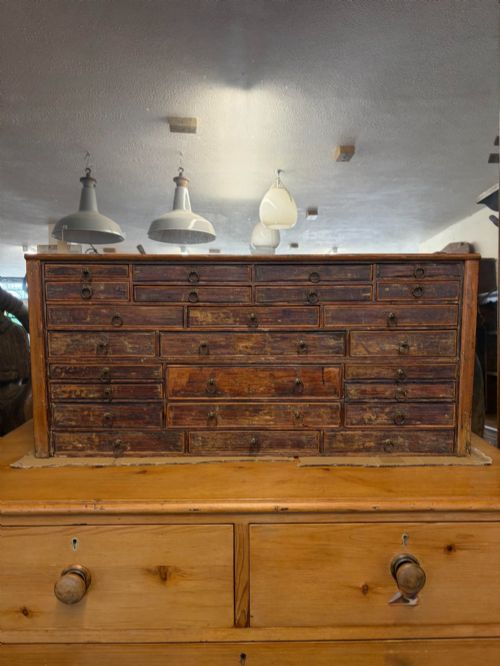
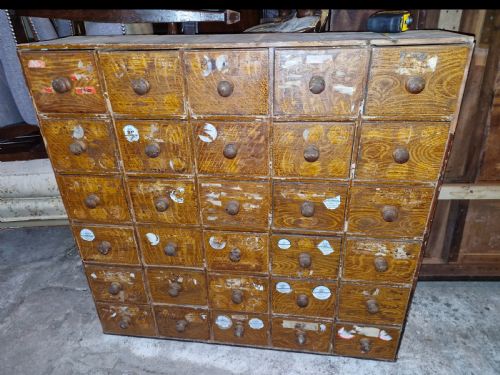
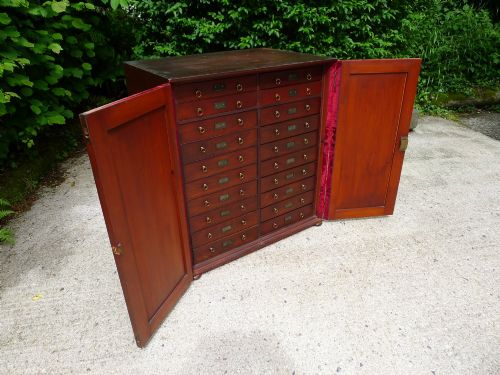
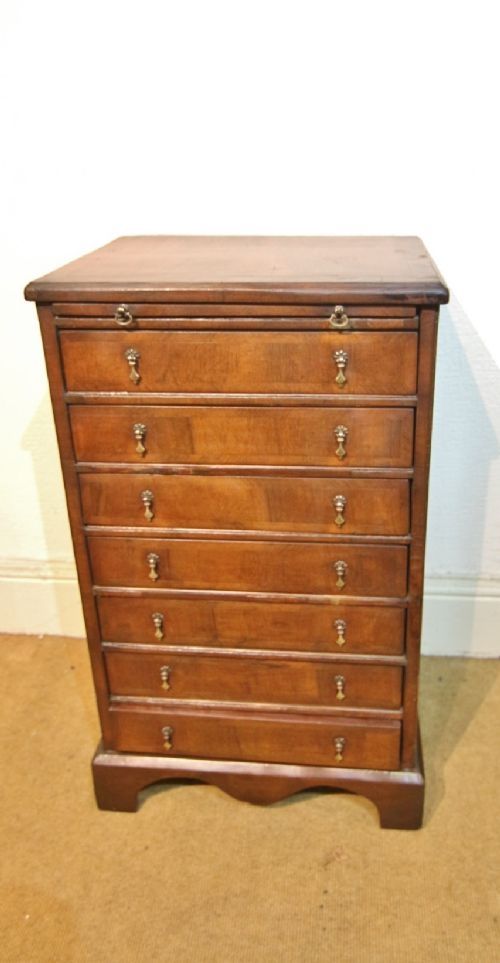
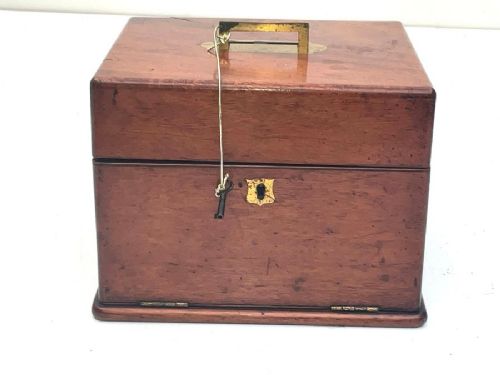
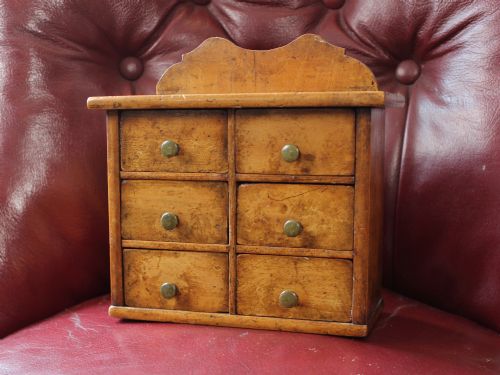
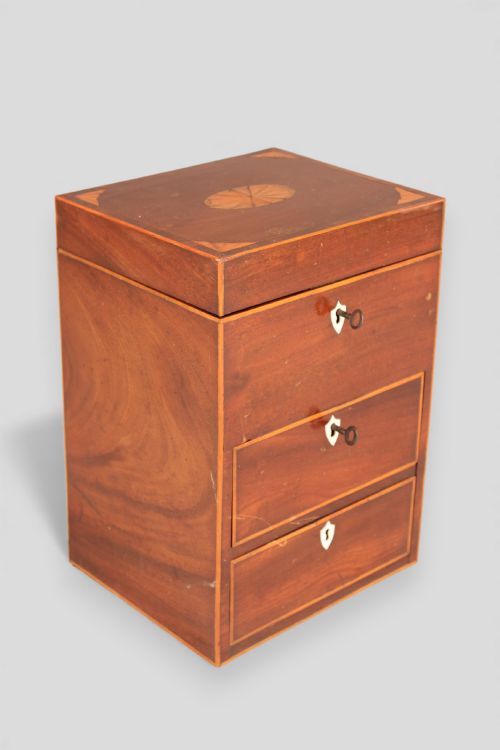
When searching for a brown wooden apothecary chest, a buyer encounters a diverse group of multi-drawer storage pieces spanning Georgian, Victorian, and early twentieth-century periods. These items range from compact table-top boxes with fitted internal partitions to large freestanding pharmacy banks and collectors cabinets.
The objects frequently appear in traditional timbers such as mahogany, oak, walnut, and pine, reflecting both utilitarian commercial origins in chemists and domestic use as spice cupboards or specimen storage.
Materials and construction
Cabinet makers utilised dense hardwoods like mahogany and walnut alongside robust domestic timbers including oak, fruitwood, and pine to build these sturdy storage units. Joints were typically constructed with dovetails to withstand the heavy daily use of pulling multiple small drawers.
Hardware played an essential structural role, incorporating brass campaign handles, recessed pulls, and occasional glass fronts or iron fixings to secure contents and facilitate transport.
Several chests retain internal traces of dried herbs and Victorian pill residue.
Judging the standard of manufacture
Quality rests in the precision of the drawer construction and the integrity of the timber selection, where tightly fitted internal partitions and well-matched grain set finer examples apart from utilitarian workhorses. Original brass fittings and intact fitted interiors elevate a piece above altered or later-assembled equivalents.
The depth of finish, from polished mahogany surfaces to simpler stained deal, marks the distinction between high-status apothecary boxes intended for a physician and plain workshop storage.
The Brown Wooden Apothecary Chest Glossary
- Bank of drawers
- A multi-drawer cabinet constructed for tall storage, commonly utilised in pharmacies, watchmakers' workshops, and estate offices.
- Apothecary box
- A portable or table-top chest fitted with internal compartments designed to safely hold glass medicine bottles and scales.
- Spice cupboard
- A small wall-hanging or table-top wooden cabinet featuring multiple small drawers or a panelled door, traditionally used in domestic kitchens.
- Collectors cabinet
- A specialist piece of furniture containing shallow drawers intended for housing natural history specimens, coins, or geological samples.
Brown Wooden Apothecary Chest: Frequently Asked Questions
What were apothecary chests used for?
These chests were originally utilised by chemists, physicians, and households to organise and protect delicate medicines, herbs, and compounding equipment. The numerous small drawers and fitted compartments kept volatile compounds and glass vials secure.
Over time, many of these cabinets transitioned into general domestic use for storing spices, sewing accessories, or small collectibles.
How do I date a wooden chest?
Dating relies heavily on observing timber choices, construction methods, and handling hardware. Georgian and Regency pieces often feature finely figured mahogany with hand-cut dovetails, while Victorian examples frequently utilise walnut, pine, or deal.
Secondary woods inside the drawers and the style of brass handles or hinges provide further chronological clues.
Are these chests heavy to move?
Many of the larger banks of drawers and pharmacy cabinets are constructed from dense hardwoods like oak or mahogany, making them substantial and heavy items of furniture. Smaller table-top apothecary boxes and spice chests remain easily portable.
Freestanding pharmacy banks usually require two people to relocate safely due to their solid timber build.
How should I clean the wood?
Maintenance requires gentle dusting with a soft, dry cloth to protect the historic polish and patina of the wood. Harsh chemical cleaners and excessive moisture should be avoided to prevent damage to the antique finish.
Applying a traditional beeswax occasionally helps nourish older hardwoods like mahogany and oak.